Modern kitchens are trading gas flames for sleek induction zones that cook faster, safer, and cleaner. Superior efficiency, precise temperature control, and minimalist design support both performance and sustainability.
Gas stove bans are reshaping home kitchens, but you are not forced to give up great cooking. Learn why cities are restricting gas, how induction offers faster, cleaner performance, what conversions cost, and how rebates, safety steps, and smart planning can make your switch smooth, efficient, and future-ready.
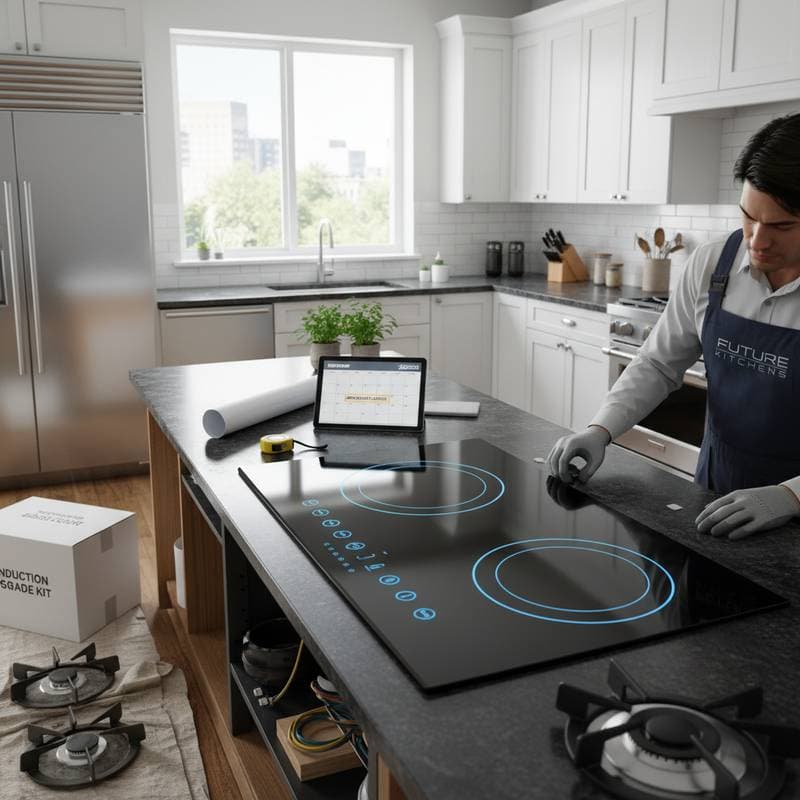
Switching from gas to induction is simpler than most expect. Induction zones deliver instant heat, safer operation, and easier cleanup while often fitting existing cutouts. Plan the retrofit, estimate costs, select compatible cookware, and enjoy faster, more efficient cooking.
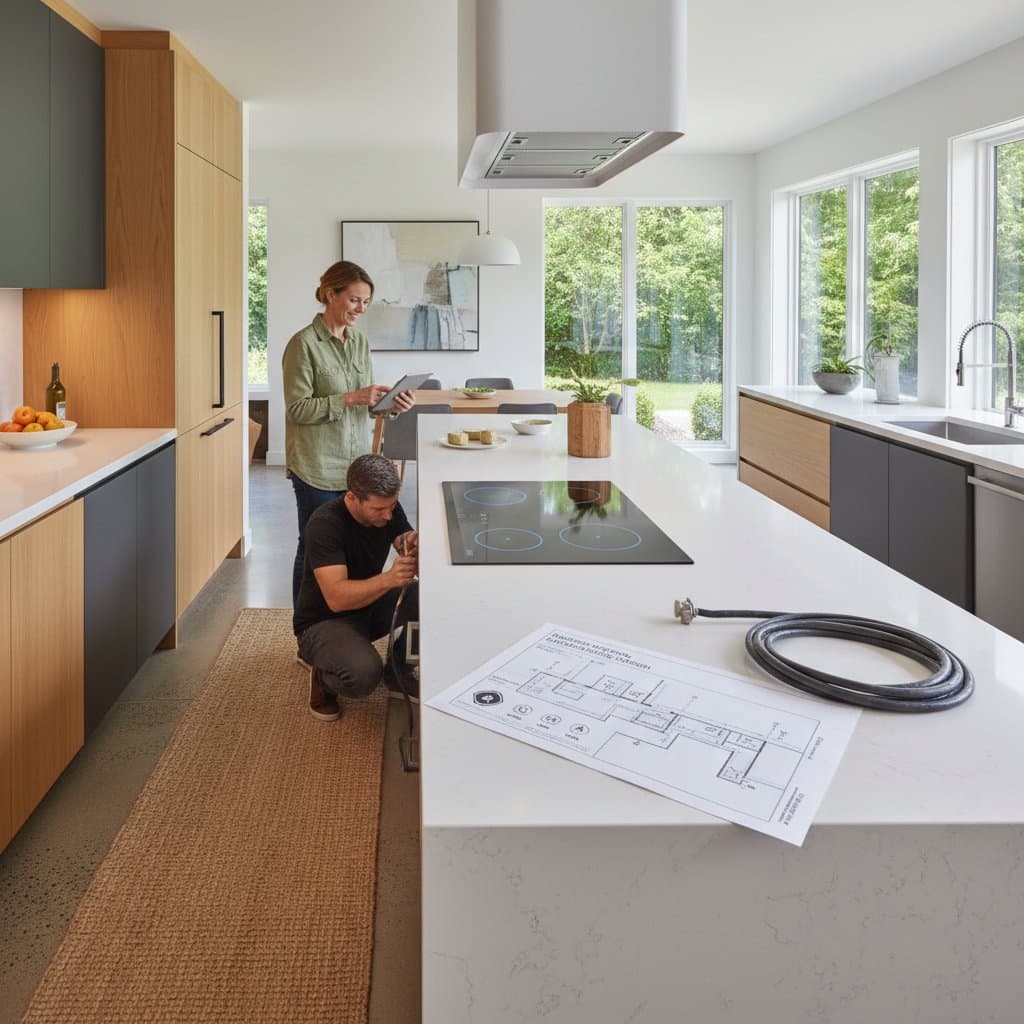
Induction kitchens meet tightening gas regulations while delivering faster cooking, lower energy use, and simpler maintenance. Contractors recommend planning electrical upgrades early to protect resale value.
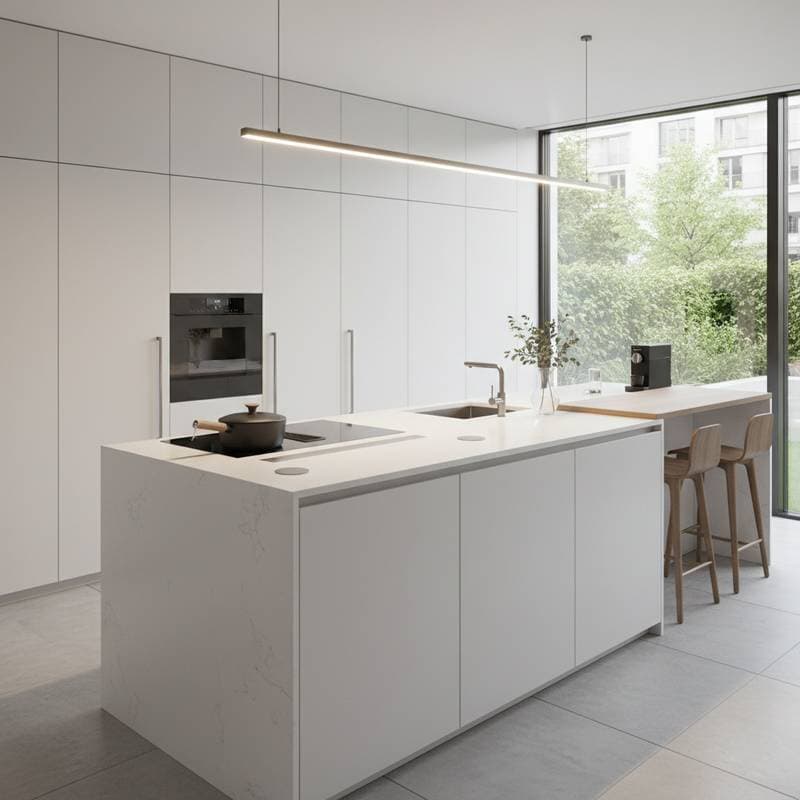
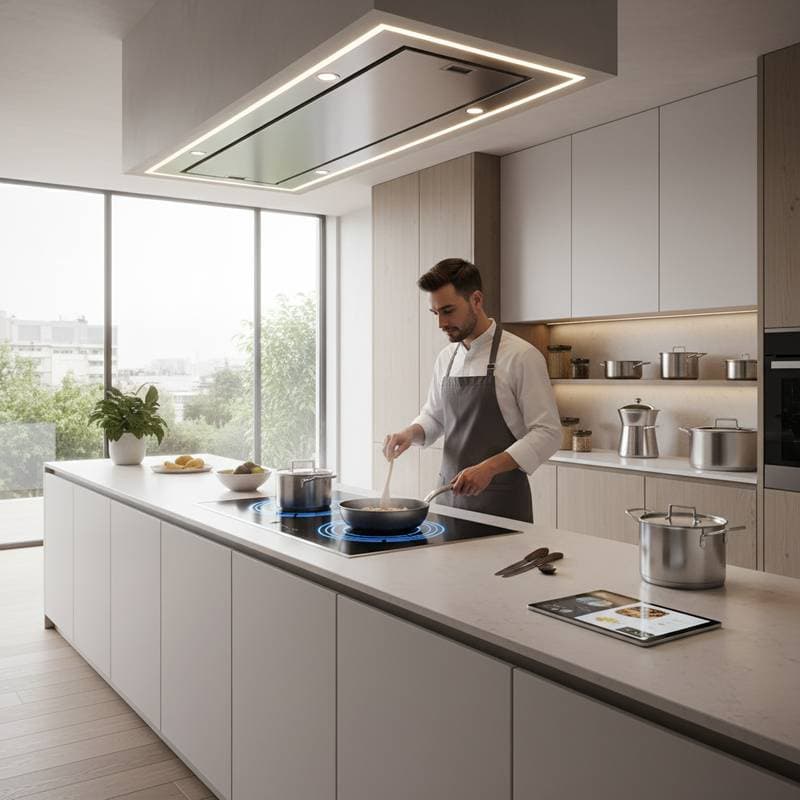
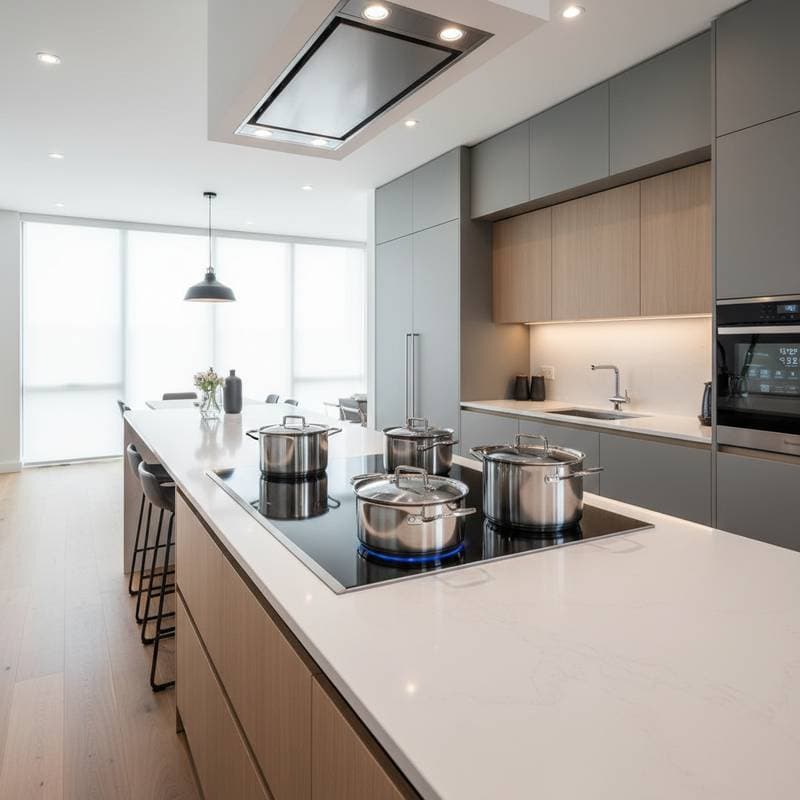
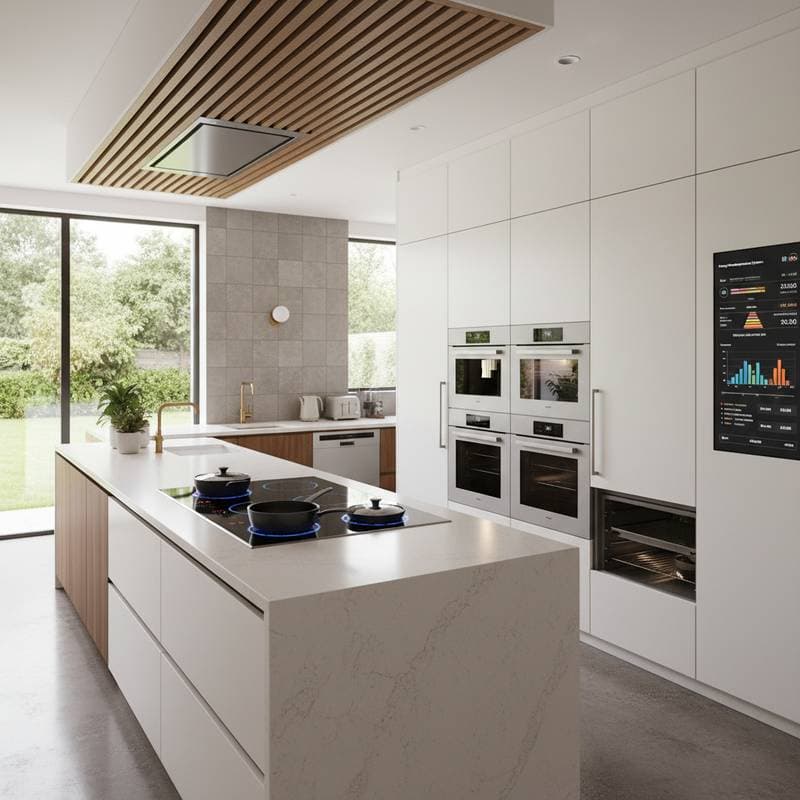
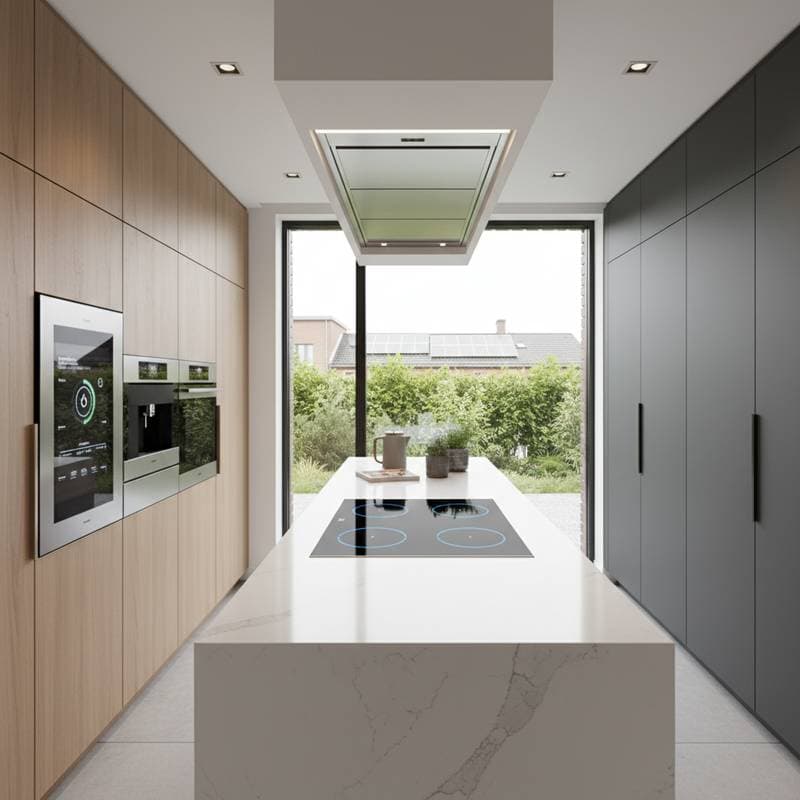
As gas bans reshape home design, the all-induction kitchen emerges as a symbol of modern sustainability and refined minimalism. Designers celebrate its silent precision, seamless surfaces, and flexible layouts. Beyond efficiency, it redefines cooking as an intentional, serene experience where technology, aesthetics, and environmental consciousness converge.
Gas stove regulations prompt more homeowners to choose induction cooking for improved safety, air quality, and energy performance. Strategic planning addresses wiring needs and appliance selection ahead of 2026 deadlines.
Induction cooking redefines kitchen remodels for 2026 through safety, efficiency, and sustainability. As cities move away from gas, homeowners upgrade electrical systems, ventilation, and cookware to adopt this cleaner technology. Faster heating, cooler kitchens, and easier cleanup deliver modern performance worth considering.
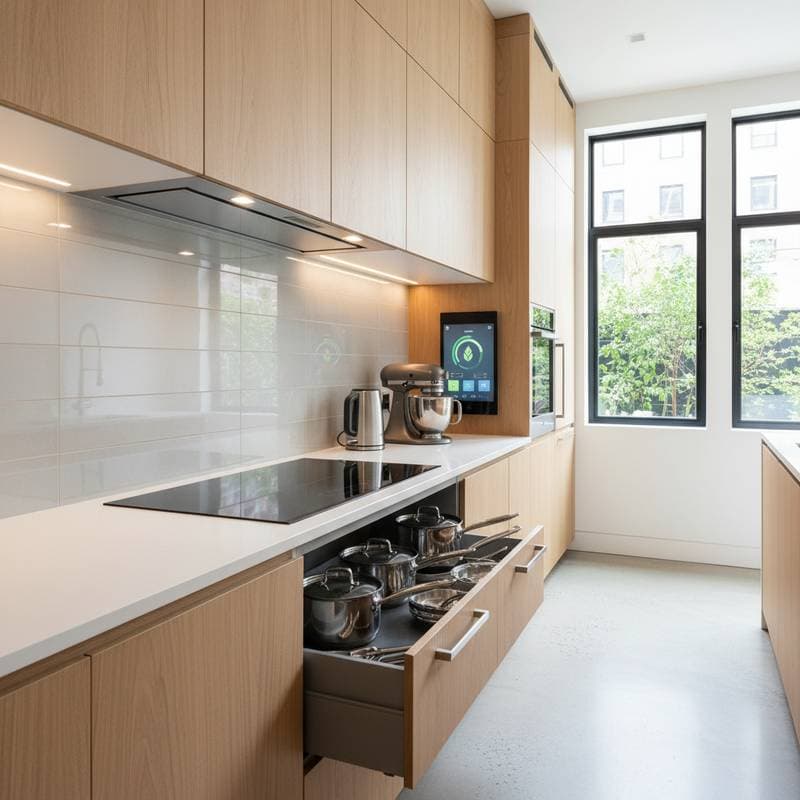
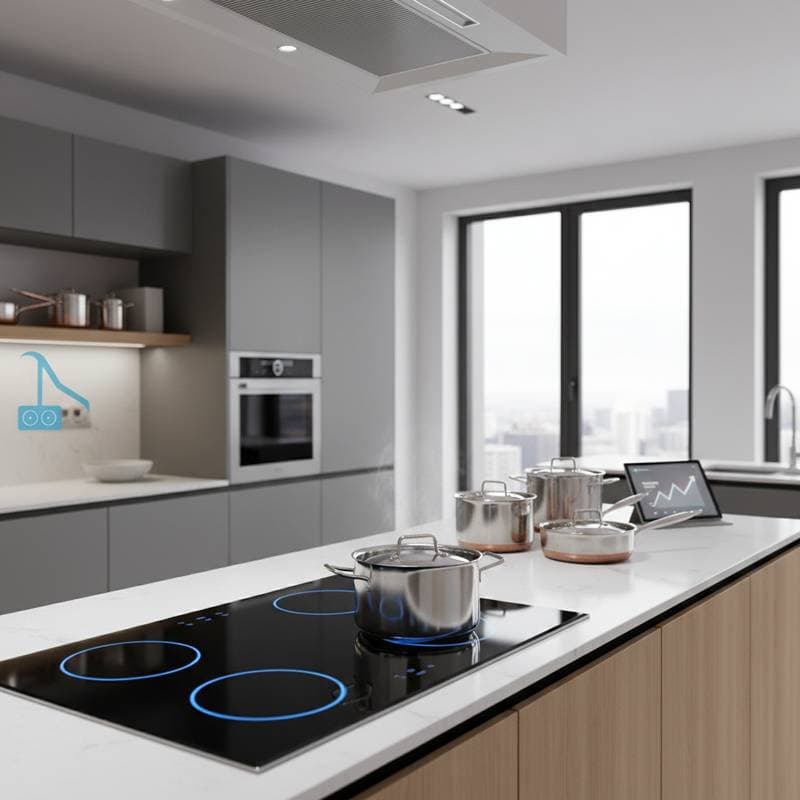
Induction cooktops revolutionize kitchen retrofits through innovative design, rapid heating, and enhanced safety features. These appliances bypass the complexities of gas lines, lower utility bills, and adapt seamlessly to diverse kitchen layouts and financial plans. Induction delivers exact temperature control, aesthetic appeal, and environmental benefits, positioning it as the ideal choice for contemporary residences.
Induction cooking redefines modern kitchens by combining minimalist design, improved air quality, and energy efficiency. By 2026, professionals and homeowners adopt this technology for sustainable, serene cooking experiences that blend innovation with tradition.
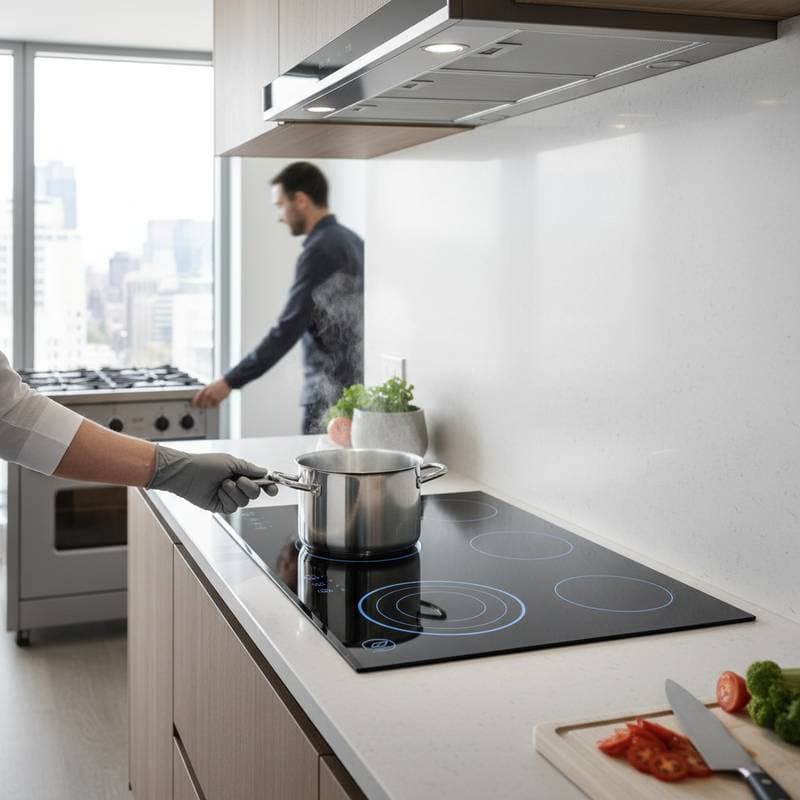
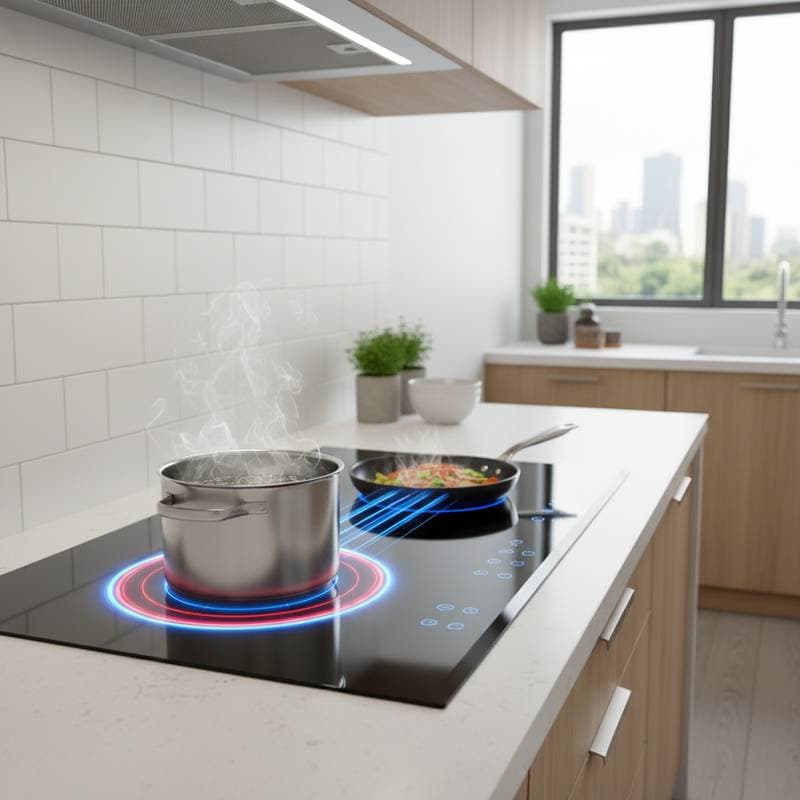
Savvy homeowners increasingly opt for induction cooking over traditional gas ranges, embracing precision, safety, and energy savings. This innovative method heats cookware directly via electromagnetic fields, boosting indoor air quality, cutting utility expenses, and supporting modern kitchen aesthetics. With simplified ventilation and strategic electrical upgrades, induction delivers enduring benefits and a forward-thinking transformation for contemporary homes.
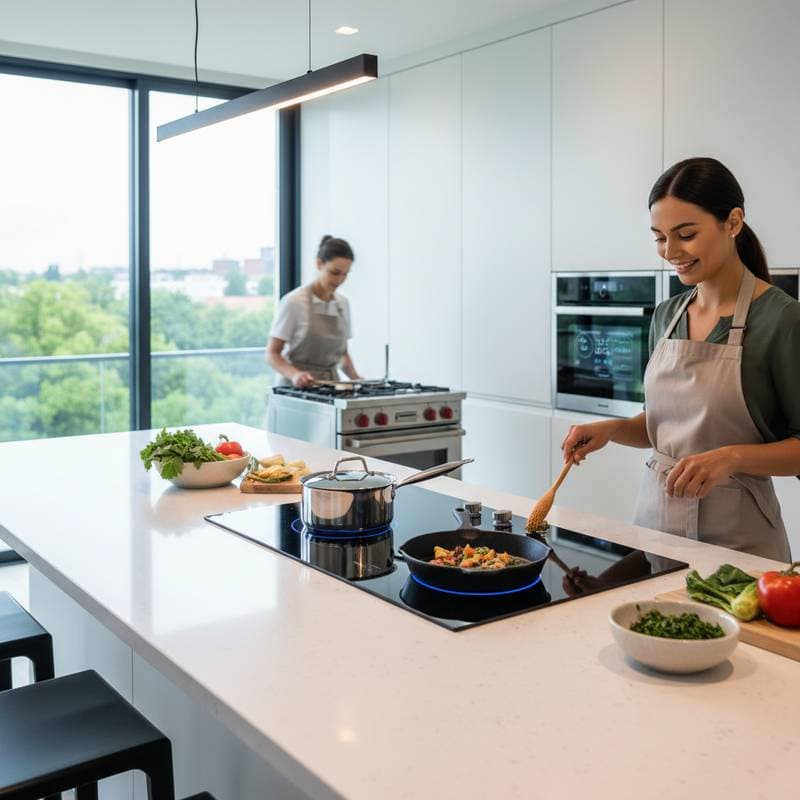
Induction cooking transforms modern kitchens through rapid heating, accurate temperature management, and elegant design. By employing electromagnetic technology for direct cookware heating, it provides enhanced safety, environmental benefits, and versatility for various budgets. Induction options support clean air, simple upkeep, and superior functionality, demonstrating that advanced technology can integrate seamlessly with everyday needs.
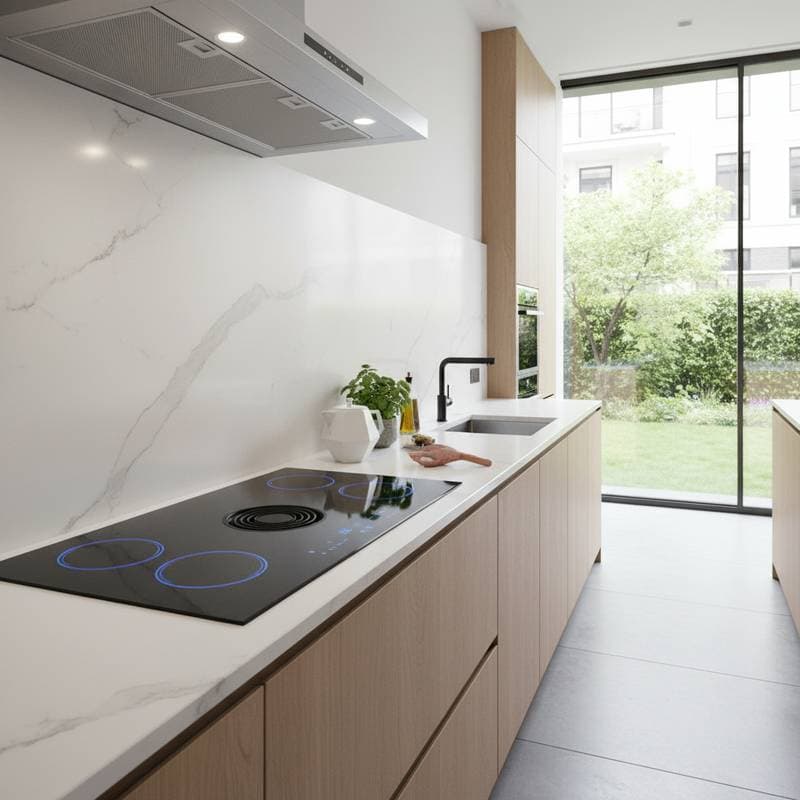
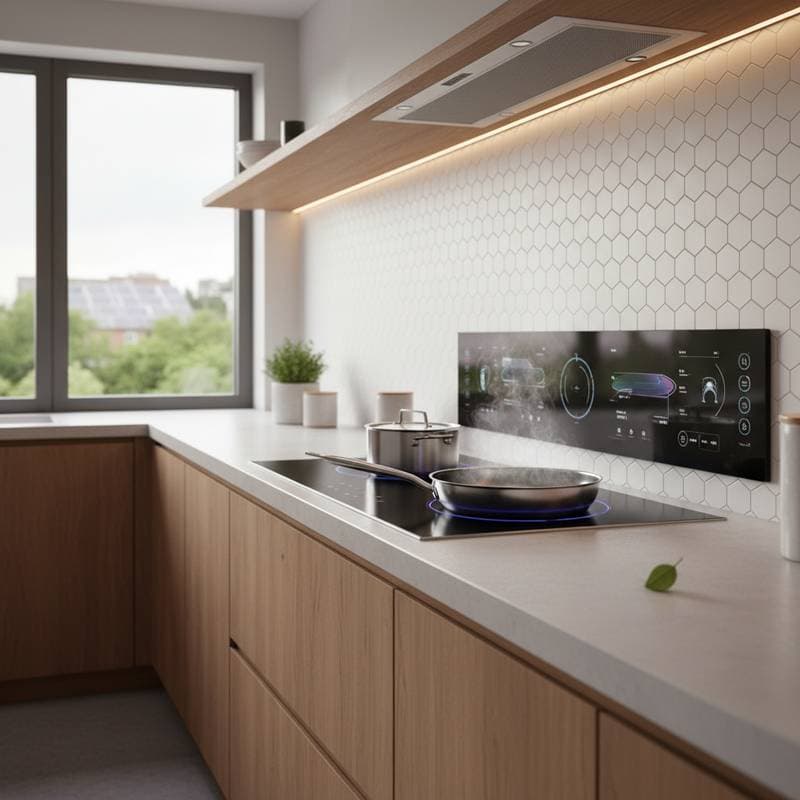
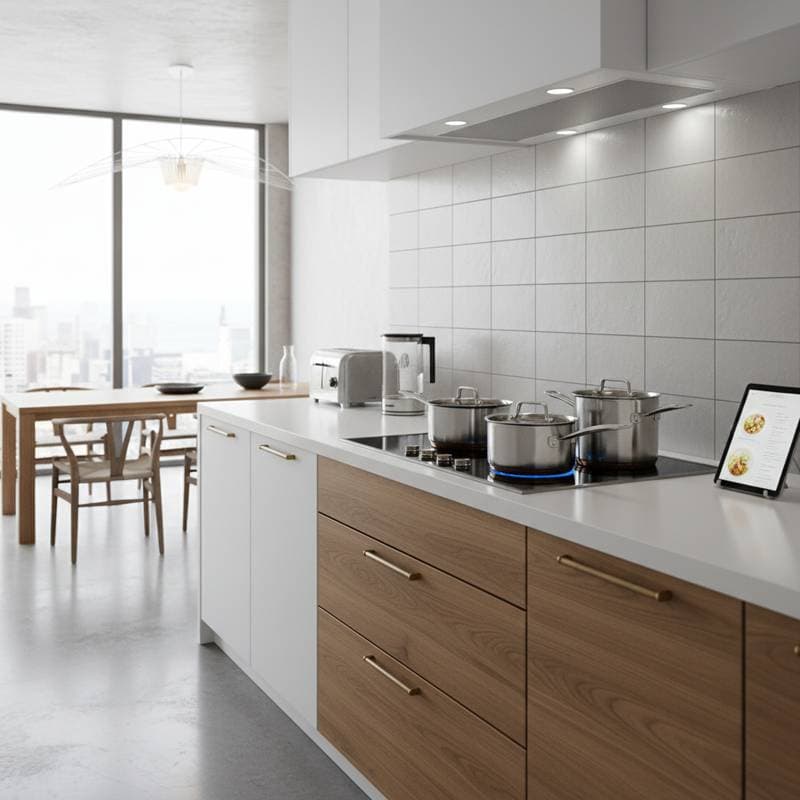
Induction cooktops elevate kitchens to efficient, stylish havens. With seamless surfaces, exact heat control, and reduced emissions, they combine sustainability with high performance. This technology fosters cleaner air and quieter spaces, where innovative design meets everyday functionality.
The 2026 mandate for all-electric kitchens signals the end of gas-powered appliances in new installations. Homeowners who plan ahead avoid expensive retrofits, ensure code compliance, and gain access to efficient, safer induction cooking. This guide covers electrical planning, design adjustments, and long-term advantages for a seamless upgrade.
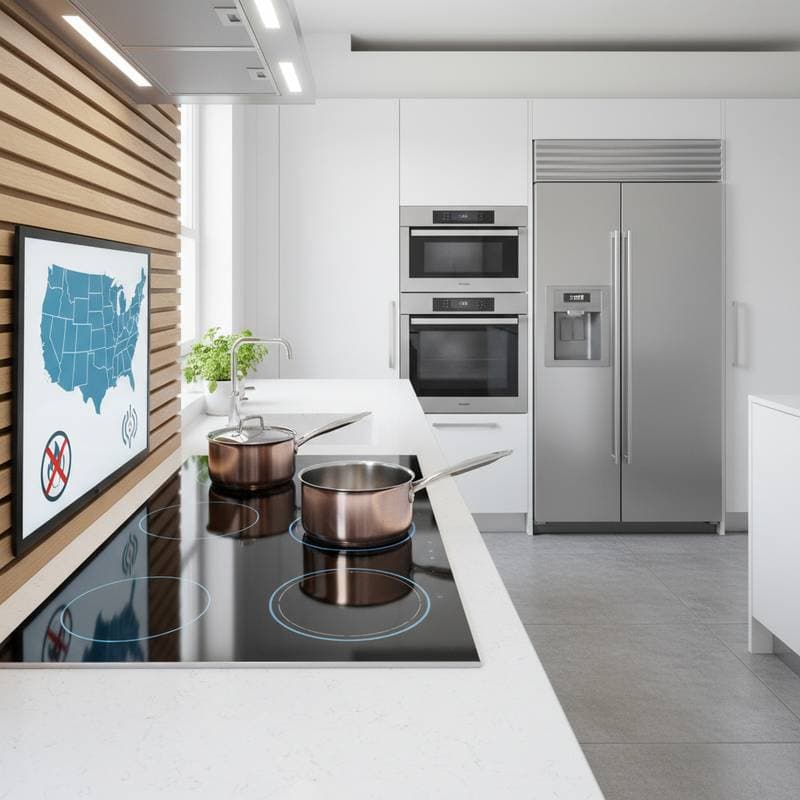
Twelve additional states now restrict new gas hookups, positioning induction cooking as the superior alternative. This technology delivers cleaner, quicker, and safer performance across diverse kitchens. From cost-effective choices to advanced integrations, uncover strategies for efficient upgrades and eco-friendly designs.
New energy regulations accelerate the shift away from gas stoves toward induction cooking, which delivers rapid heating, exact temperature control, and better indoor air quality. Homeowners might need to invest in electrical updates and compatible pots, yet these changes position kitchens for long-term savings and sustainability. This guide details the transition process, cost comparisons, and strategies to prepare for an electric cooking future.
With gas stove restrictions approaching, induction cooking stands out as a fast, precise, and eco-friendly upgrade. It delivers superior control, healthier air, and sleek integration into modern kitchens, making it ideal for sustainable living.
As the 2026 ban on gas stoves draws near, proactive homeowners can transition to induction cooking with confidence. This guide details the retrofit process, estimated expenses, essential safety measures, and the advantages of precise, efficient, and eco-friendly performance to help you navigate the change without disruption.
Induction cooking redefines kitchen functionality by combining precise magnetic heating, sustainable practices, and integrated design. This technology eliminates pollution and clutter while enhancing performance, positioning it as the sophisticated core of today's homes that merges innovation with refined living.
Gas bans across various regions compel homeowners to reconsider kitchen appliances, with induction cooktops emerging as a compelling alternative. These stoves provide superior energy efficiency, enhanced safety features, and versatile design options. Homeowners must address electrical modifications, select appropriate cookware, and plan ahead to navigate this transition effectively. Induction cooking not only meets regulatory demands but also delivers improved indoor air quality, exact temperature management, and elegant visual appeal, elevating kitchens to innovative, high-performing environments.
Induction zones revolutionize cooking with electromagnetic precision, superior safety, and energy efficiency that surpasses gas stoves. These versatile systems offer clean operation, stylish integration, and options for every budget, making them ideal for eco-conscious home upgrades.