Introduction to the Gas-Free Kitchen Revolution
Kitchens serve as the core of daily life, influencing how families prepare meals and connect. The rise of induction cooking marks a significant evolution, emphasizing not just technical advancements but also enhanced living experiences. This approach prioritizes energy savings, environmental benefits, and refined aesthetics, creating spaces that feel both innovative and inviting.
Induction technology, previously common in commercial settings, now enhances home environments. It delivers smooth surfaces, minimal noise, and accurate temperature management. Homeowners discover a cooking method that integrates advanced features with practical comfort.
Precision and Performance in Everyday Cooking
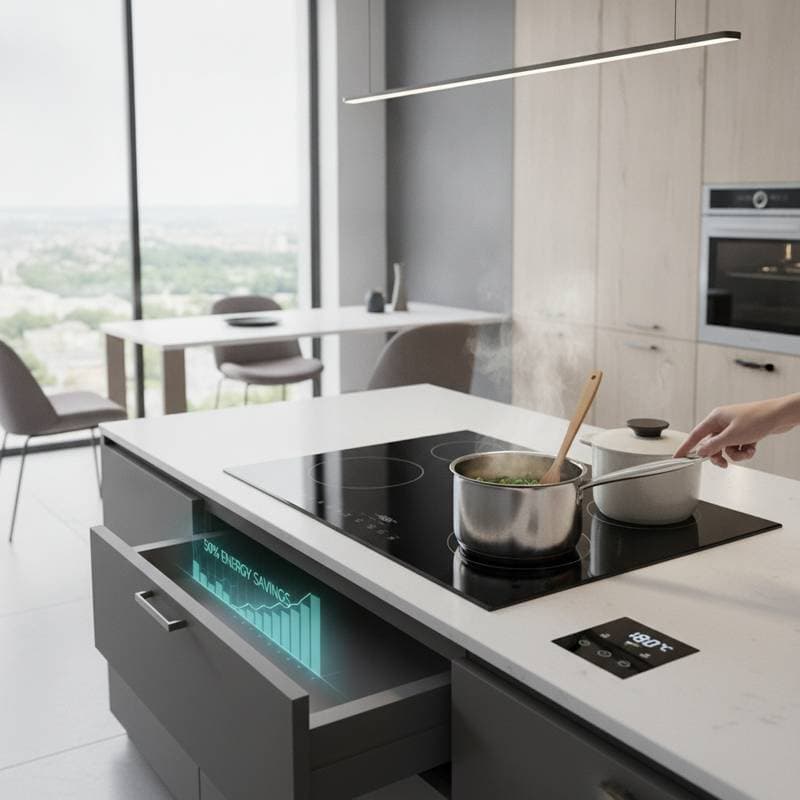
Induction cooktops differ from traditional gas stoves by using electromagnetic fields to heat cookware directly. This method achieves rapid temperature changes without relying on visible flames. Cooks gain immediate responsiveness, ideal for tasks requiring fine adjustments, such as simmering sauces or melting chocolate.
Professional insights highlight this precision. Architect Daniel Kwan of Atelier D states that induction eliminates guesswork. Even heat distribution minimizes hot spots and residual warmth, which cuts down on energy loss and food spoilage. Home chefs appreciate how this reliability boosts confidence and consistency in results.
To maximize performance, select compatible cookware made from ferromagnetic materials like cast iron or stainless steel. Test pieces with a magnet; if it sticks, the item works well. This simple step ensures optimal efficiency and avoids frustration during preparation.
The Quiet Elegance of Induction Cooking
Open flames from gas produce noise and heat that can disrupt kitchen harmony. Induction operates with a soft hum, preserving natural sounds like conversation or music. This serene environment transforms cooking into a more relaxed activity.
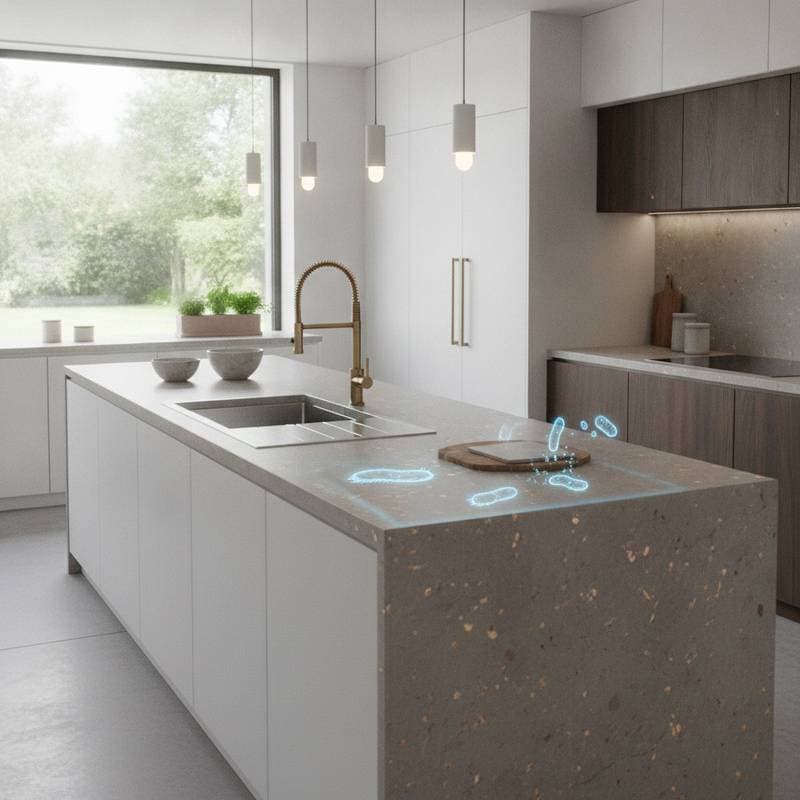
Designers leverage this low-heat output for bolder material selections. Textures such as shagreen, leathered granite, or European walnut veneer become viable near cooking areas without risk of damage. These choices add warmth and sophistication, blurring lines between functional zones and living areas.
Consider integrating ambient lighting or open shelving to complement the quiet operation. Such additions enhance the overall ambiance, making the kitchen a welcoming gathering spot rather than a high-energy workspace.
Flexible Layouts for Social Spaces
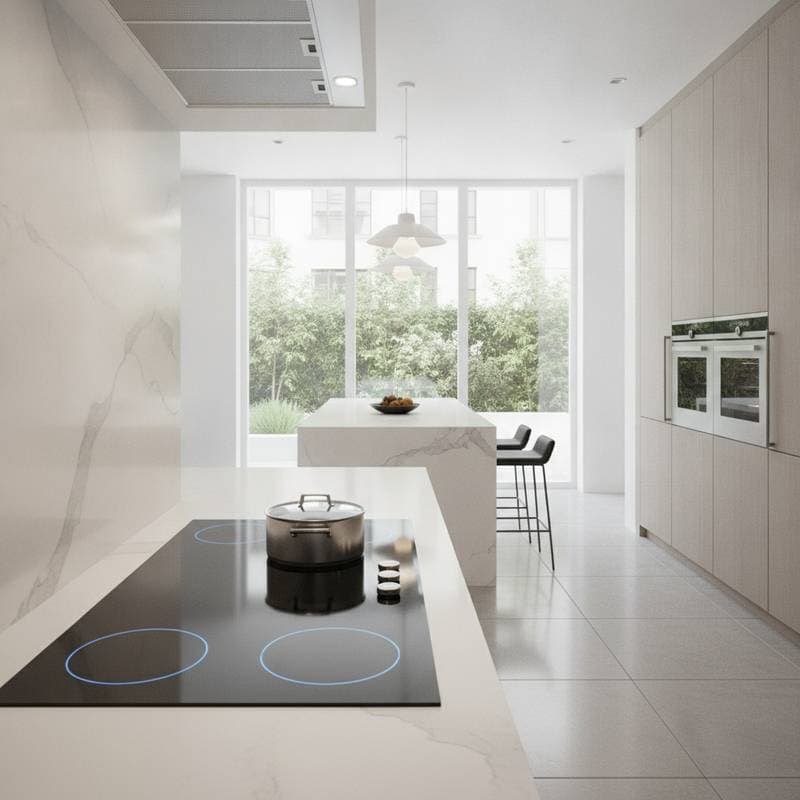
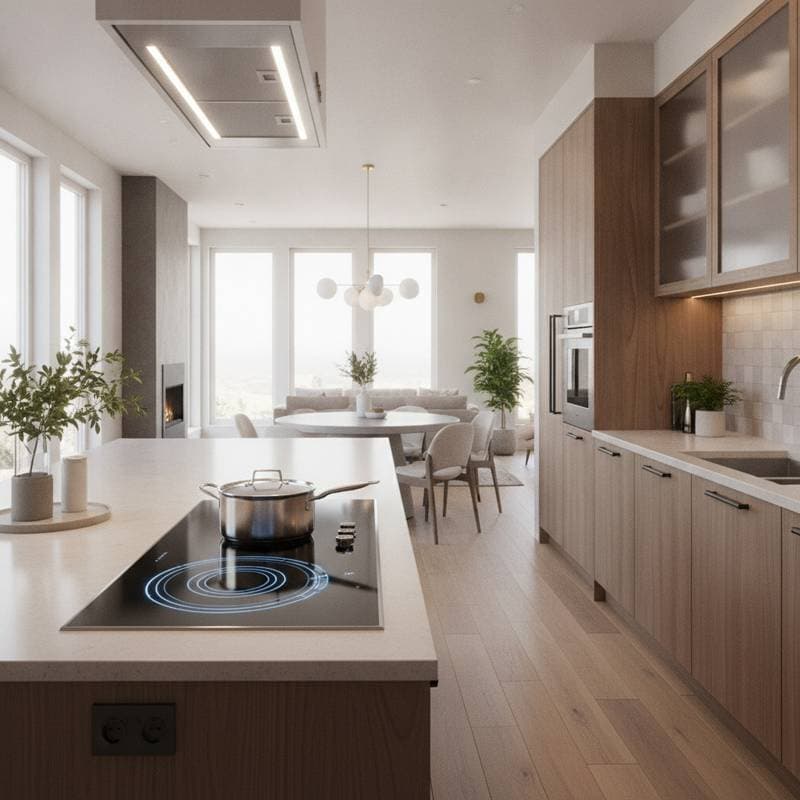
Gas lines often limit placement options for cooking surfaces. Induction cooktops free designers from these constraints, enabling creative configurations. Install them on central islands, along peninsulas, or in auxiliary prep stations to suit diverse needs.
Architectural designer Lina Ortiz views this versatility as essential for modern planning. She frequently incorporates dual burners beside secondary sinks to facilitate collaborative meal preparation. Multiple users can chop, stir, and serve simultaneously, strengthening family bonds.
Evaluate your space by mapping traffic flow and activity zones. Position induction units to encourage interaction, such as facing seating areas or worktables. This setup promotes inclusivity, turning routine tasks into shared moments.
Innovative Design Palettes for Seamless Integration
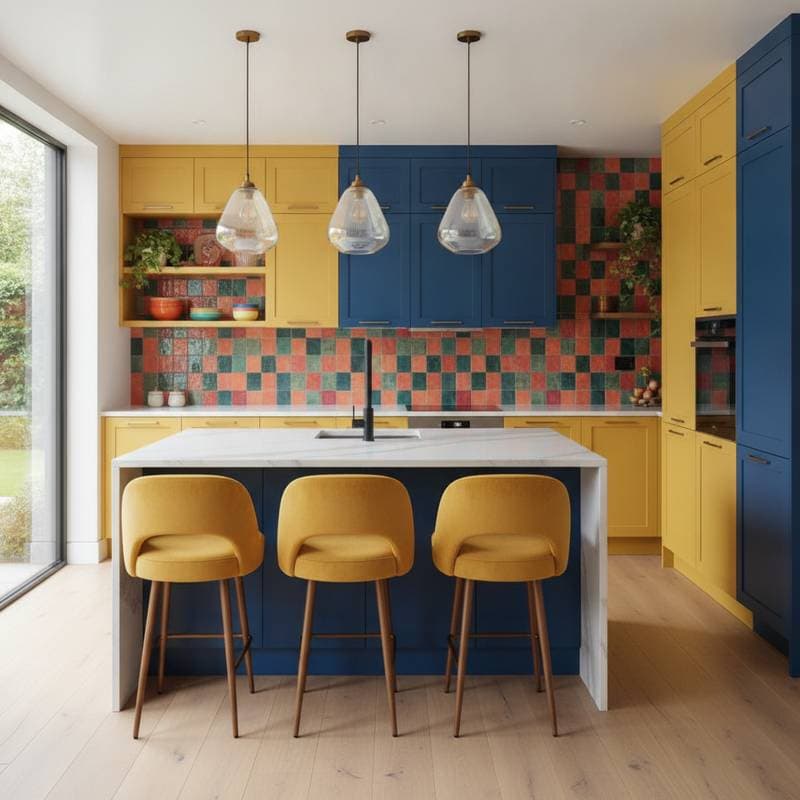
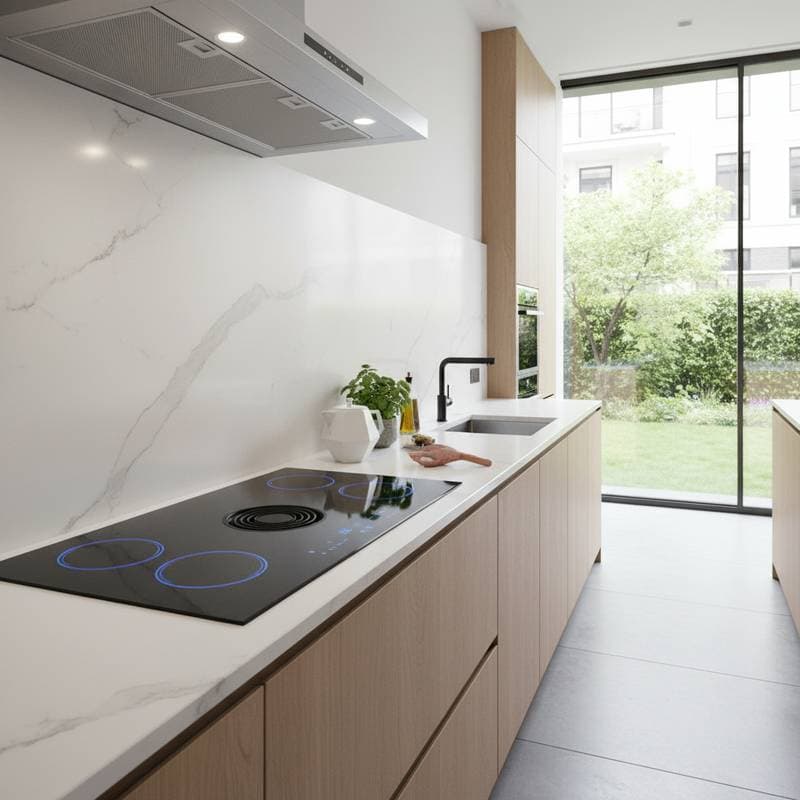
Gas appliances introduce visual interruptions like grates and knobs. Induction surfaces blend into countertops, offering a clean slate for creative expression. Designers experiment with luxurious elements, including richly veined marbles, warm gray quartzites, and hand-glazed ceramic tiles.
These materials create fluid transitions across surfaces, enhancing visual continuity. The cooking area becomes part of the overall composition rather than a focal point of mechanics. This harmony elevates the kitchen's aesthetic appeal and usability.
When selecting finishes, balance durability with style. Opt for heat-resistant options that align with your home's theme. Professional installation ensures proper sealing, protecting investments while achieving a polished look.
Embracing the Future of Sustainable Kitchens
Urban developments and builders increasingly adopt electric cooking solutions for safety and ecological advantages. Induction aligns with global pushes toward reduced emissions and healthier indoor air. It positions homes at the forefront of eco-conscious design.
This trend echoes wider movements in architecture, favoring understated luxury and authentic materials. Future kitchens promise not only visual cleanliness but also improved well-being through lower noise and cleaner operation. Homeowners benefit from long-term savings on energy bills and maintenance.
Stay informed about local incentives for electric upgrades, such as rebates for efficient appliances. These programs accelerate the transition, making sustainable choices more accessible.
Practical Steps for Adopting Induction
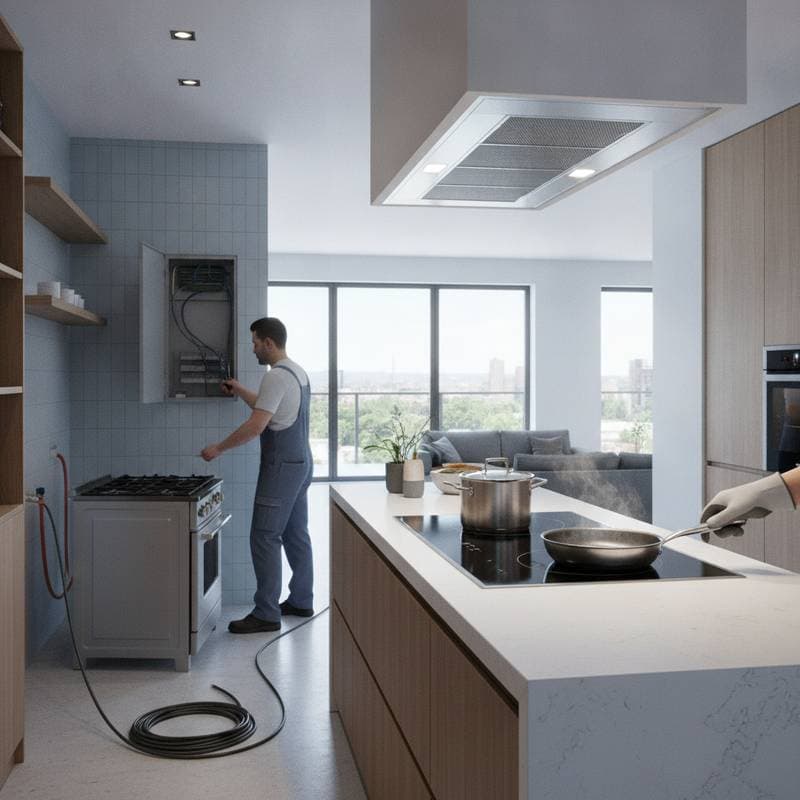
Switching to induction involves more than appliance swaps; it demands comprehensive preparation. Verify your home's electrical capacity, as high-powered units may require panel upgrades. Consult electricians to assess and modify circuits safely.
Address cookware needs early. Build a collection of induction-ready pots and pans, focusing on versatility for various cooking styles. Brands offer starter kits tailored for beginners, easing the adjustment.
Plan integration with existing cabinetry and surfaces. Custom cutouts ensure flush mounting, maintaining a seamless appearance. Post-installation, test functionality and adjust settings for personal preferences.
The design community advances induction applications, embedding them into multifunctional furniture or smart systems. This evolution yields kitchens that harmonize advanced technology with serene lifestyles. Adopting induction delivers enduring value, from enhanced efficiency to timeless beauty.