Antimicrobial Countertops Reduce Kitchen Bacteria Growth
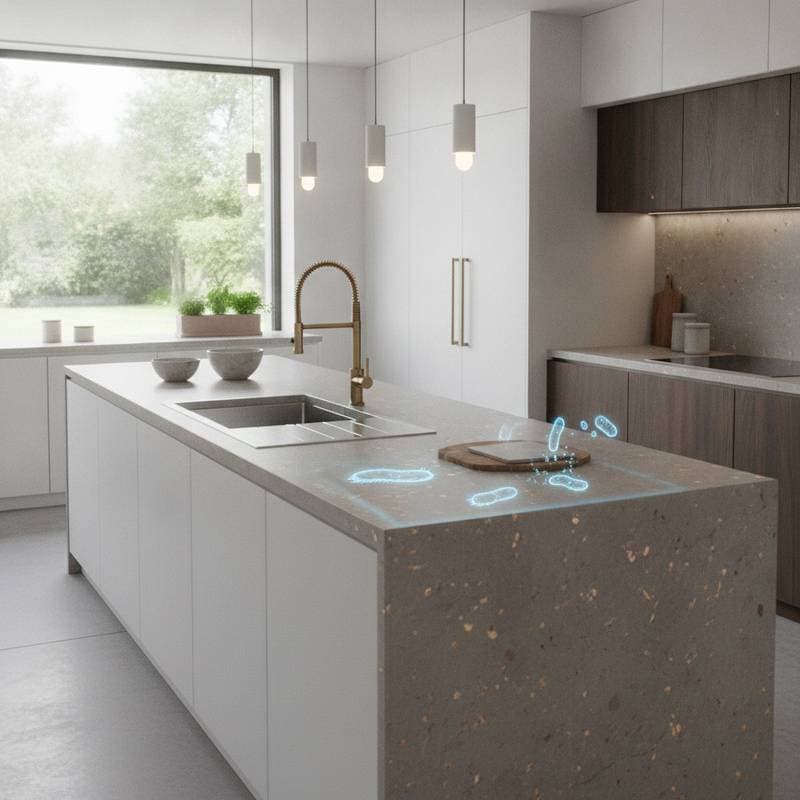
Every kitchen supports daily nourishment and connection. Behind surfaces of stone, quartz, or wood lies an unseen layer of microbial activity. Antimicrobial countertops address this reality by combining refined appearance with built-in resistance to bacteria, mold, and mildew.
Understanding Antimicrobial Surfaces
These countertops incorporate agents such as silver ions, copper particles, or zinc compounds. The additives interfere with microbial cell processes and limit growth between regular cleanings. Designers select them to lower contamination risks during food preparation without creating sterile environments.
It is important to view antimicrobial protection as an additional layer of kitchen hygiene, not a replacement for cleaning. Raw meat juices, produce residue, oils, and crumbs still require prompt removal. The greatest benefit comes from combining a resistant surface with sensible preparation habits, effective ventilation, and regular care.
Quartz Surfaces
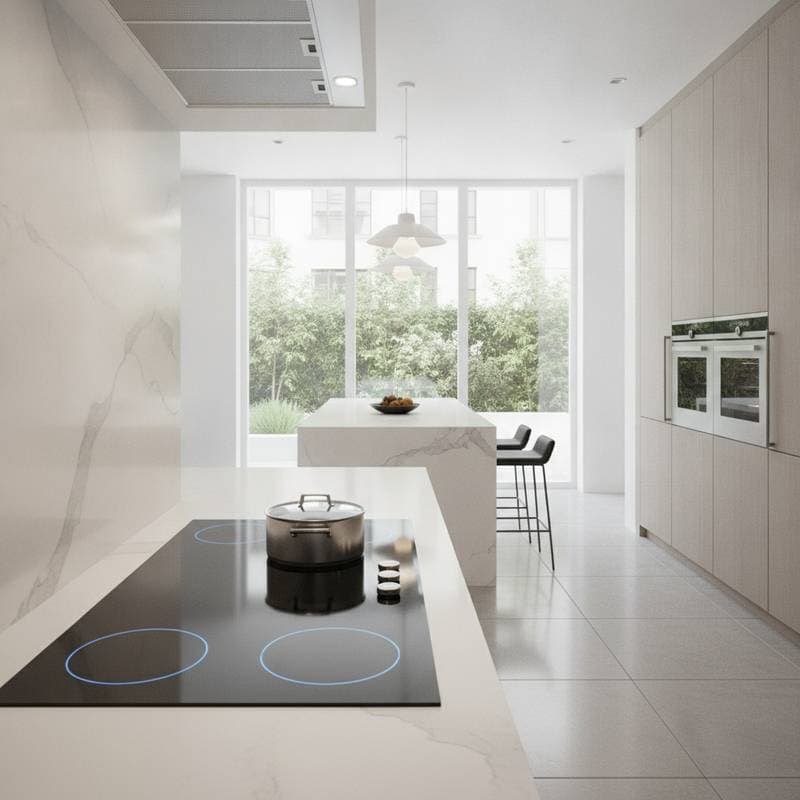
Quartz remains a leading choice because it pairs durability with consistent color options. Collections from Caesarstone, Silestone, and Cambria include built-in protection. The nonporous structure prevents liquids and residues from penetrating, which reduces bacterial harboring. Homeowners can select soft gray veining or deep graphite tones while benefiting from straightforward daily wiping with mild soap.
Quartz also supports flexible kitchen planning. Large slabs create broad work areas with fewer seams, while integrated backsplashes can reduce transitions where debris collects. Since the material is available in polished and honed appearances, it can suit traditional kitchens, contemporary spaces, and warm transitional interiors.
Copper Countertops
Copper provides natural antibacterial performance recognized for centuries. Fabricators at Rocky Mountain Hardware and Zahner Architectural Metals form custom pieces that develop a protective patina over time. The material shifts in tone from warm gold to deeper green while continuing to inhibit microbial growth on contact.
Its changing finish makes copper especially appealing in kitchens that celebrate natural variation. The surface can become a focal point beside painted cabinetry, handmade tile, or reclaimed wood. Homeowners should understand that copper scratches and changes color more readily than quartz, so its evolving character should be considered part of the design.
Stainless Steel Options
Stainless steel delivers a reflective, minimalist surface suited to both professional and residential kitchens. Its chromium layer resists corrosion and limits bacterial adhesion. Designers such as Mick De Giulio apply brushed or matte finishes that soften the industrial look and allow pairing with wood cabinetry or stone backsplashes.
Stainless steel is also practical around sinks, cooktops, and busy preparation zones. It tolerates heat well and can be wiped clean quickly. Fingerprints may show on polished finishes, so brushed textures often provide a more relaxed appearance while concealing small marks from everyday use.
Solid Surface Materials
Engineered composites such as Corian and LG HI-MACS permit seamless integration of sinks and backsplashes. Without visible joints, these surfaces eliminate common collection points for food particles. They can be sanded to remove minor scratches, which extends service life while preserving a uniform appearance in light colorways.
This adaptability benefits compact kitchens where every inch must work efficiently. Rounded edges, custom drainboards, and continuous sink basins can be shaped into the installation. Light colors also help reveal spills quickly, encouraging immediate cleaning rather than allowing residue to remain unnoticed.
Porcelain and Sintered Stone
Porcelain slabs and sintered stones such as Dekton and Neolith undergo high-pressure fusion that creates an impermeable barrier. Bacteria cannot enter the dense structure. Matte finishes reflect light softly and combine effectively with oak cabinetry or brass details for balanced texture.
These materials are useful for homeowners seeking a stone appearance without the sealing requirements associated with some natural surfaces. Their resistance to stains, heat, and moisture makes them appropriate for large islands and high-use counters. Professional installation remains important because oversized slabs require precise handling and carefully finished edges.
Glass Countertops
Tempered glass slabs from specialists like ThinkGlass offer complete transparency and stain resistance. Recycled content can be textured or backlit to create visual depth. The impervious quality supports hygiene while allowing light to pass through, which suits contemporary layouts focused on openness.
Glass can make a smaller kitchen appear brighter because it reflects surrounding finishes rather than visually closing off the island. Textured options add privacy and character, while clear slabs emphasize decorative objects, lighting, or cabinetry beneath the counter. Soft cloths and nonabrasive cleaners help maintain a clear, polished appearance.
Nanotechnology Coatings
Titanium dioxide or silver nanoparticle coatings applied to existing surfaces activate with light exposure. They break down organic residues at a microscopic level. These treatments maintain the original appearance of quartz or ceramic while decreasing the need for frequent chemical cleaners.
Before choosing a coating, homeowners should confirm its compatibility with the existing countertop and review care instructions from the manufacturer. Application quality affects performance, and some treatments may need renewal. A professional assessment can help determine whether coating an existing surface is more practical than replacement.
Design and Installation Considerations
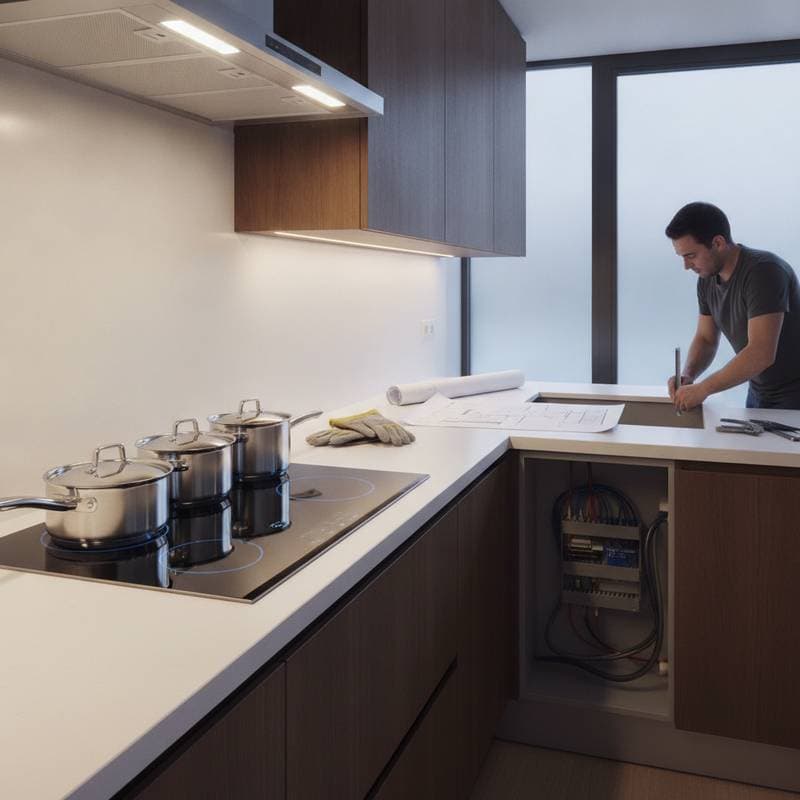
Antimicrobial performance works best when the entire counter system is planned carefully. Tight seams, properly sealed edges, and well-fitted sink cutouts reduce spaces where moisture can remain. A slightly rounded edge is also easier to wipe than a deeply carved profile with decorative grooves.
The surrounding materials matter as well. A backsplash with minimal grout, moisture-resistant cabinetry, and an accessible waste station can support cleaner routines. Islands should provide enough clearance for food preparation without forcing users to place ingredients near frequently touched appliances or handles.
Maintenance Practices
Regular cleaning with microfiber cloths and warm soapy water preserves both appearance and antimicrobial performance. Non-abrasive formulas avoid damaging protective layers. Matching counter and backsplash materials in a single slab removes grout lines and supports continuous hygiene.
Homeowners should clean spills as soon as practical, especially after handling raw proteins or acidic ingredients. Separate cutting boards can protect the counter from deep scratches and reduce direct contact with food residue. Avoiding harsh scouring powders, unapproved bleach products, and abrasive pads helps preserve finishes and manufacturer warranties.
Selecting Materials for Daily Wellness
Effective antimicrobial kitchens balance technical performance with tactile comfort and visual calm. A quartz surface in soft white alongside matte brass fixtures and oak cabinetry creates an inviting workspace that protects health through routine use. Material advances continue to support kitchens that serve both practical needs and long-term well-being.
The strongest choice depends on lifestyle, budget, maintenance preferences, and the mood of the room. Families who cook frequently may value seamless solid surfaces, while entertainers may prefer the visual drama of copper, glass, or richly veined porcelain. When hygiene, durability, and design are evaluated together, an antimicrobial countertop becomes more than a functional upgrade. It becomes a quiet foundation for a healthier and more comfortable kitchen.