Why Induction Zones Beat Gas for Kitchen Energy Savings
Picture this. You are boiling a pot of water for pasta and realize it takes forever on your gas cooktop. The flame looks strong, but the air around it feels hot too. That heat you feel is wasted energy. Now imagine an induction cooktop that brings the same pot to a boil in half the time while keeping your kitchen cooler. That is the real difference in efficiency between gas and induction cooking.
The Real Cost of Cooking
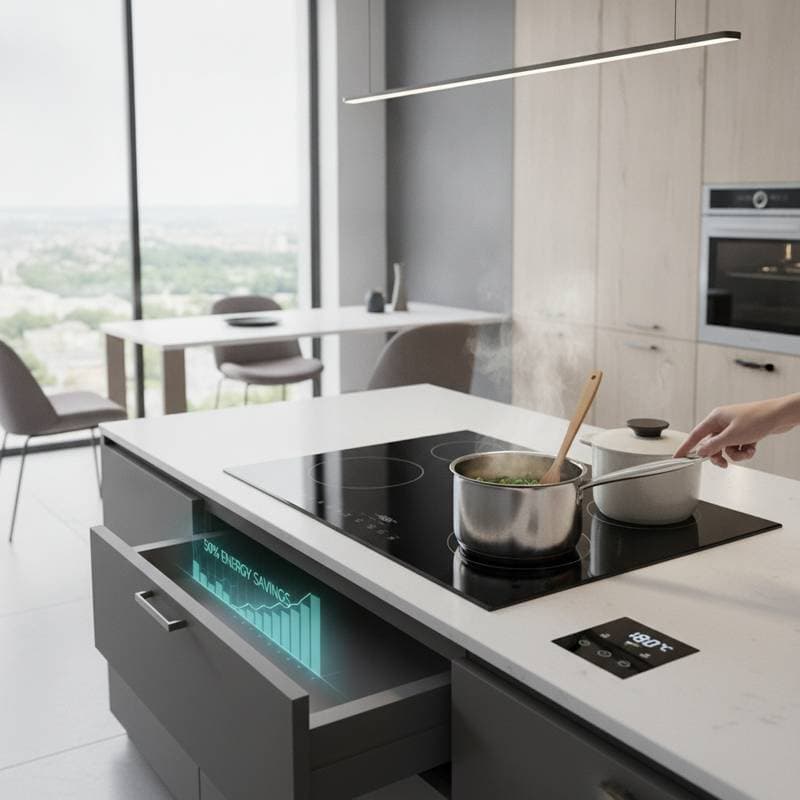
Many homeowners assume gas is cheaper because it feels instant and powerful. What often goes unnoticed is how much energy escapes into the air. A gas burner transfers only about 35 to 40 percent of its energy into the pan. The rest warms your kitchen and raises your utility bills. Induction cooking, by comparison, transfers around 80 to 90 percent directly into the cookware. The magnetic field heats the pan, not the air, which means faster results and lower energy waste.
If you cook daily, this difference adds up. An electric induction range can cut cooking energy use by nearly half compared to gas. On a yearly basis, that can save between 40 and 80 dollars on energy costs for an average household, depending on local rates.
How Induction Works
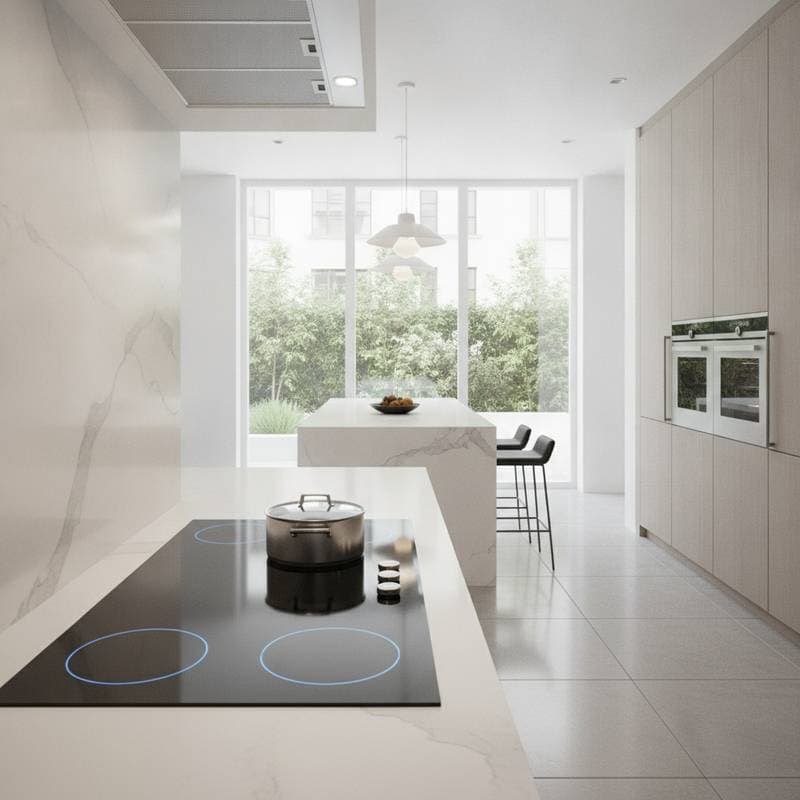
Induction cooktops use electromagnetic coils beneath a smooth glass surface. When you place a magnetic pot or pan on the zone, the field activates and excites the metal, generating heat directly in the cookware. Because the surface itself stays relatively cool, cleanup is easier and safety improves. Spills do not burn onto the surface, and the risk of accidental burns is lower.
If you are new to induction, you will need compatible cookware. Most stainless steel and cast iron pieces work fine. If a magnet sticks firmly to the bottom, it will perform well on induction.
Step-by-Step: Switching from Gas to Induction
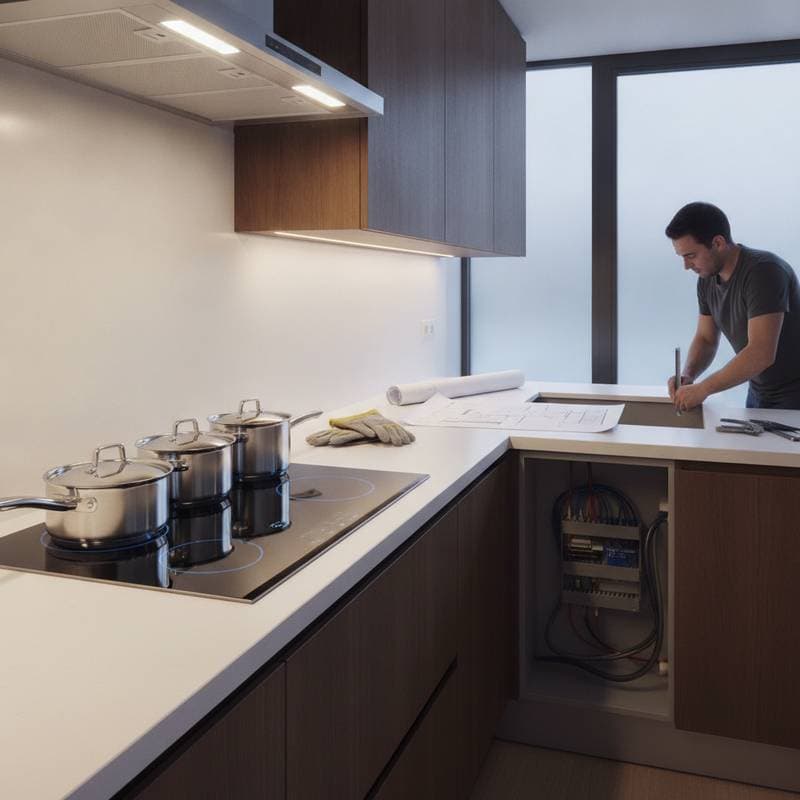
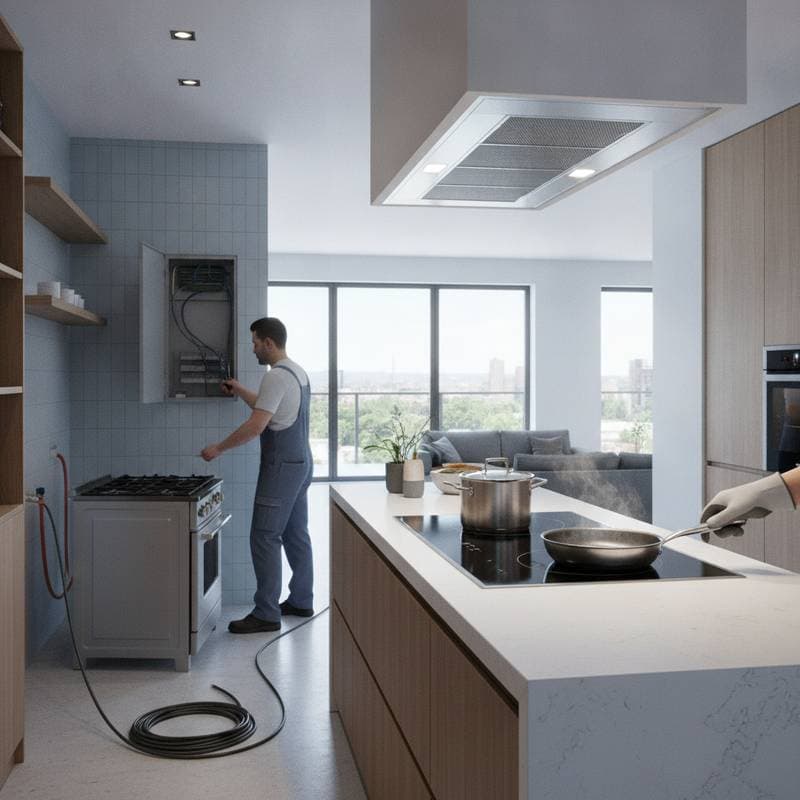
- Check your power supply. Induction ranges usually require a 240-volt connection. If your kitchen does not have one, an electrician can install it for about 150 to 300 dollars.
- Measure your space. Standard ranges are 30 inches wide, but some induction models differ slightly. Confirm cabinet clearances before purchase.
- Choose your model. Budget options start around 1,000 dollars, mid-range units run between 1,500 and 2,500 dollars, and premium models can exceed 3,000 dollars.
- Hire a professional installer. Although some homeowners handle replacements on their own, having a licensed technician ensures proper wiring and ventilation compliance.
- Test your cookware. Before your first meal, check that your pots and pans work with induction. Replace non-magnetic pieces gradually.
Practical Considerations
Induction cooking also improves indoor air quality. Gas stoves release carbon dioxide, nitrogen dioxide, and small amounts of carbon monoxide. These byproducts can raise indoor pollution levels, especially in tight kitchens without strong ventilation. Induction eliminates open flames, reducing both heat and airborne contaminants.
For households with children or pets, induction brings another safety benefit. The cooktop only heats when a compatible pan is on it, and it cools quickly after use. Many models include automatic shut-off and child lock features for added peace of mind.
Next Steps for Your Kitchen
Switching to induction improves comfort and safety in your kitchen. You will spend less time waiting for water to boil, keep your indoor air cleaner, and reduce overall energy use. Start by evaluating your electrical setup, testing your cookware, and exploring models that fit your cooking habits. Once you experience the precision and efficiency of induction, gas will likely feel outdated.