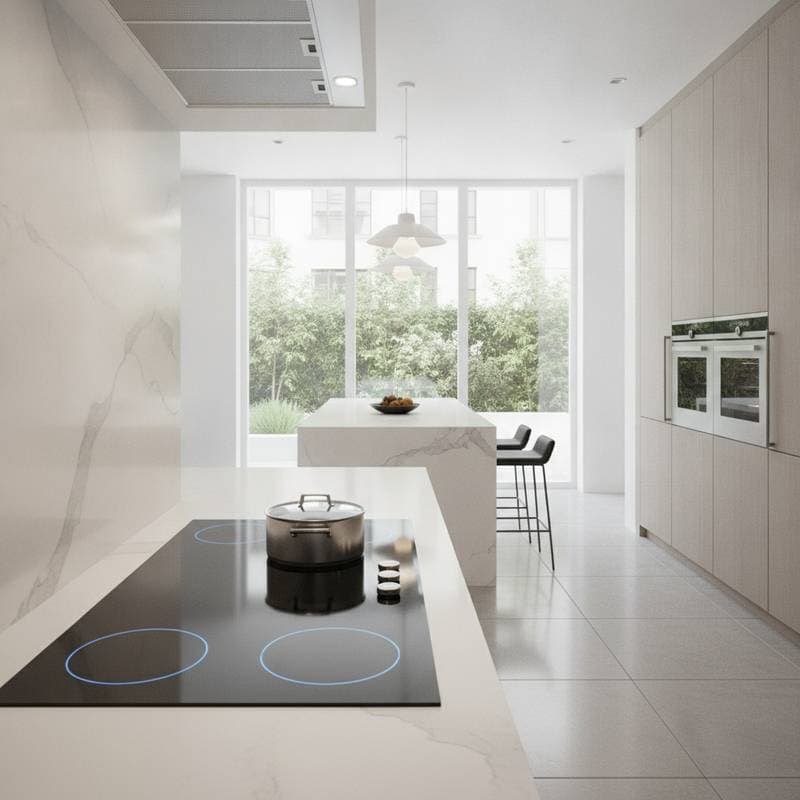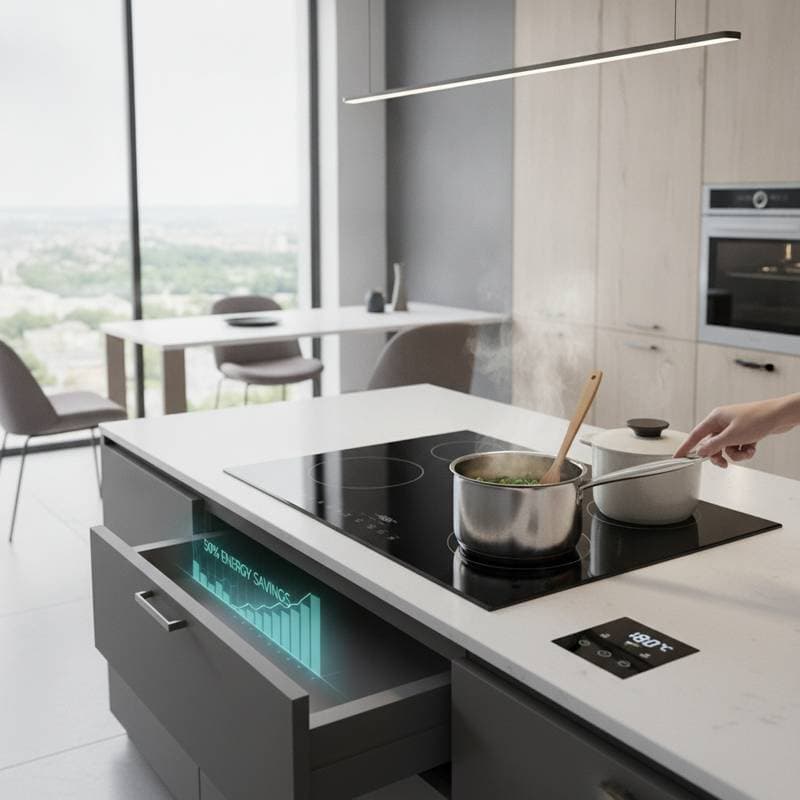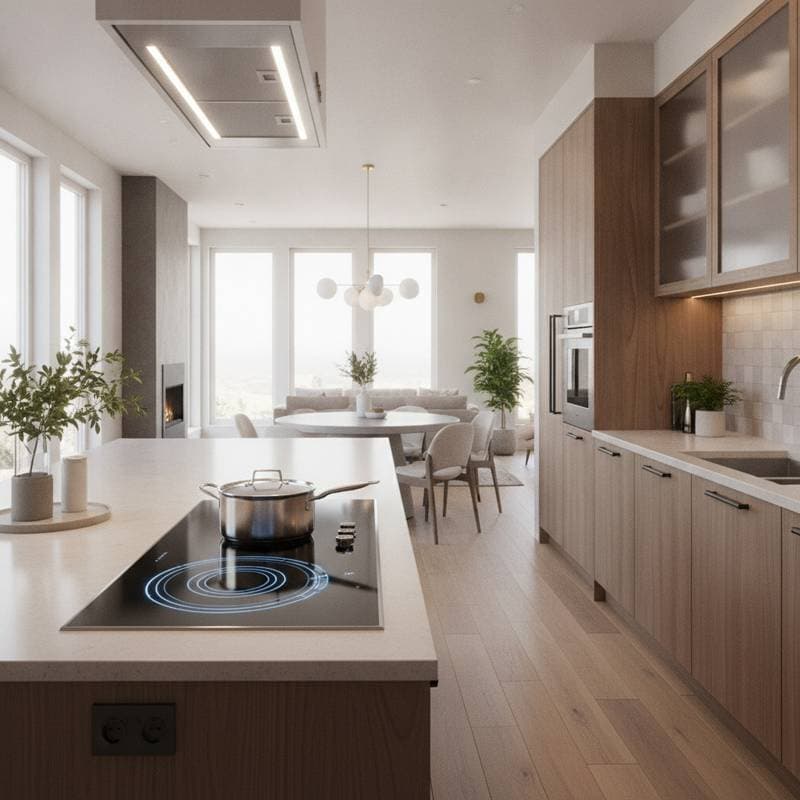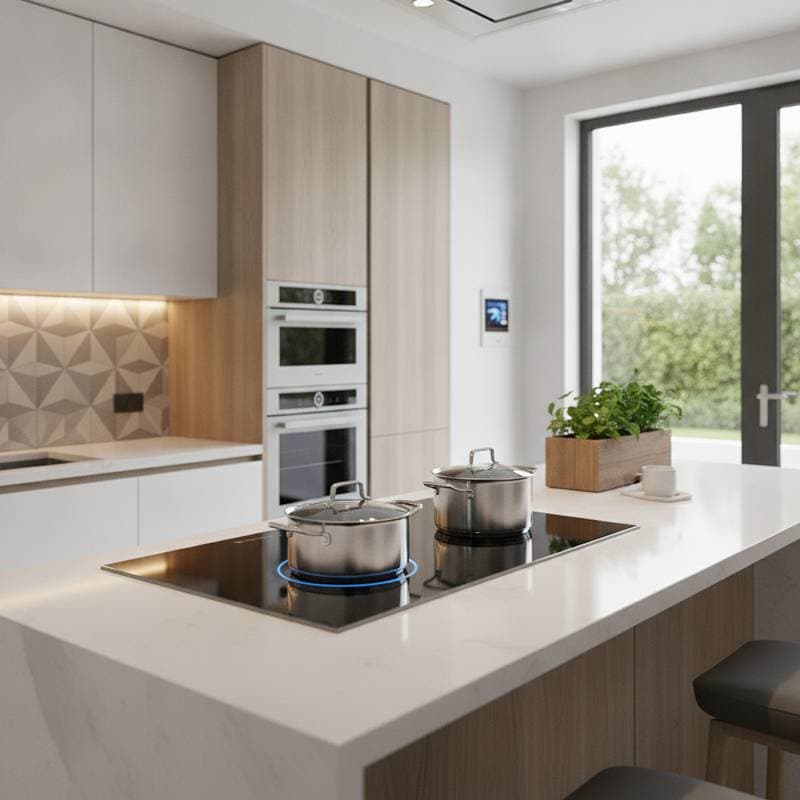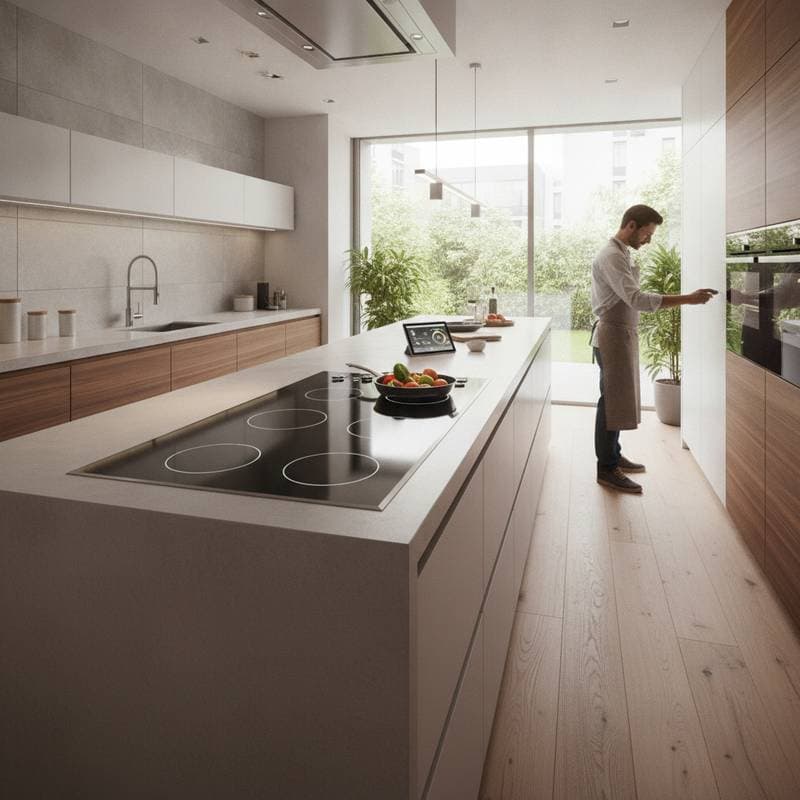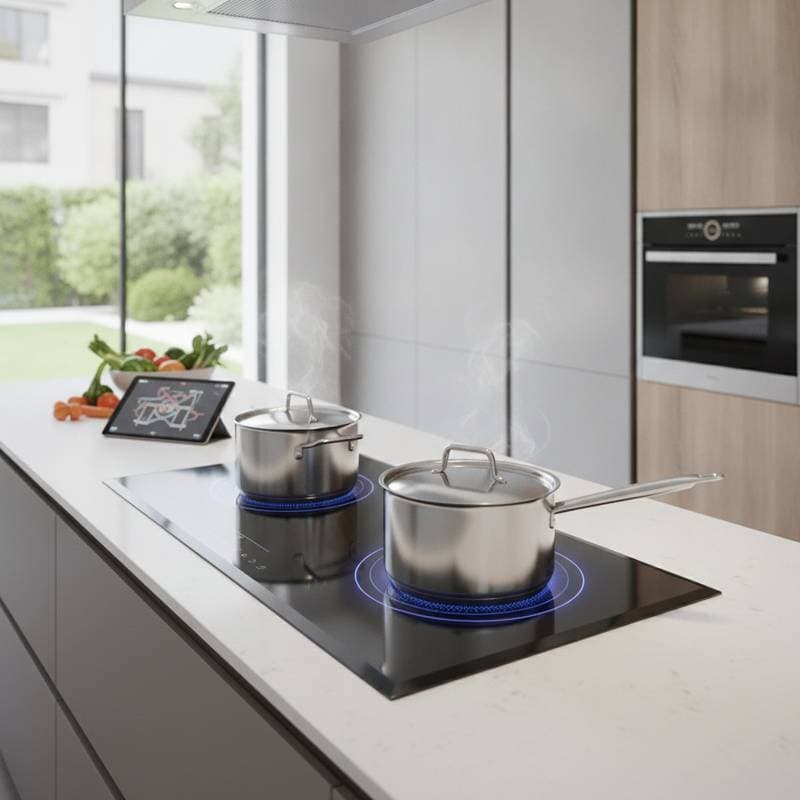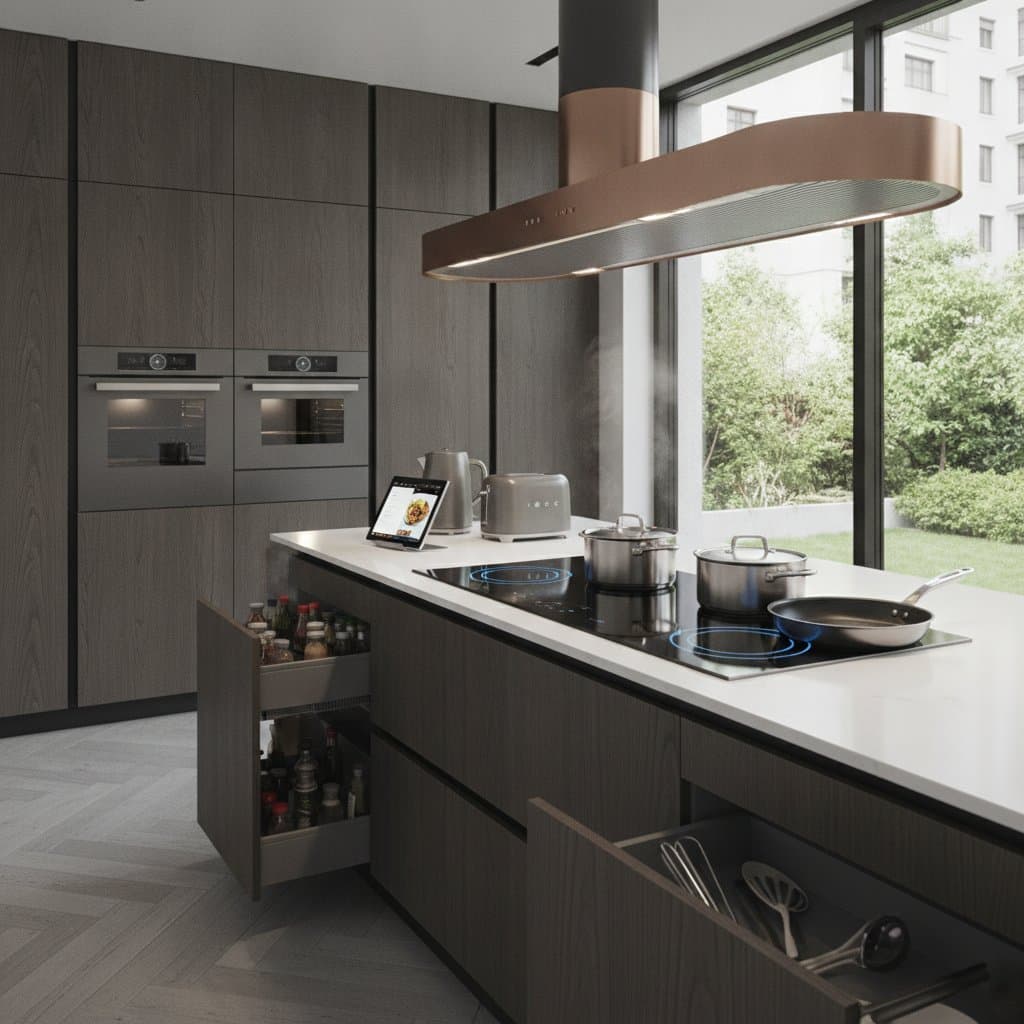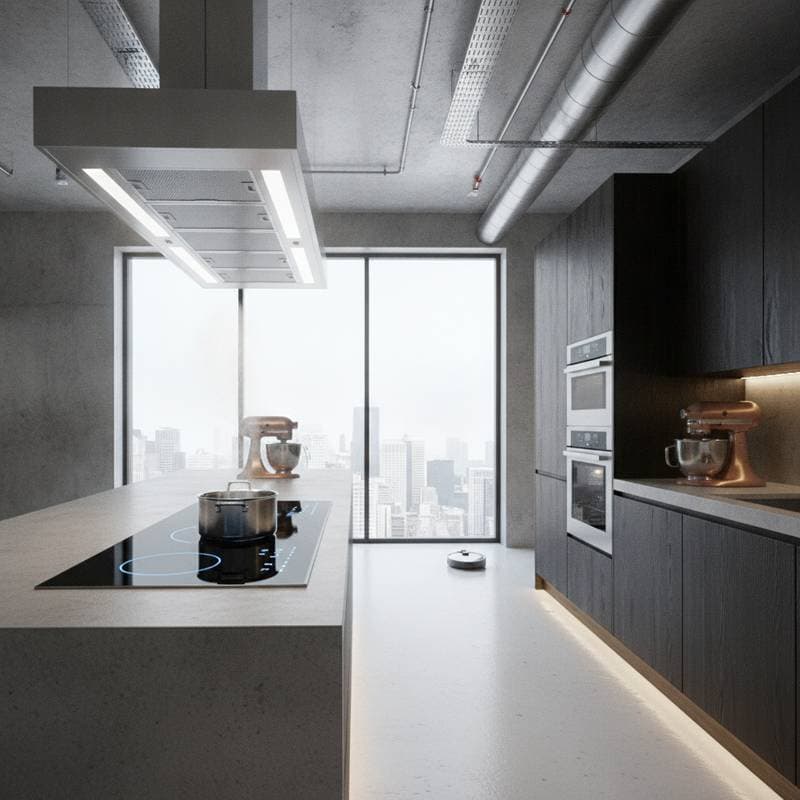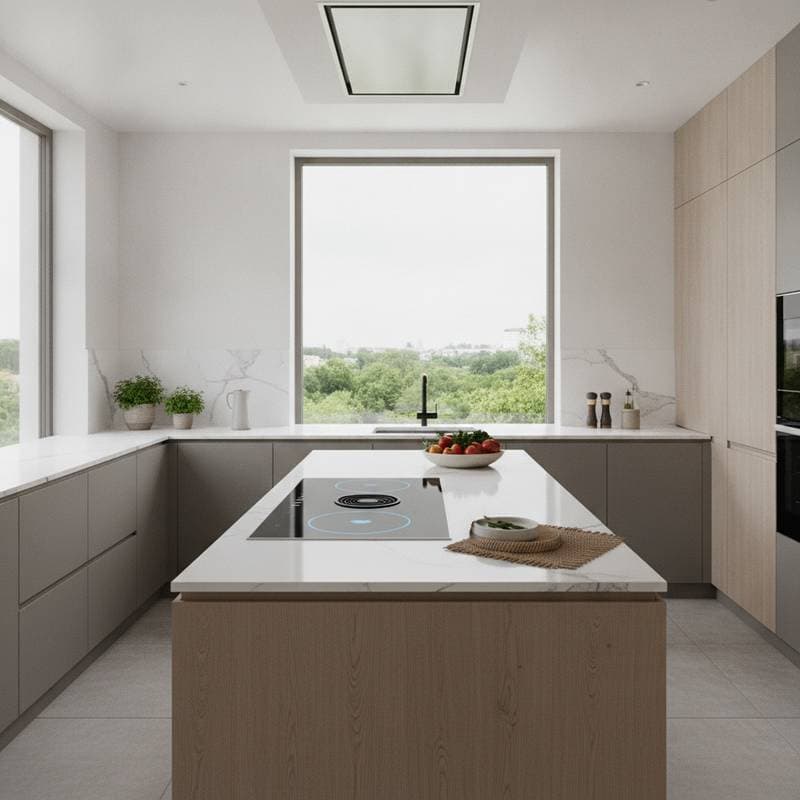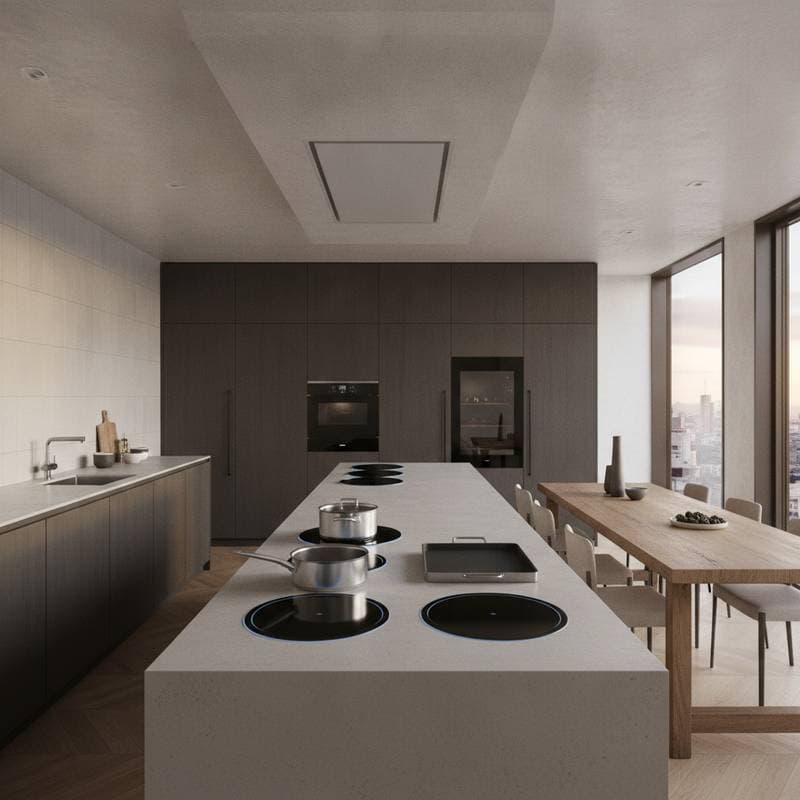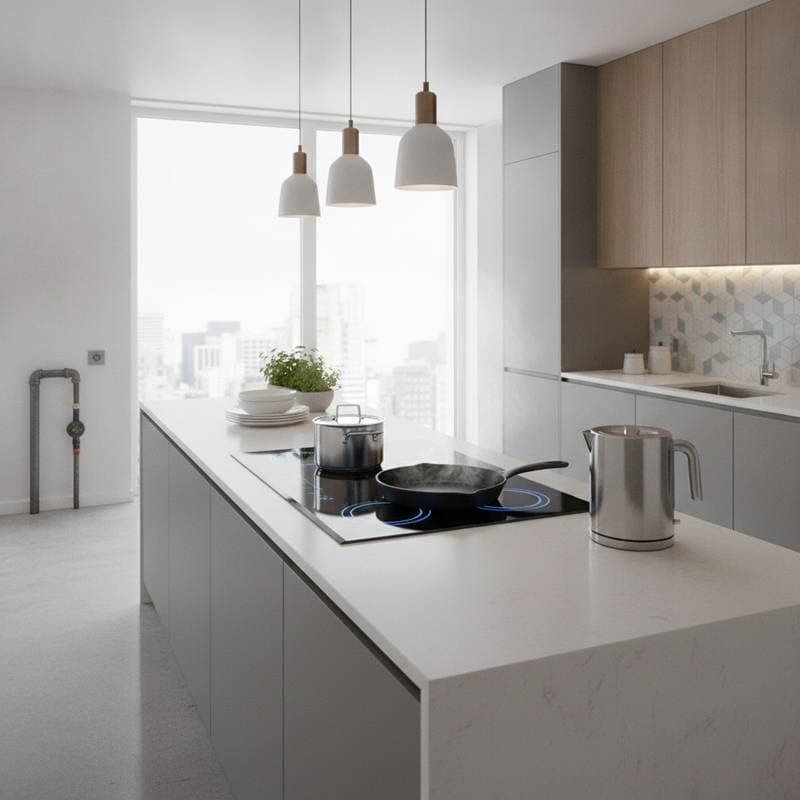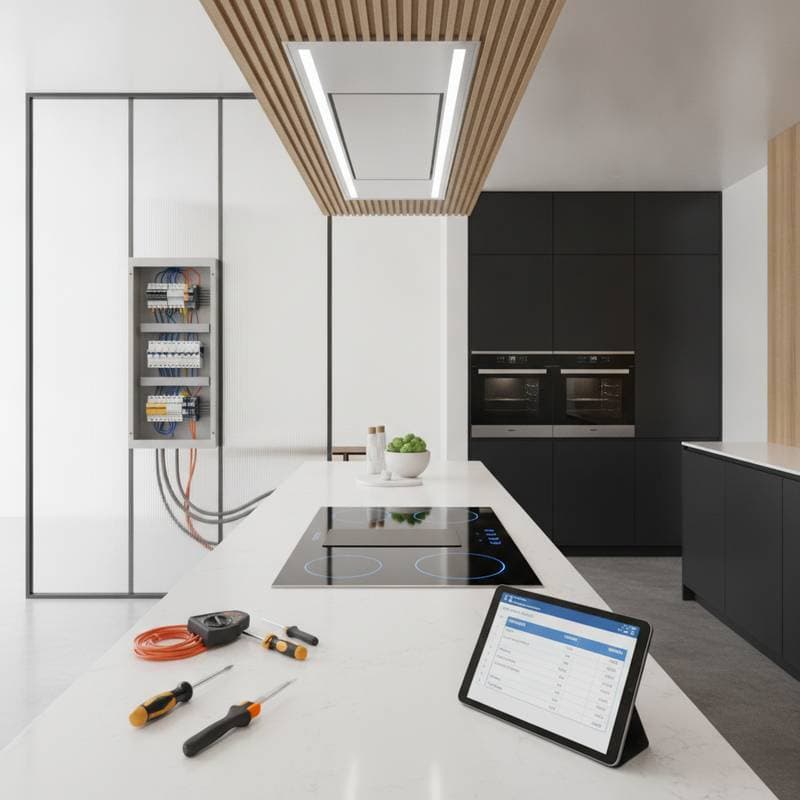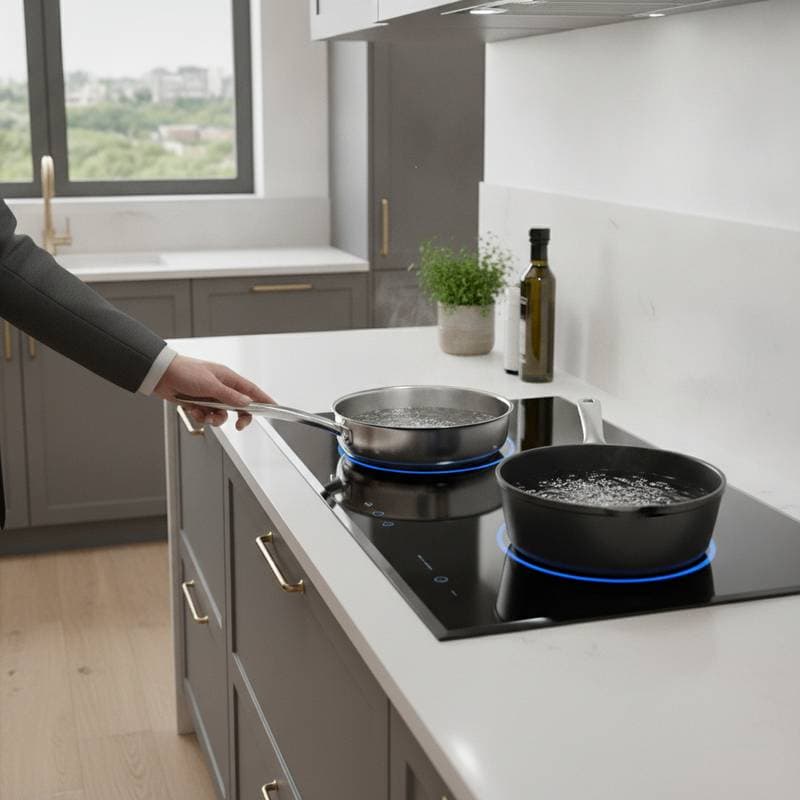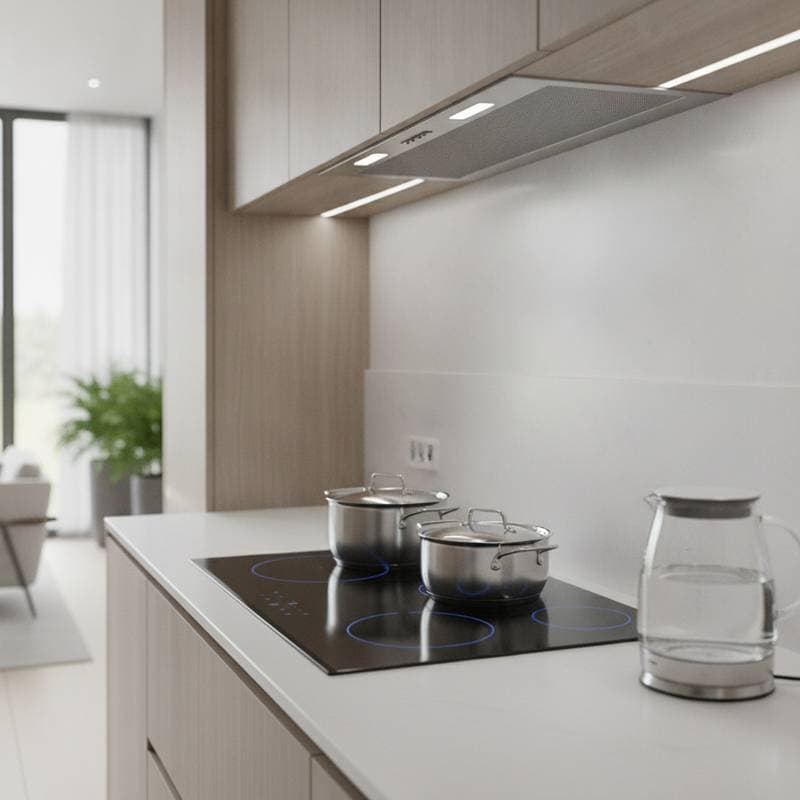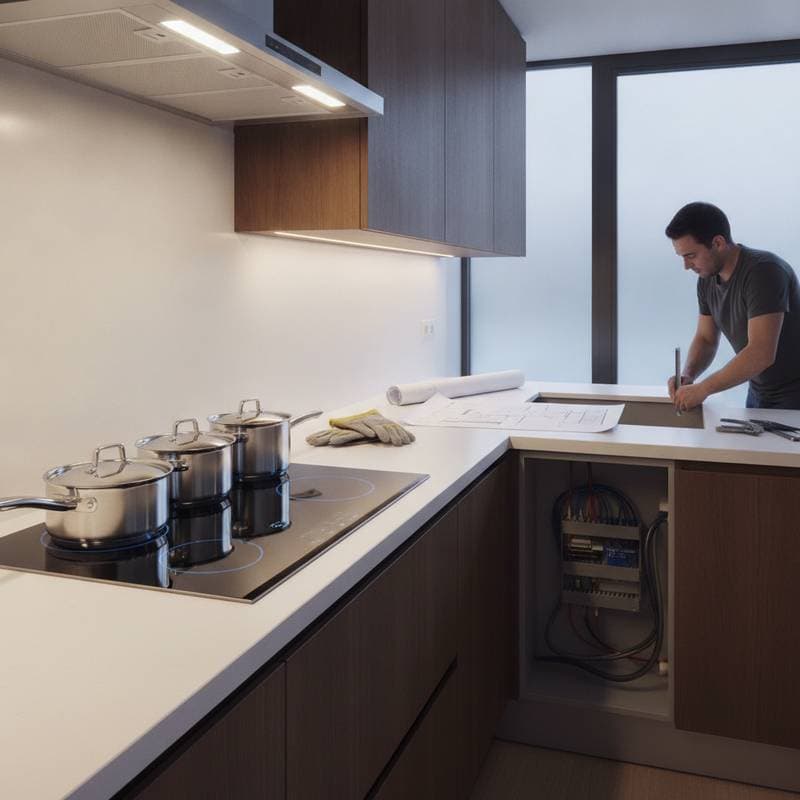
Induction zones redefine kitchen functionality through adaptable cooking surfaces, instant heat, and enhanced safety. These systems integrate effortlessly into any space, promoting efficiency and sustainability while accommodating diverse budgets and user preferences.
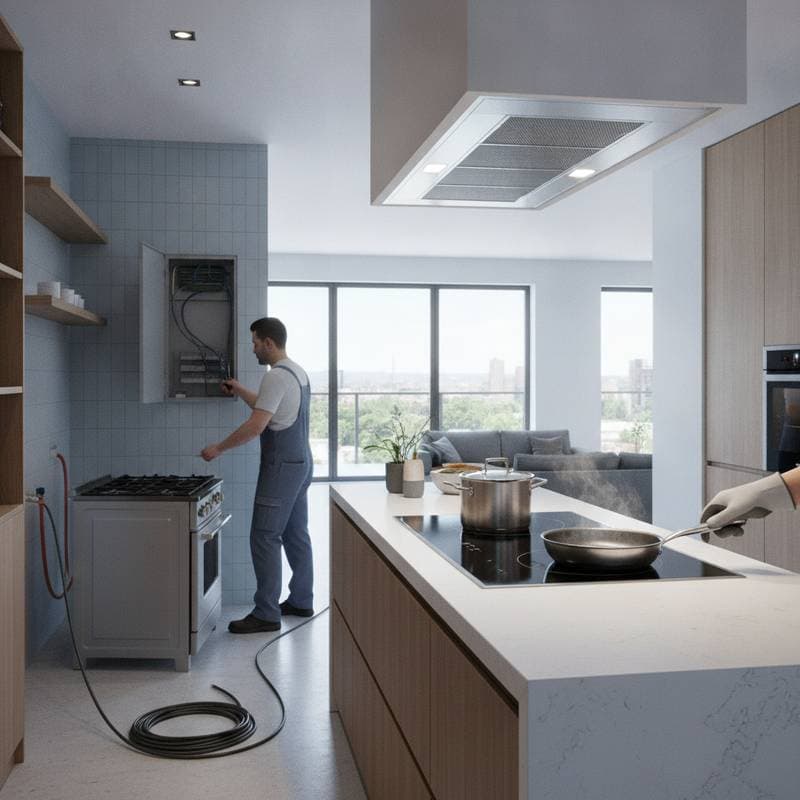
New energy regulations accelerate the shift away from gas stoves toward induction cooking, which delivers rapid heating, exact temperature control, and better indoor air quality. Homeowners might need to invest in electrical updates and compatible pots, yet these changes position kitchens for long-term savings and sustainability. This guide details the transition process, cost comparisons, and strategies to prepare for an electric cooking future.
Elevate your kitchen by transitioning from gas to induction cooking, where invisible heat delivers precision, sustainability, and elegant design. Enjoy cleaner air, rapid heating, and a surface that enhances both functionality and aesthetics. Induction redefines daily cooking with speed, safety, and thoughtful integration into contemporary homes.
With gas stove restrictions approaching, induction cooking stands out as a fast, precise, and eco-friendly upgrade. It delivers superior control, healthier air, and sleek integration into modern kitchens, making it ideal for sustainable living.
As the 2026 ban on gas stoves draws near, proactive homeowners can transition to induction cooking with confidence. This guide details the retrofit process, estimated expenses, essential safety measures, and the advantages of precise, efficient, and eco-friendly performance to help you navigate the change without disruption.
With gas stove bans expanding by 2026, induction cooking provides a cleaner, more efficient alternative that enhances kitchen safety and sustainability.
Induction cooking zones elevate modern kitchens by delivering rapid heating, exact temperature control, and elegant integration. These systems employ electromagnetic fields to heat pots and pans directly, enhancing efficiency, safety, and hygiene while minimizing energy expenses. After experiencing their superior functionality and ease, most users find conventional gas or electric stoves fall short of this advanced cooking solution.
Gas bans across various regions compel homeowners to reconsider kitchen appliances, with induction cooktops emerging as a compelling alternative. These stoves provide superior energy efficiency, enhanced safety features, and versatile design options. Homeowners must address electrical modifications, select appropriate cookware, and plan ahead to navigate this transition effectively. Induction cooking not only meets regulatory demands but also delivers improved indoor air quality, exact temperature management, and elegant visual appeal, elevating kitchens to innovative, high-performing environments.
Induction zones revolutionize cooking with electromagnetic precision, superior safety, and energy efficiency that surpasses gas stoves. These versatile systems offer clean operation, stylish integration, and options for every budget, making them ideal for eco-conscious home upgrades.
Induction cooktops revolutionize kitchen efficiency by heating cookware directly with electromagnetic energy. They provide quick boiling, exact temperature management, and a cool surface for safer cooking. Options range from portable burners to integrated systems, promoting energy savings and stylish all-electric homes.
Induction zones surpass gas cooktops in efficiency, safety, and precision by directly heating cookware, eliminating emissions and energy waste. Despite potential electrical upgrades, the benefits of improved air quality, rapid performance, and reduced costs position induction as a wise investment for contemporary kitchens.
Kitchen remodels increasingly favor induction over gas stoves for enhanced safety, rapid performance, and energy savings. Induction cooking avoids ventilation needs, fire dangers, and heat loss, providing exact temperature regulation and straightforward maintenance. These features, combined with reduced expenses, purer air, and adaptable aesthetics, redefine kitchens as secure and intelligent environments.
Switching from gas to induction cooktops enhances efficiency and safety, but rewiring costs vary. This guide details expenses from $300 to $4,000, budget strategies, product recommendations, and steps for a successful upgrade.
Gas bans prompt a shift to induction cooktops, which provide rapid, precise heating and superior safety while maintaining top-tier culinary results in restricted environments.
Transitioning from gas to induction cooking delivers faster preparation times, reduced energy consumption, and improved air quality. This comprehensive guide details the mechanics of induction, installation considerations, associated costs, and the advantages for safety and sustainability. Discover how this upgrade enhances your home while minimizing environmental impact.
Homeowners increasingly opt for induction cooking over gas stoves due to its rapid heating, exact temperature management, and reduced emissions. This guide details the transition process, associated expenses, and long-term advantages for an efficient, eco-friendly cooking environment.
With gas bans arriving in 2026, induction cooking emerges as the efficient, stylish alternative to traditional gas ranges. This technology delivers precise control, reduced energy use, and seamless integration into contemporary kitchens, while cutting emissions and simplifying maintenance.
Contemplating a $3,000 induction cooktop for your kitchen? This in-depth review covers induction basics, premium pricing factors, setup requirements, efficiency gains, and overall value to guide your decision on speed, safety, and precision cooking.
Induction cooktops revolutionize modern kitchens through exact temperature control, enhanced safety, and minimalist aesthetics. Their efficient operation, lack of emissions, and easy upkeep position them as the preferred option for sustainable, high-performance cooking in homes and professional settings alike.
Consider switching from gas to induction cooking? This guide explains the reasons behind the trend, details induction technology, and outlines necessary kitchen upgrades. Discover associated costs, energy efficiencies, safety advantages, and straightforward steps for a seamless retrofit to achieve faster, cleaner, and more precise cooking.