Why Induction Cooking Beats Gas in 2026 Kitchens
Induction cooking has emerged as the leading choice for modern kitchens due to its speed, precision, and efficiency. This technology outperforms gas in energy use, safety, and air quality while supporting diverse design styles and budgets. Homeowners seeking upgrades find that induction delivers consistent results with lower operating costs.
How Induction Technology Works
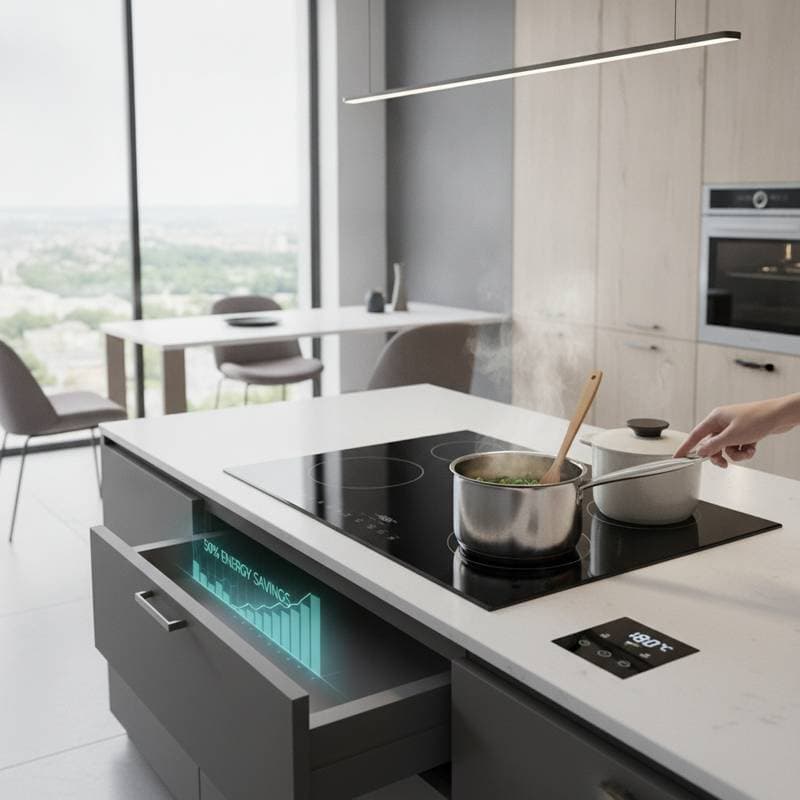
Induction cooktops generate electromagnetic fields that heat cookware directly. This method transfers energy straight to the pan rather than warming the surrounding air or surface. As a result, water boils faster and temperature adjustments occur without delay.
The process maintains a cooler kitchen environment because minimal heat escapes into the room. Users notice immediate changes in cooking times and energy consumption when switching from gas.
Energy Efficiency Advantages
Induction transfers 85 to 90 percent of energy to cookware, compared to roughly 40 percent for gas. This efficiency reduces monthly utility expenses and supports lower overall consumption. Portable single-burner units start under 150 dollars, while built-in models range from 300 to 800 dollars for standard installations.
Higher-end ranges with advanced features cost 1000 dollars and above. Each tier provides measurable savings that offset initial purchases within the first year of regular use.
Improvements to Indoor Air Quality
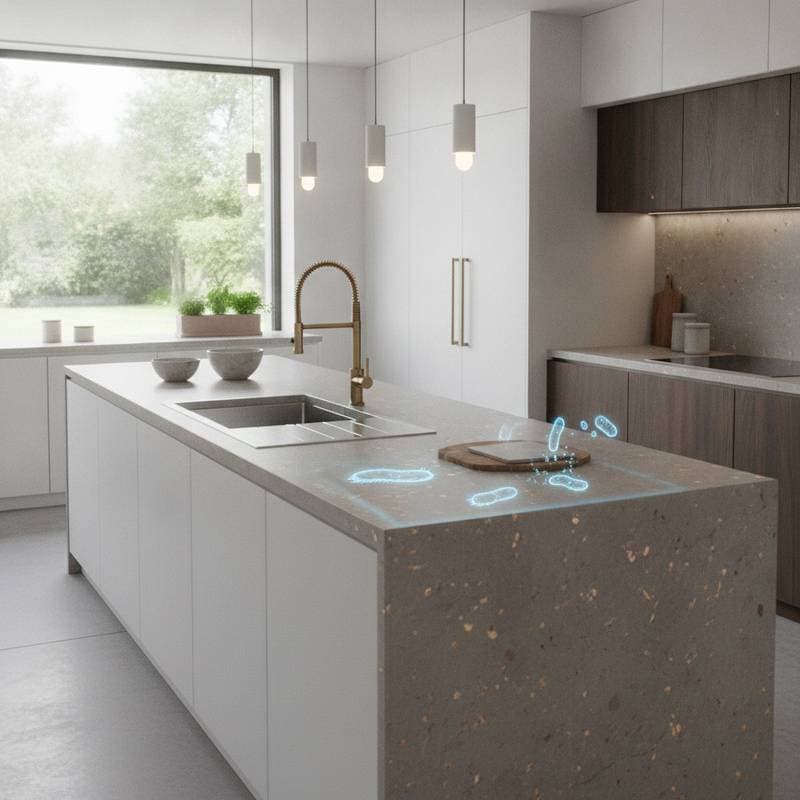
Gas burners release nitrogen dioxide and carbon monoxide during operation. These compounds affect respiratory health, especially in enclosed or open-plan spaces. Induction produces no combustion byproducts, leaving only cooking aromas in the air.
Households with children or pets benefit from the absence of open flames and reduced heat output. The cooktop surface stays cool outside the pan contact area.
Precision and Control in Daily Use
Induction responds instantly to setting changes, allowing exact temperatures for delicate tasks. Chocolate melts evenly without a double boiler, and sauces simmer without scorching. Pasta water reaches a boil in half the time required by gas.
This responsiveness suits both experienced cooks and those preparing quick meals. Consistent heat distribution prevents hot spots that lead to uneven results.
Design Integration Options
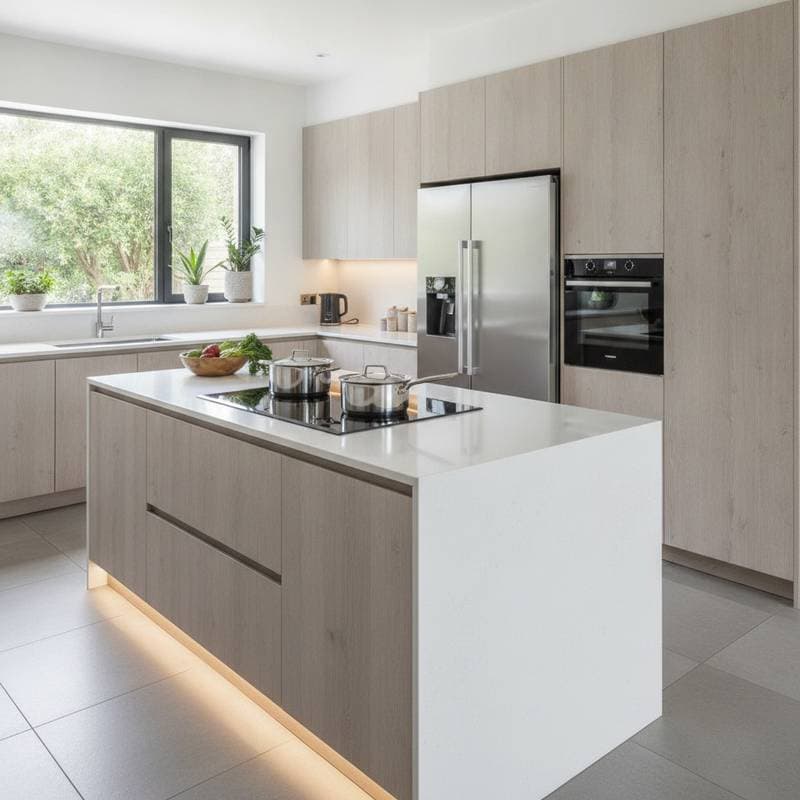
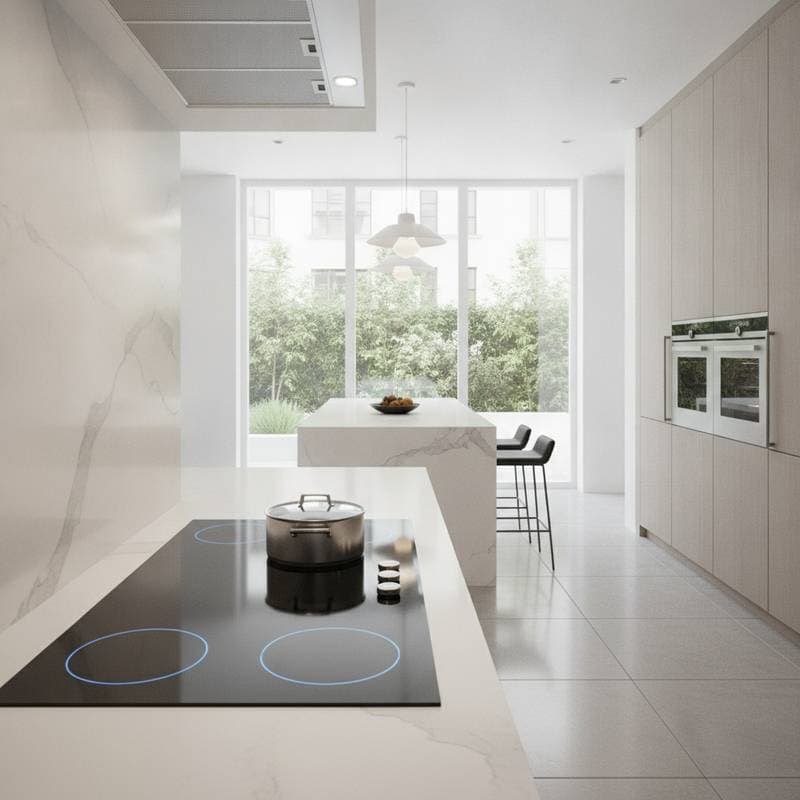
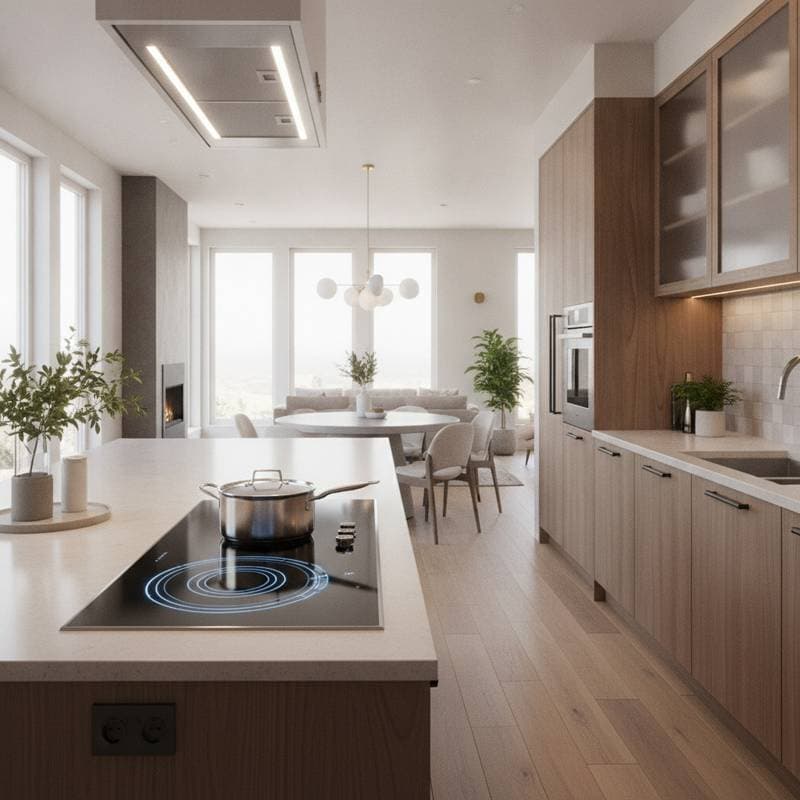
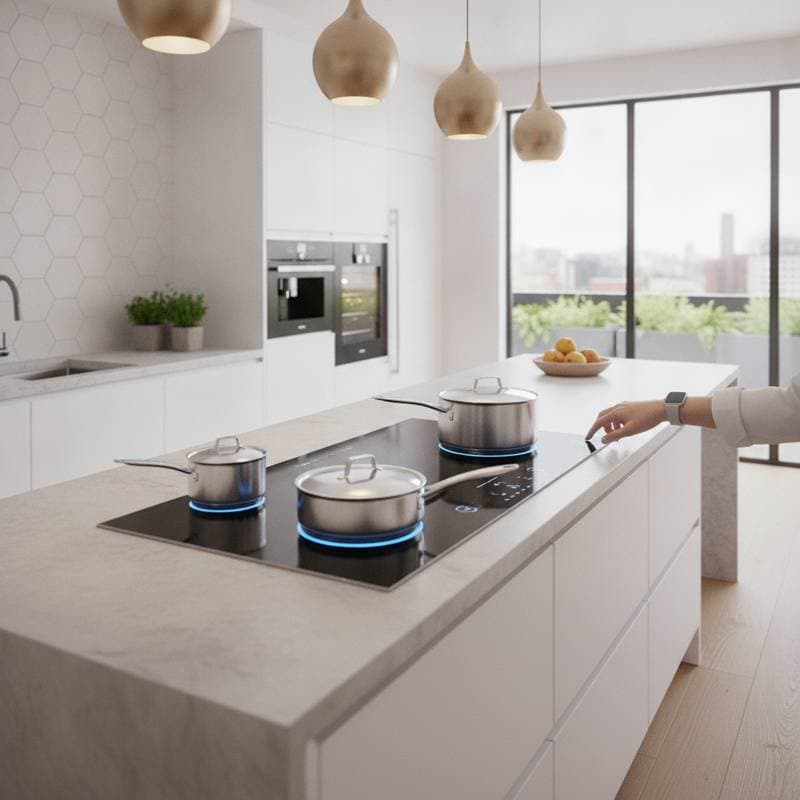
Flat induction surfaces install flush with countertops for seamless appearances. They complement minimalist, classic, or contemporary layouts without bulky grates. Portable units store easily when not in use, while permanent models offer touch controls and timers.
Luxury versions include smart connectivity for guided recipes and custom finishes. All configurations wipe clean quickly since spills do not bake onto the glass.
Built-In Safety Features
Automatic shutoff activates when pans are removed, preventing unattended operation. No open flame reduces risks from splatters or clothing contact. These elements provide added security for multi-generational homes.
Budget-Conscious Implementation Steps
- Select a portable burner under 150 dollars for initial testing in any kitchen.
- Choose a two- or four-burner cooktop between 300 and 800 dollars for built-in upgrades.
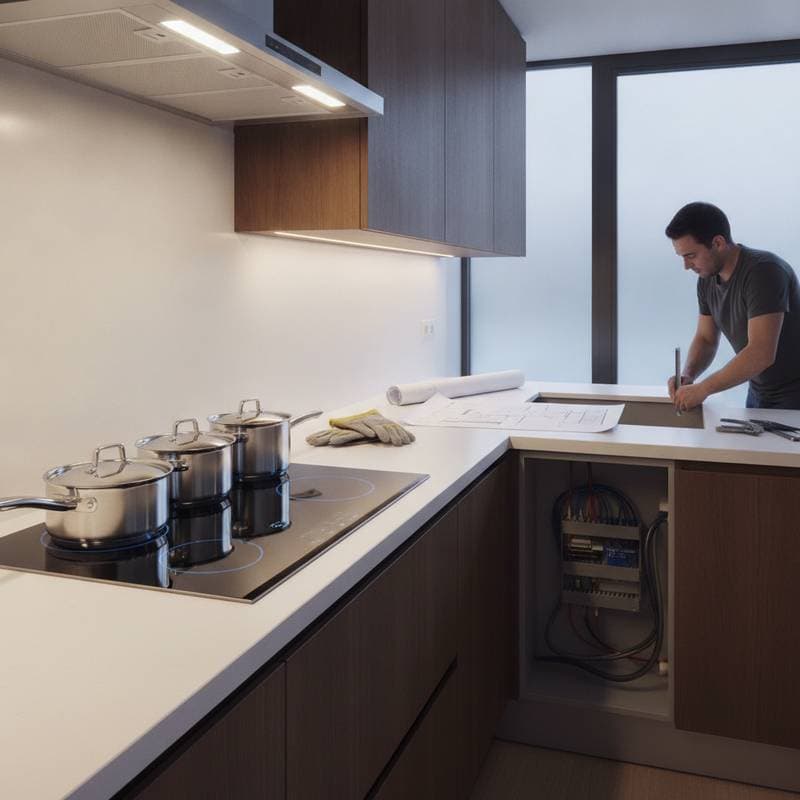
- Invest in full ranges above 1000 dollars for complete remodels with integrated ventilation.
Each level maintains performance while lowering long-term energy demands.
Sustainable Performance Outcomes
Induction pairs effectively with renewable electricity sources to minimize carbon impact. It eliminates reliance on fossil fuels and associated leaks. Homeowners achieve professional results alongside reduced environmental footprint through this single appliance change.