Why Induction Cooktops Are Replacing Gas in Modern Kitchens
Gas cooking has been a kitchen standard for generations, yet many homeowners now choose induction zones instead. The shift stems from measurable improvements in safety, energy use, and daily performance rather than trends alone. Understanding how induction works helps homeowners evaluate whether the upgrade fits their kitchen and lifestyle.
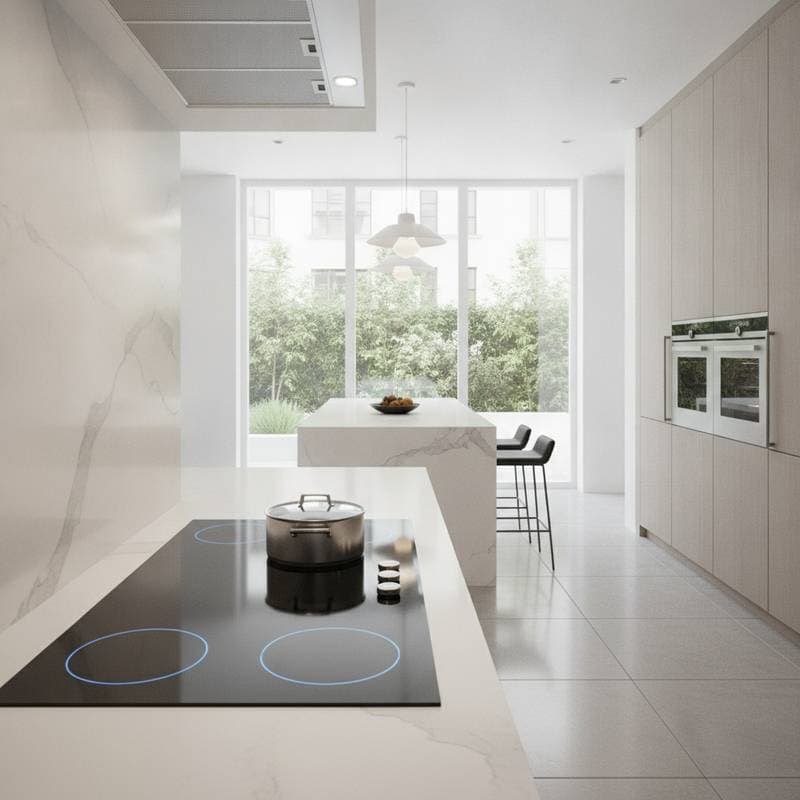
Induction cooktops create heat directly in compatible cookware through magnetic fields coils beneath a glass surface. The cooktop itself stays relatively cool, and heat stops the moment the pan is removed. This direct energy transfer differs from gas burners that heat air around the flame before reaching the pan.
How Induction Technology Works
Induction requires cookware with magnetic properties. Cast iron and many stainless steel pans work effectively, while aluminum, copper, and glass pans typically need an induction-compatible base. A simple magnet test on the pan bottom reveals compatibility. If the magnet adheres firmly, the cookware will likely perform well on an induction surface.
The technology responds instantly to setting changes. Low settings maintain precise temperatures for delicate tasks like melting chocolate or simmering sauces. Heat distributes evenly across the pan base, reducing hot spots that can burn food during longer cooking sessions.
Safety Advantages Over Gas
Open flames create fire hazards when grease, towels, or clothing contact the burner. Gas systems also require proper ventilation, shutoff valves, and combustion air supply. Induction eliminates these flame-related risks and removes combustion gases from the kitchen environment.
Modern induction units include safety features such as pan detection, automatic shutoff, child locks, and residual heat indicators. These systems help prevent accidents, though they require proper use and supervision. Hot cookware still presents burn risks regardless of the heat source.
Indoor Air Quality Considerations
Gas cooking releases nitrogen dioxide and carbon monoxide as combustion byproducts. Many homes lack adequate ventilation to remove these gases effectively. Induction cooking produces no combustion emissions, though cooking still generates grease, moisture, and particles that require proper ventilation.
Effective range hoods should capture the entire cooking surface and vent outdoors when possible. Regular filter maintenance ensures continued performance. Local codes may require makeup air systems for powerful exhaust fans to maintain proper kitchen pressure.
Electrical Requirements and Planning
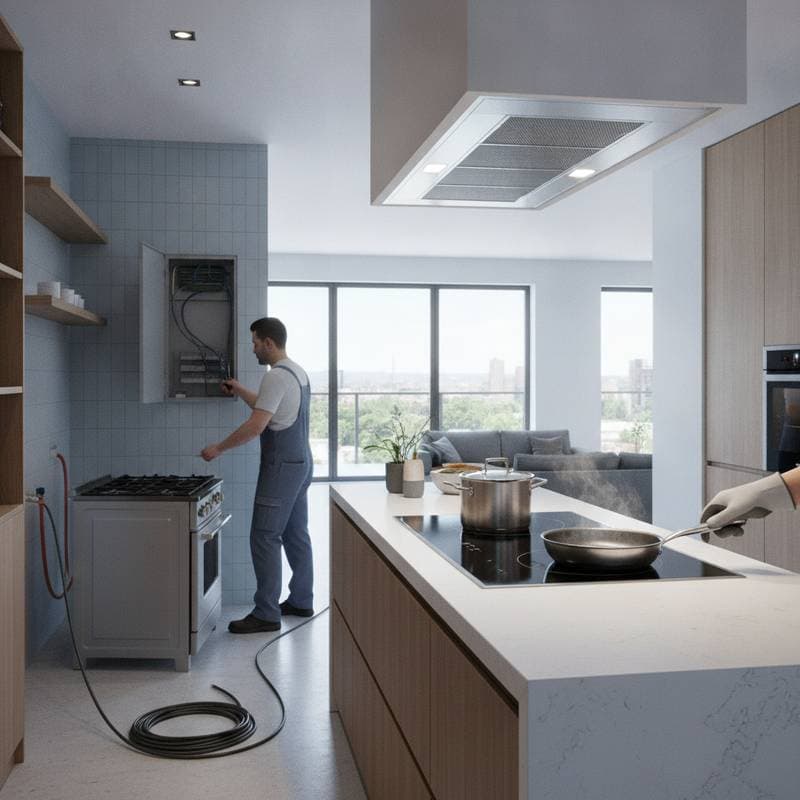
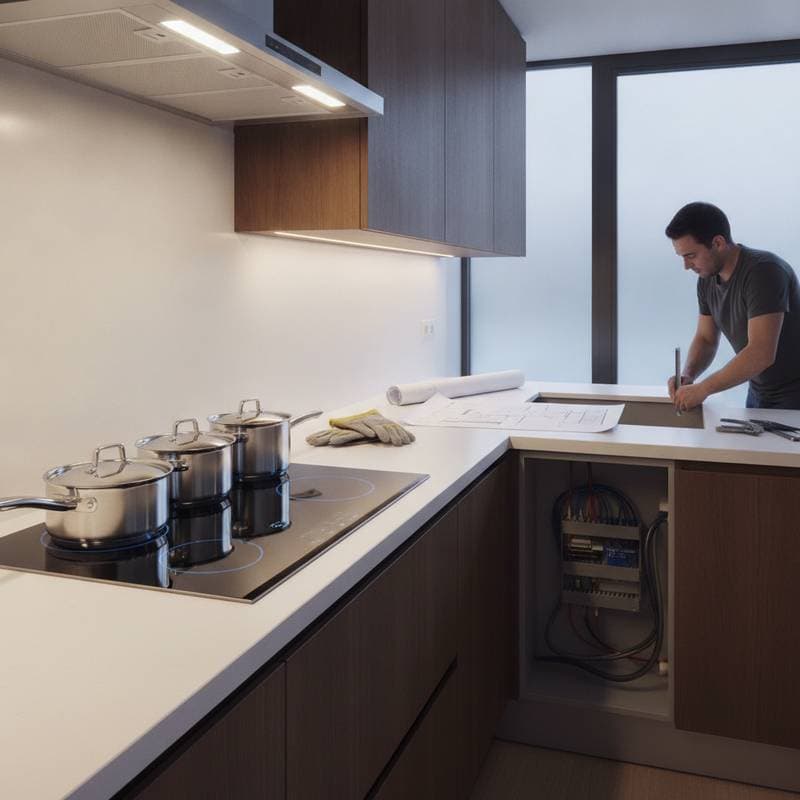
Induction cooktops typically require dedicated high-capacity circuits that exceed standard gas range connections. Before purchasing equipment, consult a licensed electrician to evaluate service capacity, available breaker spaces, and wiring paths to the kitchen.
The assessment should cover circuit sizing, conductor requirements, grounding methods, and local permit needs. Panel upgrades may be necessary if existing service cannot support the new load. These electrical considerations affect project costs and timelines significantly.
Countertop and Cabinet Integration
Induction cooktops install into precise countertop openings that must match manufacturer specifications. Stone surfaces require accurate cutting and adequate support around the opening. Different cutout dimensions may necessitate countertop repairs or modifications.
Cabinet clearances below the cooktop accommodate airflow and electrical components. Some units require specific drawer exclusions or ventilation space. Measure all dimensions before ordering to ensure proper fit and avoid delivery complications.
Cost Analysis and Value Assessment
Induction appliances generally cost more than basic gas or electric models. Total project expenses include the unit, electrical work, permits, countertop modifications, and potential ventilation upgrades. Separate each cost component for accurate budgeting.
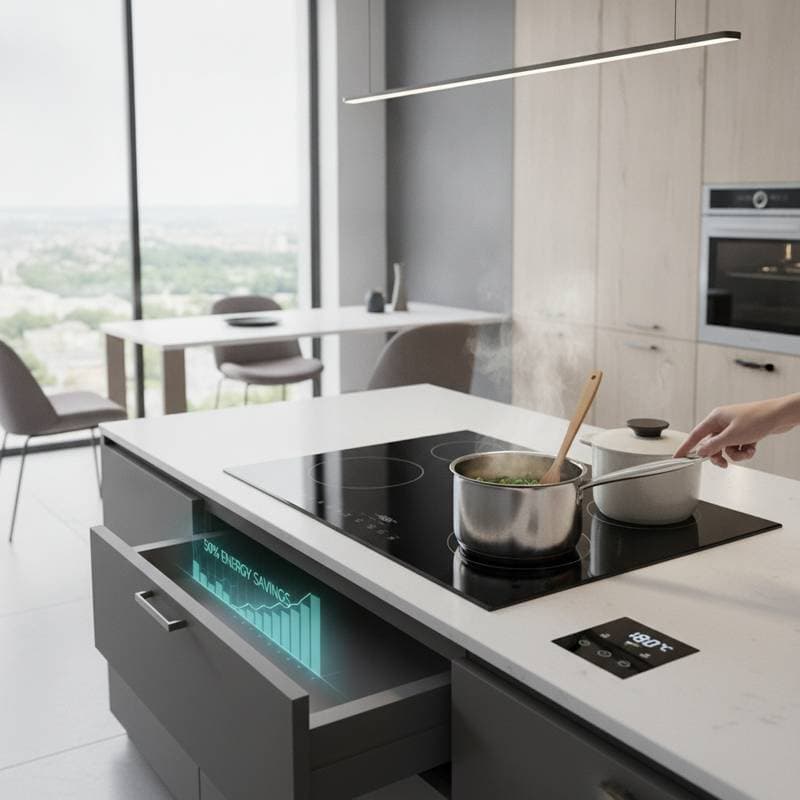
Energy efficiency improves because heat transfers directly into cookware rather than escaping around burners. Actual savings depend on utility rates, cooking frequency, and whether electrical upgrades are required. Many homeowners value improved control, easier cleaning, and reduced indoor emissions more than utility cost reductions.
Maintenance and Cleaning Practices
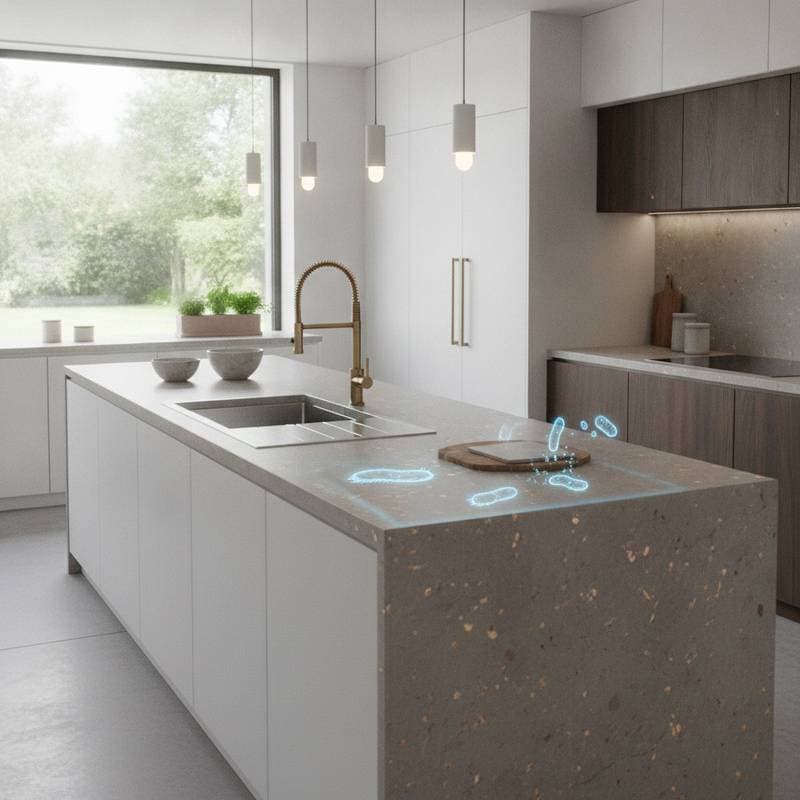
Glass surfaces wipe clean more easily than burner grates and drip pans. Clean spills after surfaces cool using manufacturer-approved scrapers. Avoid abrasive pads that can scratch the finish.
Lift heavy cookware rather than sliding it across the surface. Cast iron pans can cause scratches if dragged. Sugar-based spills need immediate attention because they can bond permanently to hot glass surfaces.
Keep ventilation openings clear and avoid storing items beneath the cooktop that restrict airflow. Error codes, unexpected cycling, or uneven heating indicate the need for professional inspection of both the appliance and electrical connections.
Installation Best Practices
Successful projects require clear communication between contractors and homeowners. Contractors should identify permit requirements, verify site conditions, and provide written scope documentation. Homeowners should disclose electrical history and share appliance specifications before equipment purchase.
Written agreements should specify appliance models, electrical work details, countertop expectations, permit responsibilities, warranty coverage, and procedures for handling concealed conditions. Change orders require written documentation of scope, cost, and timeline impacts.
Verify contractor licensing and insurance coverage through local authorities. Professional installations include proper measurements, surface protection, correct cable routing, and testing of all zones and controls.
Making the Transition Successfully
Evaluate cooking habits, existing cookware, electrical service capacity, ventilation needs, and budget before committing to induction. Work with installers who explain technical requirements clearly and document all project phases.
Plan for permit processes and potential concealed conditions discovered during installation. Treat electrical safety as essential rather than optional. When properly planned and installed, induction provides responsive control, simplified cleaning, reduced indoor emissions, and enhanced kitchen safety compared to gas cooking systems.