Gas Bans Drive Switch to Induction Cooktops
Gas bans are prompting a shift to induction cooktops, offering cleaner air, rapid heating, and long-term home value through efficient, regulation-compliant upgrades.
Loading...
Create your dream kitchen with design inspiration, layouts, and renovation guides
Gas bans are prompting a shift to induction cooktops, offering cleaner air, rapid heating, and long-term home value through efficient, regulation-compliant upgrades.
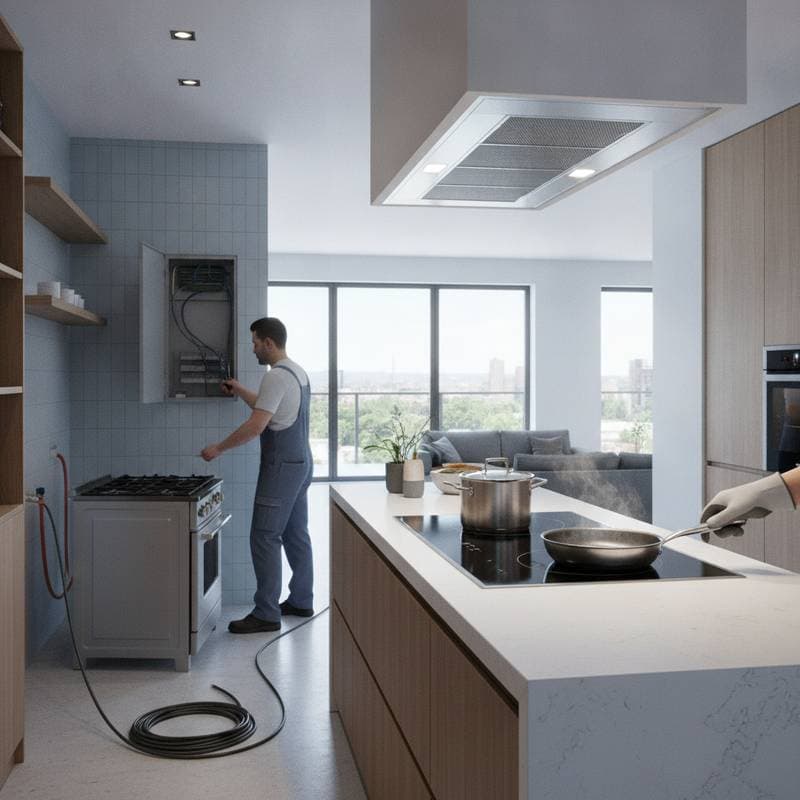
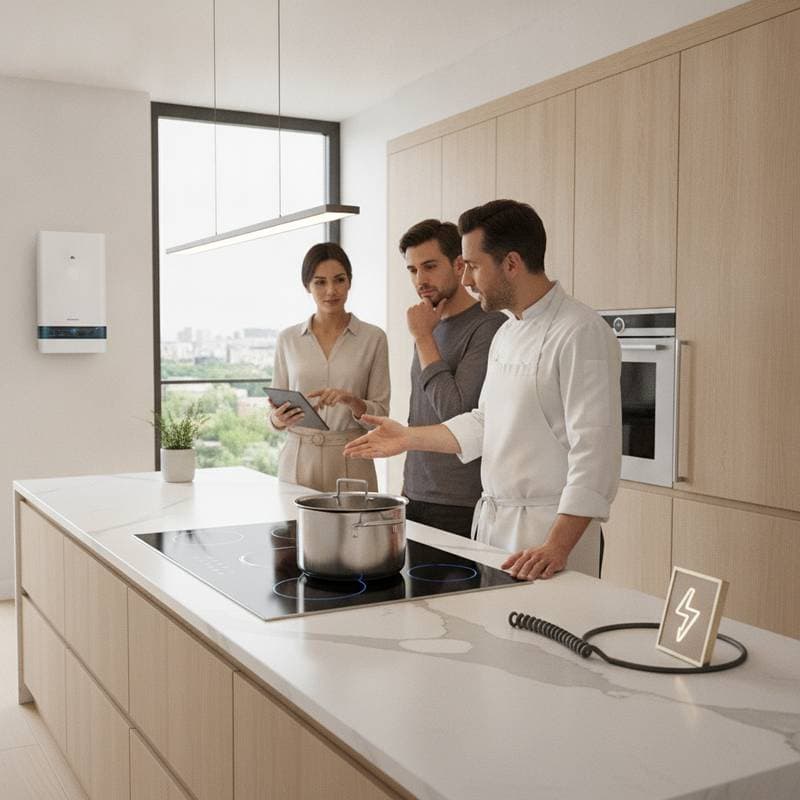
Starting in 2026, updated building codes will eliminate gas stoves in new constructions, promoting induction for better air quality, efficiency, and safety. Homeowners prepare through electrical upgrades, induction trials, and incentive programs to achieve a cleaner, more economical kitchen transition.
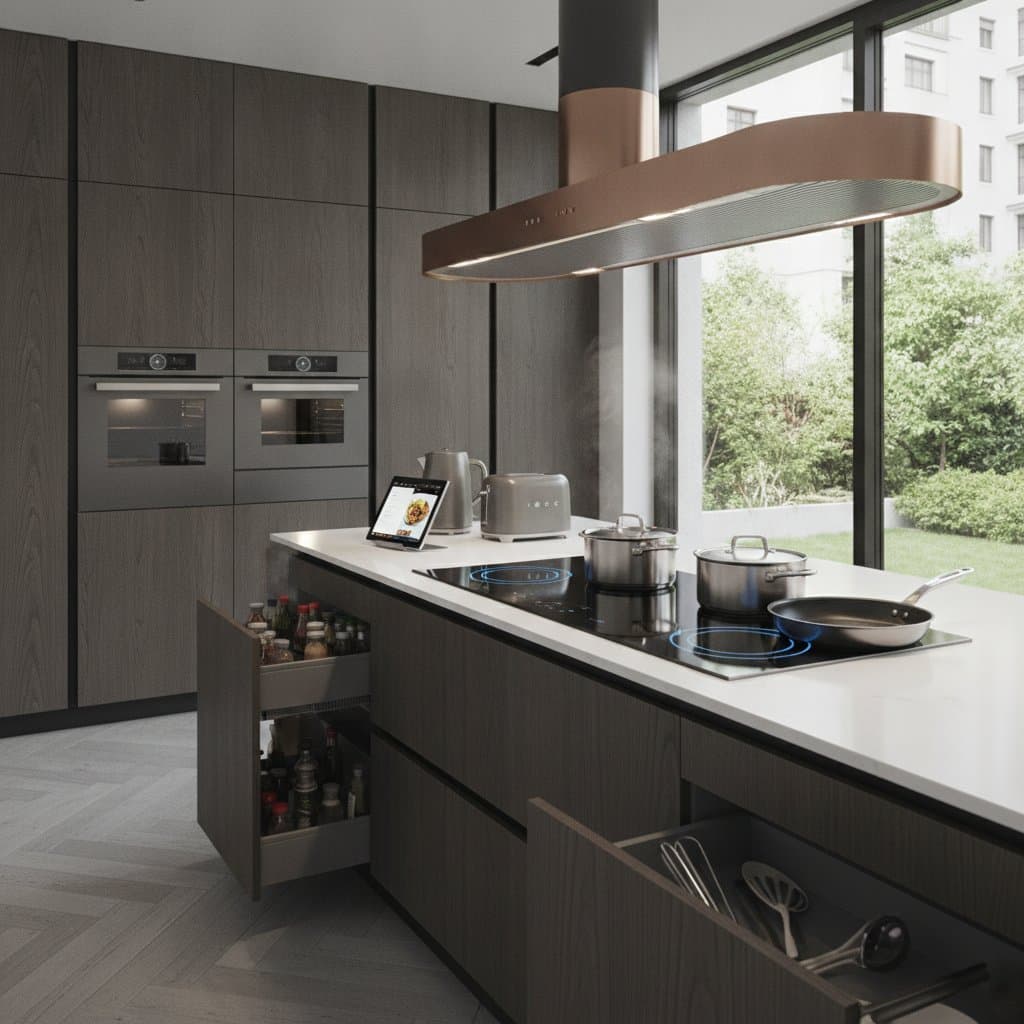
Electric and induction kitchens will dominate by 2026, replacing gas with superior efficiency, safety, and modern design. Induction heats pots directly for quicker, cleaner results. Evaluate your home's electrical setup, plan your budget, and transition to sustainable cooking with ease.
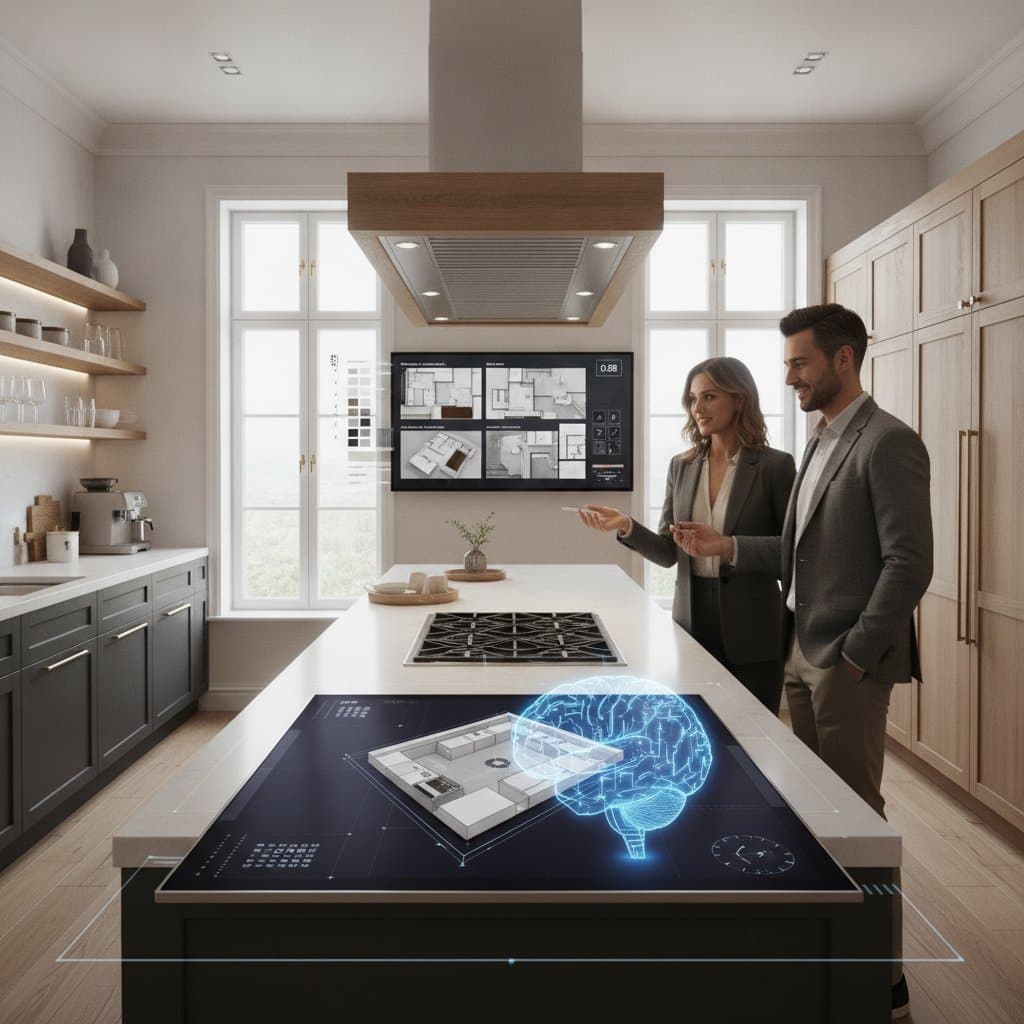
AI color tools are transforming kitchen design for 2026 by combining precision technology with creative intuition. These innovations, from advanced scanners to predictive algorithms, streamline palette selection, harmonize materials, and promote sustainability. Homeowners and designers achieve balanced, personalized kitchens that enhance daily living with effortless style.
The 2026 gas stove bans signal a major pivot to induction cooking as the kitchen norm. This change influences electrical needs, ventilation, and layouts. Proactive planning cuts costs, boosts safety, and enhances efficiency—discover how to adapt your space effectively.
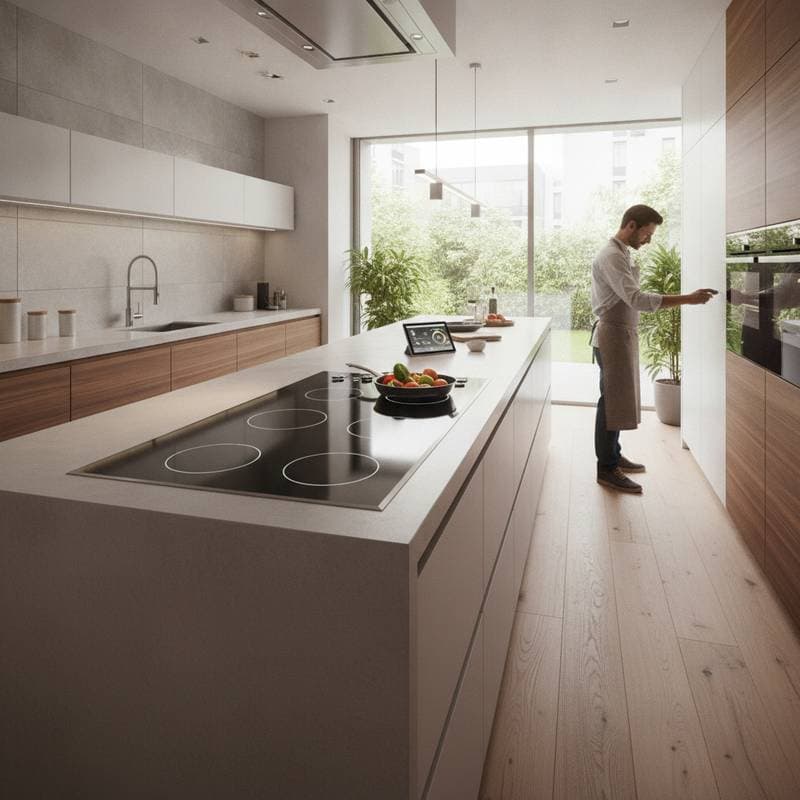
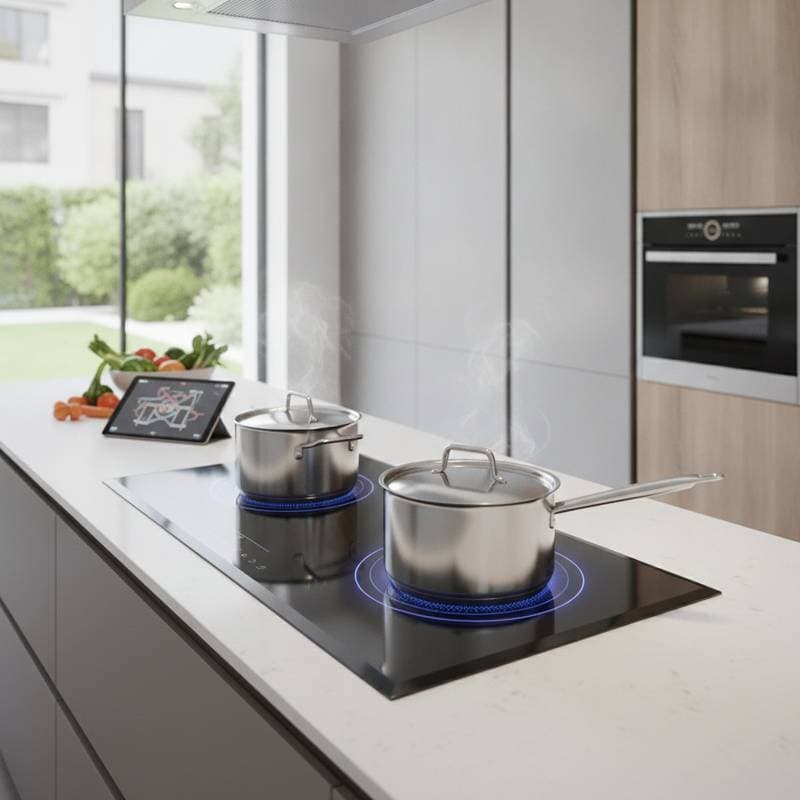
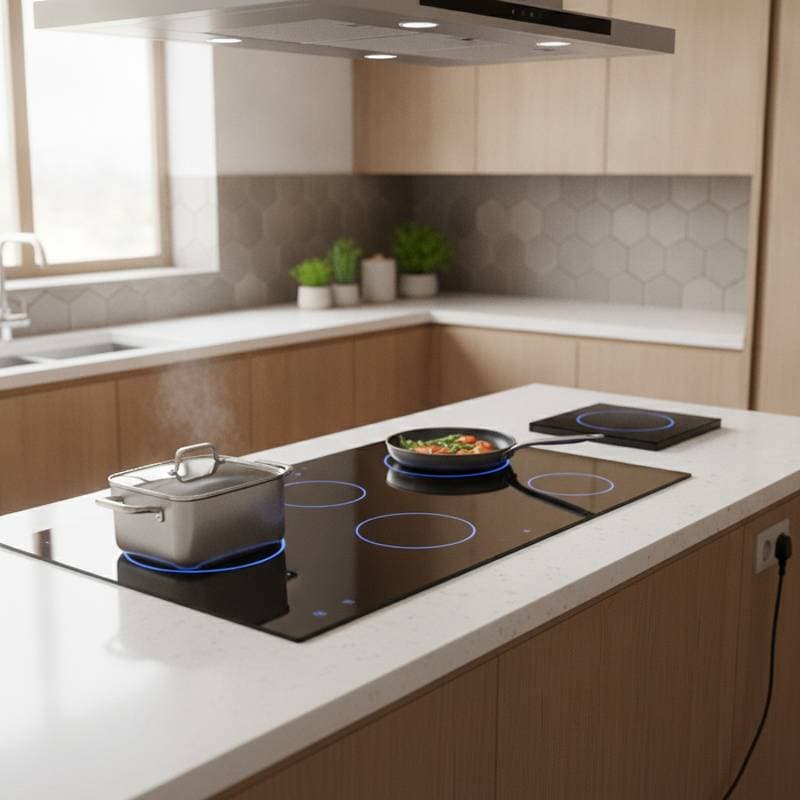
By 2026, induction cooking reshapes the modern kitchen through precision, sustainability, and elegant design. Free from gas lines and emissions, these magnetic cooktops deliver instant heat control, cooler surfaces, and creative layout options. Architects, chefs, and homeowners adopt induction for its clean, quiet operation and enhanced aesthetic appeal.
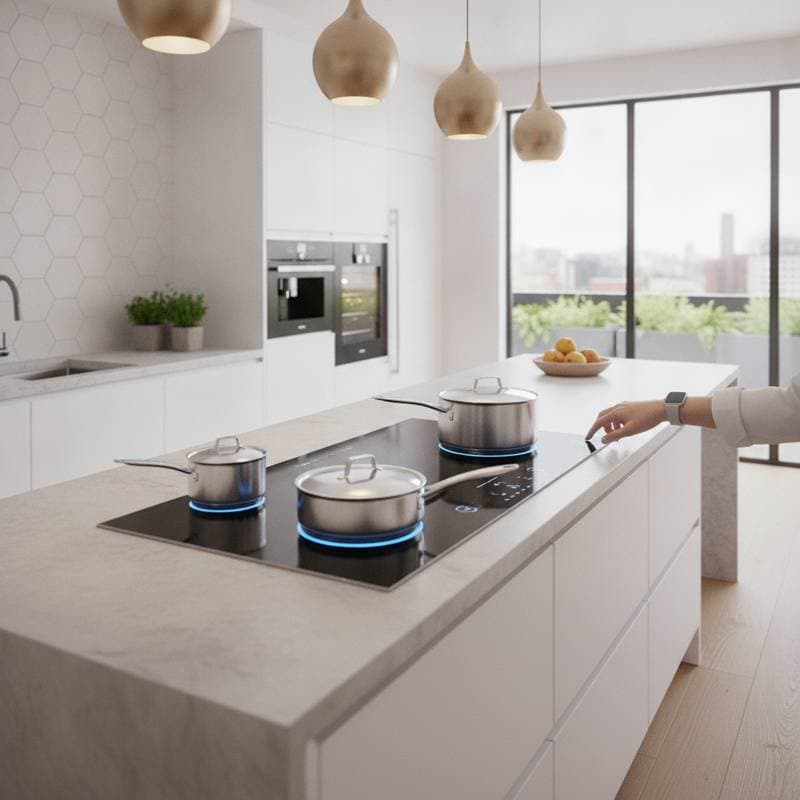
Induction zones revolutionize kitchen design with minimalist surfaces, exact heat control, pollutant-free operation, and eco-friendly efficiency. This technology enhances safety, reduces noise, and promotes mindful cooking, positioning it as the ideal choice for electrified, health-oriented homes.
With gas stoves phasing out by 2026, induction cooktops rise as the efficient, secure alternative. They provide precise heat management, optimal energy use, and improved air quality. Discover upgrade strategies, budgeting tips, and cookware selection for an effortless, forward-thinking kitchen.
Japandi kitchens fuse Japanese tranquility with Scandinavian hygge, emphasizing simplicity, natural textures, and functional beauty. Muted palettes, artisanal details, and organic forms craft serene environments that promote mindful routines. This enduring 2026 trend turns the kitchen into a harmonious retreat for everyday rituals.
Induction cooktops are overtaking gas in new installations, delivering superior speed, cleaner operation, and energy savings. Despite initial investments, they boost safety, precision, and home value amid evolving energy standards and building codes.
Induction zones elevate modern kitchens through precision control, energy efficiency, and streamlined aesthetics. Magnetic heating directly warms cookware, bypassing open flames to improve air quality and integrate flawlessly with countertops. These systems foster smarter, sustainable spaces where advanced technology enhances daily cooking without visual disruption.
AI kitchen design tools transform home renovations by providing precise, customizable layouts quickly and affordably. These platforms apply professional principles to optimize space, flow, and aesthetics, enabling users to visualize and refine ideas without expert consultations.
Induction zones redefine kitchen functionality through modular setups, exact temperature control, and superior energy use. These systems heat pots and pans directly, allowing adaptable configurations, reduced surface temperatures, and enhanced safety. Suitable for small apartments or luxury renovations, they elevate cooking, hosting, and overall kitchen efficiency.
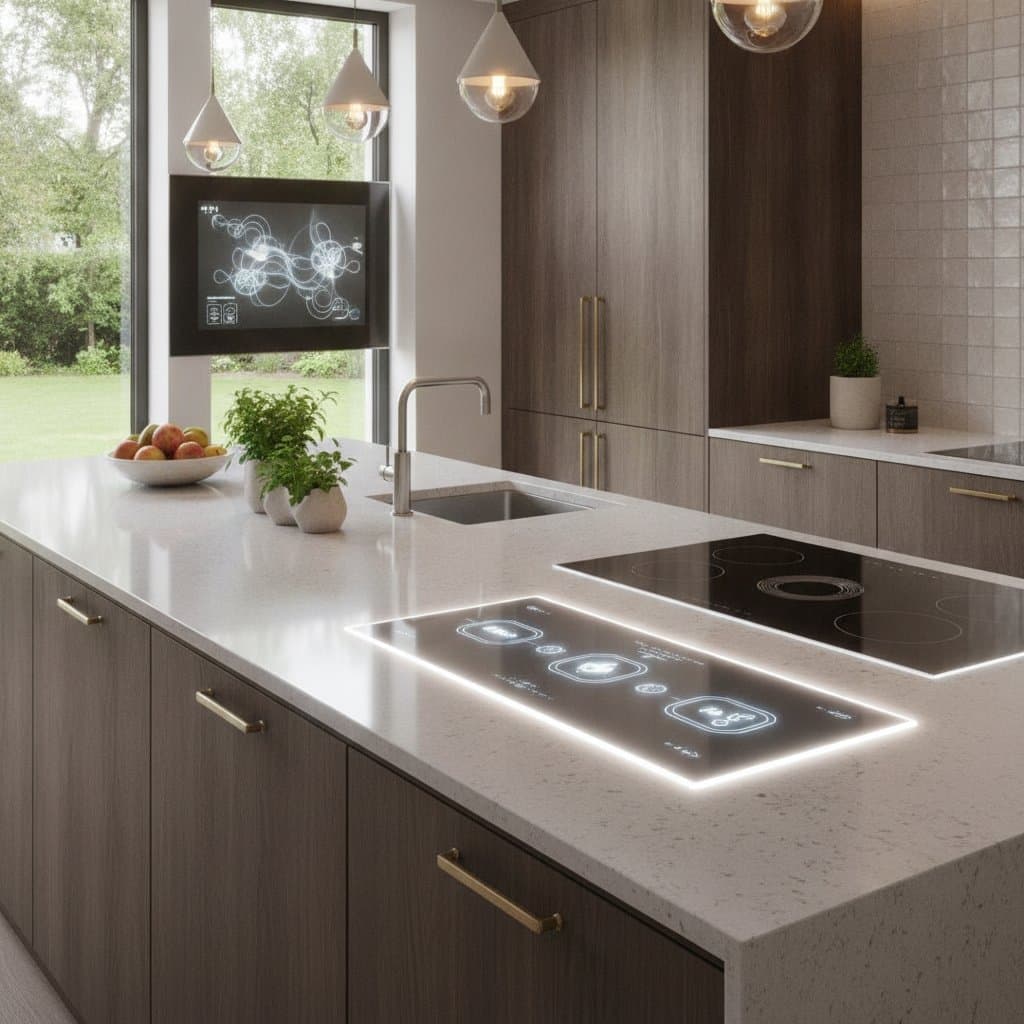
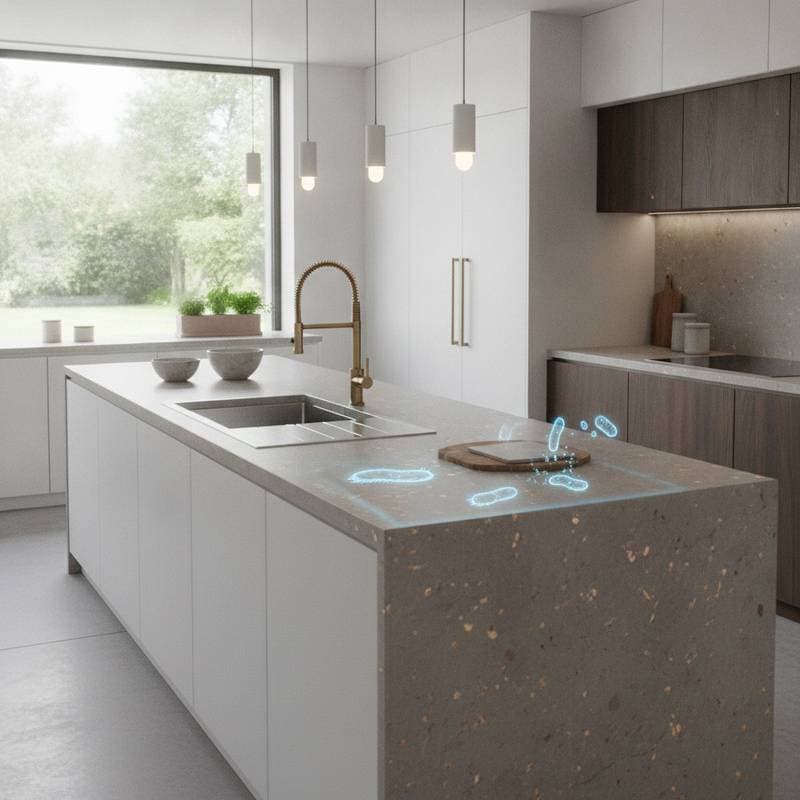
Invisible cooktops integrate induction technology directly into countertops, creating uninterrupted surfaces that enhance kitchen aesthetics, safety, and efficiency. Proper planning ensures compatibility with materials, adequate ventilation, and electrical requirements. Expert installation yields functional, visually striking kitchens that advance contemporary home design.
Invisible induction cooktops embed heating elements under countertops for a sleek, uninterrupted surface that boosts safety and functionality. Precise planning, certified components, and professional installation ensure optimal performance and lasting appeal in contemporary kitchens.
Flexible induction zones redefine contemporary cooking through intelligent, adaptable surfaces that conform to diverse cookware and layouts. Suitable for compact urban dwellings or expansive gourmet spaces, they provide exact control, energy savings, and refined aesthetics. As 2026 innovations, these systems offer affordability, personalization, and simple upkeep for a more streamlined and engaging kitchen experience.
Gas bans across various regions are accelerating the transition to induction cooking, which combines efficiency, safety, and aesthetic appeal. This technology supports diverse kitchen styles, from luxury renovations to budget-friendly updates, while promoting better air quality and innovative design solutions.
Induction cooking revolutionizes kitchens through rapid heating, exceptional efficiency, and safer, cleaner performance. By 2026, declining prices and advanced features position induction as the superior choice over gas, delivering energy savings, modern aesthetics, and better indoor air quality for precise, effortless cooking.
Induction cooking surpasses gas by providing cleaner air, superior speed, and unmatched efficiency. This technology heats cookware directly through electromagnetic fields, reducing energy waste and enhancing safety. Explore how induction operates, installation essentials, and the long-term advantages for health, costs, and home value in a sustainable kitchen.
Gas bans in 12 states are prompting a widespread adoption of induction cooking, valued for its rapid heating, enhanced safety, and energy savings. This change influences kitchen renovations and reduces environmental impact. Discover conversion processes, associated expenses, and strategies to integrate induction into modern home designs.