Induction Zones: Replacing Gas for Seamless, Efficient Kitchens
Kitchens mirror the pace of contemporary life, adapting to advances in technology and evolving preferences. Gas stoves once symbolized precise control, yet induction technology now offers a refined alternative with its subtle operation. Induction zones reshape cooking practices, kitchen atmospheres, and the fusion of functionality with sustainable design.
The Transition from Open Flames to Magnetic Fields
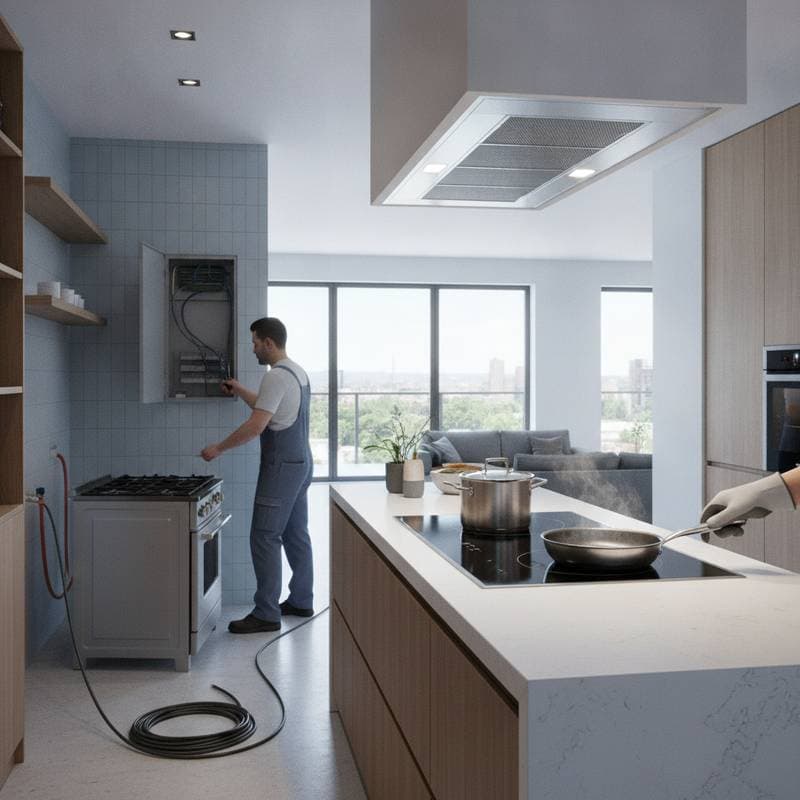
Induction cooking employs electromagnetic fields to heat pots and pans directly, avoiding the need to warm the surrounding surface. This method ensures rapid, targeted energy delivery. Cooks familiar with the sensory cues of gas flames discover in induction a reliable, near-silent process that aligns with deliberate culinary techniques.
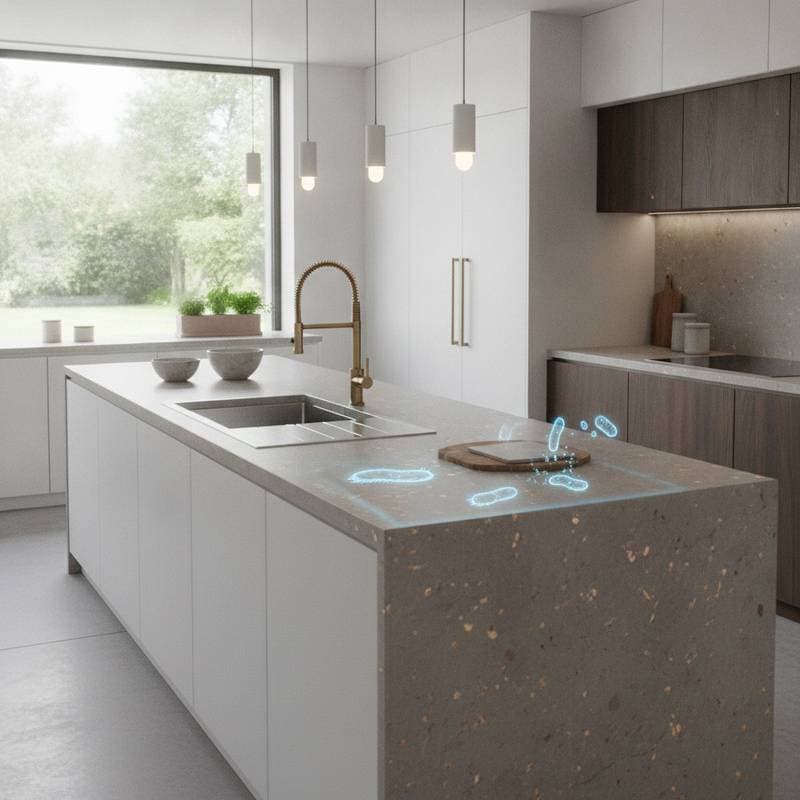
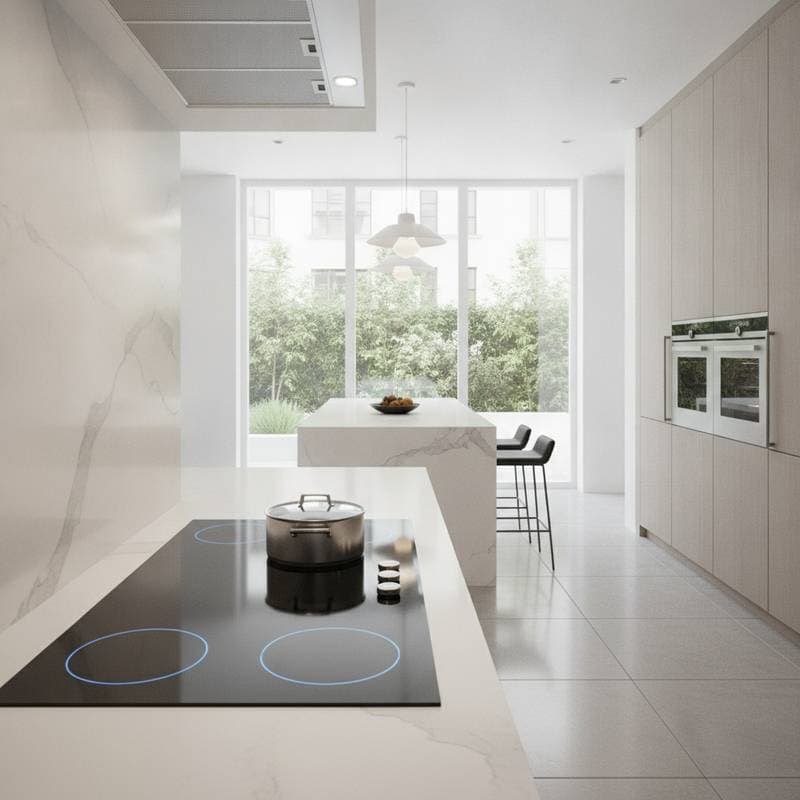
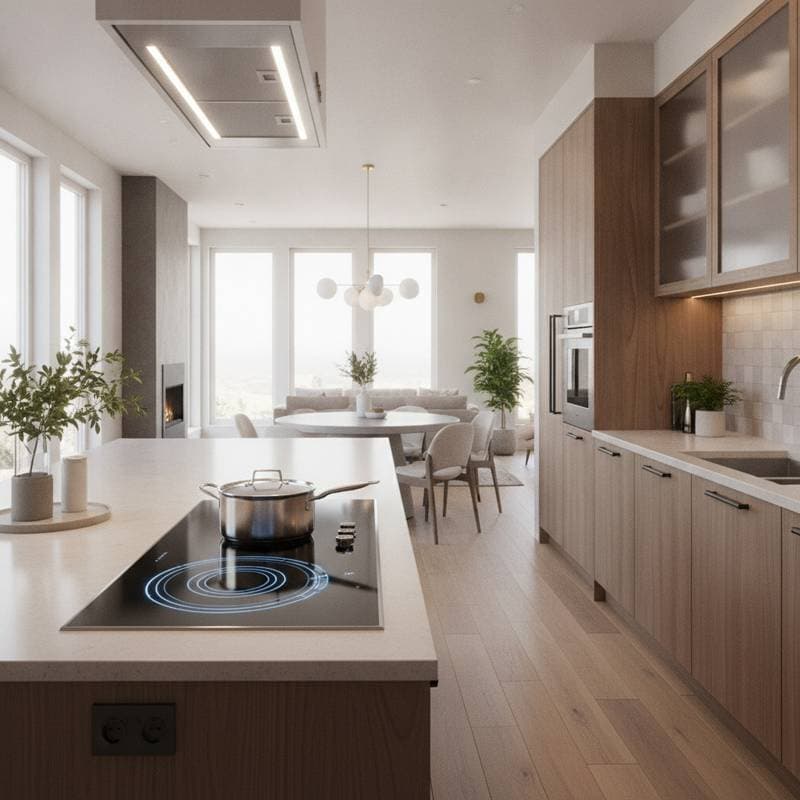
Prominent designers such as Patricia Urquiola and Vincent Van Duysen highlight the clean lines induction enables. A smooth glass top merges seamlessly with materials like marble, quartzite, or terrazzo, eliminating bulky elements. Kitchens gain a serene appearance that persists during active use, with surfaces unmarred by grates or protruding burners.
Achieving Precision in Every Zone
Individual induction zones function as adaptive heating areas. Sensors detect the cookware's dimensions and adjust power output precisely. Copper pans and cast-iron skillets thus receive optimal heat, regardless of their differences.
Companies like BORA and Gaggenau engineer these features for quick responsiveness, often within seconds. This level of control suits both professional chefs and home enthusiasts, rivaling high-end commercial setups. In design terms, such accuracy opens creative avenues. Countertops in Caesarstone Rugged Concrete or Dekton Trilium extend without interruption over the cooking area, preserving material consistency. Lighting schemes also evolve; subdued task lights suffice, letting overall ambiance shape the room's character instead of overpowering it.
Fostering a Healthier Cooking Environment
Induction zones promote superior indoor conditions beyond their visual appeal. Gas combustion produces nitrogen dioxide and carbon monoxide, which can degrade air quality. Induction eliminates these emissions completely.
The cooktop stays cool outside the cookware's contact point, reducing burn hazards and easing maintenance. Interior architect Tina Ramchandani favors induction in open layouts for these attributes. She notes that when kitchens adjoin living spaces, clean air and minimal noise rank as essential design elements. A recessed black glass model, combined with Benjamin Moore's Smoky Taupe cabinets and brushed steel accents, forms a cohesive scheme that balances style with health benefits.
Balancing Energy Savings with Sophisticated Design
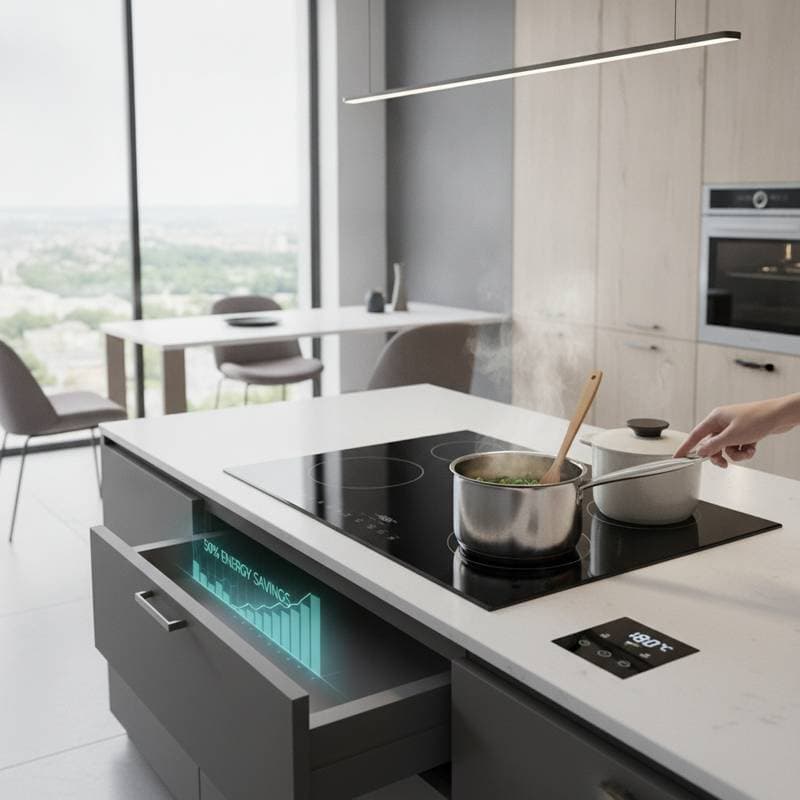
Induction transfers energy with high efficiency, converting nearly all input into direct cookware heat. This approach cuts down on energy loss and accelerates meal preparation. For residences pursuing full electrification while upholding cooking standards, induction unites practical and artistic objectives.
Architect John Pawson, celebrated for minimalist principles, values induction's understated power. He observes that its lack of superfluous elements proves most persuasive. Embedded in a solid island of honed European oak and pale limestone, the unit recedes until needed, upholding the space's architectural simplicity.
Exploring Flexible Induction Layouts
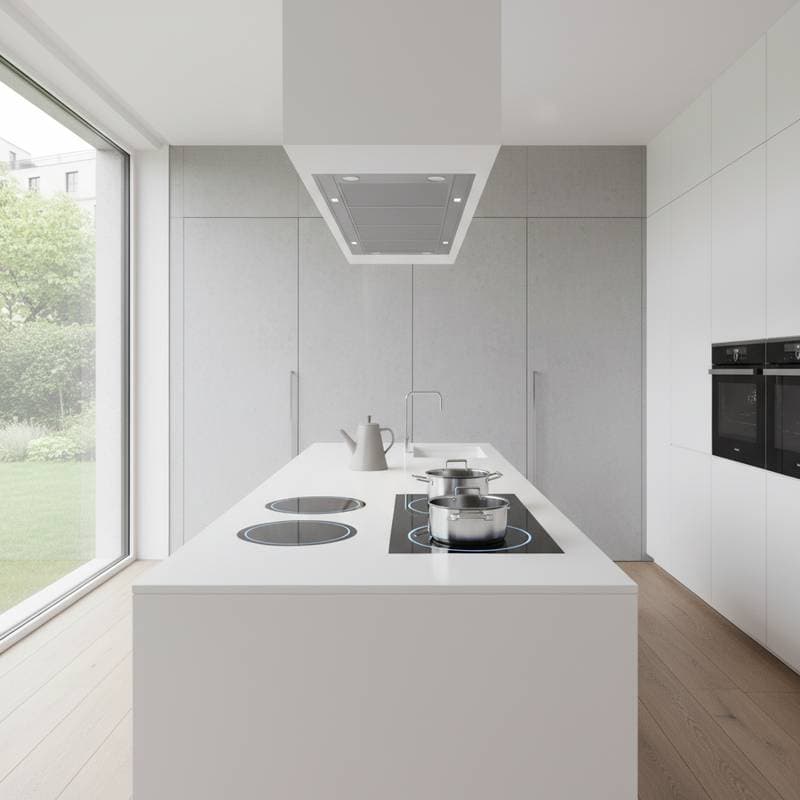
Advancements in induction now include expansive, adaptable surfaces rather than rigid circles. Cookware can position anywhere on the glass, with the system identifying and powering it automatically. Miele and Siemens term these setups flex zones, providing unrestricted placement.
Designers benefit from altered spatial planning. Extended islands might incorporate several flex areas, accommodating group cooking without interference. In smaller residences, one versatile zone doubles as preparation and cooking space. This fluidity turns the kitchen into a dynamic hub, evolving beyond fixed appliances.
Integrating Materials for Cohesive Aesthetics
Induction complements diverse kitchen styles, from heritage-inspired to cutting-edge. In traditional environments, the dark glass echoes polished stone or glossy cabinets. Contemporary designs leverage its subtle presence against matte textures.
A Fisher & Paykel induction unit alongside Farrow & Ball Railings cabinets and brushed nickel fittings yields a refined, enduring neutral palette. Without elevated burners, sightlines flow uninterrupted. Professionals emphasize textures in selections like leathered quartzite or flamed granite, where the cooktop enhances rather than detracts from the surface narrative.
Incorporating Smart Features Discreetly
Contemporary induction units link to home automation networks, enabling remote oversight of temperatures and timers via apps. Such connectivity avoids overt displays; controls vanish when idle, safeguarding visual harmony.
Design technologist Sophie Griffiths underscores this subtlety in kitchen evolution. She explains that spaces serve broader living purposes beyond mere food preparation. Induction aligns with this view by honoring both appearance and usability.
Ensuring Durability and Simple Upkeep
Induction tops demand little effort to clean. Liquids do not scorch since only the vessels heat up. Wiping with a microfiber cloth restores the glass to clarity.
Lacking detachable components, these units endure longer with less degradation. This durability supports sustainability by reducing replacement frequency. Experts suggest matching with resilient options like Neolith, Silestone, or treated natural stone, which withstand heat and abrasion while retaining appeal.
Adopting Induction for Enhanced Daily Living
Shifting from gas to induction requires adjustment, yet it deepens engagement with culinary spaces. Magnetic heating's responsive nature alters interactions with ingredients and surroundings. It promotes orderly counters, purer air, and focused tranquility.
Renovators and new builders find in induction more than an appliance choice. It harmonizes aesthetics, utility, and ecological mindfulness. Kitchens emerge as venues for mindful routines, where induction zones deliver exacting, hygienic, and intelligently subdued performance.