The Coming Change: What the Induction Zone Mandate Means for Your Kitchen
Homeowners often associate the click of a gas burner and the flicker of a blue flame with everyday cooking. That familiar ritual faces transformation under the induction zone mandate, which restricts new gas stove installations. Soon, that flame may give way to a sleek glass surface that hums quietly under cookware.
Local and regional restrictions on gas stoves signal a larger shift toward induction and electric cooking. This change connects to energy policy, indoor air quality, and building code compliance. Homeowners benefit from understanding the mandate's requirements and induction technology's mechanics to make informed decisions during kitchen remodels or transitions.
Why Gas Stoves Face Phase-Out
Gas stoves offer precise control and instant heat, qualities valued by many cooks. Research reveals, however, that they emit nitrogen dioxide, carbon monoxide, and fine particulates into indoor air. Without adequate ventilation, these pollutants surpass safe thresholds, raising health concerns.
Climate impacts from natural gas production further drive building codes toward electrification. The induction zone mandate forms part of efforts to cut household emissions and boost energy efficiency. In new homes and major renovations across many regions, electric or induction cooktops will replace gas models. Existing gas stoves remain usable, though replacement parts and service may become scarce over time.
This evolution introduces modern cooking solutions. Induction cooktops now provide affordability, safety, and speed that rival traditional methods.
Understanding Induction Cooking
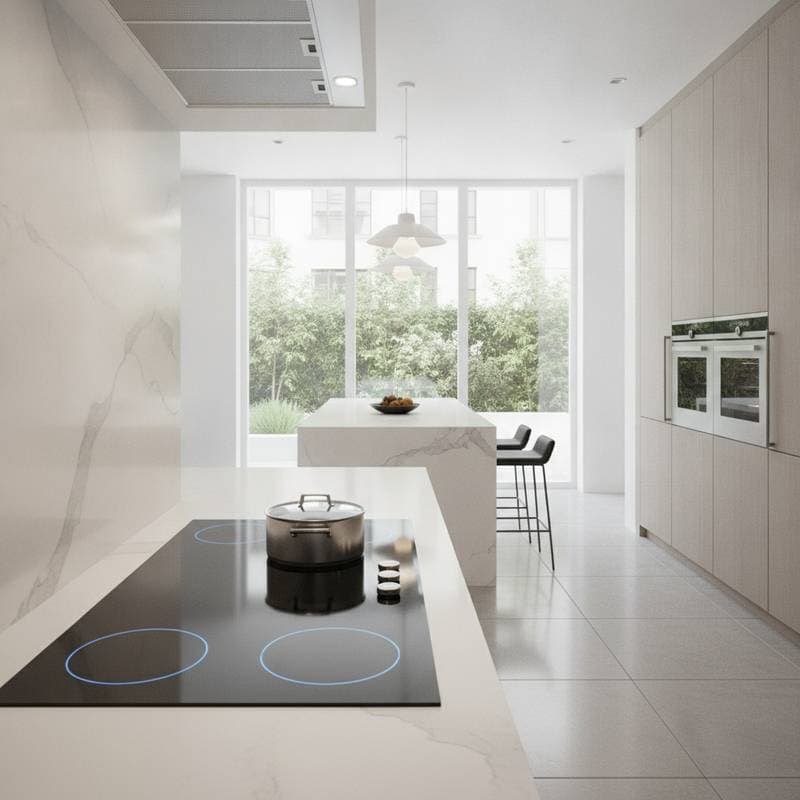
Induction cooktops employ electromagnetic fields to heat cookware directly. Unlike gas or traditional electric burners that warm a surface before transferring heat to pots, induction generates a magnetic current that makes the cookware itself the heat source.
This process delivers instant, precise temperature control akin to gas, with boil times that surpass traditional options. The cooktop surface remains relatively cool, preventing burned spills and simplifying cleanup.
Key comparisons between gas and induction include:
- Heat speed: Induction boils water approximately twice as fast as gas.
- Efficiency: It directs 85 to 90 percent of energy to food, versus 35 to 40 percent for gas.
- Safety: The surface cools rapidly, eliminating open flames.
- Air quality: Absence of combustion prevents indoor emissions.
- Control: Temperature adjustments occur nearly instantly, matching gas responsiveness.
Cookware compatibility presents the primary challenge. Induction demands magnetic materials like cast iron or stainless steel. Non-magnetic options such as aluminum, copper, or glass require a magnetic base to function.
Implications of the Mandate for Homeowners
Homes with existing gas stoves avoid immediate removal mandates. Kitchen remodels or cooktop replacements, however, must comply with new standards favoring electric or induction models.
New constructions prohibit gas lines to kitchens entirely. Developers, designers, and homeowners must therefore prepare electrical circuits to support induction appliances.
Essential considerations include:
- Electrical capacity: Induction cooktops typically need a 240-volt circuit, comparable to an electric oven or dryer. Upgrading an older or overloaded panel costs between $800 and $2,500, based on wiring conditions.
- Cooktop cost: Basic models begin at $900, while advanced units with smart features or built-in ventilation exceed $4,000.
- Cookware: Replacing incompatible pots and pans ranges from $100 to $400.
- Installation: Professional services cost $300 to $800, potentially more with electrical or countertop adjustments.
Utility incentives and rebates often offset these expenses for induction purchases. Low-interest financing supports panel upgrades linked to energy efficiency.
Steps to Prepare for the Transition
Planning ahead eases the shift to induction cooking and controls costs.
Assess Current Infrastructure
Examine the electrical panel for available capacity and circuit ratings. Presence of an electric oven or dryer suggests suitable existing setup.
Measure countertop cutouts too. Standard induction models fit 30-inch or 36-inch spaces, but verification prevents installation issues.
Test Induction Before Purchase
Appliance stores and energy programs provide demonstrations of induction cooking. Portable single-burner units, available for $70 to $200 and compatible with standard outlets, allow home testing of performance and responsiveness.
Develop a Strategic Budget
For budget-conscious transitions, install a partial induction setup, such as a two-burner unit alongside a gas burner. Gradually upgrade the electrical panel and expand to a full cooktop.
Ensure Proper Ventilation
Induction avoids combustion gases, yet cooking produces steam, grease, and odors. A range hood maintains kitchen cleanliness and comfort. Low-profile, quiet models suit induction well, focusing on vapor capture rather than flame suppression.
Verify Local Regulations
Consult the local building department for guidelines on electrical modifications or appliance changes. Permits may apply, and a licensed electrician assists with compliance.
Health and Environmental Advantages
The mandate promotes induction to enhance indoor air quality and cut energy costs over time.
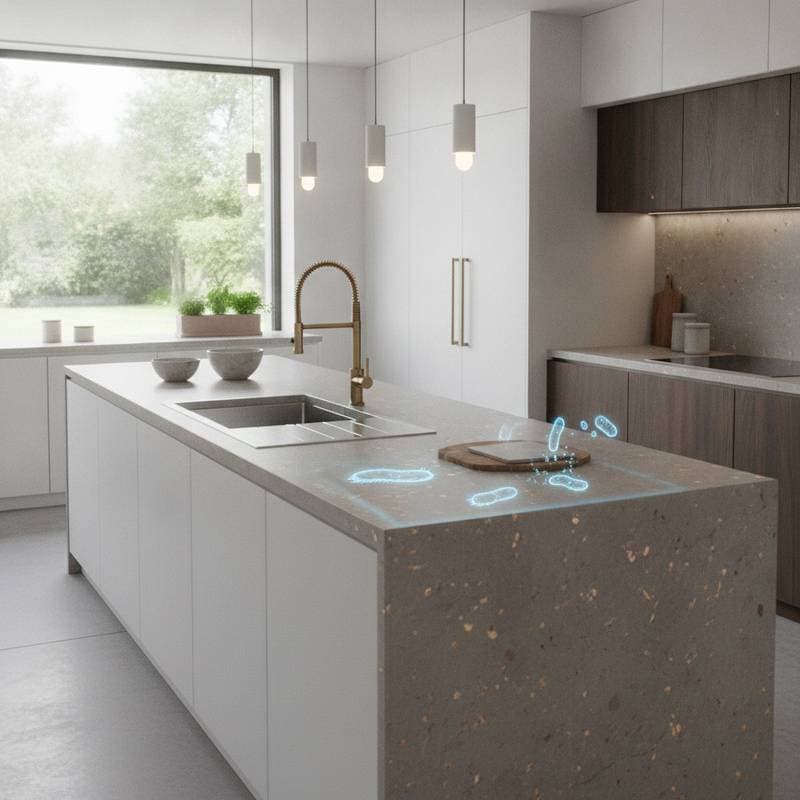
Gas stoves elevate nitrogen dioxide levels in homes, particularly smaller kitchens lacking ventilation. Families report respiratory issues or worsened allergies from gas cooking. Induction removes these pollutants entirely.
Electrification lessens dependence on natural gas networks. As grids incorporate more renewables, induction's environmental gains increase, reducing household and community energy demands.
Operating Cost Analysis
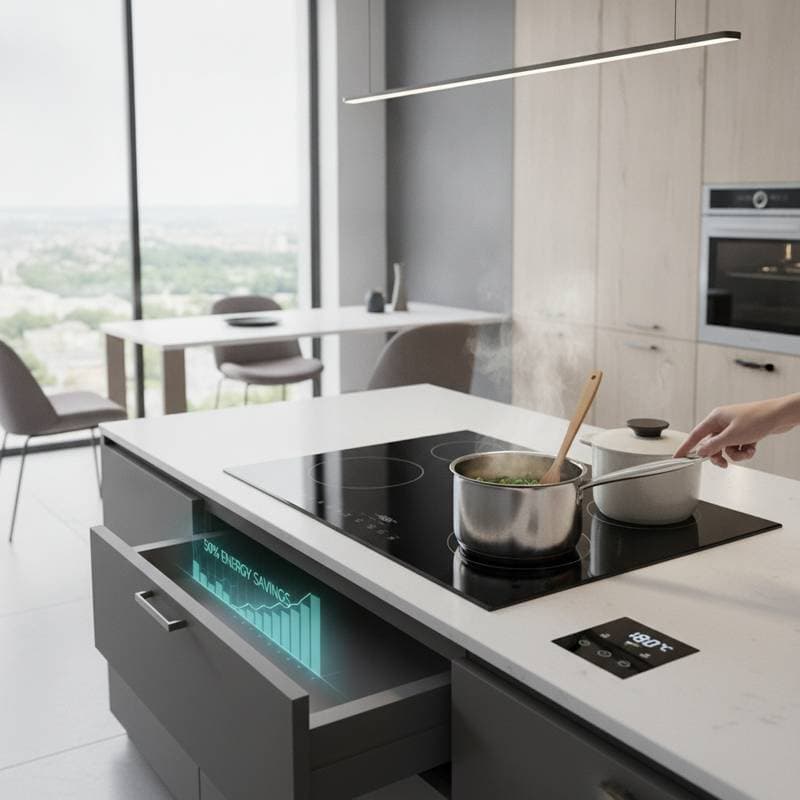
Regional energy rates influence expenses, but induction's efficiency yields savings. Direct heat transfer minimizes waste.
Annual comparisons show:
- Gas stove: $30 to $60, varying with local prices.
- Induction cooktop: $20 to $40, based on electricity rates.
Additional benefits include reduced cooling needs in warmer months, as less heat enters the kitchen. Summer cooking sessions highlight this advantage.
When Professional Assistance Is Necessary
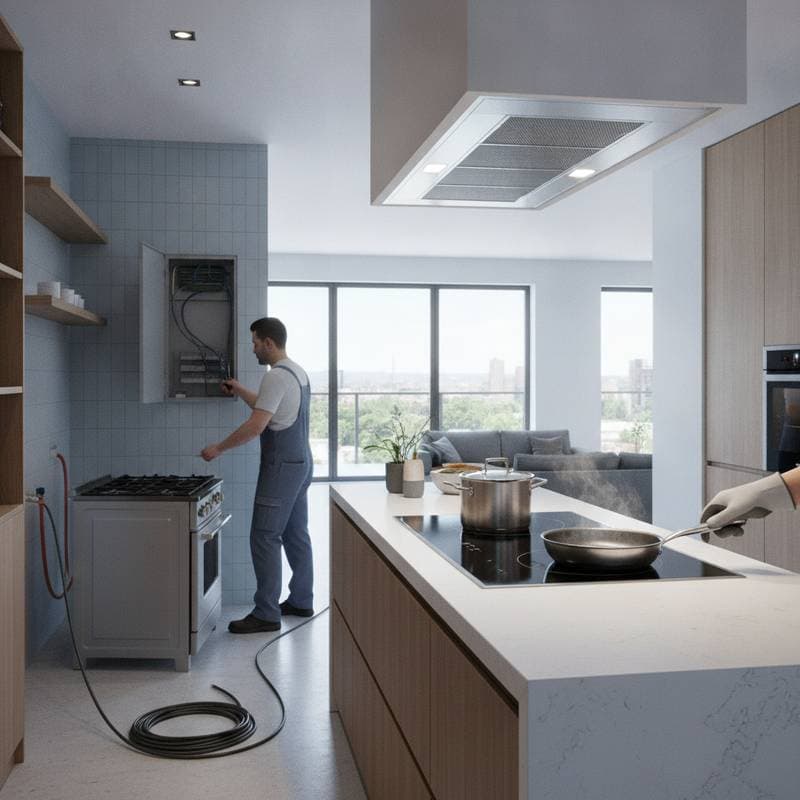
Switching from gas to induction involves more than replacement. Capping gas lines and enhancing electrical circuits demand expertise.
Hire a licensed electrician if:
- Home age: Outdated wiring risks fire under load; modern grounded circuits provide safety.
- Panel constraints: Supplies below 200 amps may overload with new appliances.
- Redesign scope: Contractors verify ventilation, spacing, and code adherence.
Self-modifying wiring or gas lines poses hazards. Professionals ensure safe execution.
Adapting to Induction Cooking
Initial use of induction differs slightly from gas. Efficient heat transfer accelerates cooking and sharpens temperature shifts, requiring recipe adjustments for sensitive preparations.
Adaptation tips include:
- Select lower settings for simmering, where induction maintains even heat.
- Preheat pans briefly prior to adding oil.
- Avoid frequent pan removal, as sensors may interrupt heating.
- Wipe spills promptly, leveraging the cool surface.
Most users master these nuances after several sessions, often preferring induction's control.
Enduring Advantages of Induction
Compliance with the mandate unlocks practical gains:
- Maintenance ease: No grates or igniters require cleaning or replacement.
- Kitchen comfort: Reduced ambient heat supports pleasant cooking environments.
- Precision enhancement: Digital controls enable consistent outcomes.
- Safety improvements: Elimination of gas leaks and flames.
These features boost home resale appeal, as buyers seek code-compliant, energy-efficient kitchens.
Implementing the Switch Effectively
Approach the transition methodically to balance cost and convenience. Evaluate electrical readiness, review appliance selections, and establish a budget.
Performance remains intact for cooking enthusiasts; professional chefs endorse induction for its speed and accuracy.
Initiate with accessible actions: acquire a portable unit, update cookware, or arrange an electrical review. These steps align the kitchen with mandate requirements while enhancing efficiency and safety.
The shift yields tangible improvements in air quality, cooking speed, and energy savings, fostering a more intelligent living space.