Upcoming Gas Bans Spark Induction Kitchen Upgrades
Homeowners in regions facing gas appliance restrictions often receive notices about limits on new gas hookups. These changes raise concerns for those who enjoy cooking, particularly regarding impacts on kitchen setups, daily routines, and finances. Fortunately, induction cooktops provide a reliable alternative that delivers efficiency and performance while aligning with regulatory shifts.
Why Gas Bans Are Driving Kitchen Changes
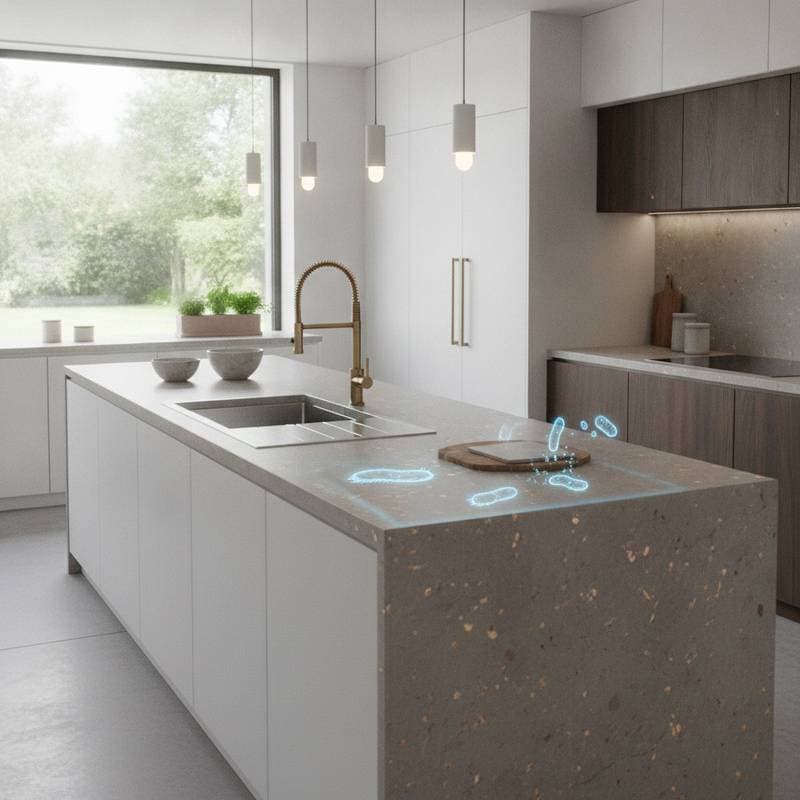
Municipalities implement gas bans to curb indoor air pollution and greenhouse gas emissions. Gas stoves emit nitrogen dioxide and particulate matter, which degrade air quality in enclosed spaces with limited ventilation. These policies extend to building codes for new constructions, influence property resale values, and restrict appliance options in the market.
Planning a kitchen remodel or replacing an old stove presents an ideal opportunity to adopt induction technology. This proactive approach complies with forthcoming rules and unlocks superior cooking capabilities.
What Induction Cooking Actually Means
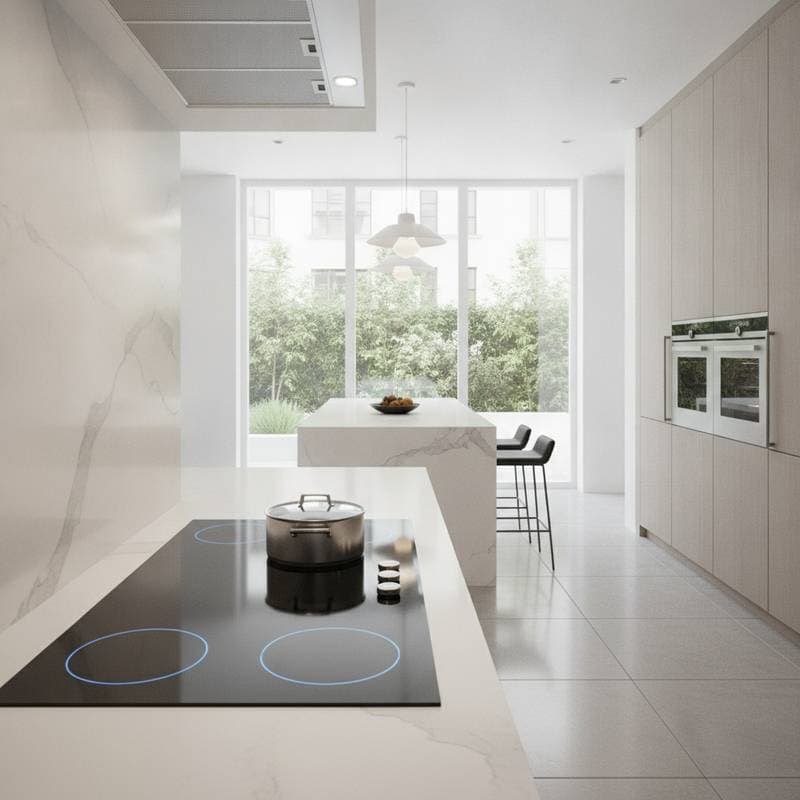
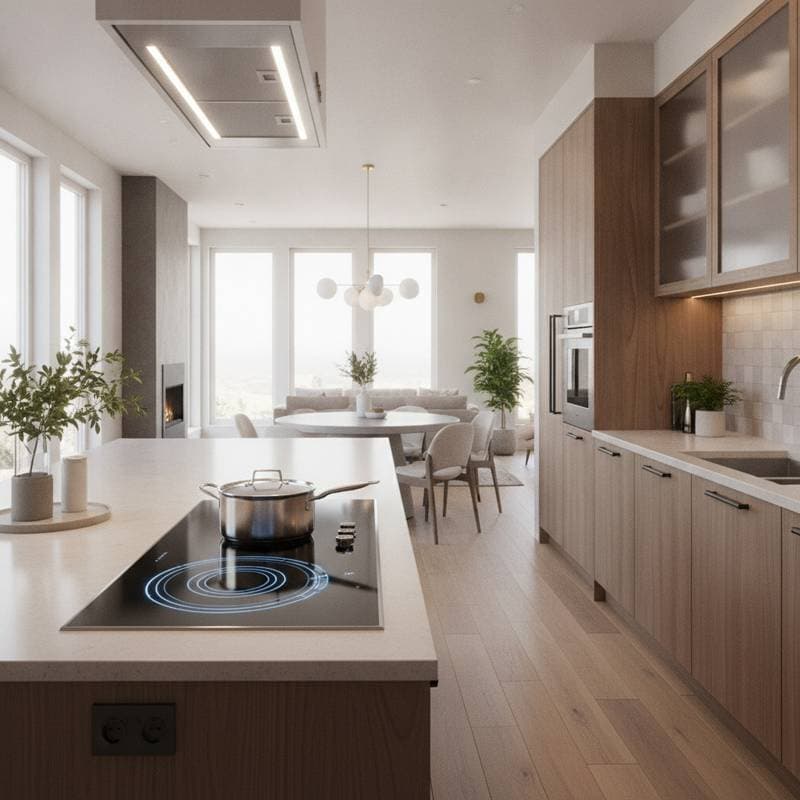
Induction cooking employs electromagnetic fields to generate heat directly within compatible cookware. A copper coil under the cooktop's glass surface conducts electricity, producing a magnetic field that vibrates iron particles in the pan's base. This process heats the contents rapidly while keeping the surrounding surface relatively cool.
Users experience quicker boiling times, often reducing water to a boil in half the duration of gas methods. Precise adjustments maintain consistent temperatures for tasks like simmering delicate sauces or melting chocolate without scorching. Enhanced safety features include the absence of open flames and rapid cooldown after removing cookware.
Understanding the Conversion Process
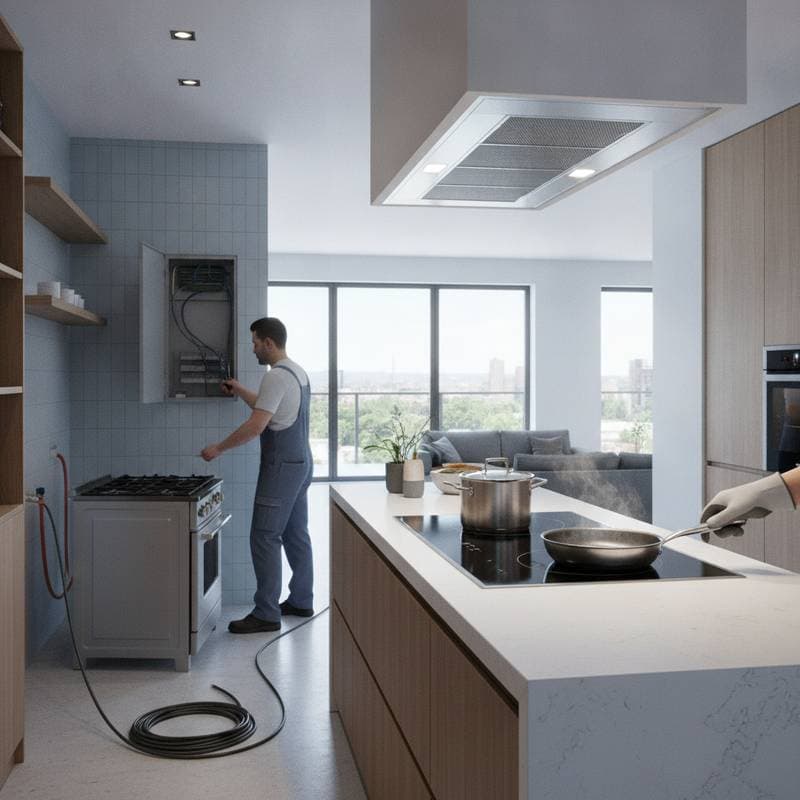
Transitioning from gas to induction requires coordinated professional services beyond appliance replacement. Key steps include the following:
- Electrical upgrade: Install a dedicated 240-volt circuit, as standard 120-volt outlets prove insufficient. Engage a qualified electrician to run new wiring and install an appropriate breaker.
- Gas line capping: Hire a licensed plumber to disconnect and seal the gas line securely, adhering to local building codes.
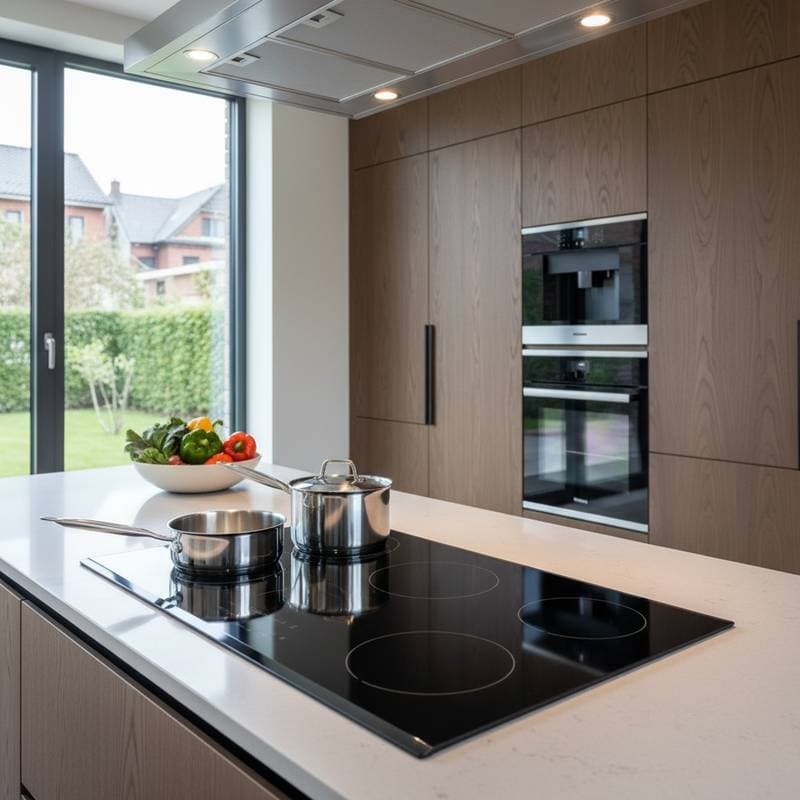
- Cookware compatibility: Verify pots and pans with a magnet; it must adhere strongly to the base for induction use. Suitable materials encompass cast iron, enameled cast iron, and magnetic stainless steel; non-magnetic options like pure aluminum require induction-compatible bases.
- Countertop adjustments: Measure the space carefully, as induction units vary in dimensions. Professional installers can resize cutouts if the existing gas range opening differs.
Cost Breakdown and Budget Options
Conversion expenses vary based on equipment selection, labor, and home infrastructure. Consider these estimates for informed budgeting:
- Portable units: Single- or double-burner models range from $100 to $300 and connect to standard outlets, ideal for initial trials without major alterations.
- Built-in cooktops: Mid-level options from manufacturers such as GE, Bosch, or Frigidaire cost $1,000 to $2,500, plus $300 to $800 for electrical modifications depending on panel load.
- Full ranges: High-end models with advanced features like integrated griddles or app controls span $3,000 to $6,000.
Outdated electrical panels may necessitate a full service upgrade, adding $1,500 to $3,000. Homes with recent wiring typically bypass this cost.
Performance and Cooking Experience
Professional cooks value gas for its visual feedback and responsiveness, yet induction rivals this with near-instantaneous heat adjustments. Reducing power levels prompts immediate cooling, preventing overcooking. The smooth glass surface simplifies cleanup, as spills wipe away easily without residue buildup.
A subtle hum or fan noise may occur at higher settings, though selecting well-fitted cookware reduces this effect. To maintain the cooktop's integrity, lift pans rather than drag them across the surface, avoiding potential scratches from abrasive contact.
Safety, Efficiency, and Maintenance
Induction stands out for safety, minimizing burn hazards since only the cookware heats. Without flames or gas lines, risks of ignition or leaks diminish significantly. This design benefits families with young children or seniors who require added precautions.
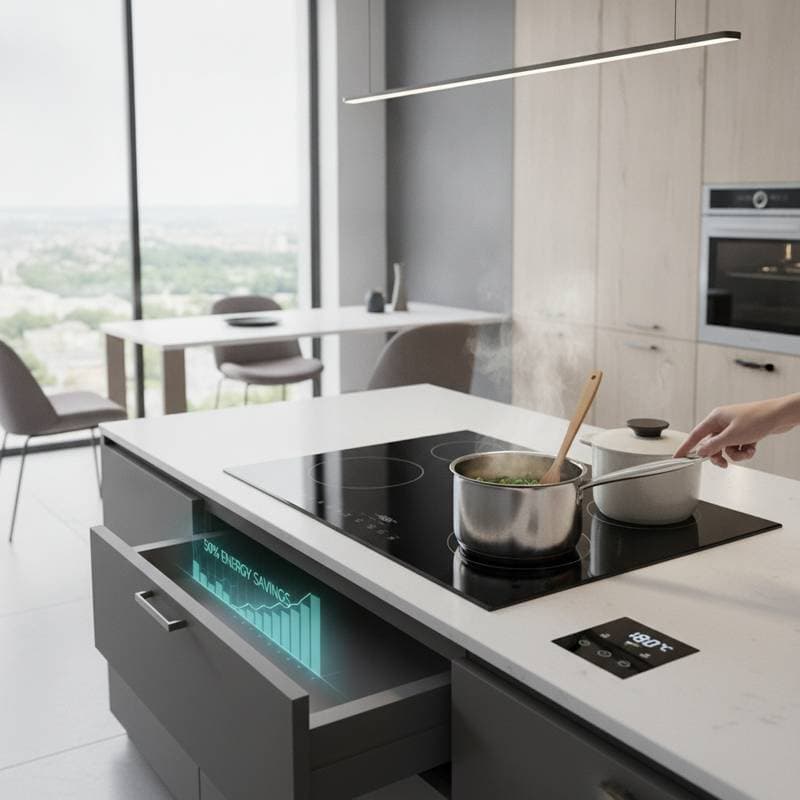
Energy efficiency reaches 85 to 90 percent, far surpassing gas's 40 percent utilization, which translates to reduced utility bills and less ambient kitchen heat. During summer months, this lowers reliance on air conditioning. Routine care involves gentle wiping with a damp cloth post-use; steer clear of harsh abrasives to protect the finish.
Regional Rules and Permit Issues
Consult local authorities before commencing work on gas disconnections or electrical additions. Electrical permits often apply to 240-volt installations, while gas capping requires inspection for code compliance. Adhering to these protocols safeguards insurance validity and structural safety.
In areas advancing gas phase-outs for new builds, early upgrades avert disruptions. Utility providers frequently offer rebates for electric conversions; contact yours to explore eligibility and application details.
Making It Happen
Begin the process by scheduling an assessment from a licensed electrician to gauge your kitchen's electrical readiness. Obtain detailed quotes covering materials, labor, and timelines. Follow up with a plumber for gas line evaluation and ensure adequate ventilation aligns with the new system.
With infrastructure confirmed, select an induction model suited to your cooking style and inventory compatible cookware. This strategic upgrade yields a kitchen that excels in speed, precision, and sustainability, adapting seamlessly to regulatory landscapes and enhancing daily meal preparation.