Prepare for the 2026 Gas Stove Phase-Out: Essential Kitchen Planning Steps
Homeowners planning a kitchen remodel or appliance upgrade must consider the impending shift from gas cooking. Regulations in numerous regions now limit or prohibit gas hookups in new residential builds. As a result, induction and electric cooking options emerge as the prevailing standards.
From my experience remodeling kitchens, this transition extends beyond mere appliance replacement. It influences electrical infrastructure, ventilation systems, countertop selections, and overall kitchen layout. Delaying adaptation leads to substantial unforeseen expenses, while early planning yields significant savings and a safer, more efficient space.
Reasons Behind the Regulatory Shift
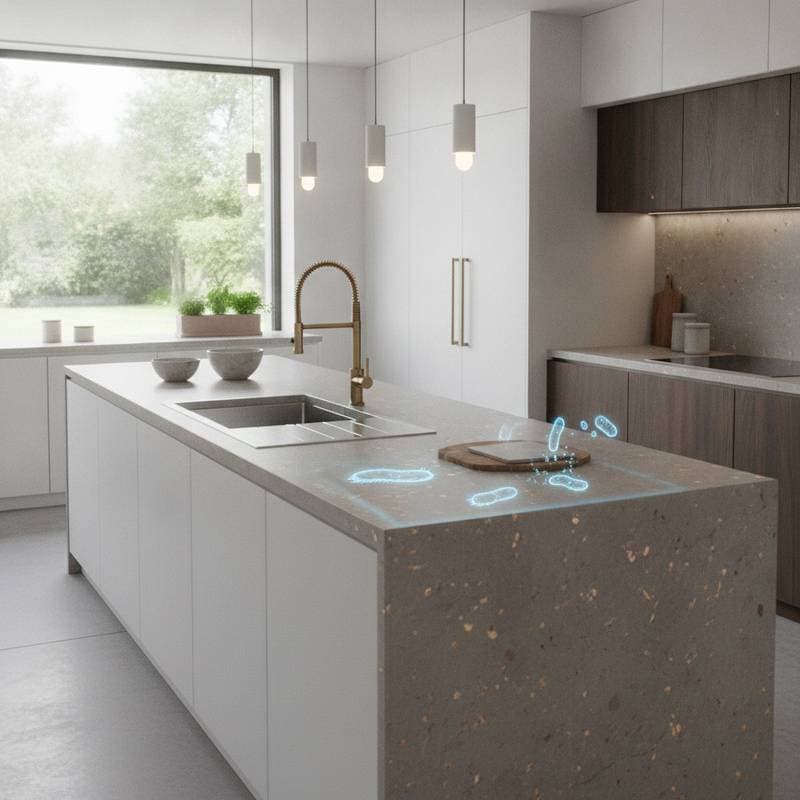
The transition from gas cooking stems from heightened awareness of indoor air quality, safety hazards, and energy conservation. Research indicates that gas stoves emit nitrogen dioxide and additional pollutants that persist in enclosed spaces. These contaminants accumulate rapidly in homes with inadequate airflow. Concurrently, local building codes increasingly prioritize reductions in residential carbon emissions, positioning gas appliances as primary focus areas.
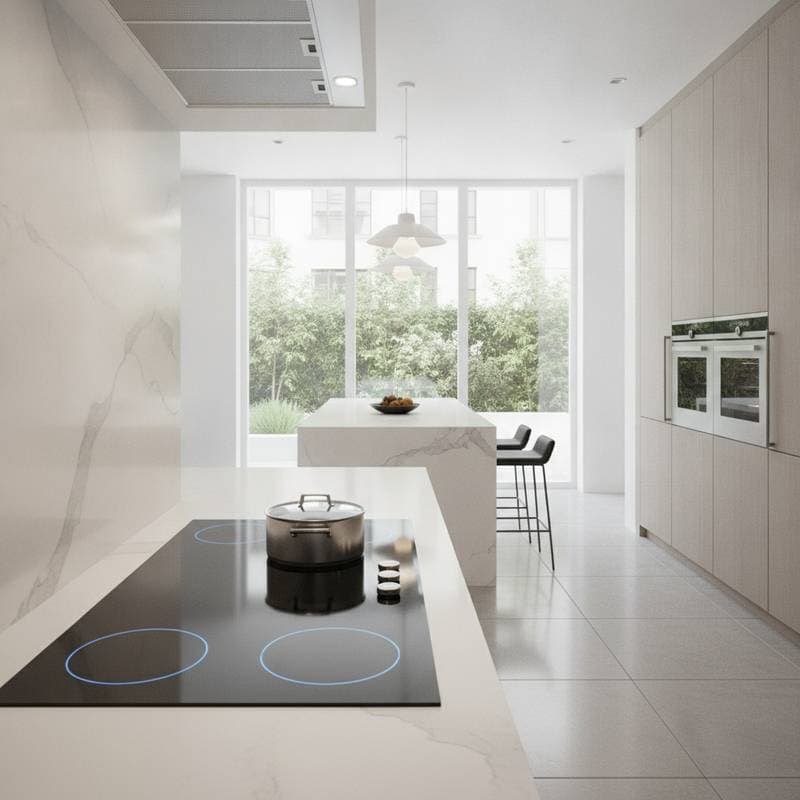
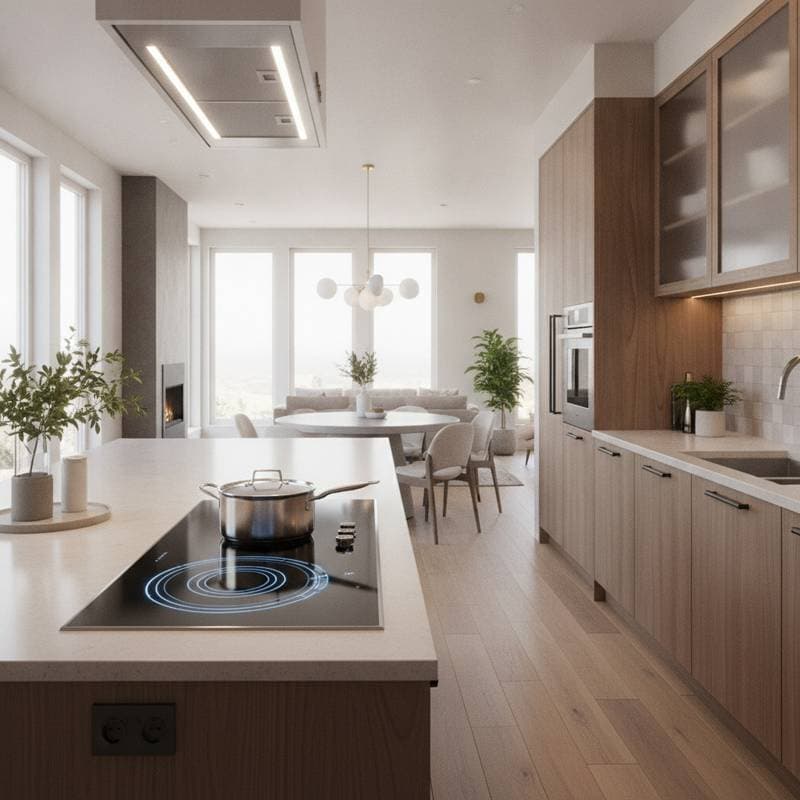
For existing setups, current gas stoves typically remain operational. However, new installations or extensive renovations often preclude gas line extensions. Induction cooking addresses this gap effectively. It employs electromagnetic fields to heat cookware directly, bypassing ambient air warming. This method delivers rapid heating, exact temperature regulation, and reduced kitchen temperatures.
Financial Implications of Postponing the Switch
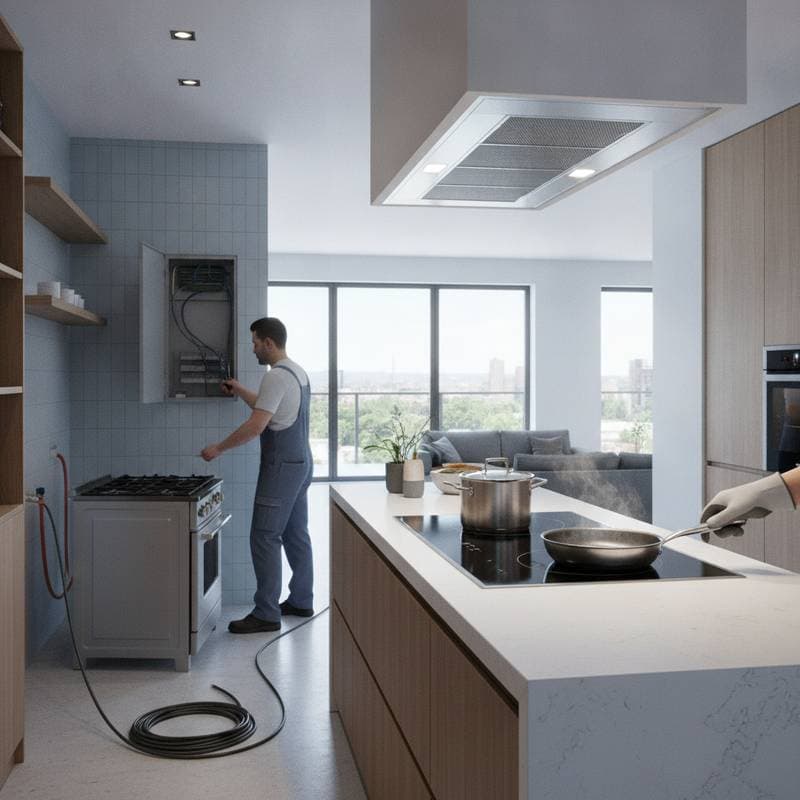
Clients frequently postpone induction adoption, assuming a straightforward stove swap suffices at the deadline. In reality, induction ranges demand specialized electrical circuits and robust wiring. Kitchens originally designed for gas may feature only basic 110-volt outlets at the appliance location. Induction requires a 240-volt dedicated circuit, akin to those for dryers or ovens.
Retrofitting electrical systems post-renovation proves far costlier than integrating upgrades during initial planning. Electricians must access wall interiors, install fresh wiring, and potentially enhance the primary service panel. Homeowners often incur costs two to three times higher for reactive modifications compared to proactive ones. During any forthcoming renovation, incorporate electrical enhancements immediately, regardless of short-term gas retention plans.
Practical Impacts of Adopting Induction Cooking
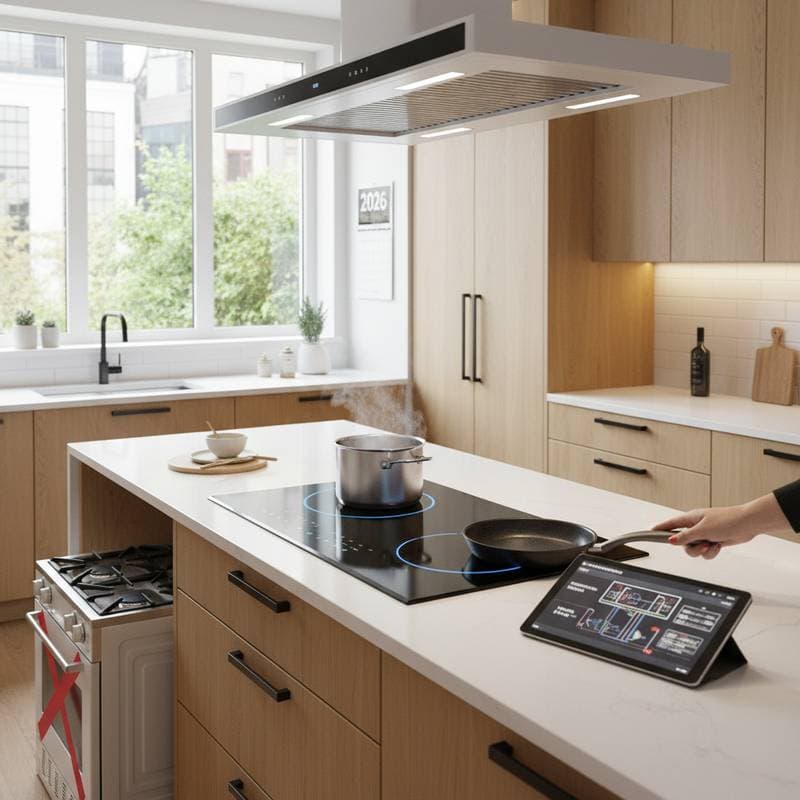
Resistance to change often arises from familiarity with gas responsiveness. This hesitation surfaces frequently in consultations. Induction surpasses gas in speed: pans heat instantaneously upon activation, and water reaches boiling point in under half the duration of conventional gas elements. The primary adaptation involves selecting suitable cookware. Cast iron and magnetic stainless steel varieties function optimally, whereas non-magnetic aluminum or copper requires a ferrous base layer.
Safety enhancements further distinguish induction. Surfaces remain cool without compatible pots in position, and heat dissipates promptly upon removal. This feature minimizes scalding incidents and removes flame-related dangers. Households with young children or senior members benefit substantially from these protections.
Key Steps to Equip Your Home for Induction
To align with evolving appliance regulations, follow these targeted actions:
-
Assess electrical panel capacity. Induction appliances consume considerable power. Engage a licensed electrician to verify that your primary service supports the extra demand without overload.
-
Install a dedicated 240-volt circuit. Proceed with this wiring during current remodels, even if retaining gas temporarily, to preempt disruptions.
-
Enhance ventilation systems. Although induction generates minimal heat and vapor, effective exhaust remains crucial. Opt for externally venting range hoods over recirculating alternatives for superior air clearance.
-
Evaluate cookware compatibility in advance. Prior to purchasing premium induction equipment, use a household magnet to test pot bases. Strong adhesion confirms usability.
-
Collaborate with knowledgeable contractors. Professionals versed in gas and electric integrations guide designs that maintain compliance and versatility amid regulatory changes.
-
Budget for potential panel upgrades. Older homes may need service expansions from 100 to 200 amps; factor this into renovation estimates for comprehensive preparedness.
Addressing Persistent Myths on Induction Technology
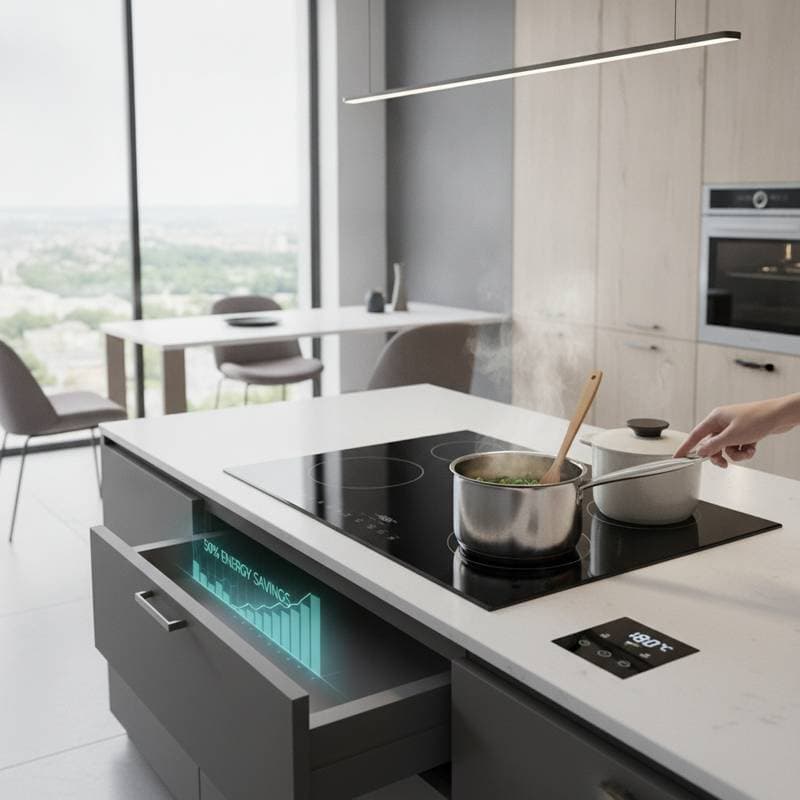
Misunderstandings deter many from embracing induction. A common belief posits higher operational expenses. Evidence shows induction proves more economical than gas, as energy transfers almost entirely to the cookware with negligible thermal waste. Another misconception labels induction as delicate. Contemporary models feature resilient glass-ceramic tops engineered for routine handling. Prompt spill cleanup and gentle pan placement ensure longevity.
Installation complexity concerns also prevail. Once electrical preparations conclude, induction setup simplifies compared to gas configurations. It eliminates gas pressure testing, combustion exhaust mandates, and ignition vulnerabilities. The challenge lies in foresight, not execution.
Building a Resilient Kitchen Infrastructure
This evolution transcends appliance choices; it reshapes kitchen construction and energy dynamics. Early comprehension spares owners the pitfalls of obsolete setups and retrofit burdens. For imminent remodels, prioritize induction-compatible designs, irrespective of immediate cooktop acquisition.
Regulatory momentum accelerates this direction, ensuring sustained relevance. As a contractor, I emphasize that meticulous upfront planning serves as the most cost-effective safeguard. Establish robust electrical foundations, select flexible appliances, and partner with code-adherent experts to secure enduring functionality and efficiency.