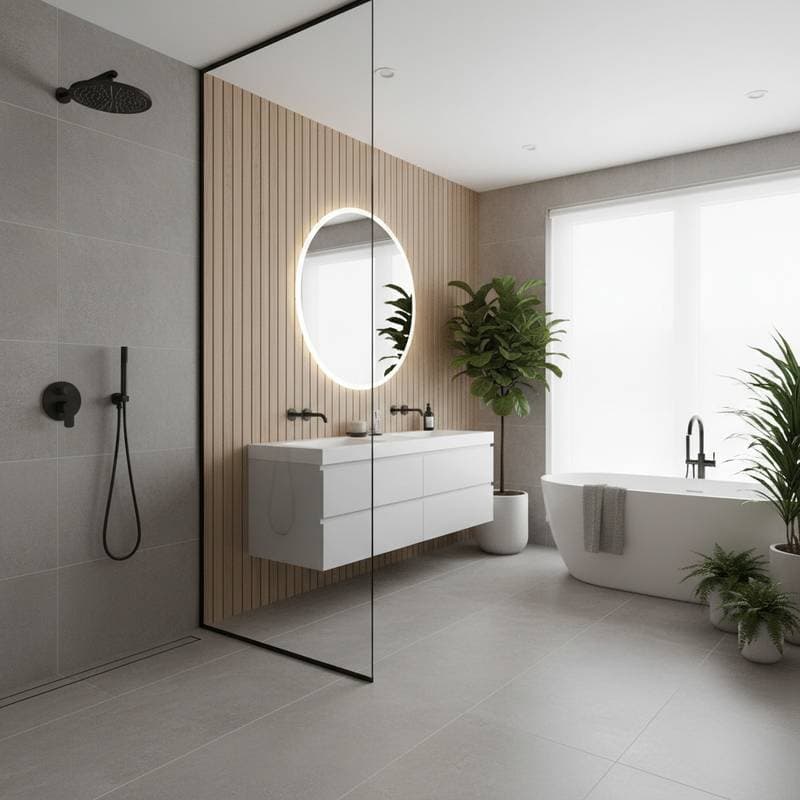
Doorless Showers Set to Dominate Bathrooms in 2026
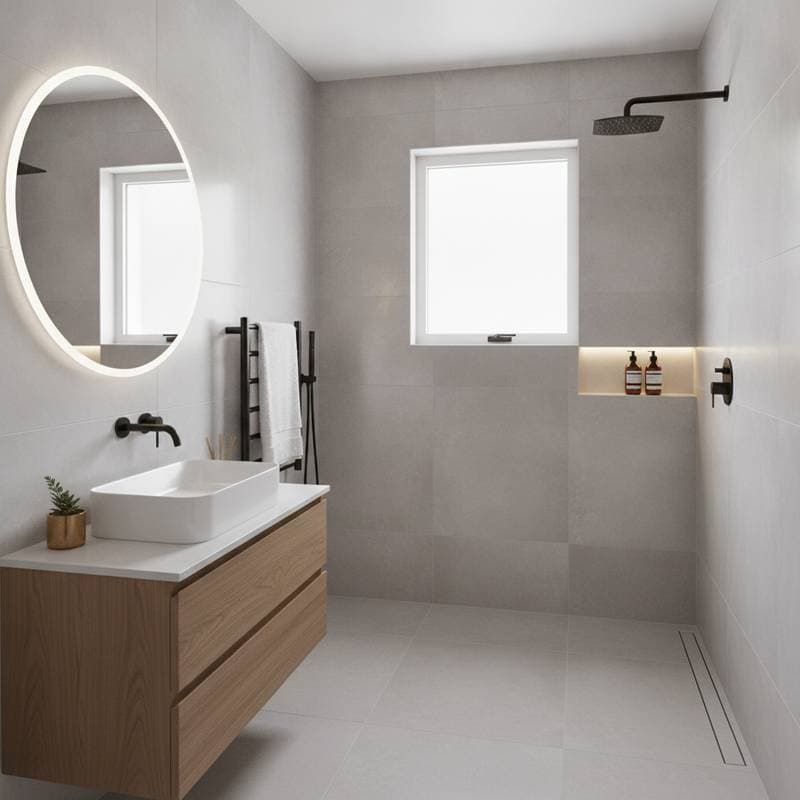
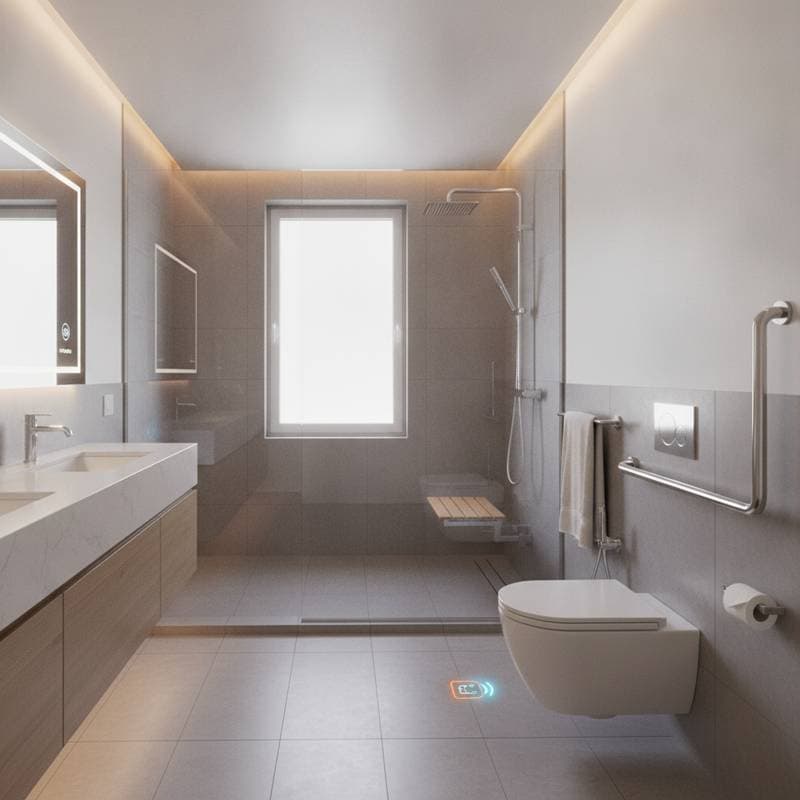
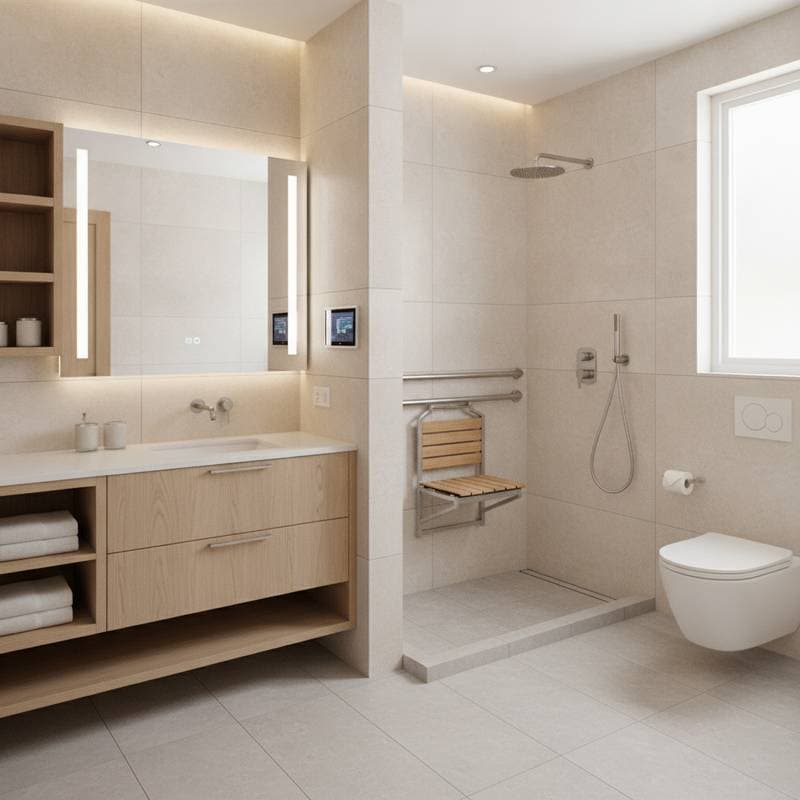
Planning a bathroom remodel reveals a clear shift: doorless showers appear in designs across various settings. This feature, once reserved for luxury custom builds, now integrates into standard renovations. As a contractor experienced in constructing numerous wet room bathrooms, one observes that doorless showers prove practical, resilient, and inclusive when constructed with precision. However, improper design or sealing introduces significant challenges.
This guide examines the factors propelling doorless showers forward, identifies key pitfalls, and provides steps for achieving a seamless, efficient, and enduring installation.
Common Mistakes Homeowners Make
Many bathrooms reveal attempts at doorless designs without layout adjustments or adequate sealing, leading to substantial repair costs. A doorless setup alters water flow dynamics, requiring specific adaptations in flooring, airflow, and positioning.
Observe these prevalent errors:
-
Poor Drainage Planning
Inadequate floor sloping toward the drain causes water to pool across the space. A minimum slope of one-quarter inch per foot ensures efficient runoff. Neglecting this results in standing water, potential leaks, and floor degradation. -
Inadequate Waterproofing
Cement board provides structure but lacks inherent water resistance. Apply a full waterproof membrane across walls, floors, and junctions for complete protection. Omitting this invites concealed moisture damage and structural decay. -
Incorrect Shower Placement
Positioning the showerhead near entrances or fixtures invites unwanted spray. Locate the shower area deeper in the room or use a low partition to contain water. Strategic placement maintains dryness in adjacent zones. -
Insufficient Ventilation
Open designs allow moisture to disperse widely, demanding robust exhaust systems and cross-ventilation. Inadequate airflow fosters mold growth on surfaces and fixtures. -
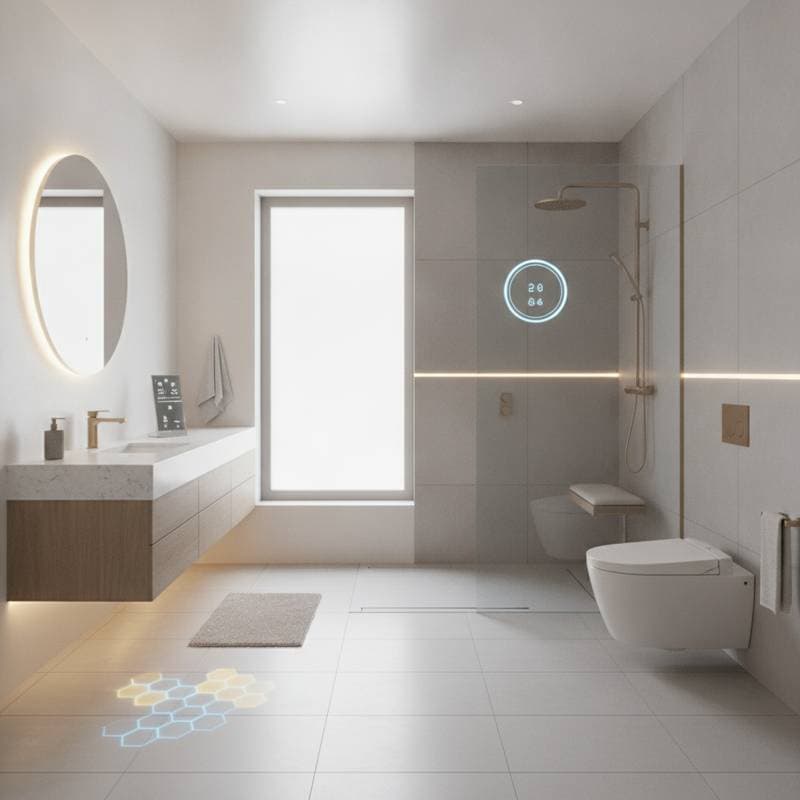
Ignoring Heat Loss
Exposed showers may feel chilly without supplemental warmth. Incorporate underfloor radiant heating or warmed seating to enhance user comfort alongside visual appeal.
Professional guidance during planning eliminates these issues, ensuring a flawless outcome.
Cost and Value Considerations
Constructing a doorless shower demands greater initial investment than enclosed alternatives, primarily from extensive sealing and tiling requirements. The benefits include a resilient, user-friendly bathroom that enhances market appeal. Contractors note this upgrade delivers tangible improvements in daily comfort and property worth.
Anticipate elevated expenses for:
- Precise floor preparation and gradient creation
- Advanced membrane applications and sealant integrations
- Tailored tile layouts and specialized drain setups
- Enhanced exhaust and thermal systems
Project costs fluctuate based on room dimensions and material selections, yet long-term gains justify the outlay. Owners frequently cite increased enjoyment and reduced ongoing expenses.
Long-Term Care and Maintenance
Doorless showers require minimal routine attention yet benefit from consistent practices to sustain performance over years.
Adopt these measures:
- Dry surfaces promptly after showers to minimize scale accumulation.
- Maintain grout with gentle, pH-neutral cleaners on a regular schedule.
- Examine sealant lines yearly; reapply where gaps appear.
- Operate exhaust fans for at least 20 minutes post-use.
- Test heating and ventilation components seasonally for reliability.
Prompt attention to minor concerns averts major repairs. A meticulously built and cared-for doorless shower stands as a pinnacle of bathroom longevity.
Maximizing the Benefits of Your Doorless Design
Implementing a doorless shower elevates the bathroom's ambiance and utility, promoting spaciousness, ease of access, and contemporary flow. Success hinges on meticulous attention to gradients, barriers against water, and air circulation, yielding an aesthetically pleasing and dependable feature.
From a contractor's viewpoint, this evolution signals a practical evolution in bathroom planning, aligned with real lifestyles rather than mere display ideals.