2026 Bathrooms: Integrating Safe Aging with Luxurious Innovation
Imagine entering your bathroom on a serene morning. Warm floors greet your feet, lights brighten automatically as you move, and shower controls respond to a light touch. This setup feels intuitive, secure, and elegant. Homeowners increasingly design bathrooms like this to support aging in place while preserving contemporary aesthetics and comfort.
Addressing Safety Concerns Through Stylish Design
Bathrooms pose unique challenges as individuals age. Slippery surfaces, low seating, and tall barriers heighten fall risks. Many avoid modifications due to concerns over a sterile appearance. Fortunately, accessible design principles now incorporate sophisticated elements that maintain visual appeal.
Contemporary bathrooms merge universal design with advanced technology and refined materials. These spaces promote autonomy and grace without compromising indulgence. Consider applying these concepts during renovations for primary residences or accommodations for family members.
Building a Foundation with Universal Design
Universal design creates environments usable by people of all abilities. In bathrooms, this involves spacious entries, even surfaces, accessible controls, and low-effort fixtures. Pairing these with intelligent systems yields safer, more pleasant areas.
Follow these steps to achieve this integration in your project.
Step 1: Optimize the Layout for Seamless Movement
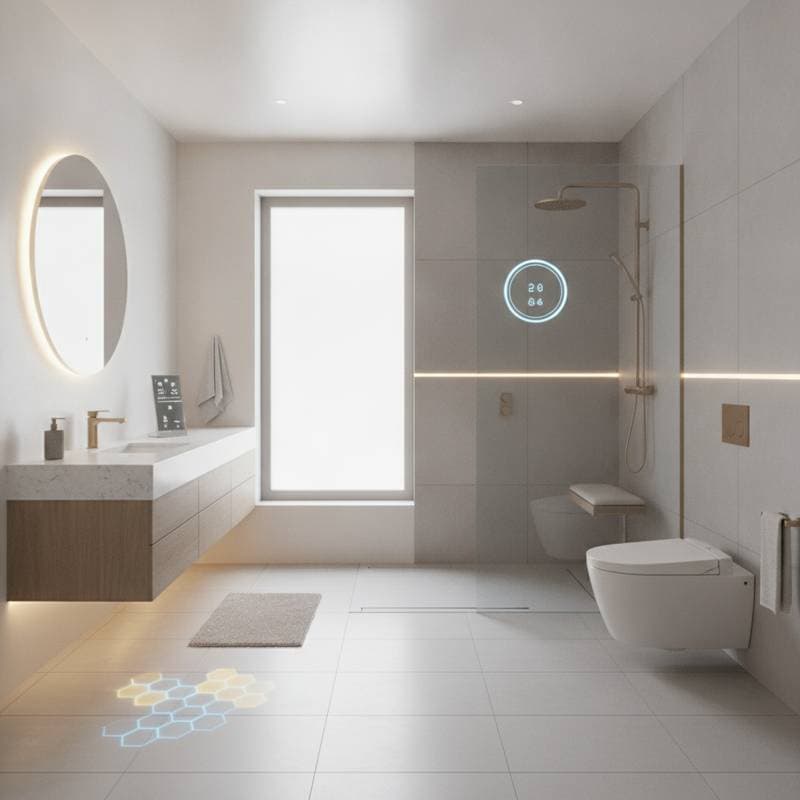
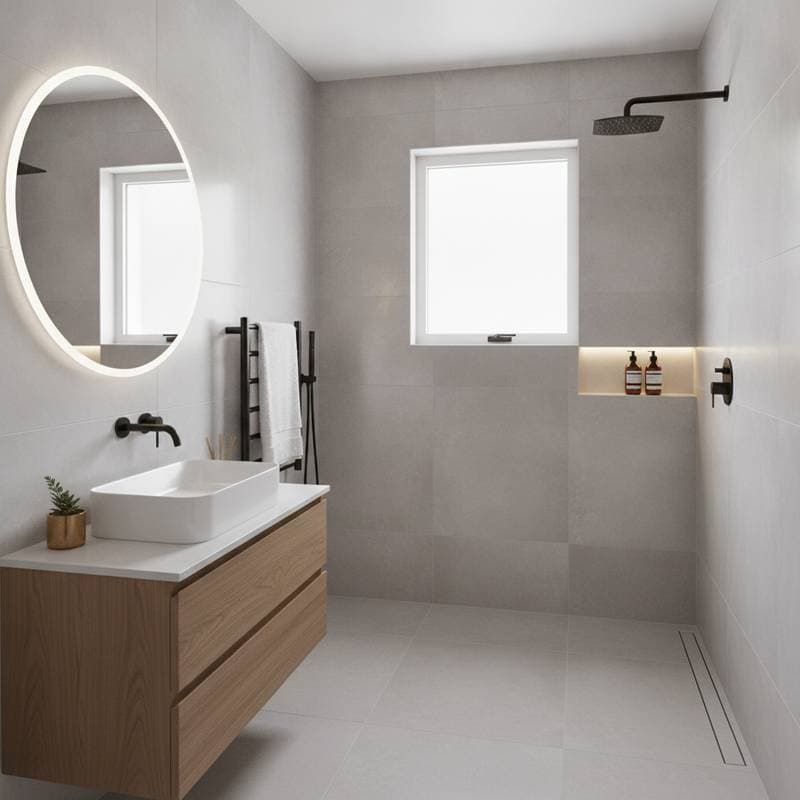
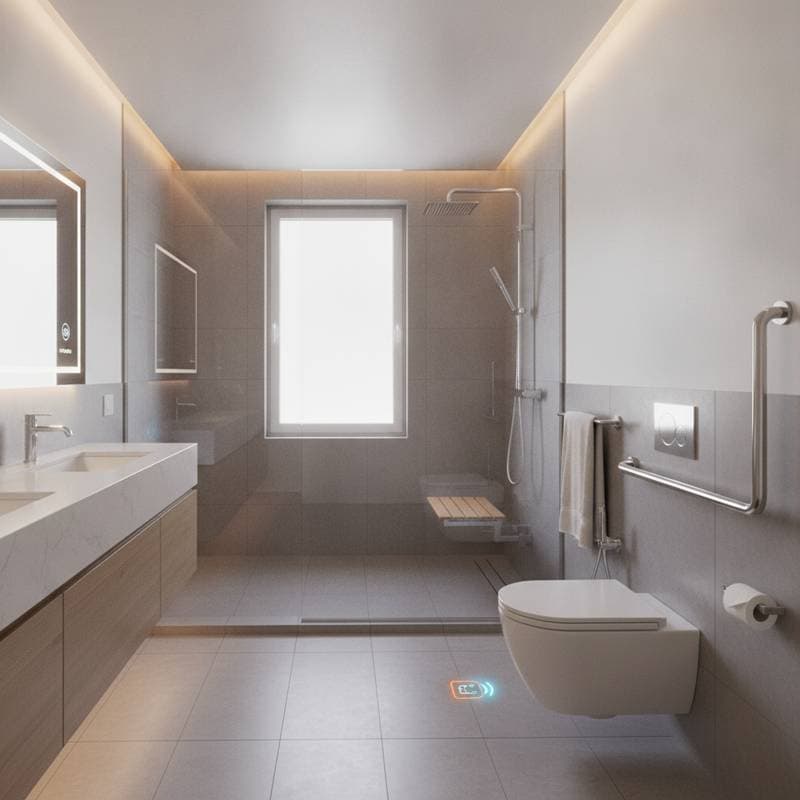
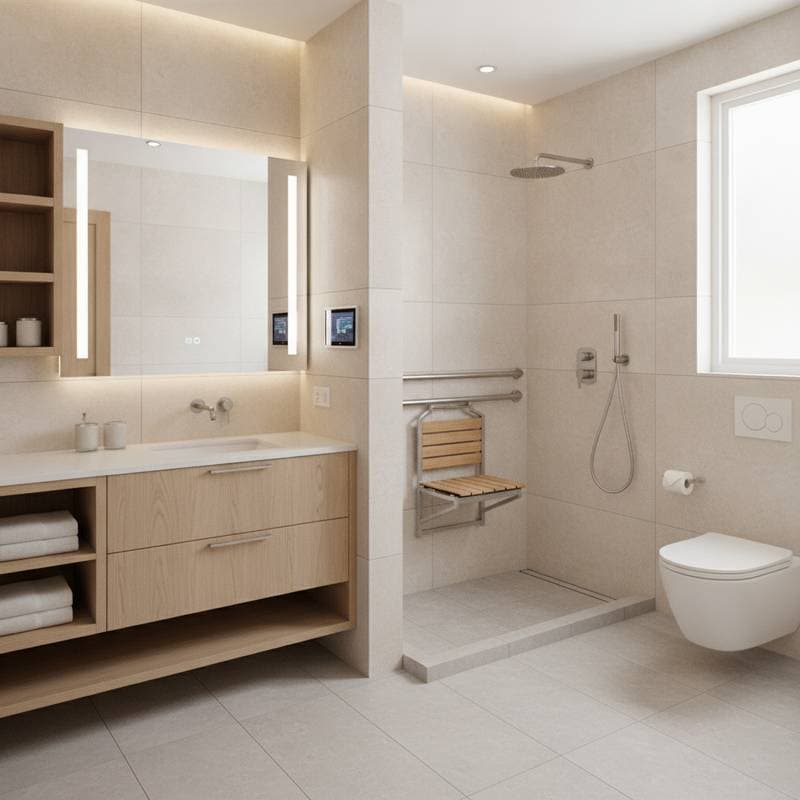
Evaluate circulation first. Ensure at least 36 inches of clearance between elements to avoid navigation obstacles. Opt for a curbless shower with a gentle slope to the drain where possible; this removes thresholds and accommodates mobility aids.
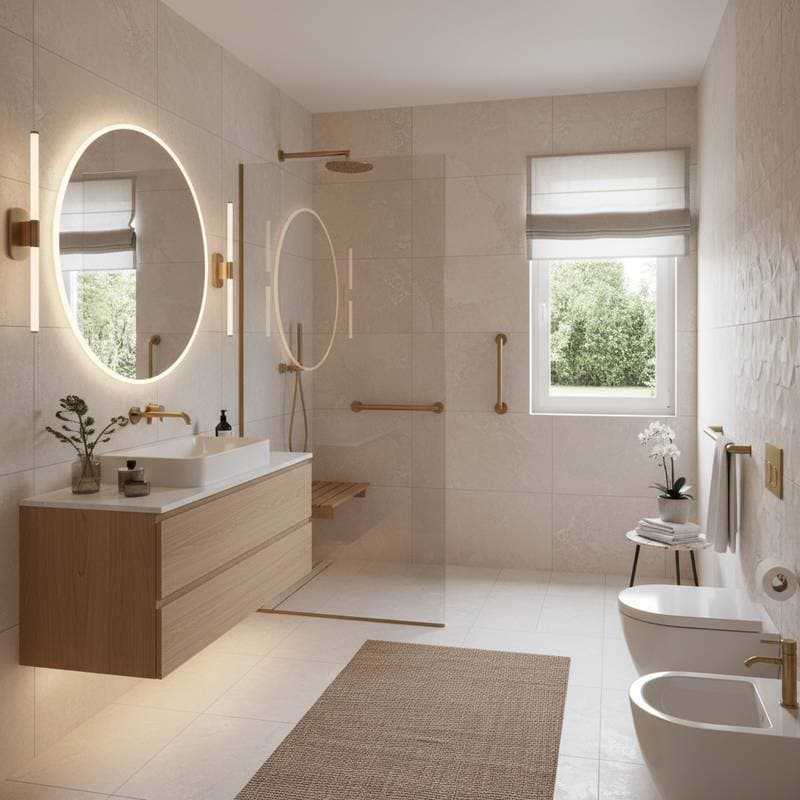
Incorporate a built-in or folding shower bench to aid balance during bathing, enhancing the spa ambiance. Place grab bars near the toilet and shower entry. Select finishes like polished chrome, oil-rubbed bronze, or teak that harmonize with premium interiors.
Step 2: Select Fixtures for Effortless Operation
Prioritize comfort-height toilets elevated 17 to 19 inches from the floor. These ease transitions for sitting and rising. For flooring, choose slip-resistant options such as matte porcelain tiles or vinyl mimicking natural stone, avoiding the need for removable mats.
Install lever-style or sensor-activated faucets to simplify use and promote cleanliness. Thermostatic valves in showers deliver consistent temperatures to avoid burns. Add adjustable-height shower wands with slide bars, allowing personalization for different users.
Step 3: Enhance Visibility with Strategic Lighting
Effective illumination prevents accidents by minimizing shadows. Combine overhead ambient lights, focused task lighting over vanities, and subtle accents to illuminate pathways. Motion-activated sensors ensure lights activate upon entry, conserving energy.
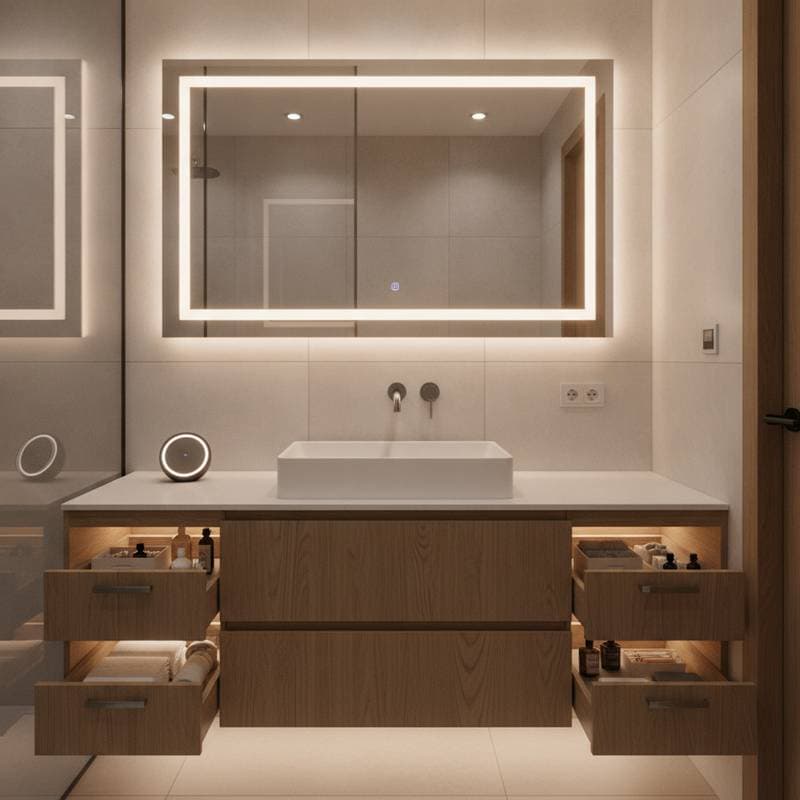
Under-cabinet strips and toe-kick fixtures provide low-level guidance during nighttime visits. Select mirrors with integrated LED backlighting that simulates daylight, reducing fatigue during routines. Favor matte finishes and warm color temperatures to control glare.
Step 4: Incorporate Intelligent Systems for Added Convenience
Technology elevates functionality and reassurance. Radiant heated floors offer consistent warmth and quicker drying, lowering moisture-related slips. Voice-activated controls for lights and showers assist those with reduced dexterity.
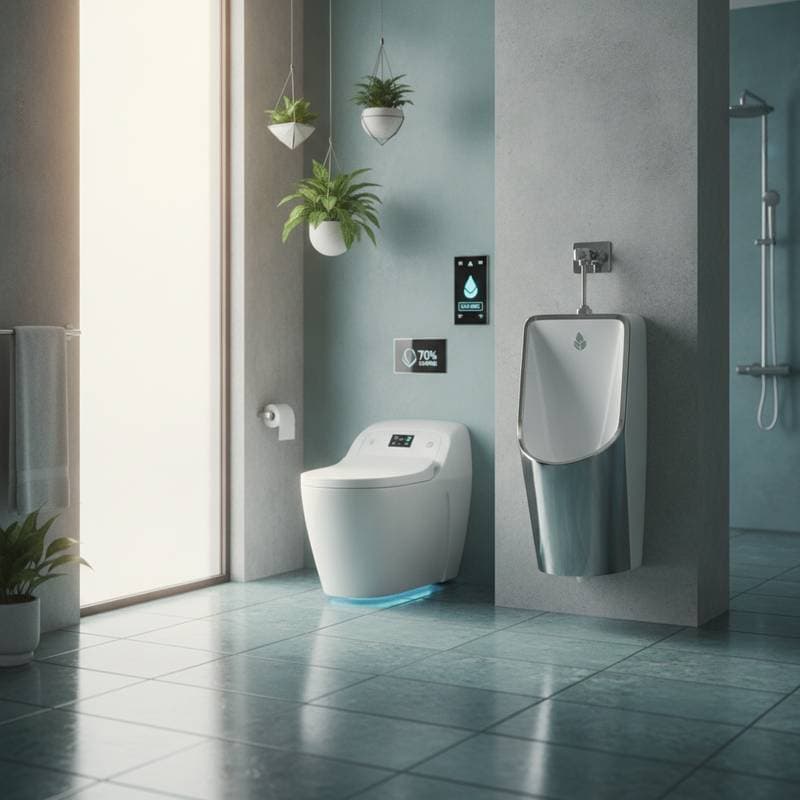
Install water leak detectors that notify smartphones of issues like running faucets or hidden drips. Advanced toilets feature bidets, auto-flush, and integrated nightlights for hygiene and ease. These enhancements blend opulence with long-term self-sufficiency.
Managing Budget, Regulations, and Schedules
Renovation expenses vary by extent and selections. Basic additions like grab bars, anti-slip treatments, or automated faucets range from $300 to $1,500 and suit DIY efforts over a weekend.
Moderate overhauls, including curbless entries, updated illumination, and tech integrations, cost $8,000 to $20,000. Comprehensive transformations with high-end surfaces, underfloor heating, and full automation may exceed $25,000 to $50,000.
Verify local requirements for alterations such as doorway expansions or plumbing relocations. Accessibility updates often fall under building codes; engage certified professionals to navigate these. Projects span one week for minor work to four to six weeks for extensive changes, plus delays for bespoke items.
Realizing Broader Benefits
Beyond hazard reduction, these adaptations improve daily routines and property worth. Market trends show demand for versatile homes suitable for diverse generations. Barrier-free bathrooms with aesthetic touches attract broader buyers.
View these as investments in adaptability. Enhanced controls and efficient systems cut utility costs over time. The result is a residence that aligns with evolving lifestyles.
Tailoring to Environment and Habits
Local conditions shape decisions. In cooler areas, underfloor heating and warmed towel racks combat chill. Humid regions benefit from superior ventilation and mold-resistant materials like glazed porcelain over porous stone.
For multi-level dwellings, prioritize ground-floor updates with entry-level showers to defer stair adaptations. Align choices with household routines, such as ample storage in shared spaces.
Essential Strategies for Effective Implementation
- Establish core safety elements before aesthetic flourishes to build a solid framework.
- Sample hardware at suppliers to assess ergonomics and textures firsthand.
- Apply color contrasts between floors and walls to highlight boundaries, aiding perception.
- Integrate accessible storage like wall-mounted shelves and corner niches to preserve openness.
- Partner with specialists in universal design for code adherence and personalized flair.
Embracing the Transformed Space
With completion, the bathroom facilitates fluid interactions. Features anticipate needs, fostering security and poise in motion. This design endures, mirroring personal growth while delivering enduring utility and character.