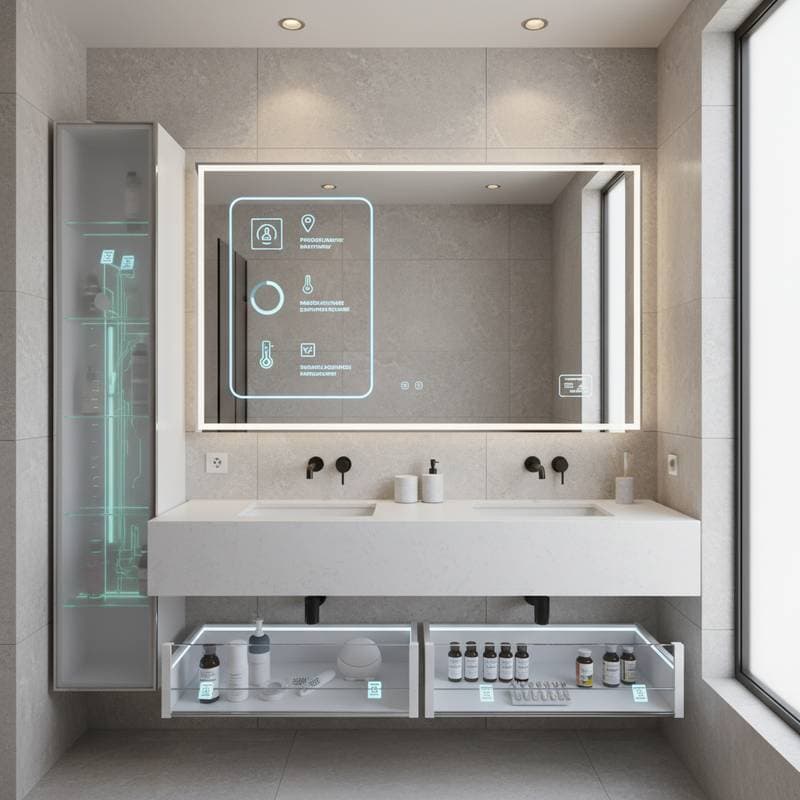
AI Mirrors Revolutionize Bathroom Storage Solutions
Smart technology extends beyond smartphones and audio devices into everyday spaces like bathrooms. AI mirrors with integrated storage systems represent a key advancement, offering more than simple reflection. These devices analyze user habits, optimize product organization, and maximize available space. As a contractor experienced in installing such systems, I observe a shift in how homeowners approach bathroom design and daily use.
Challenges of Conventional Bathroom Storage
Homeowners often overlook the long-term difficulties of maintaining bathroom organization. Standard configurations feature a basic mirror paired with a standalone medicine cabinet or vanity drawer. Products accumulate rapidly, leading to overcrowded shelves and disordered environments. Clients frequently express frustration over the swift return of chaos in newly organized spaces, typically due to inadequate design cohesion.
Conventional storage isolates functionality from technological support. Lighting fixtures occupy one area, mirrors another, and cabinets remain concealed behind narrow doors. These elements operate independently without adapting to actual usage patterns. AI mirrors address this disconnect by unifying features into a cohesive system.
Enhancing Bathroom Functionality Through AI Integration
AI mirrors merge illumination, reflection, and computational capabilities into a single installation. Advanced models incorporate sensors for temperature and humidity, along with voice or gesture interfaces and automated storage adjustments. Proper setup allows these devices to detect usage trends and modify internal compartments or issue timely alerts.
Installation demands a reliable power supply and, in some cases, internet access. This process exceeds the simplicity of mounting a traditional mirror, yet delivers considerable everyday benefits. Contractors recommend incorporating these elements during full renovations to avoid expensive retrofits, such as routing wiring through finished tile or stone surfaces.
Advanced Storage Features in AI Mirrors
Contemporary AI mirrors function as digital medicine cabinets, employing internal cameras or RFID technology to monitor contents. These systems alert users to depleting supplies of prescriptions or cosmetics. Certain models link to mobile applications for scheduling doses or suggesting restocks.
From an installation viewpoint, this integration influences surrounding construction. Spaces must accommodate added depth, ensure adequate ventilation, and facilitate secure cabling. Devices handling data or inventory require the same considerations as other networked appliances, including unobstructed airflow and protected electrical pathways.
Advantages Extending Past Daily Ease
While convenience draws initial interest, AI mirrors provide deeper benefits like waste reduction and superior organization. Users gain visibility into inventory levels, enabling smarter purchasing and timely product use. This approach minimizes excess spending and maintains tidier surroundings.
For households coordinating medications, enhanced safety features prove invaluable. Select systems secure specific areas or dispatch notifications for overlooked doses. Installations I have completed include mirrors that relay secure updates to family members or caregivers via dedicated applications, supporting health management and autonomy.
Seamless Design and Visual Harmony
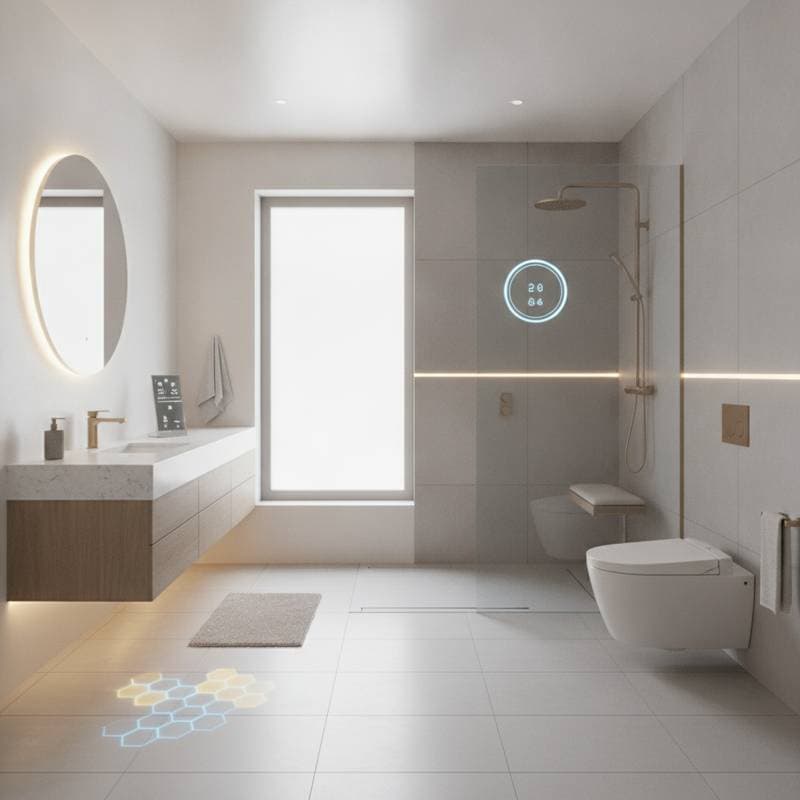
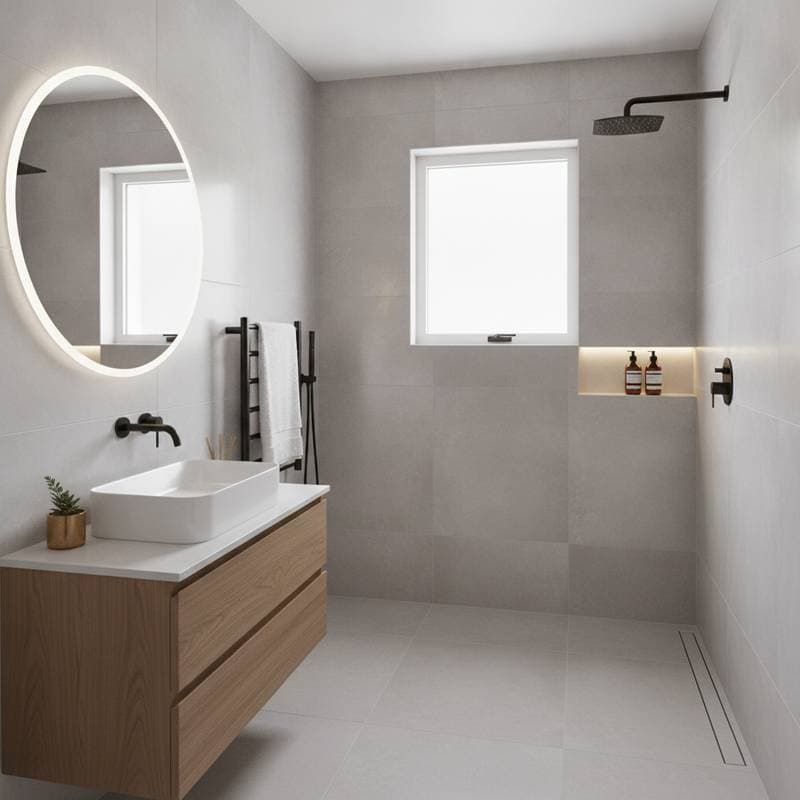
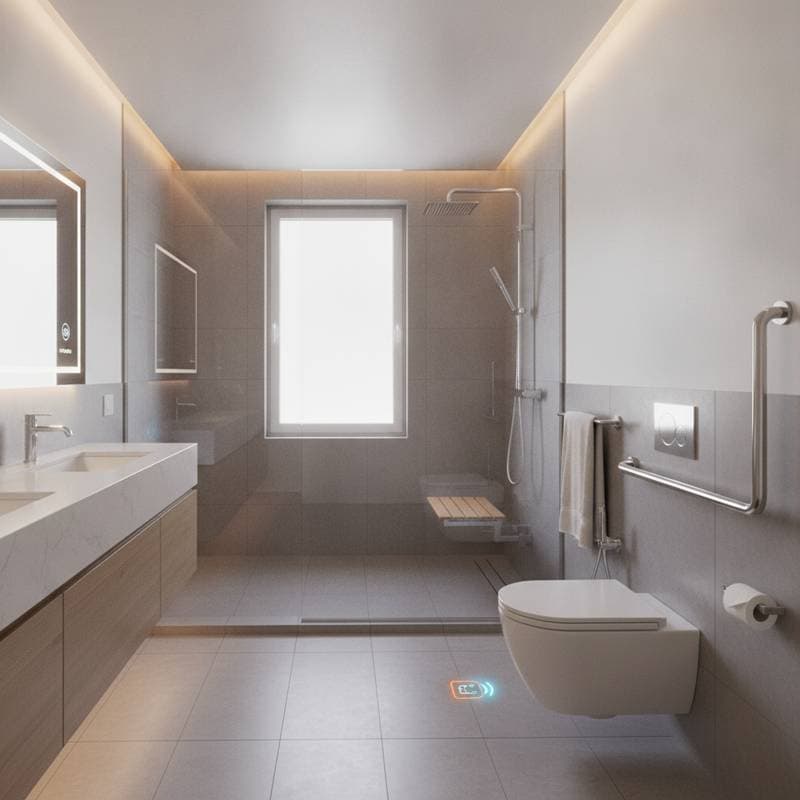
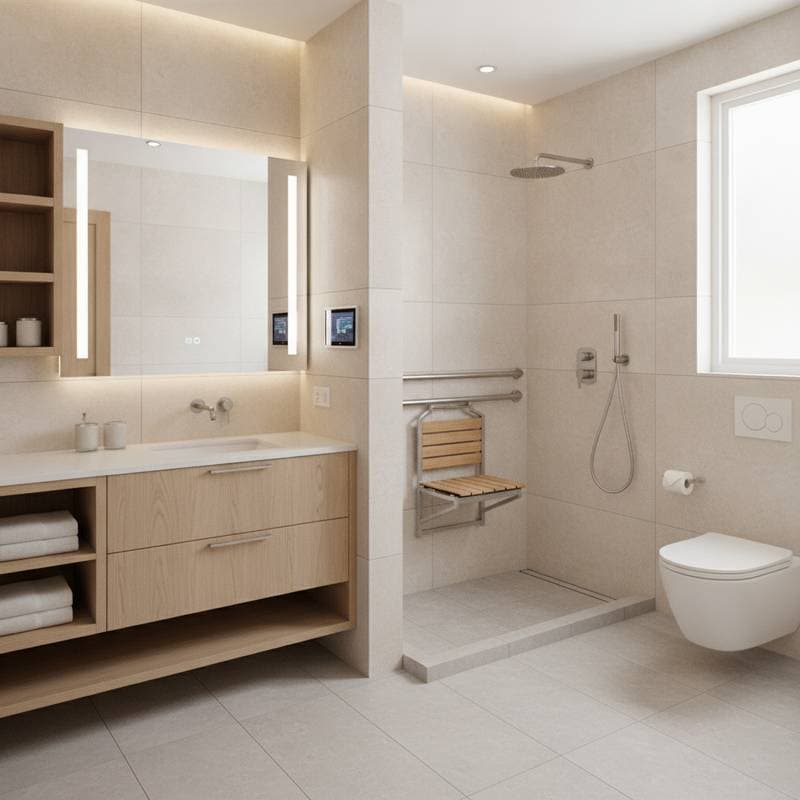
Effective AI mirrors avoid an industrial appearance through clean lines and concealed mechanisms. As a remodeling specialist, I stress that visual appeal equals practical utility in selection.
Integration requires careful attention to lighting dynamics. Built-in LED arrays offer customizable settings mimicking natural or ambient light. Precise positioning prevents uneven shadows or excessive brightness, underscoring the importance of expert mounting to achieve optimal results.
Key Installation Considerations from a Contractor's View
Deploying AI mirrors with storage capabilities involves detailed preparation, including structural support, electrical integration, and connectivity verification. The following practices guide my projects:
-
Independent Electrical Circuit
Allocate a dedicated line for the mirror, as power demands surpass those of basic fixtures. Shared circuits risk overloads and operational failures. -
Humidity-Resistant Sealing
Enclose all connections in moisture-proof housings and apply protective sealants. Waterproof enclosures and silicone barriers safeguard against bathroom dampness. -
Reliable Connectivity
Verify strong Wi-Fi coverage for internet-dependent features. Signal boosters may prove necessary in expansive residences to sustain notifications and controls. -
Structural Support
Bolster mounting areas with additional framing or blocking, given the increased weight from embedded components. Drywall fasteners alone insufficiently secure these units. -
Owner Training
Provide thorough demonstrations on application navigation, compartment setup, and upkeep routines post-installation. Initial instruction averts future operational misunderstandings.
Safeguarding Long-Term Performance
Selecting durable AI mirrors ensures reliability without ongoing complications. Opt for manufacturers providing comprehensive warranties, update protocols, and service networks. Steer clear of low-cost options lacking sustained support.
Routine maintenance preserves functionality. Employ mild cleaning methods with soft cloths to protect sensors and finishes. Clear ventilation paths regularly to avoid thermal buildup, and apply software patches promptly for features like voice or biometric access to uphold security.
Cost-Benefit Analysis for Remodeling
AI mirrors qualify as a moderate investment in bathroom upgrades, with prices varying from several hundred to thousands of dollars based on dimensions and capabilities. Labor encompasses wiring, securement, and potential surface alterations.
In consultations, I equate this to enhancements like radiant heating or automated fixtures. Returns manifest in enhanced usability and efficiency over time. A streamlined, illuminated, and responsive bathroom elevates living quality and appeals to prospective buyers through integrated innovation.
Addressing Privacy and Data Security
Connected AI mirrors with imaging or audio components prompt valid concerns over personal information. Review manufacturer policies meticulously and limit data transmission where feasible. Contractors advocate for on-device storage to minimize external exposure.
For cloud-reliant operations, fortify networks with robust authentication and regular updates. Voice-enabled devices maintain active listening states, so instruct all users on deactivation procedures. Informed practices form the foundation of secure implementation.
Integrating AI Mirrors into Your Space
AI mirrors suit a range of bathroom updates, promoting safety, cleanliness, and productivity. Advance planning proves essential: address electrical, cabling, and signal requirements at the outset of any project. Pair with effective exhaust systems, humidity management, and uniform lighting for a unified setup.
Professional execution transforms these tools from novelties into intuitive aids. Focus remains on streamlining habits rather than introducing complexity, yielding bathrooms that adapt effortlessly to needs.