Smart Bathroom Technology for Senior Safety at Home
You may wonder how long your bathroom will remain comfortable as needs evolve. Slippery surfaces, awkward fixtures, and dim lighting often complicate daily routines. Updated technology now supports safer, more independent living without a clinical appearance.
This guide covers practical bathroom upgrades that promote comfort and confidence. Readers will identify worthwhile investments, simple installations, and projects that require professional help.
Fixtures That Simplify Daily Tasks
Touchless Faucets
Touchless faucets lower scalding risks and reduce strain on joints. Models range from 150 to 600 dollars based on features such as preset temperature limits. Voice activation adds further convenience by allowing spoken commands to start water flow.
Professional installation typically costs 150 to 300 dollars. These systems integrate with common digital assistants for hands free operation.
Digital Shower Controls
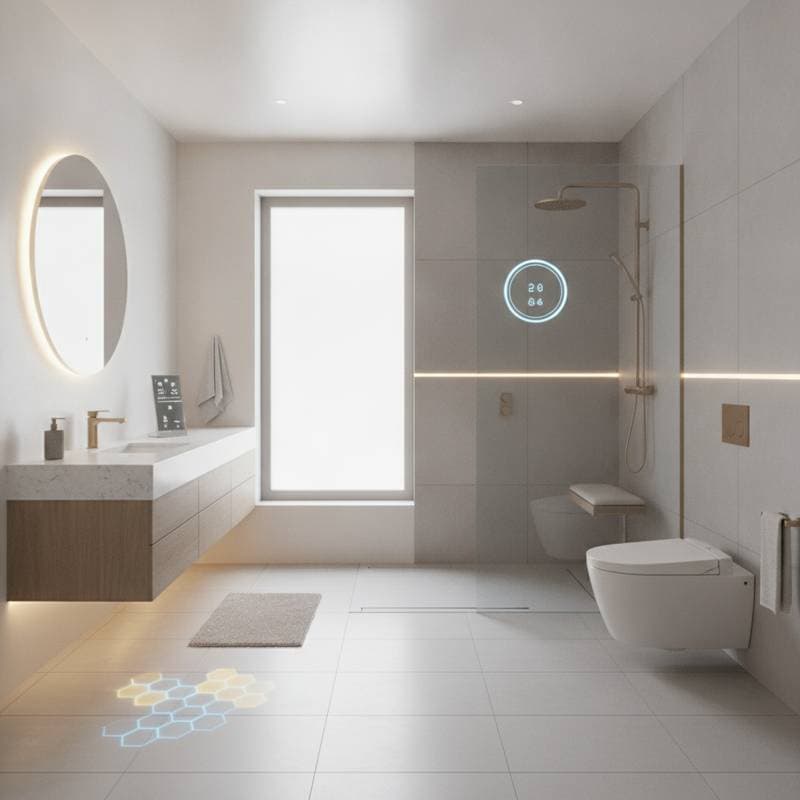
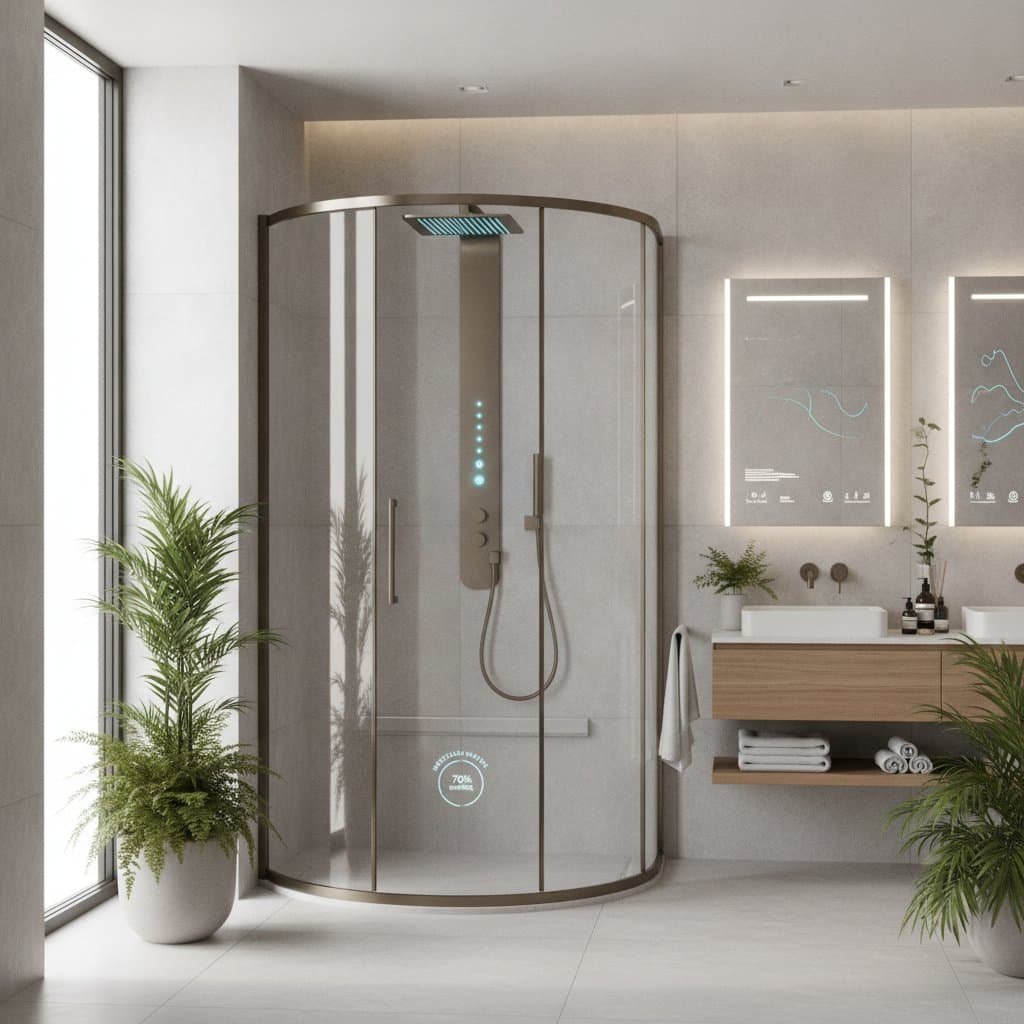
Digital shower systems store preferred temperature and pressure settings for each user. Sudden changes in water temperature become less likely, which reduces fall risks. Full setups cost between 800 and 2000 dollars.
Multiple profiles prove useful in multigenerational households. Controls respond to voice commands or simple button presses.
Adaptive Lighting Solutions
Motion Activated Options
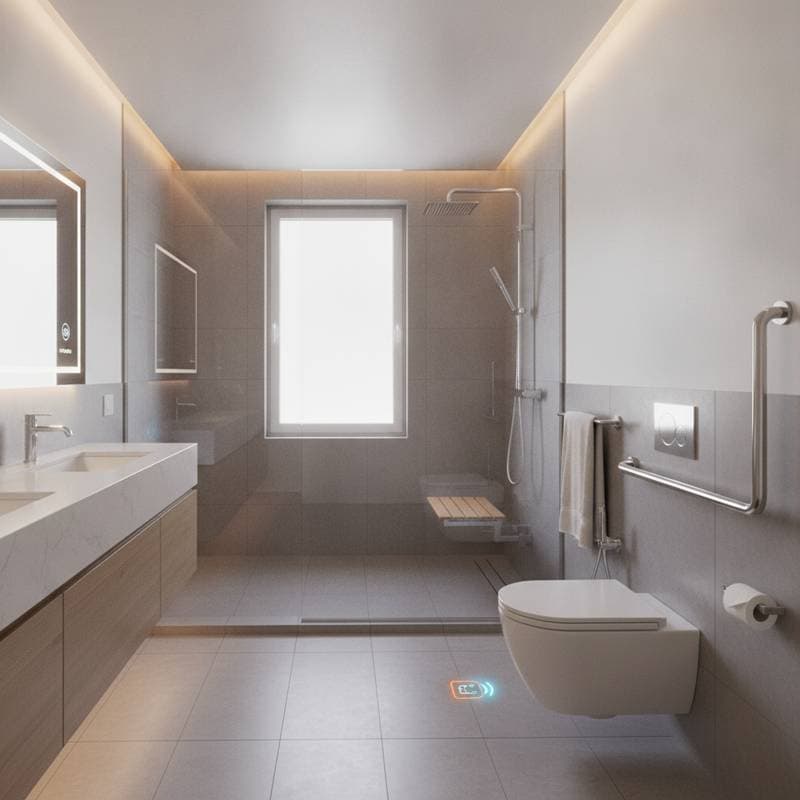
Motion activated lights along baseboards guide nighttime movement safely. Costs range from 50 to 200 dollars depending on coverage. Adaptive systems shift brightness and color temperature automatically throughout the day.
Warm evening tones support relaxation while brighter morning light aids grooming tasks.
Smart Mirrors
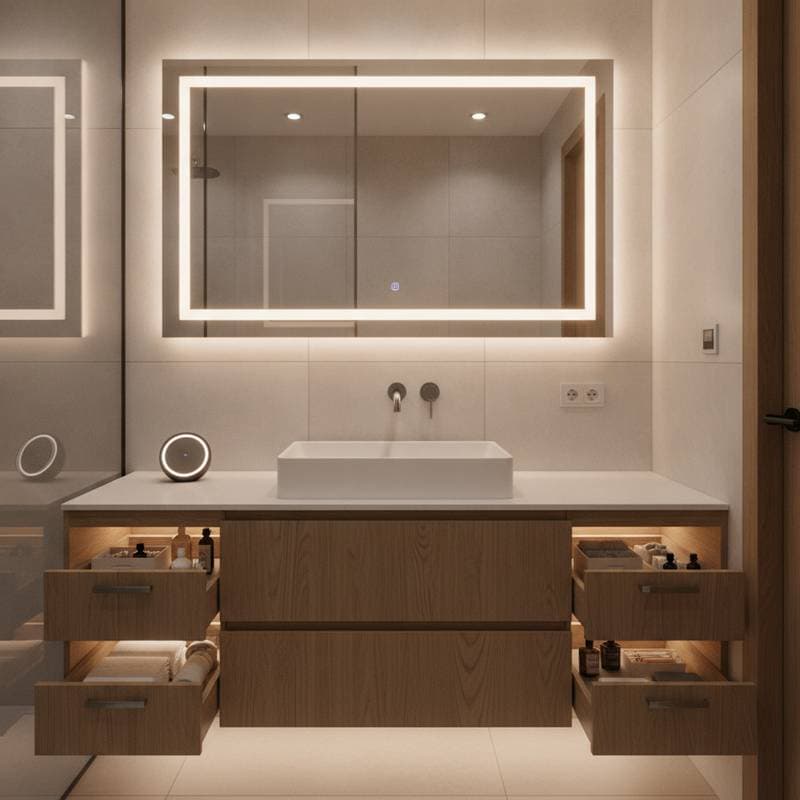
Smart mirrors combine LED lighting, anti fog features, and voice controls. Some models display medication reminders or weather updates. Entry level units begin around 250 dollars, while advanced versions reach 1000 dollars.
Integrated Safety Features
Slip Resistant Flooring
Textured tiles and vinyl planks offer attractive finishes with strong traction. Materials meeting a coefficient of friction rating of 0.42 or higher perform well in wet conditions. Installation averages 6 to 14 dollars per square foot.
Stylish Grab Bars
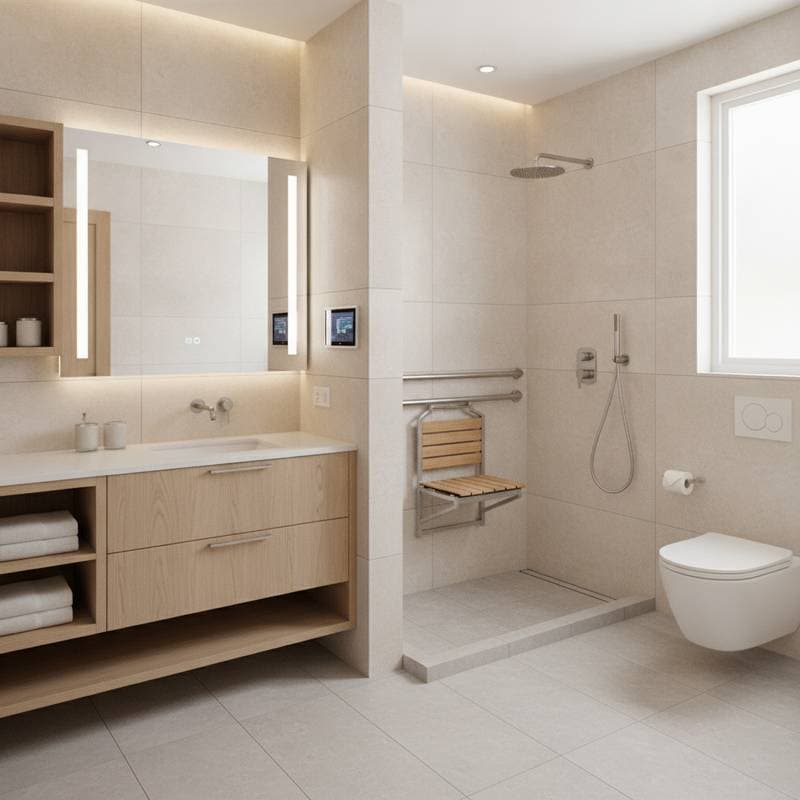
Decorative grab bars support up to 250 pounds and match existing hardware finishes. Prices fall between 50 and 150 dollars per bar, with installation adding roughly 75 dollars. Secure attachment to wall studs remains essential.
Curbless Showers
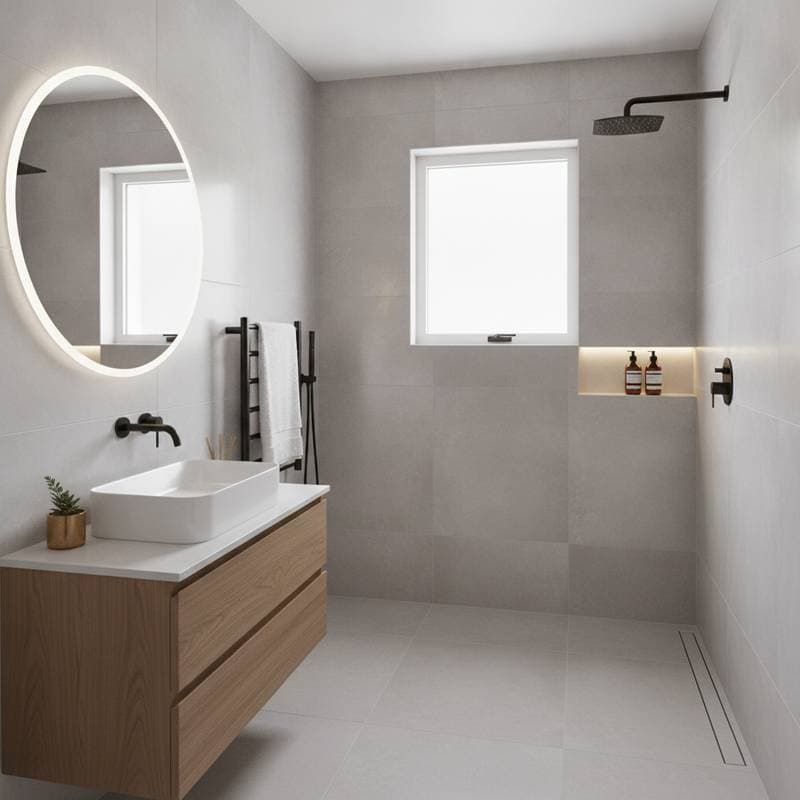
Zero threshold showers remove tripping hazards and accommodate wheelchairs when needed. Basic tub conversions cost 6000 to 12000 dollars. Built in seating increases comfort for users with limited mobility.
Wellness Monitoring Tools
Advanced Toilets
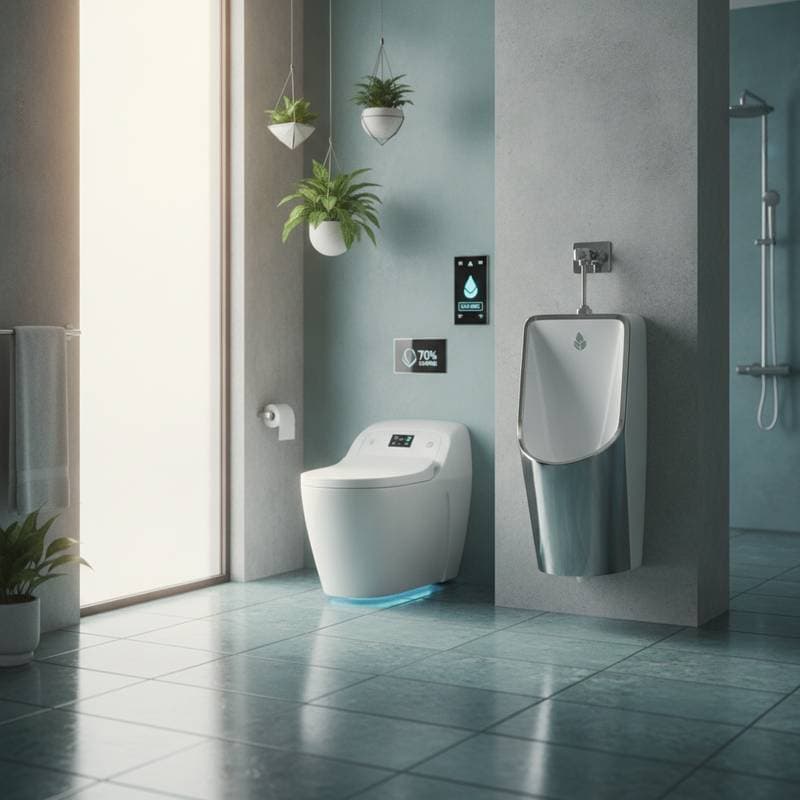
Smart toilets provide heated seats, automatic lids, and bidet functions. Entry models start near 1000 dollars, with premium units reaching 5000 dollars. Some include sensors that track hydration and output patterns.
Leak Prevention Systems
Smart detectors alert phones to moisture near fixtures. Basic units cost 40 to 100 dollars, while automatic shutoff systems range from 200 to 600 dollars. Most homeowners complete installation without assistance.
Humidity Management
Sensor equipped fans activate when moisture levels rise. These units cost 200 to 500 dollars, with installation between 150 and 300 dollars. Proper ventilation reduces mold growth that can affect respiratory health.
Budgeting and Prioritization
Assess door widths, plumbing locations, and current barriers before starting work. Group upgrades by cost to balance safety gains with available funds.
- Motion lights, leak sensors, and non slip mats fit under 500 dollars each.
- Touchless controls, smart toilets, and fan upgrades fall in the 1000 to 6000 dollar range.
- Full curbless showers and integrated lighting systems require 10000 dollars or more.
Many projects combine owner installed items with targeted professional work.
Professional Installation Guidance
Digital showers and curbless entries demand plumbing and waterproofing expertise. Licensed contractors prevent leaks and code violations. Labor rates average 75 to 150 dollars per hour.
Electrical connections for smart devices require certified electricians. Local permits often apply to plumbing or wiring changes.
Next Steps for Homeowners
Begin with low cost additions such as motion lights or a touchless faucet. Larger projects can follow as budgets allow. Each improvement adds layers of support that preserve independence and reduce future expenses.