Water Recycling Showers Reduce Household Water Costs
Water recycling showers represent a practical advancement in home efficiency. These systems capture used water, filter it through multiple stages, and return it for continued use during the same shower. Homeowners report measurable reductions in monthly utility expenses along with lower overall water consumption.
How These Systems Operate
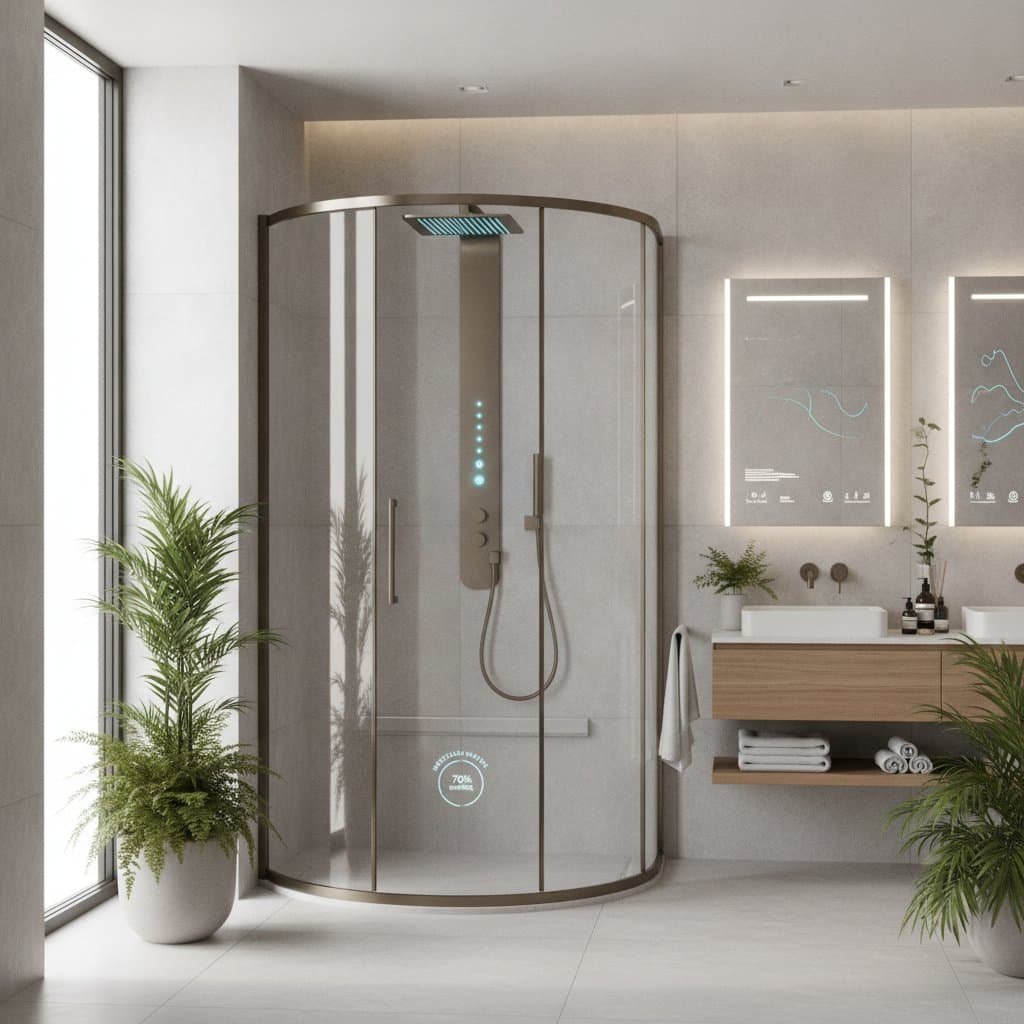
A typical unit sits within or adjacent to the shower enclosure. Sensors detect flow and divert wastewater to an onboard filtration assembly that removes soap residue, hair, and bacteria. Clean water returns to the showerhead at a consistent temperature, which eliminates the need for continuous fresh supply from the main line.
The process repeats throughout the shower duration. Most models maintain water quality through ultraviolet treatment or fine mesh filters that require periodic replacement. Users control temperature and flow with familiar valves while the recycling loop runs automatically in the background.
Documented Cost Reductions
Independent tests show average water use during a ten minute shower drops from 20 gallons to roughly 6 gallons. Households that adopt the technology commonly record 60 to 70 percent lower water bills within the first year of installation. Energy costs for water heating also decline because less incoming cold water requires warming.
Savings scale with household size and local utility rates. A family of four in a high cost region may recover the initial equipment expense inside 18 months. Property values can rise when buyers recognize the built in efficiency features.
Available Models and Price Ranges
Entry level retrofit kits start near 800 dollars and attach to existing shower fixtures with minimal plumbing changes. Mid range units priced between 1500 and 3000 dollars add digital controls and longer filter life. Premium designs exceed 5000 dollars and integrate with whole home automation platforms for remote monitoring.
Selection depends on bathroom layout and desired features. Compact models suit small urban apartments while larger systems fit custom spa style bathrooms. Professional installation ensures proper drainage and electrical connections where required.
Installation and Maintenance Steps
Begin with a water pressure assessment to confirm compatibility. Next, mount the filtration housing and connect inlet and outlet lines according to manufacturer diagrams. Replace filter cartridges every three to six months depending on usage volume. Annual system flushes remove any accumulated scale.
Routine checks take only a few minutes and require no specialized tools. Manufacturers supply replacement parts through direct channels, which keeps long term ownership straightforward.
Factors to Evaluate Before Purchase
Review local building codes that may govern greywater reuse. Confirm warranty coverage for both parts and labor. Compare energy consumption ratings across models to identify the most efficient option for your climate.
Test water hardness in advance because very hard supplies may shorten filter intervals. Speak with neighbors who already use similar equipment to gather real world performance feedback.
Long Term Advantages for Daily Living
Consistent water recycling lowers monthly expenses while supporting broader conservation goals. The technology delivers reliable comfort without sacrificing shower length or water pressure. Households that install these systems gain both immediate financial relief and lasting environmental benefits.