Smart Bathroom Upgrades That Support Aging in Place
The bathroom is one of the most personal spaces in any home. As people choose to remain in their homes later in life, this room often requires the most thoughtful adaptation. A well-designed bathroom for aging in place prioritizes safety and comfort without sacrificing beauty or dignity.
The best solutions blend intelligent technology, tactile materials, and refined aesthetics. These elements create a space that feels both elegant and reassuring.
Curbless Showers with Integrated Seating
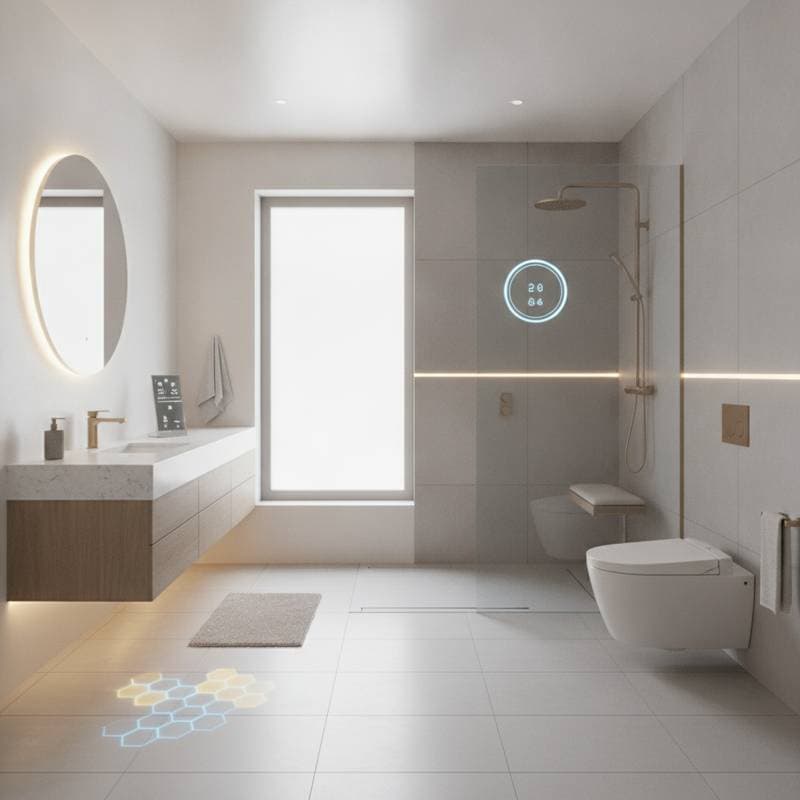
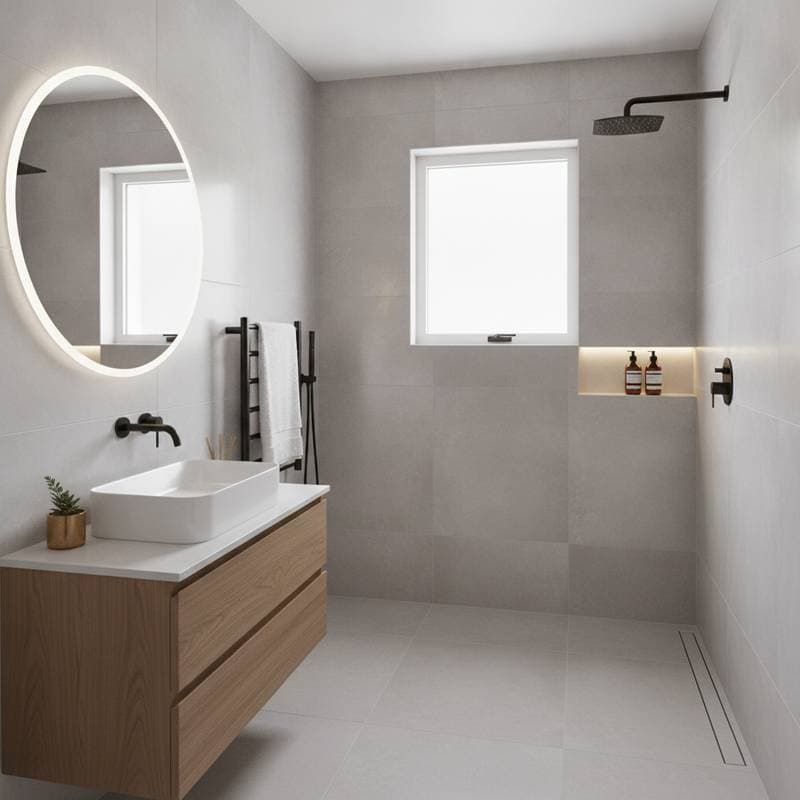
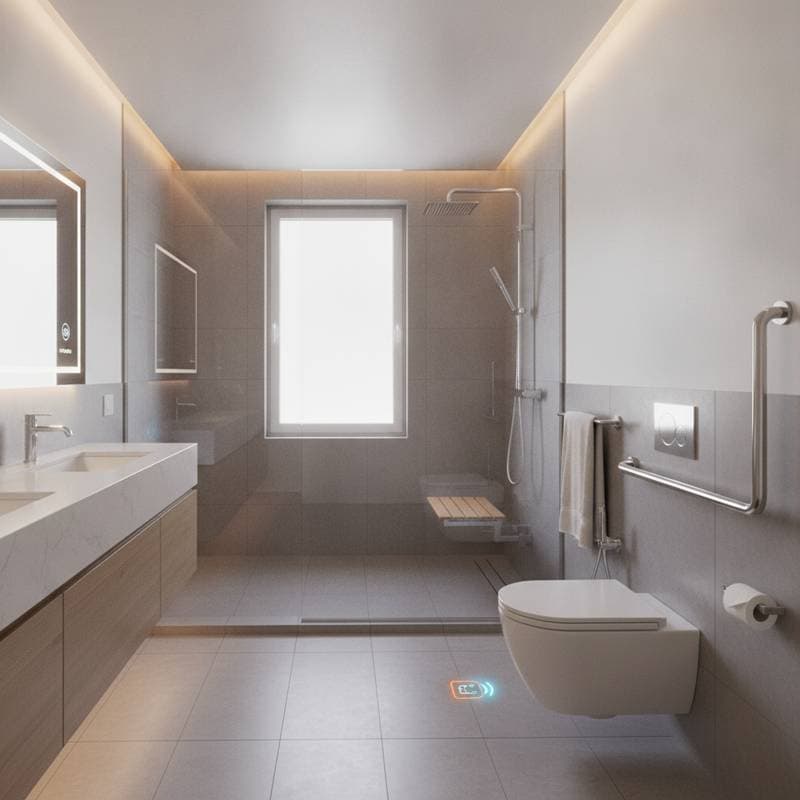
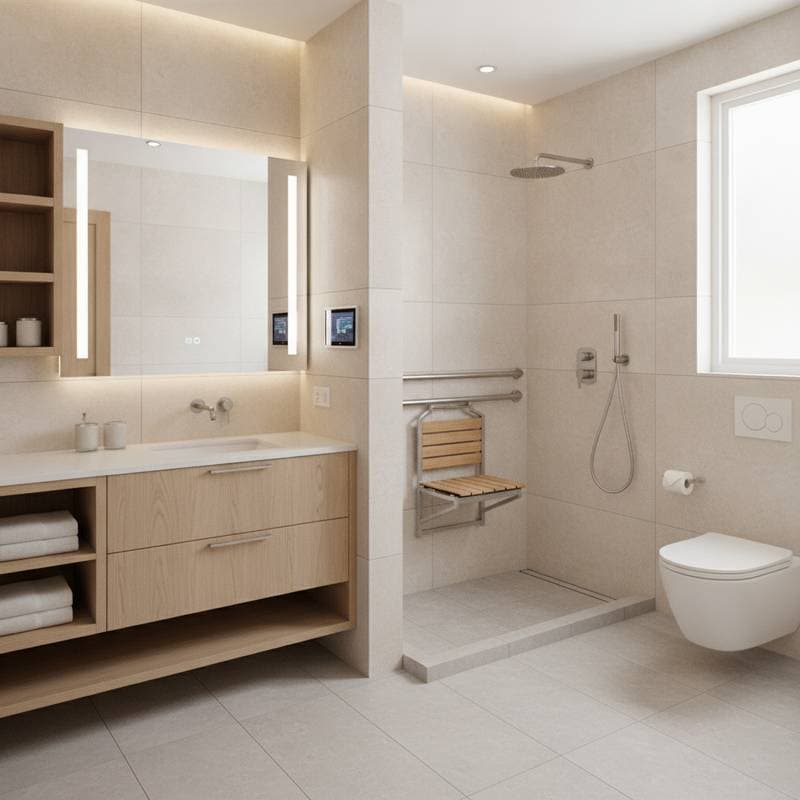
A curbless shower instantly enhances accessibility while giving the bathroom a spa-like feel. Designers often use large-format porcelain or honed limestone to achieve a seamless floor plane that minimizes tripping hazards. Built-in benches fabricated from quartz or waterproof teak provide stability and comfort.
Radiant floor heating beneath the shower zone adds a layer of luxury. It also helps reduce slips from condensation.
Grab Bars That Disappear into the Design
Grab bars once looked strictly utilitarian. New designs integrate them into towel rails or shelving systems. Matte black powder-coated steel or brushed nickel finishes coordinate with contemporary hardware palettes.
Positioning bars horizontally near the toilet and vertically by the shower entrance ensures both leverage and discretion. The result feels intentional rather than clinical.
Non-Slip Flooring with Visual Warmth
Texture and tone play a crucial role in keeping floors safe and visually inviting. Porcelain tiles with a slip-resistant finish create a grounded, modern base that works with many palettes. Luxury vinyl planks in European oak tones provide cushioning underfoot while resisting moisture.
Designers often run the same flooring continuously throughout the space to eliminate thresholds. This small gesture makes a significant difference in mobility.
Intelligent Lighting for Safety and Mood
Good lighting supports both practicality and atmosphere. Layered lighting design begins with bright, even illumination from recessed ceiling fixtures paired with a dimmable vanity light. Motion-activated night lights installed under floating vanities or along baseboards provide subtle guidance during nighttime visits.
Warm white color temperatures around 2700K flatter skin tones and offer a more restful quality of light.
Comfort-Height Fixtures and Touchless Controls
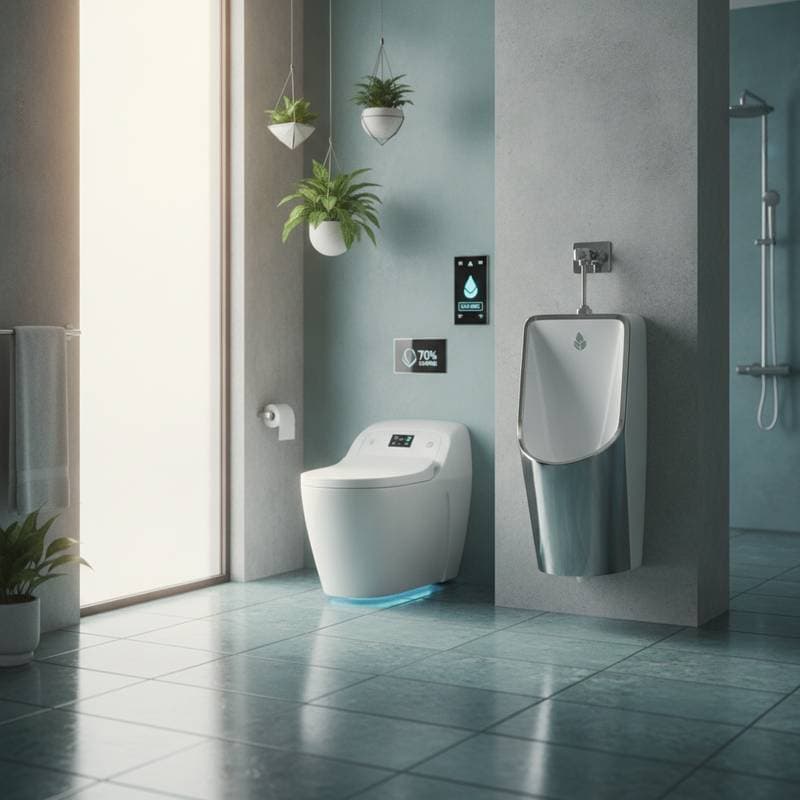
Adjusting fixture heights can make a world of difference. Comfort-height toilets, approximately two inches taller than standard, aid in sitting and standing without strain. Touchless faucets reduce the need for twisting motions, while thermostatic shower valves help maintain consistent water temperature.
Custom Vanities with Accessible Storage
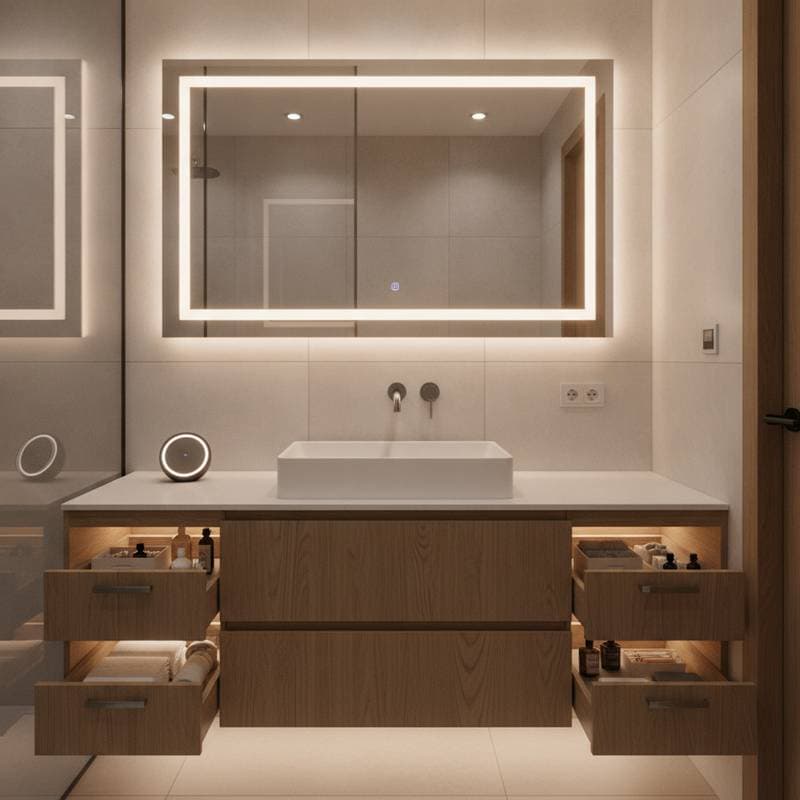
Aging in place often requires rethinking cabinetry. Floating vanities create knee space for seated use, and drawers with soft-close glides prevent sudden slams. Quartz countertops offer durability and low maintenance. Pull-out organizers keep daily essentials within easy reach.
Integrated LED strip lighting beneath upper cabinets enhances visibility for grooming and medication management.
Smart Technology for Peace of Mind
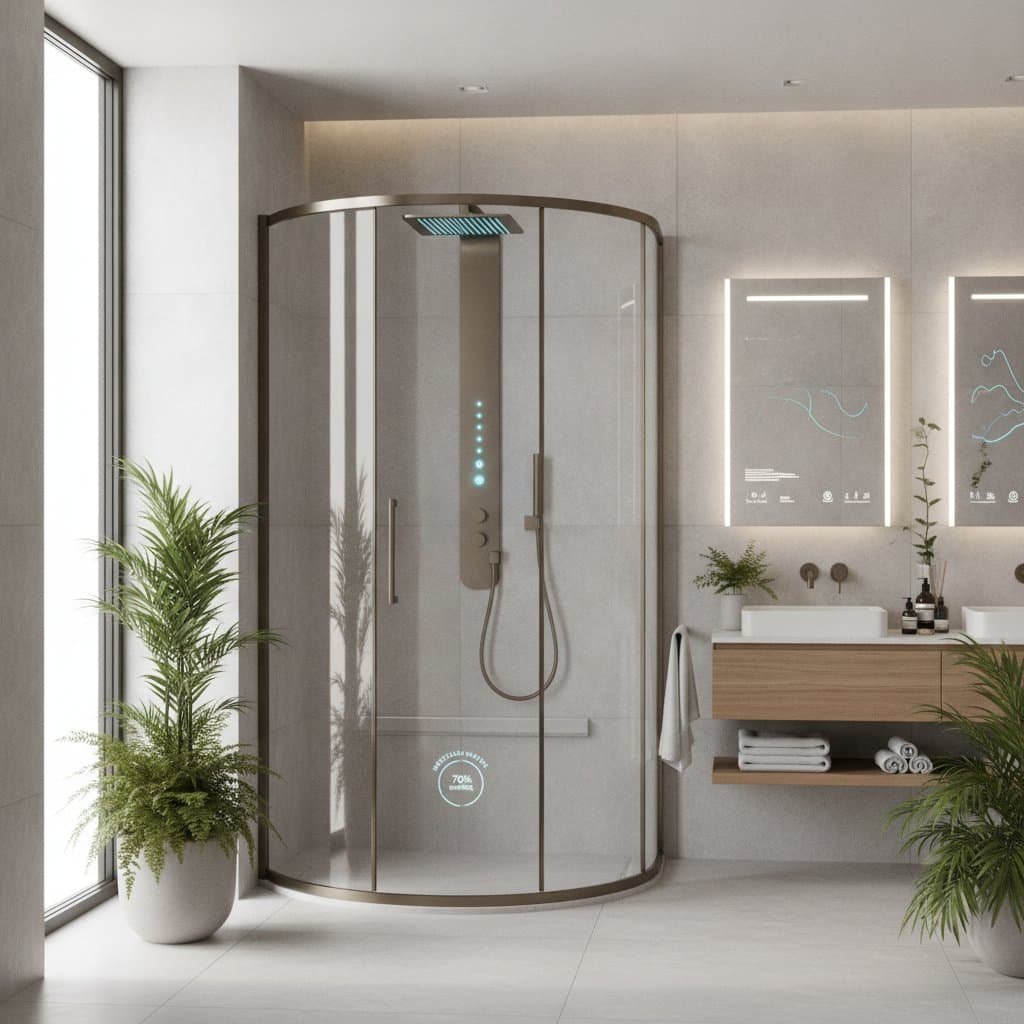
Technology now plays a quiet but powerful role in supporting independence. Water temperature sensors, voice-activated lighting, and humidity-controlled exhaust fans all contribute to a safer environment. Systems allow users to control lighting scenes from a smartphone or wall-mounted keypad.
For caregivers or family members, discreet alert systems can send notifications if water runs excessively or movement patterns change unexpectedly. The goal is to empower rather than monitor.
Thoughtful Color and Sensory Design
Color influences both perception and mood. Soft, warm neutrals create a tranquil foundation. Contrasting trim in slightly deeper tones helps define edges for those with diminished vision. Natural materials like honed marble, woven rattan, or brushed brass bring tactile richness that balances functional precision with visual comfort.
Planning Your Upgrade
A bathroom designed for aging in place should feel timeless, not transitional. Its details must anticipate future needs while remaining inviting for guests and family. The most successful spaces achieve this through empathy and craftsmanship.
Whether starting from scratch or updating an existing layout, thoughtful planning and professional guidance make all the difference. Partnering with an interior designer or certified aging-in-place specialist ensures that every fixture height, clearance, and control placement suits the user lifestyle.