Understanding Induction Technology
Induction cooktops operate by generating a magnetic field that heats cookware directly. This method differs from gas burners, which rely on an open flame to warm the surrounding air and the pot. The direct transfer produces rapid temperature changes and precise control during cooking sessions.
Homeowners notice the difference immediately when boiling water or searing proteins. The surface around the cookware stays relatively cool because heat concentrates only where the pan contacts the glass. This characteristic reduces the risk of accidental burns and simplifies cleanup after meals.
Performance Benefits in Daily Use
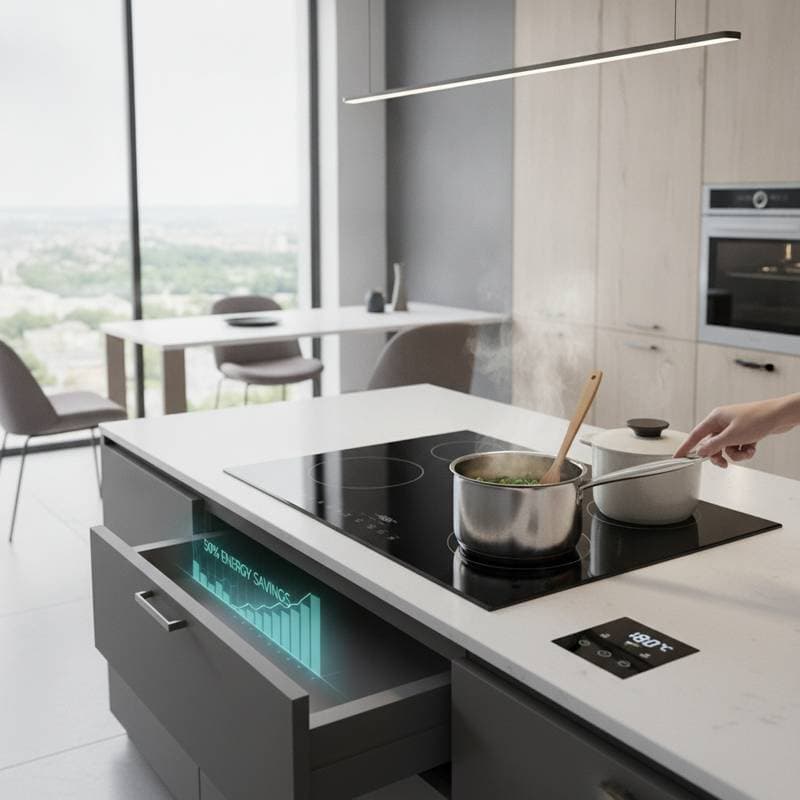
Speed stands out as a primary reason many households make the change. Induction units bring liquids to a boil faster than gas equivalents while using less energy overall. Consistent power delivery also supports delicate tasks such as melting chocolate or simmering sauces without hot spots.
Energy efficiency improves further because no heat escapes into the kitchen air. Electric consumption drops compared with gas, and indoor air quality benefits from the absence of combustion byproducts. Families concerned about ventilation find this reduction in airborne particles particularly useful.
Safety features add another layer of reassurance. Automatic shutoff activates when cookware is removed, and residual heat indicators alert users to surfaces that remain warm. These mechanisms prove valuable in homes with children or older adults.
Design and Kitchen Integration
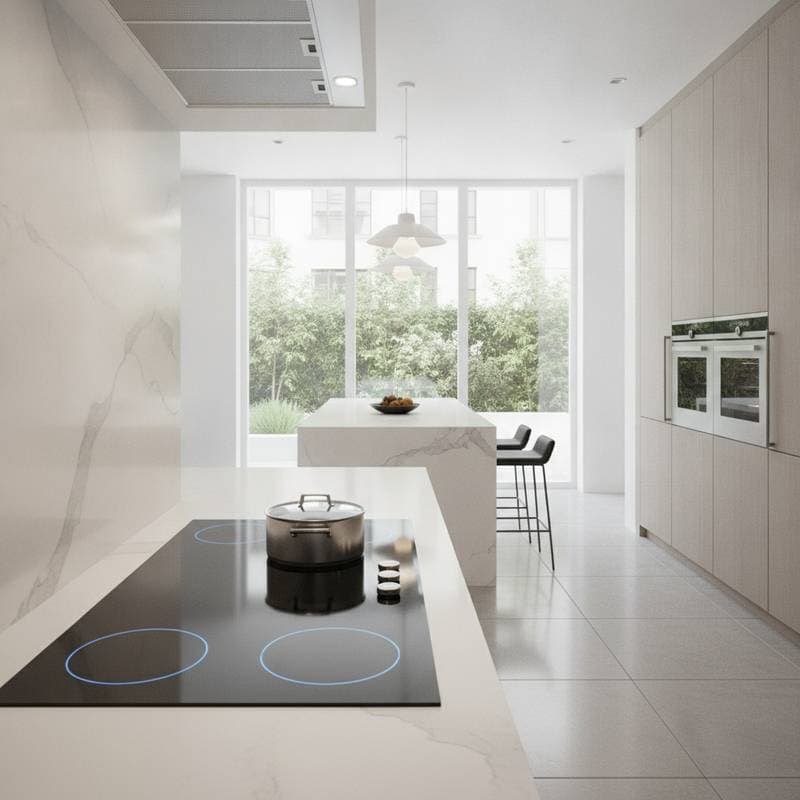
The flat, smooth surface of an induction cooktop complements contemporary cabinetry and countertops. Without grates or burners to interrupt the plane, the unit creates a streamlined appearance that many designers prefer. Built-in models fit flush with surrounding stone or quartz, maintaining a minimalist profile.
Smart connectivity options allow remote monitoring through mobile applications. Users can adjust power levels or receive alerts when cooking cycles complete. Such features align with broader trends toward connected appliances in residential settings.
Transition Considerations
Existing cookware must respond to magnetic fields for optimal results. Cast iron and most stainless steel pieces perform well, while aluminum or copper may require verification with a simple magnet test. Many owners discover that their current inventory already meets the requirement.
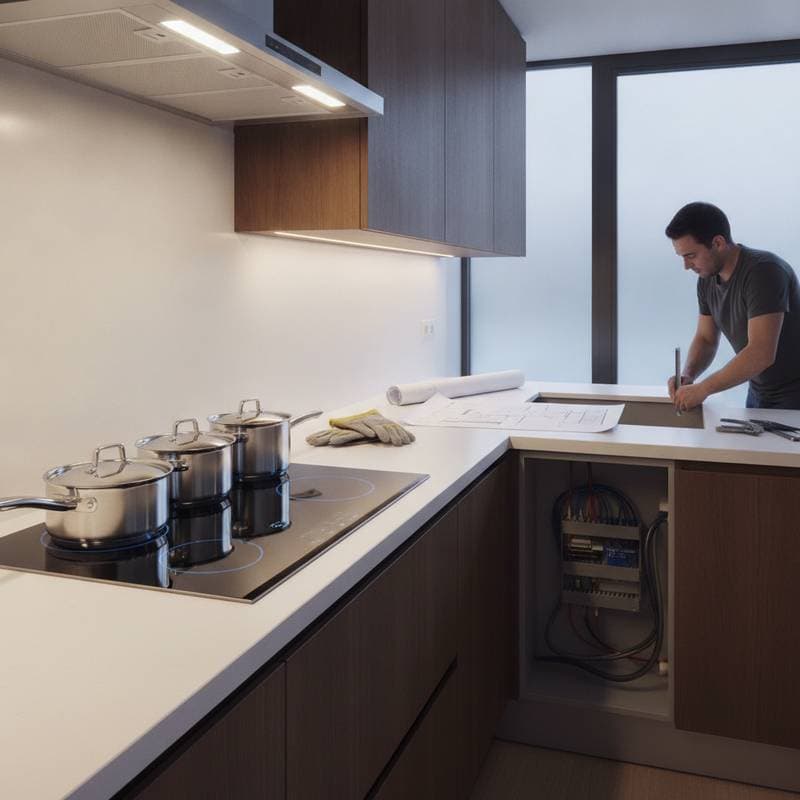
Electrical service upgrades sometimes become necessary depending on the model selected and the home wiring capacity. Licensed electricians evaluate panel capacity and install dedicated circuits when needed. Professional installation ensures compliance with local codes and manufacturer specifications.
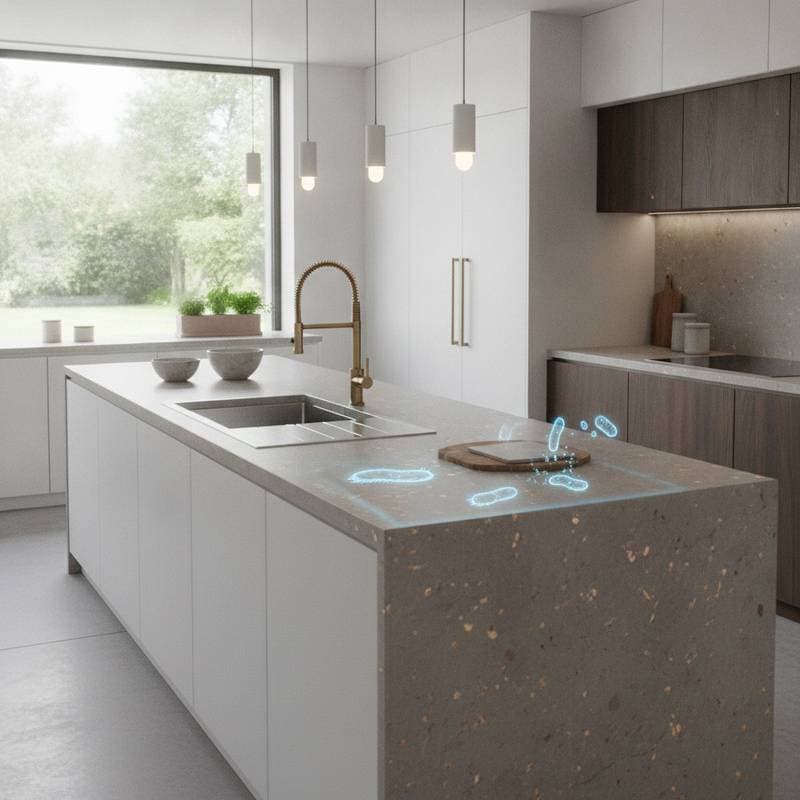
Maintenance routines remain straightforward. A damp cloth removes spills quickly because food does not burn onto a hot grate. Occasional use of a ceramic cleaner preserves the finish without specialized products.
Selecting the Right Model
Size options range from compact two-burner units suitable for smaller kitchens to full five-burner configurations for frequent entertainers. Power ratings vary, so matching output to typical cooking volume prevents underperformance during peak use.
Warranty coverage and service networks deserve attention before purchase. Reputable brands provide multi-year protection on the induction elements and offer accessible support channels. Reading user experiences with specific models reveals real-world reliability data.
Long-Term Value
Initial equipment costs exceed those of traditional gas ranges, yet operating savings and durability often offset the difference over time. Reduced energy bills and fewer ventilation requirements contribute to lower lifetime ownership expenses. Many homeowners also report increased satisfaction with cooking precision and kitchen aesthetics after the switch.