Align Kitchen Lights with Your Body Natural Clock
Light influences the rhythm of human life more than most people realize. In the kitchen, where mornings begin and evenings wind down, lighting can either work with or against our internal clock. The concept of circadian lighting design translates biological understanding into spatial experience. This approach allows architecture and interior design to support natural human rhythms.
When applied thoughtfully, circadian lighting transforms kitchens into spaces that function beautifully and nurture well-being. From the first cup of coffee to the quiet glow of late-night tea, lighting defines the emotional tone of the kitchen. Designers now rethink how this essential space connects with the body natural cycles.
Morning Brilliance for Energy and Focus
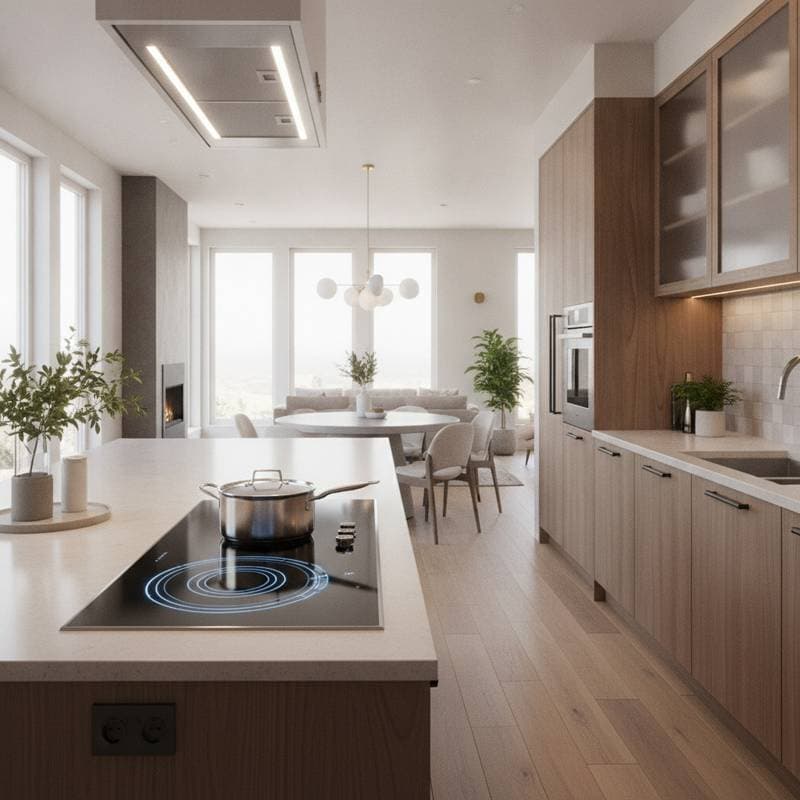
Morning light should awaken the senses. In circadian terms, this means using cooler, brighter tones that echo the crisp quality of daylight. Layered lighting achieves this balance without overwhelming the space. Designers often specify LED downlights with a color temperature around 4000 Kelvin.
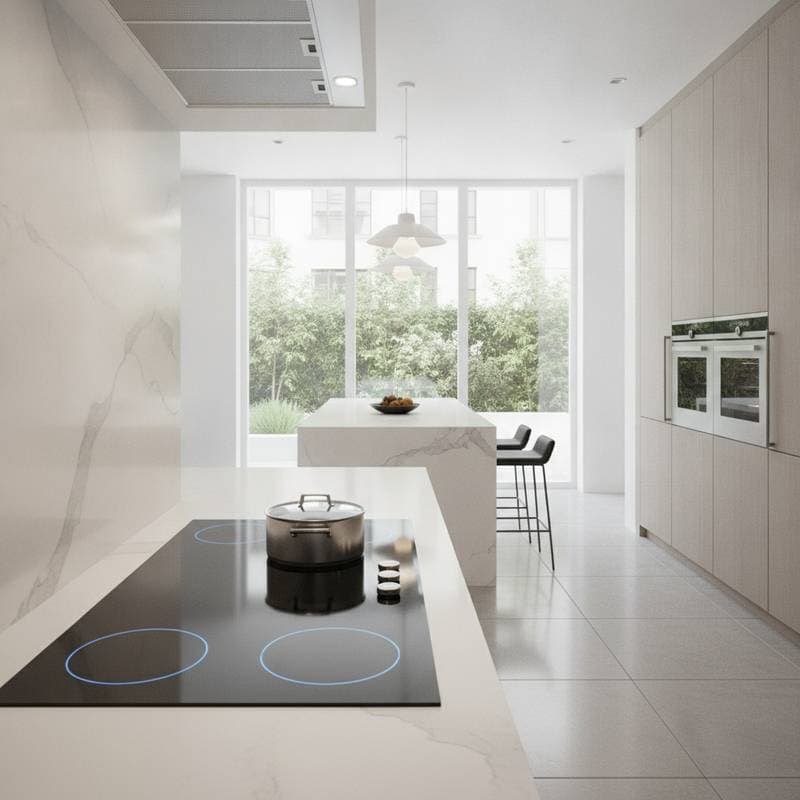
Such fixtures give a clear, invigorating light ideal for breakfast preparation. When paired with under-cabinet strips, the result is a workspace that feels fresh and purposeful. For kitchens oriented toward the east, maximizing natural light becomes key. Reflective finishes like satin white lacquer cabinetry bounce daylight deeper into the room.
Evening Warmth for Rest and Calm
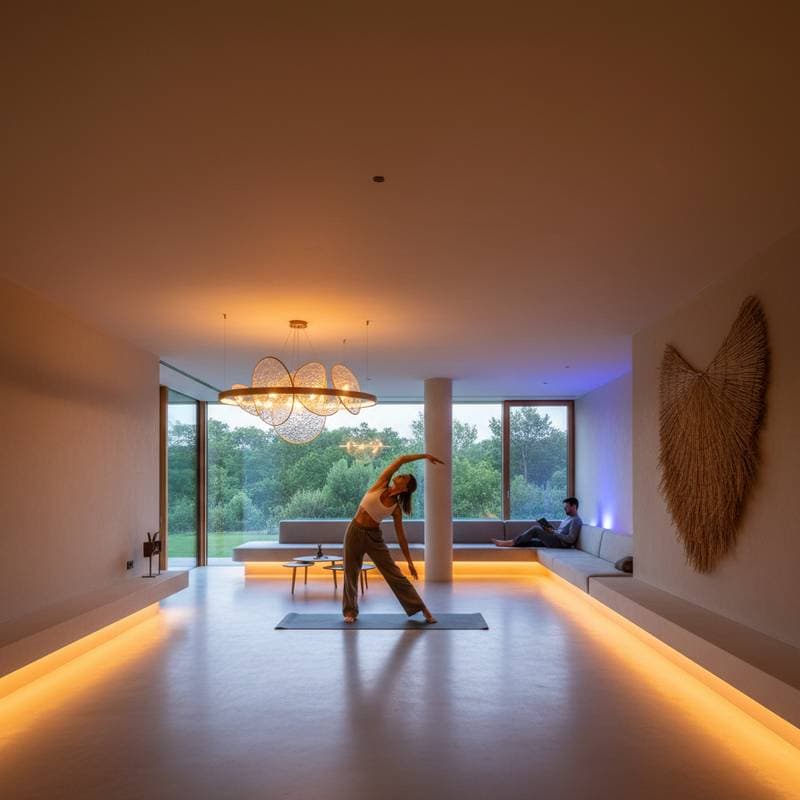
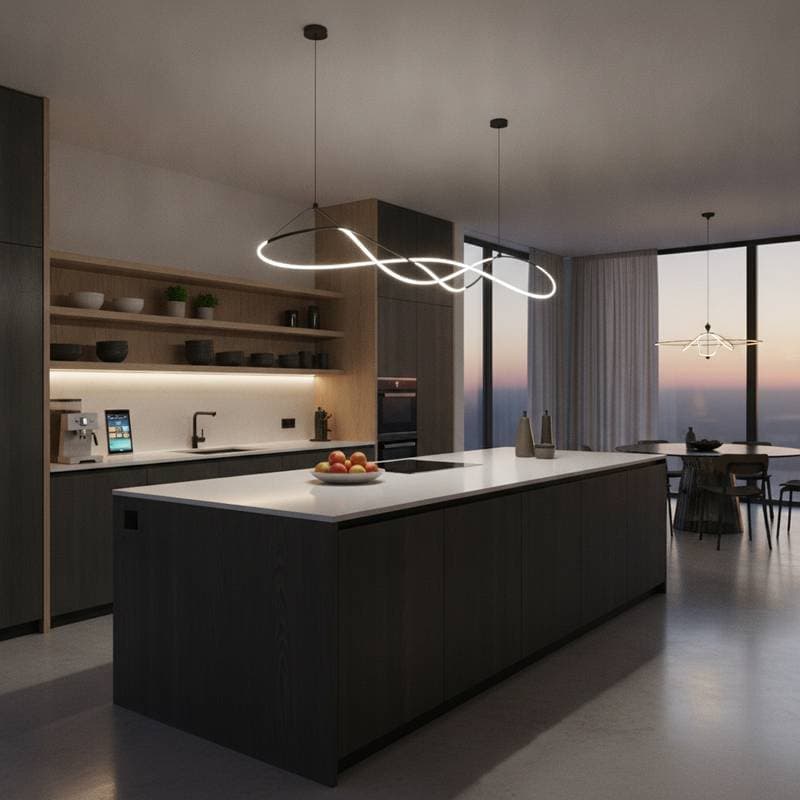
As daylight fades, the kitchen atmosphere should evolve. Evening lighting signals the body to slow down and encourages melatonin production. Warm color temperatures, lower light levels, and layered sources create this effect. A well-designed evening scheme often combines dimmable LED pendants around 2700 Kelvin with concealed cove lighting.
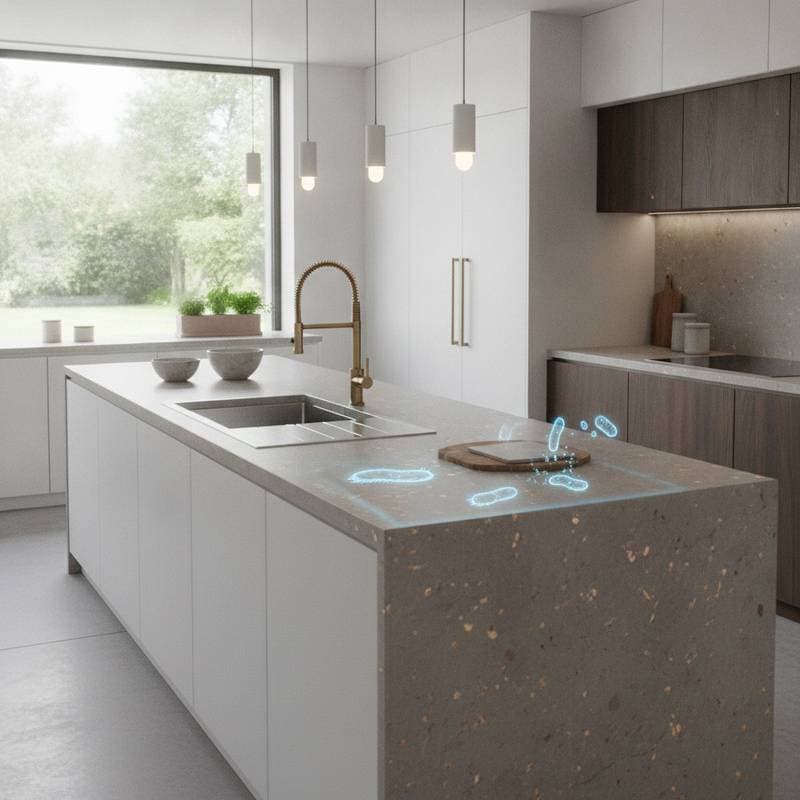
The goal is to evoke candlelight rather than daylight. Materials that absorb light, such as smoked oak cabinetry, contribute to the sense of enclosure. Countertops in rugged concrete or soapstone add tactile depth. These choices transform the kitchen into a place of quiet unwinding.
Integrate Smart Technology with Human Rhythm
Smart lighting technology allows users to synchronize kitchen lighting with natural circadian cycles automatically. Systems offer dynamic tuning options that adjust color temperature and intensity throughout the day. These systems can be programmed to simulate sunrise in the morning and sunset in the evening.
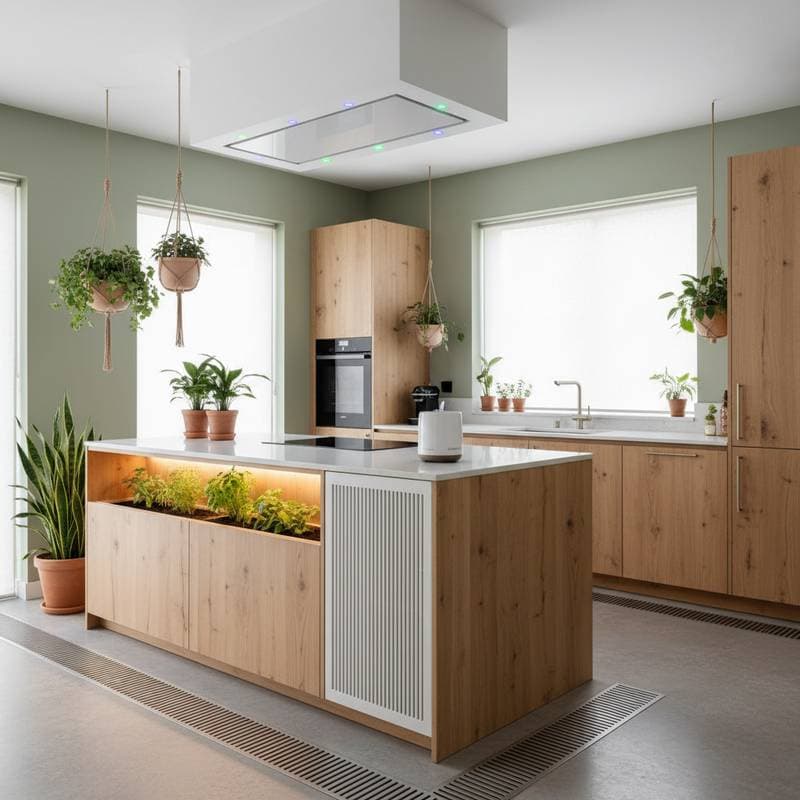
Pairing such systems with occupancy sensors ensures energy efficiency while maintaining consistent rhythm. The key is subtlety. Light should shift gradually enough that the body perceives change without conscious awareness. When combined with manual dimming controls, homeowners gain flexibility to adapt lighting to specific moods or activities.
Prioritize Natural Light as the Foundation
Artificial lighting should complement, not replace, natural light. Designing with daylight in mind remains the foundation of circadian design. Skylights, clerestory windows, and reflective surfaces extend daylight reach throughout the kitchen. Window treatments matter as much as fixture selection.
Sheer linen panels diffuse harsh sunlight while preserving brightness. Automated blinds respond to solar angles. Material palettes that include pale terrazzo or honed limestone amplify daylight character.
Practical Steps for a Circadian Kitchen
To create a kitchen that supports natural rhythm, consider the following principles:
- Start with natural orientation. Maximize daylight through window placement and reflective surfaces.
- Use tunable or layered LED systems. Choose fixtures that allow variation in both intensity and color temperature.
- Incorporate dimmers and smart controls. Allow light levels to shift gradually throughout the day.
- Select materials thoughtfully. Matte finishes and natural textures create gentle light diffusion.
- Plan for nighttime calm. Introduce low-level lighting that reduces stimulation while maintaining safety.
- Engage professionals. Work with lighting designers familiar with circadian principles.
Experience Light That Adapts Daily
Once installed, a circadian lighting system becomes part of daily life rather than a visible feature. Its value lies in the subtle way it supports comfort and clarity without demanding attention. Mornings feel more alert and evenings more restful. The kitchen adapts naturally to each phase of the day.
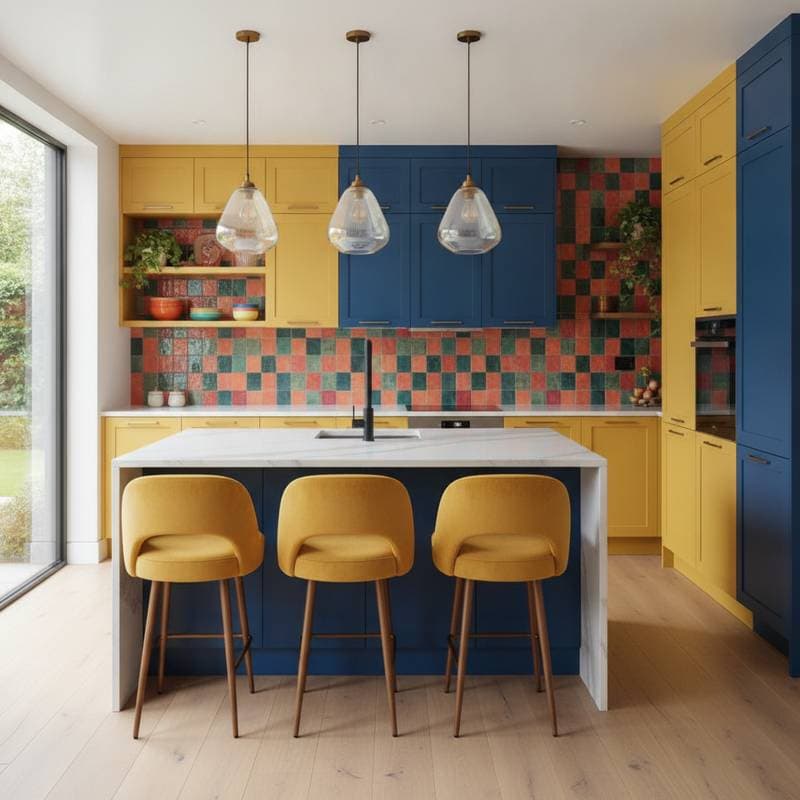
Maintenance involves ongoing observation of how light interacts with changing seasons and evolving habits. Adjusting dimming schedules ensures the system continues to match both physical needs and emotional rhythms. Personal elements such as hand-blown glass pendants interact with shifting light to enrich the sensory experience throughout the day.