Why Air Quality Defines Kitchen Design in 2026
Air-purifying kitchens represent a pivotal shift in home design for 2026. These spaces integrate wellness principles with sustainable practices and innovative aesthetics to create environments that promote healthier living. Beyond mere functionality, they focus on enhancing indoor air quality, which directly impacts daily comfort and well-being.
The kitchen serves as the heart of the home, where cooking, gathering, and daily routines converge. Poor air quality from cooking fumes, cleaning agents, and material off-gassing can compromise health over time. By prioritizing air purification, homeowners can transform this essential area into a revitalizing sanctuary that supports physical and mental vitality.
This article examines the key elements driving this trend, from scientific foundations to practical implementation strategies. Readers will gain insights into creating an air-purifying kitchen that aligns with modern lifestyles and budgets.
Understanding the Impact of Indoor Air on Health
Indoor air quality influences energy levels, cognitive function, and overall health more than many realize. In kitchens, common pollutants include particulate matter from cooking, volatile organic compounds from paints and adhesives, and emissions from gas appliances. These elements can lead to respiratory irritation, fatigue, and reduced enjoyment of meals.
Scientific research underscores the benefits of cleaner air. Studies show that reducing VOC exposure improves sleep quality and concentration. In a well-ventilated kitchen, individuals report higher satisfaction with their living spaces, as fresh air enhances sensory experiences during food preparation.
Addressing these issues requires a multifaceted approach. Combining ventilation improvements with material selections creates a balanced environment. Homeowners can start by identifying sources of pollution in their current setup, such as outdated exhaust systems or synthetic surfaces.
Key Strategies for Effective Air Purification
Effective air purification in kitchens relies on proven methods that target pollutants at their source. High-efficiency particulate air filters capture fine particles, while activated carbon components neutralize odors and gases. Integrating these into daily routines ensures sustained benefits without disrupting workflow.
Consider the following strategies to enhance air quality:
- Install range hoods with HEPA and carbon filtration to extract cooking byproducts efficiently. Select models with variable speed settings to match cooking intensity.
- Incorporate whole-room air purifiers designed for kitchens, featuring quiet operation and smart controls for automatic adjustments based on detected pollutants.
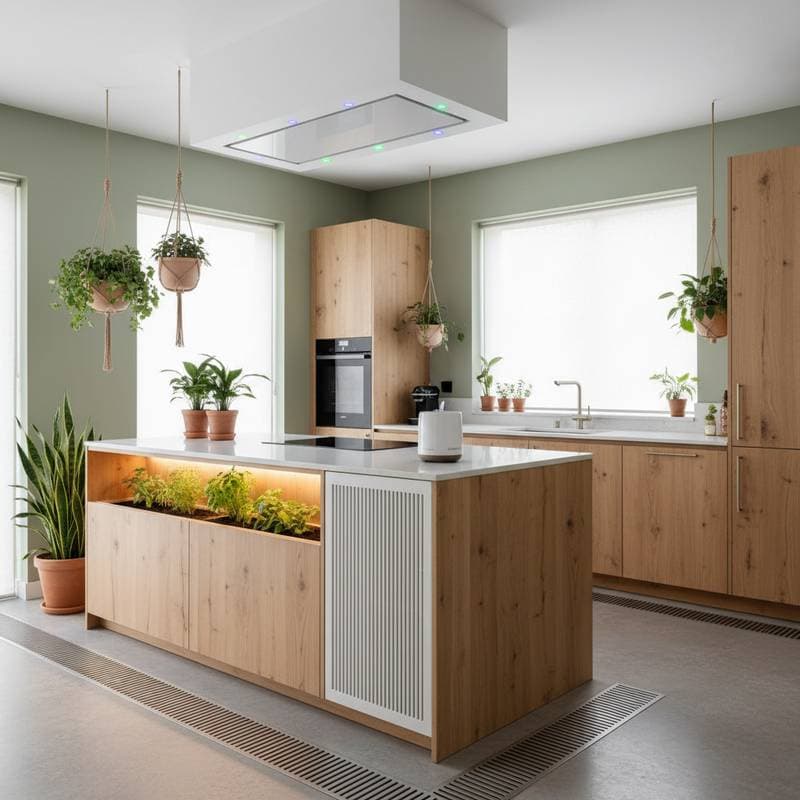
- Introduce air-purifying plants like snake plants or peace lilies, which absorb toxins such as benzene and formaldehyde. Position them near windows or sinks for optimal exposure to light and airflow.
- Choose low-VOC or zero-VOC paints, sealants, and adhesives for all surfaces to prevent ongoing emissions.
- Opt for natural flooring and wall materials, such as cork or clay, which naturally regulate humidity and filter particles.
These measures not only clean the air but also contribute to a more harmonious design aesthetic. They allow for customization based on space constraints and personal preferences.
Selecting Breathable Materials for Lasting Wellness
Material choices play a crucial role in maintaining air purity over time. Breathable options permit airflow and moisture regulation, preventing the buildup of contaminants. Synthetic materials often trap pollutants, whereas natural alternatives promote circulation and reduce chemical release.
Recommended materials include:
- Clay plaster for walls, which absorbs excess humidity and releases it gradually, stabilizing indoor conditions.
- Reclaimed wood for cabinetry and shelving, offering durability and a low environmental footprint without off-gassing.
- Natural stone countertops treated with eco-friendly sealants, ensuring resistance to stains while preserving air integrity.
- Organic fabrics like cotton or hemp for curtains and upholstery, facilitating gentle air movement.
When sourcing these, prioritize certifications for sustainability and low emissions. For renovation projects, consult suppliers who provide detailed composition reports. This approach ensures materials align with health goals while enhancing visual appeal.
In practice, combining these with proper maintenance extends their effectiveness. Regular dusting and seasonal deep cleans preserve the porous qualities that benefit air quality.
Integrating Technology for Seamless Air Management
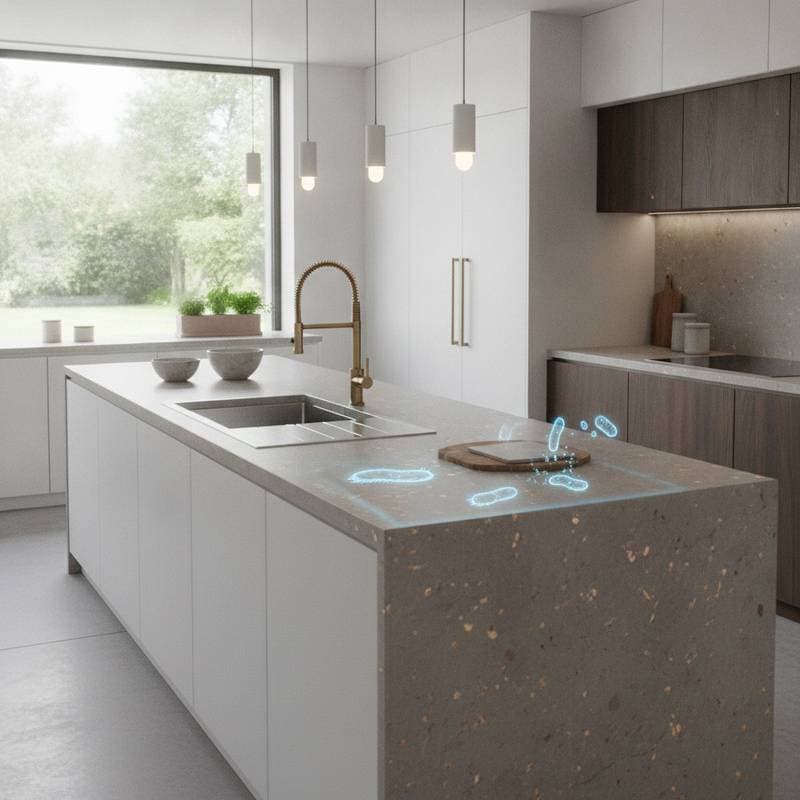
Modern technology bridges the gap between natural elements and efficient purification. Smart sensors detect changes in air composition, triggering responses like increased fan speeds or UV light activation to eliminate microbes. These systems operate discreetly, integrating into existing appliances for minimal disruption.
For instance, connected range hoods sync with stovetops to activate upon heat detection, maintaining clear air during meals. Countertop units with built-in purifiers double as functional decor, displaying metrics like particulate levels via intuitive interfaces. Affordable options start at basic sensor kits, scaling to full-home integrations for comprehensive coverage.
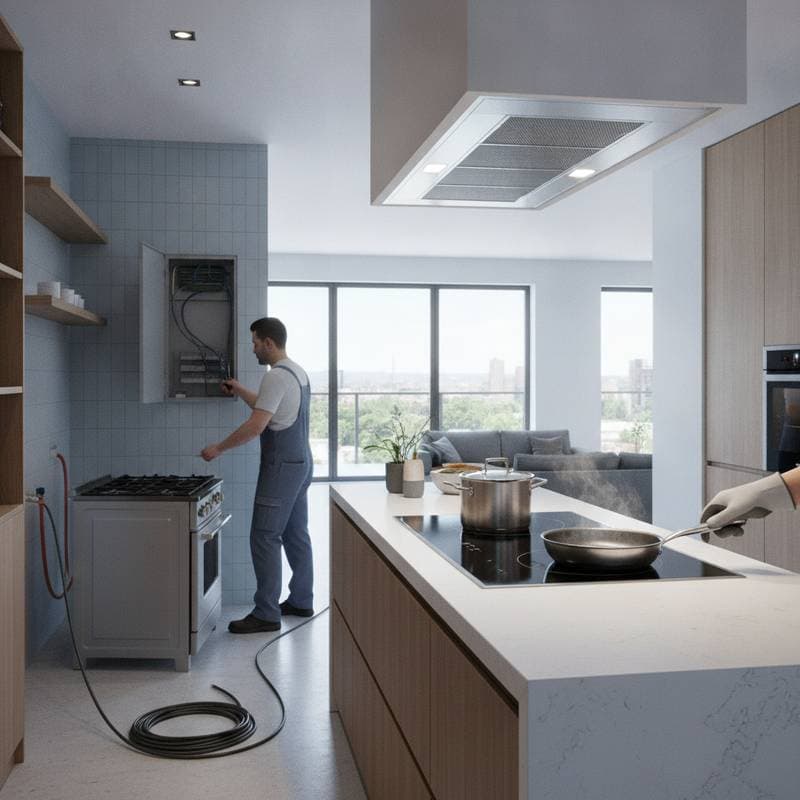
Installation involves assessing electrical needs and space layout. Professional consultation can optimize placement for maximum efficacy. Over time, these tools provide data insights, allowing users to refine habits like ventilation timing during peak cooking hours.
Opportunities in Sustainable Kitchen Innovation
The rise of air-purifying kitchens spurs innovation across industries. Manufacturers develop modular systems, such as cabinet inserts with passive filters, that adapt to various layouts. Eco-conscious designers explore mineral-infused tiles and fixtures that actively neutralize pollutants.
For entrepreneurs, this trend offers avenues in custom solutions. Collaborations with artisans can yield unique pieces, like air-cleansing wall art or integrated planters. Market demand favors products that balance performance, aesthetics, and affordability, creating viable business prospects.
Consumers benefit from this evolution through diverse choices. Selecting from established brands or emerging creators ensures access to cutting-edge, health-focused designs.
Sustaining an Air-Purifying Kitchen Lifestyle
Maintaining an air-purifying kitchen requires consistent habits rather than constant overhaul. Schedule filter replacements every three to six months, depending on usage. Water and nurture plants to maximize their filtration capabilities, and select biodegradable cleaners to avoid reintroducing chemicals.
Track improvements through simple observations: note reduced odors or increased freshness after meals. Families often experience enhanced focus and enjoyment in these spaces. Guests frequently comment on the inviting atmosphere, underscoring the tangible rewards.
Adaptations suit any living situation. In apartments, portable purifiers and strategic plant placement yield significant results. This ongoing commitment fosters a healthier home environment that evolves with needs.
Steps to Implement Air Purification Today
Begin transformation by evaluating your kitchen's current air dynamics. Identify stagnant areas, persistent smells, or potential emission sources like old cabinets. Document findings to guide targeted changes.
Take immediate actions such as swapping chemical cleaners for vinegar-based alternatives or adding a low-maintenance plant. For larger updates, budget for a new range hood or low-VOC refinishing. Consult local experts for personalized plans that fit your timeline and finances.
Each step compounds benefits, leading to a space that nurtures well-being. Cleaner air elevates cooking, gatherings, and rest, making the kitchen a true haven of health and harmony.