Mood-Responsive Lighting for Enhanced Home Wellness
Light influences feelings, thoughts, and daily life in living spaces. Morning sunlight invigorates, while evening's warm glow promotes relaxation. In the realm of wellness-focused design, lighting extends past basic functionality. It now adapts to emotions, energy levels, and personal rhythms, establishing mood-responsive lighting as a vital tool for comfort and self-care.
Understanding Circadian Rhythms in Lighting Design
Mood-responsive lighting relies on circadian science, which examines light's impact on the body's internal clock. Experts in design and lighting incorporate this knowledge into systems that replicate natural daylight cycles. Tunable white options, including Ketra by Lutron and Philips Hue White Ambiance, shift from cool, daylight-like temperatures to warm, evening shades. These adjustments aid melatonin production, facilitating seamless transitions between wakefulness and sleep.
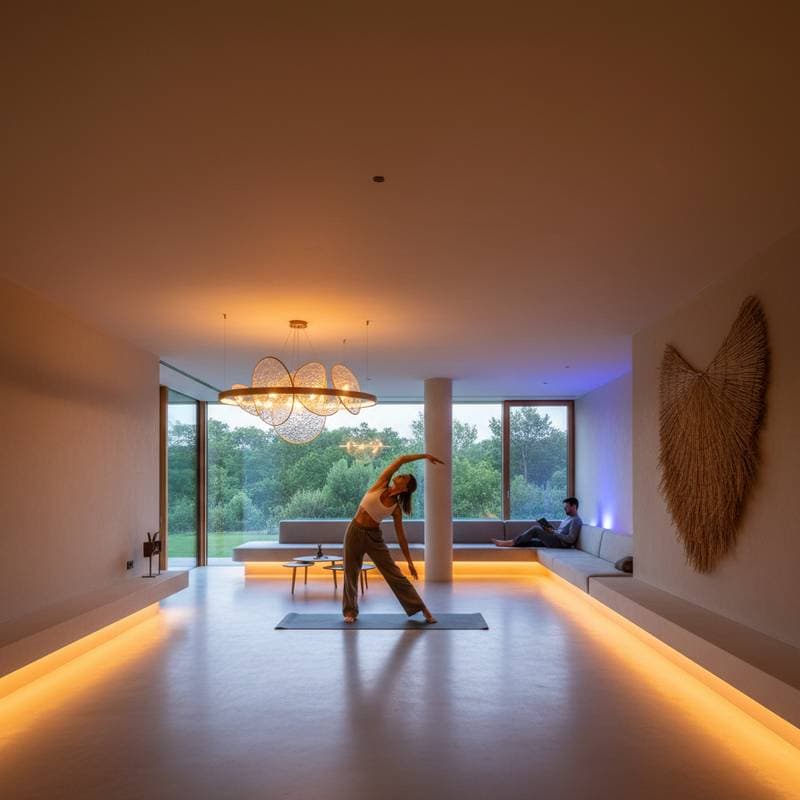
Effective installations blend these technologies into building elements. Hidden cove lights in plaster edges or behind custom woodwork deliver smooth ambient changes that appear organic. Homes equipped this way respond intuitively through light, influencing mood and routines with subtlety.
Leveraging Color Psychology for Well-Being
Color psychology informs interior choices, and adaptive lighting amplifies its effects. Consider a living room featuring Benjamin Moore’s Silver Marlin, a serene blue-gray that pairs well with gentle white illumination. As night approaches, warmer light akin to Sherwin-Williams’ Alabaster enhances the coziness of fabrics such as wool or linen.
Professionals like Kelly Wearstler and Patricia Urquiola layer lighting sources to refine emotional impact. Recessed LED tracks, artistic pendants, and adjustable floor lamps with smart bulbs enable spaces to adapt to user requirements. Light thus supports the home's flow, providing signals for relaxation, concentration, or social interaction.
Blending Technology and Aesthetic Harmony
Advanced lighting avoids a stark, gadget-like presence. Superior systems unite practical features with visual elegance. Coelux employs nanotechnology and LED panels to simulate endless daylight skies. Combined with surfaces like polished limestone or oak floors, this light interacts tactilely, softening reflections and expanding perceived room dimensions.
Architect John Pawson, a minimalist expert, favors hidden cove lighting to highlight structural forms. His method illustrates how wellness-oriented light operates discreetly yet powerfully. When implemented carefully, such lighting integrates without drawing attention, instead enhancing overall harmony.
Customizing Light for Emotional Balance
Adaptability defines the appeal of mood-responsive lighting. Tools like Nanoleaf Shapes and Govee Glide let users set scenes tied to moods or tasks. A sunrise-inspired cool brightness suits morning yoga, whereas golden, subdued tones evoke candlelight for evening baths in a standalone tub.
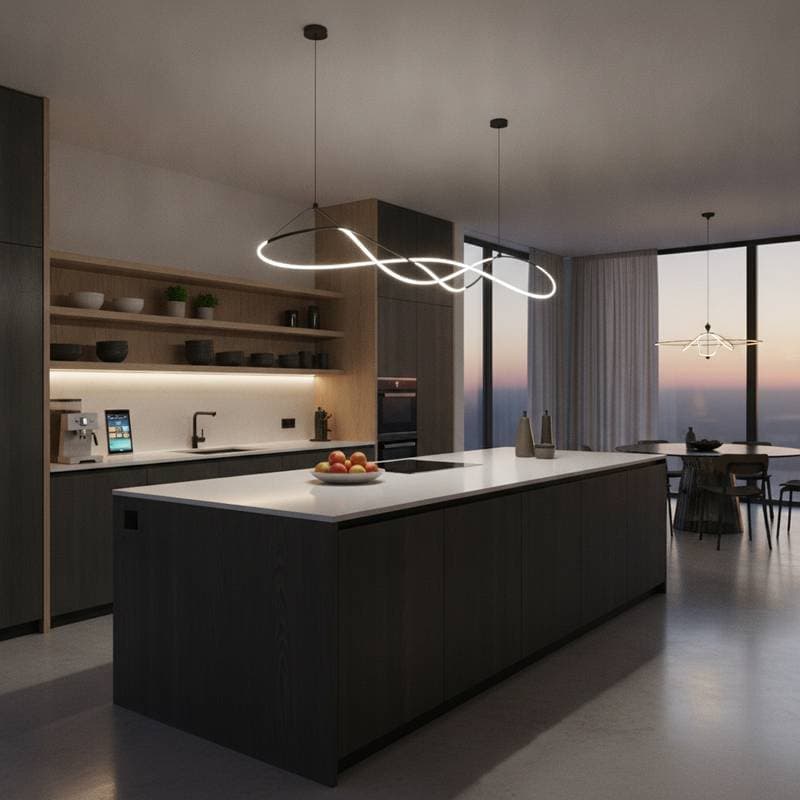
This versatility allows designers to craft narrative depth. Rooms develop unique characters while maintaining home-wide consistency. Task-oriented white light in a kitchen yields to amber warmth in the dining space, marking the move from work to mindful engagement.
Enhancing Sensory Experiences Through Material and Light
Light unveils material qualities in intentional ways within wellness interiors. Dimmed amber highlights the glow of polished brass, while matte plaster gently scatters illumination. Frosted glass or alabaster fixtures produce diffused glows that encourage calm.
Ilse Crawford prioritizes sensory balance, using light to accentuate rather than dominate textures. This interplay between light and surfaces promotes physical connection, anchoring the senses and easing mental tension. Such deliberate layering elevates everyday lighting to a healing practice.
Implementing Adaptive Lighting in Your Space
Mood-responsive lighting suits various budgets and setups. Start with tunable bulbs or zoned dimmers to alter ambiance noticeably. Focus on how light aligns with routines: opt for energizing tones during productive periods and soothing warms for downtime.
Wellness at home emerges from interplay between surroundings and inner states. Adaptive lighting materializes this exchange, prioritizing nuance over novelty. As homes incorporate responsive illumination, they become dynamic supports for physical and emotional equilibrium.