Japandi: Zen Nordic Fusion Redefines 2026 Interiors
In my years working on home renovations, I have observed numerous design trends emerge and fade. Some prioritize appearance over utility. Others, such as Japandi, achieve equilibrium among aesthetics, functionality, and emotional tranquility. Japandi merges the serene restraint of Japanese minimalism with the inviting comfort of Scandinavian design. This combination has gained steady traction, and it now serves as the preferred interior style for homeowners seeking spaces that appear contemporary yet enduring.
Homeowners gravitate toward Japandi because it fosters rooms that invite relaxation. The approach eliminates excess without introducing sterility, underscores artisanal quality, and elevates routine activities into peaceful rituals. Executed effectively, it alters the atmosphere of a space profoundly, transforming a residence into an environment where tension dissipates naturally.
Why Japandi Resonates Effectively
Japanese and Scandinavian design traditions both champion simplicity, harmony with nature, and skilled workmanship. They articulate these principles in distinct manners. Japanese interiors emphasize equilibrium, acceptance of imperfection, and intentional awareness. Scandinavian environments accentuate illumination, coziness, and utility. United, these elements yield an aesthetic that remains rooted while gentle, pristine yet approachable.
From a contractor's perspective, Japandi proves practical due to its focus on superior materials and streamlined configurations. Investments avoid superfluous embellishments. Resources instead support enduring construction and meticulous execution. This philosophy mirrors the ethos of proficient builders: construct once, construct soundly.
Pitfalls Homeowners Encounter
Numerous homeowners misinterpret minimalism, associating it with barrenness or economy. Japandi involves selective retention rather than total elimination; it preserves items that fulfill needs or evoke subtle delight. During remodeling initiatives, I frequently encounter these errors:
- Selecting Inferior Materials: Japandi depends on tactile authenticity. Synthetic replicas of wood or stone undermine the integrity. Opt for genuine substances, even in moderated quantities.
- Neglecting Ambient Light: The style flourishes in luminous, expansive settings. Obstructing windows with dense fabrics or incorporating excessive somber hues confines the area.
- Excessive Adornment: Select pieces carry greater impact than an abundance of accessories. Unoccupied areas constitute an integral design component.
- Incongruent Color Choices: Scandinavian schemes favor pale, ethereal tones, whereas Japanese applications often employ subdued terrestrial shades. Maintain gentle, unified hues to preserve cohesion.
Such missteps result in environments that appear fragmented instead of unified. The objective lies in crafting a residence that conveys serenity and authenticity, not mere replication of editorial imagery.
Essential Components of Japandi Interiors
Developing a Japandi-influenced area extends beyond procuring suitable furnishings. It originates from a deliberate perspective, coupled with comprehension of scale, surface quality, and illumination. These aspects characterize the style:
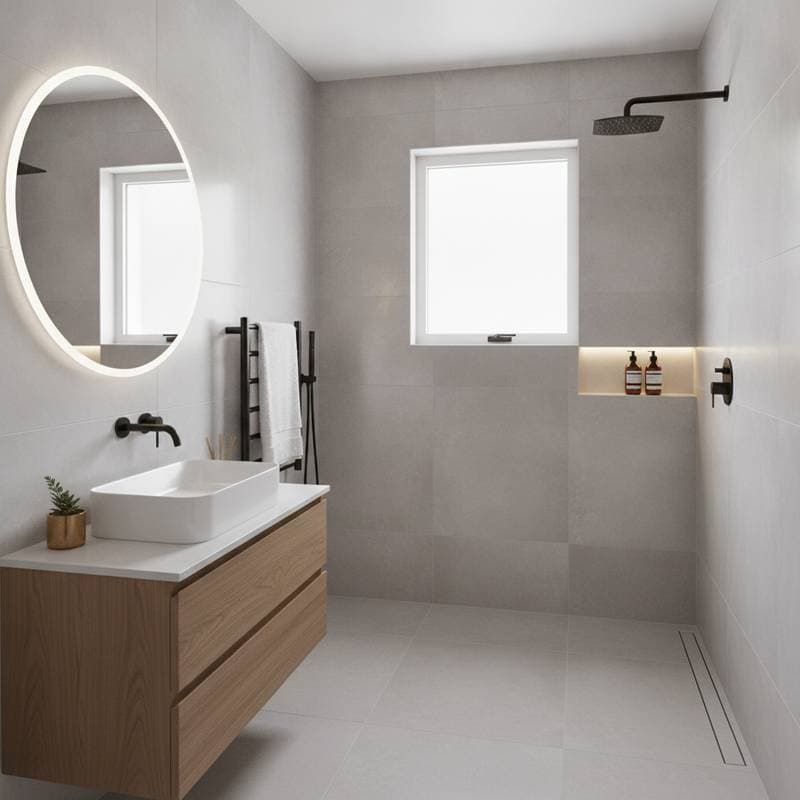
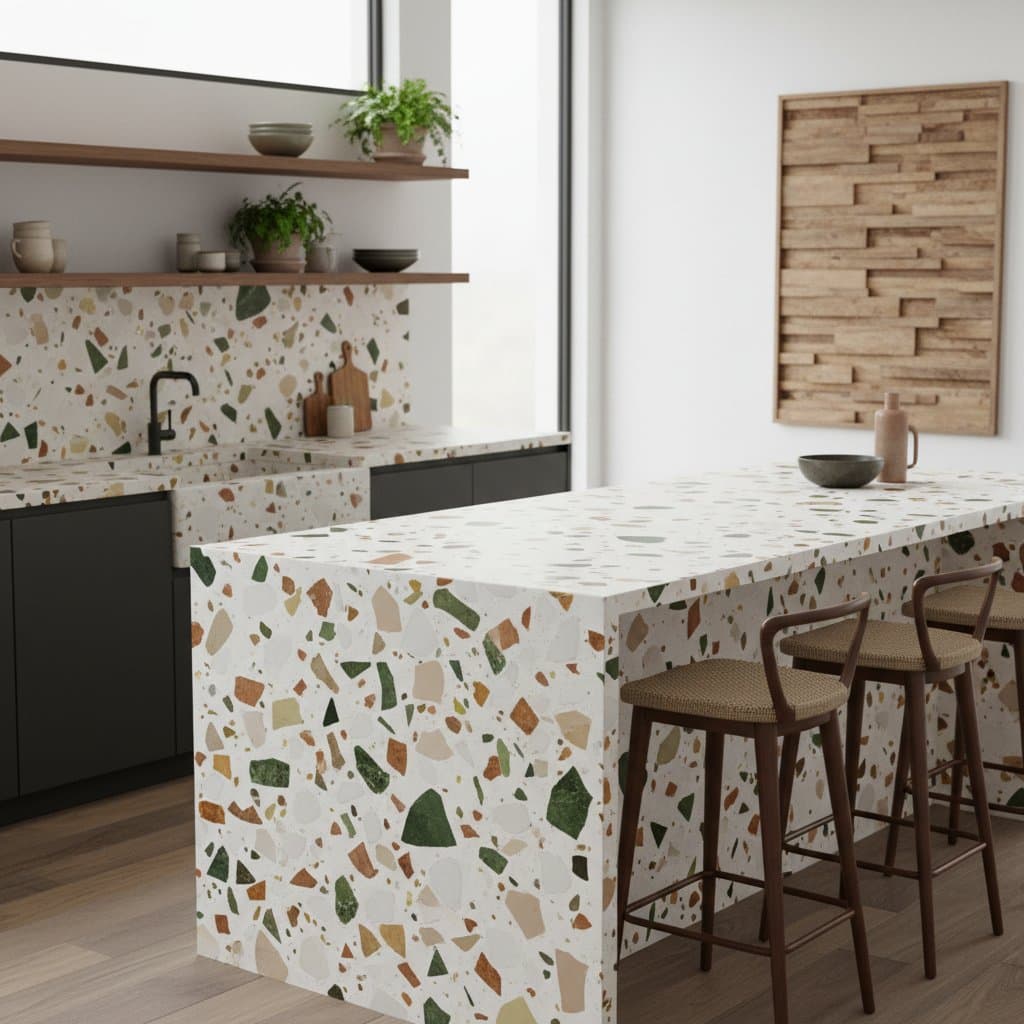
- Organic Substances: Consider timber, bamboo, flax fabrics, earthenware, and rock. Surfaces ought to display inherent patterns or irregularities.
- Subdued Color Scheme: Base layers consist of pristine whites, gentle grays, warm taupes, and softened verdure. Subtle accents in matte ebony or slate provide definition.
- Purposeful Furnishings: Low-slung items featuring unadorned contours and fluid forms align with Japandi tenets. Steer clear of elaborate motifs or polished surfaces.
- Artisanal Execution: Seek manually refined objects or evident assembly techniques. Appeal resides in the fabrication process itself.
- Botanical Elements and Illumination: Incorporate foliage with architectural forms to infuse vitality sans disarray. Amplify daylight exposure consistently.
In Japandi remodels, I initiate by refining the spatial arrangement, excising superfluous partitions or fixtures. Fluidity defines these interiors. Illumination must circulate unimpeded, with areas linked yet delineated.
Psychological Benefits of the Investment
Interior design transcends monetary return; it influences everyday disposition. Japandi environments cultivate composure and lucidity, qualities many homeowners pursue amid pervasive sensory overload. This paradigm instills moderation and compensates deliberation.
Economically, Japandi designs retain worth admirably. They mature elegantly, independent of fleeting fashions. A robust oak enclosure or artisanal earthen flooring endures aesthetically across generations. Such durability reduces renovation frequency and material depletion, promoting fiscal prudence and ecological responsibility.
Steps to Construct an Enduring Japandi Environment
For remodels guided by Japandi ideals, prioritize excellence above volume from inception. Inexpensive expedients clash conspicuously within this framework. I advise clients on these measures:
- Establish the Framework: Refine the arrangement prior to surface treatments. Unobstructed vistas and daylight surpass ornamental elements in importance.
- Commit to Skilled Labor: Engage artisans attuned to accuracy. Seamless junctions and material interfaces hinge on this precision.
- Eschew Artificial Surfaces: Employ authentic timber or lithic elements, potentially at reduced scale. Veritable textures surpass simulations.
- Design for Utility: Each furnishing must justify its occupancy. Discard items visually appealing yet functionally redundant.
- Honor Deliberation: Intention permeates Japandi. Hasty decisions or overlooked particulars erode the essence.
Embracing Daily Life in Japandi Spaces
Residing in a Japandi-oriented home heightens appreciation for nuanced particulars. Sunlight caressing an earthen vessel, the tactile warmth of raw timber, or the serene cadence of an ordered chamber all foster equilibrium. This methodology imparts discernment and veneration for workmanship, elevating it beyond transient vogue.
As a contractor, I regard Japandi as an affirmation that exemplary design and construction rest upon identical pillars: integrity, poise, and meticulous attention. Adhering to these tenets ensures a home that not only pleases the eye but resonates deeply.