Induction Revolution: Gas-Free Kitchens by 2026
The kitchen reflects the evolution of domestic life. From open flames to electric coils, each era redefines the convergence of heat, flavor, and design. Induction cooking represents the latest transformation, blending performance, precision, and sustainability in gas-free kitchens. Architects and homeowners embrace this shift for its cultural and practical benefits in residential and commercial spaces.
Understanding Magnetic Precision
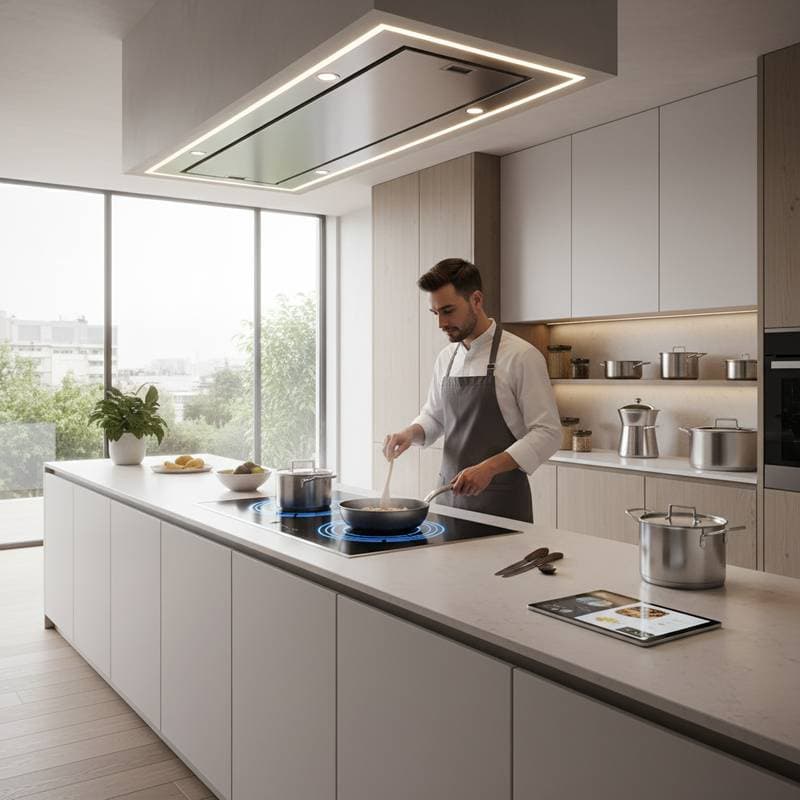
Induction cooking uses electromagnetic energy to heat cookware directly. The cooktop surface stays cool, with heat transferring only where the pan contacts the plate. This method provides instant response to adjustments, enabling seamless transitions from simmering to boiling. Designers like Stephanie Goto describe induction as the quiet choreography of heat, offering control that feels intuitive and advanced.
Achieving Aesthetic Minimalism
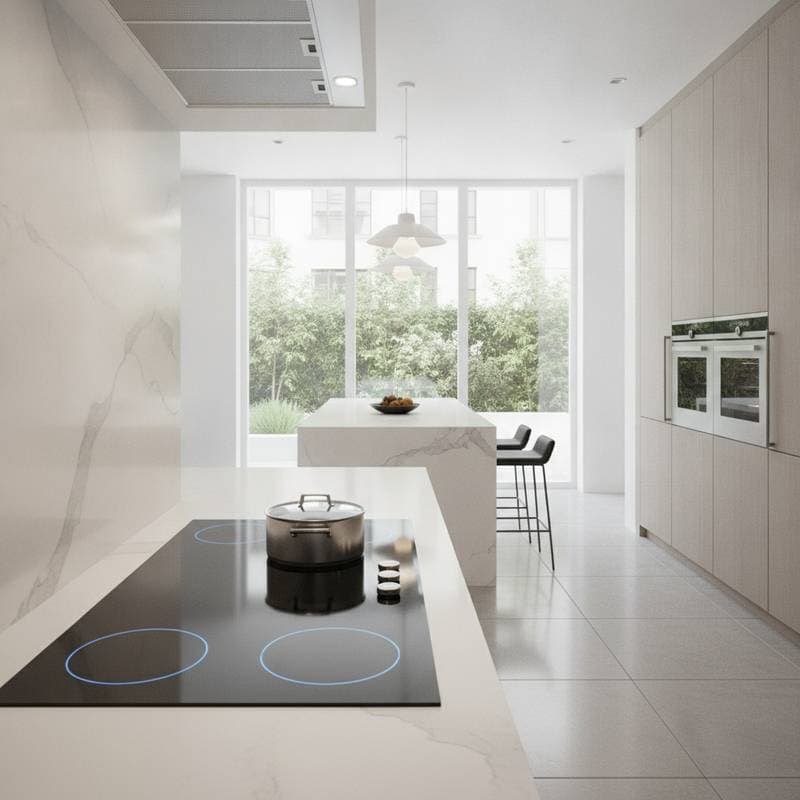
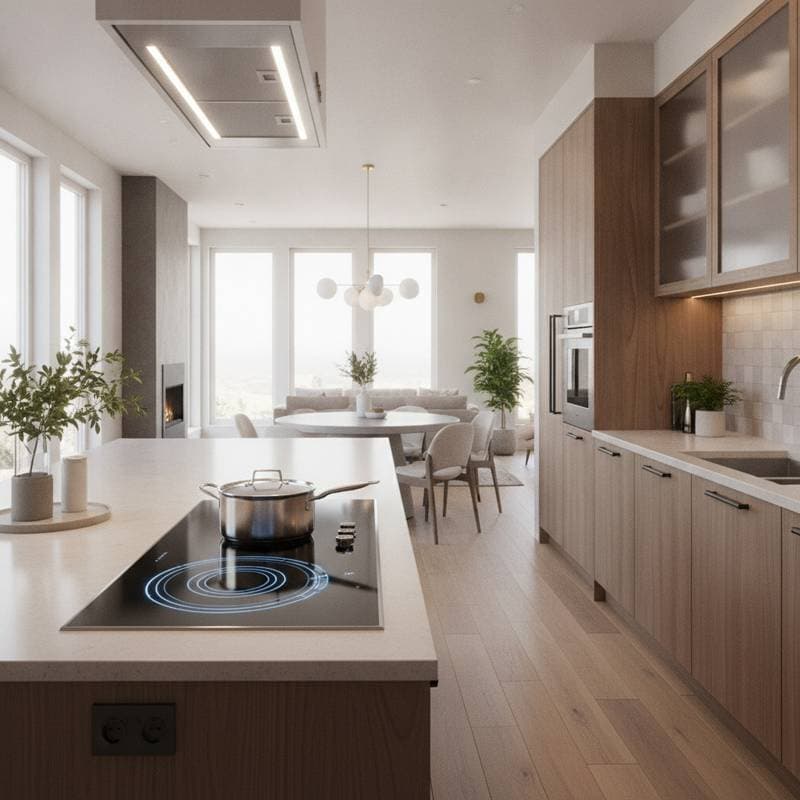
Induction cooktops feature a restrained design without bulky grates or exposed burners. The smooth glass-ceramic surface creates sculptural clarity. Brands such as Miele and Gaggenau provide models with integrated touch controls that enhance this simplicity. Paired with European oak cabinetry and matte stone counters, these cooktops integrate seamlessly into open-plan living areas, particularly in urban homes.
Improving Indoor Air Quality
Induction eliminates combustion byproducts like carbon monoxide, nitrogen dioxide, and particulates from gas stoves. This results in cleaner, healthier kitchen environments. Wellness experts and designers promote induction for its contribution to breathable spaces. Architect Lauren Rottet views this as a return to purity, where air quality matches the refinement of surrounding materials.
Enhancing Energy Efficiency
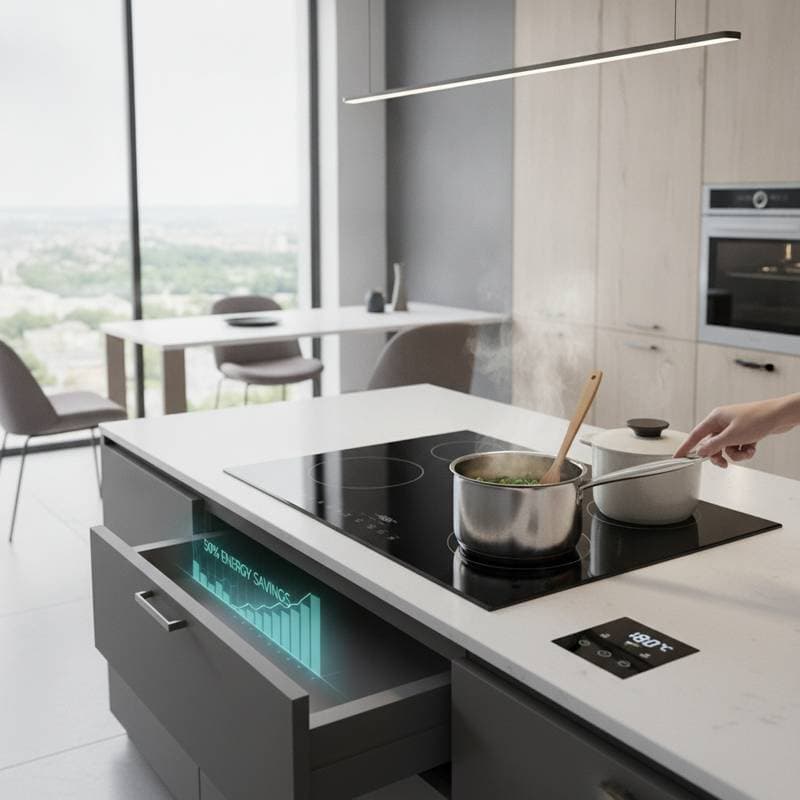
Induction systems convert energy to heat more efficiently than gas or traditional electric models. This efficiency supports broader sustainability efforts. Homeowners integrating solar power find induction aligns well with renewable energy use. Such kitchens promote responsible living while maintaining high performance.
Selecting Complementary Surfaces
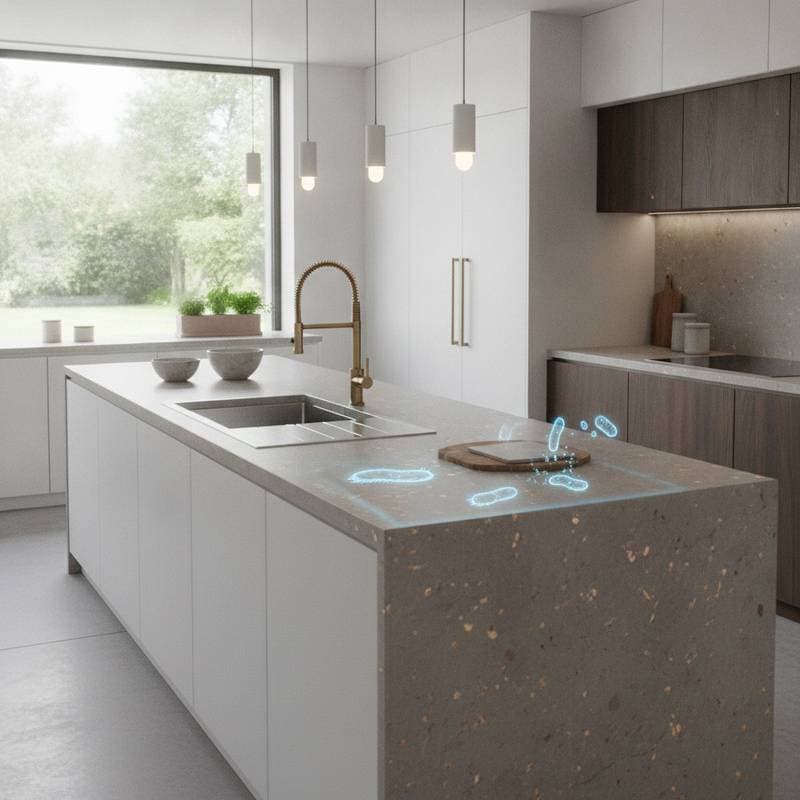
Designers combine induction cooktops with materials that balance technology and warmth. Options include polished soapstone, brushed stainless steel, and honed terrazzo for texture against the glass surface. Benjamin Moore Graphite 1603 on cabinetry echoes the cooktop depth, while rift-cut oak or bleached ash adds organic softness. This interplay of cool and warm elements shapes modern culinary design.
Integrating Smart Features
Induction cooktops fit into connected home systems, syncing with digital assistants and apps for remote control. Effective designs keep technology unobtrusive. Bora integrated cooktop extractors remove the need for overhead hoods, maintaining open sightlines. Technology thus supports the space without overwhelming it.
Adapting to the Absence of Flame
Gas flames once symbolized culinary authenticity. Induction shifts focus to invisible, consistent energy. Professional chefs value its reliability and cleanliness. Designer Ilse Crawford notes this as learning to cook by intuition, emphasizing touch, timing, and senses over visual fire cues.
Addressing Retrofitting Needs
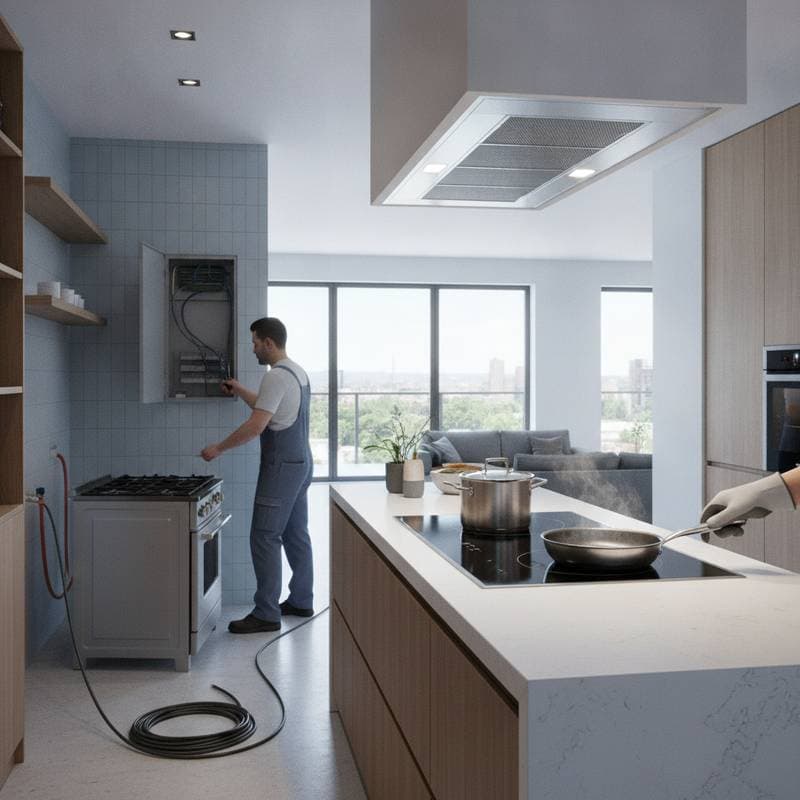
Switching to induction requires planning for electrical upgrades to handle increased current. Collaborate with certified electricians during early design stages for proper wiring and amperage. Countertop adjustments differ from gas ranges, so coordinate with fabricators. Precise installation enhances the overall serene aesthetic.
Navigating Cultural and Policy Shifts
Policies and sustainability goals drive the transition from gas in new builds and renovations. This influences product development, builder choices, and culinary training. Younger homeowners prioritize environmental impact, viewing induction as both stylish and ethical. The movement evolves luxury alongside ecological awareness.
Envisioning the Future Kitchen
Exemplary induction kitchens balance technology with human elements. In Studio Shamshiri projects, a black glass cooktop atop vein-cut travertine islands reflects pendant light softly. Without flames or noise, cooking becomes meditative and intentional. This approach defines gas-free living through minimalism and ritual.
Integrating Induction into Daily Life
Adopting induction refines lifestyle through easy maintenance, odor-free operation, and reduced noise. These features foster a calmer kitchen atmosphere and sense of spaciousness. For remodels, coordinate electrical, cabinetry, and ventilation elements thoughtfully. Engage professionals versed in induction to align practical and aesthetic aspects. The result reimagines cooking as an act of care, creativity, and connection.