Gas Bans Push Induction Cooking in New Kitchen Designs
Across many regions, gas restrictions are changing how new kitchens are built. Homeowners planning remodels are finding that their long-trusted gas ranges are no longer allowed in some municipalities. This shift is pushing builders and designers to rethink what modern cooking spaces look like.
The result is a growing move toward induction cooking, which uses magnetic energy rather than flame or resistance heat. As a contractor who has installed hundreds of kitchens, I have watched this transition happen right in clients homes. Many people resist the idea of losing gas because they associate it with control, speed, and professional-grade performance.
After a few months of living with a good induction cooktop, most homeowners admit they would never go back. The key is understanding what changes when gas is off the table and how to design a kitchen that takes full advantage of electric induction systems.
Understanding Induction Cooking
Induction cooktops use electromagnetic energy to heat the cookware directly rather than heating the burner surface. When you place a magnetic pan on the cooking zone, the cooktop creates a controlled magnetic field that excites the metal in the pan, generating heat instantly. The result is fast, efficient, and precise cooking.
Unlike traditional electric elements that glow red and radiate heat outward, induction only heats the pan itself. The surrounding surface stays relatively cool, which improves safety and reduces wasted energy.
Key Advantages
-
Speed and Control
Induction brings water to a boil faster than gas and provides fine temperature adjustments. You can go from a rolling boil to a gentle simmer in seconds without the lag common in standard electric ranges. -
Efficiency
Only the cookware gets hot, so less heat escapes into the air. This keeps the kitchen cooler and reduces energy costs. -
Safety
The cooktop remains cool to the touch around the pan. If a child or pet touches the surface, the risk of burns is drastically lower. -
Easy Cleaning
With no open flame or baked-on spills, cleanup is simple. Wipe the glass surface with a damp cloth once it cools and it looks new again. -
Air Quality
Gas combustion releases nitrogen dioxide and other pollutants into the kitchen. Induction eliminates those emissions completely.
Designing a Kitchen Around Induction
When gas is out of the picture, the overall kitchen layout can change dramatically. Many design assumptions built around gas no longer apply. Here is what I recommend to every homeowner starting a new project.
1. Reconsider Ventilation
Gas ranges require heavy-duty range hoods to remove fumes and moisture. Induction produces almost no combustion byproducts, so ventilation can be simpler and quieter. That means you can choose lower-profile hoods or even downdraft systems that retract into the counter.
Still, do not skip ventilation altogether. Cooking vapors from oils and food particles still need to be exhausted. I tell clients to size their hood for airflow rather than flame intensity. It saves money and keeps the kitchen more comfortable.
2. Adjust Countertop Placement
Induction cooktops are thinner than gas ranges, allowing for more flexible installation. You can place drawers directly beneath them or integrate them flush with the countertop for a sleek, seamless look. This opens up valuable storage space.
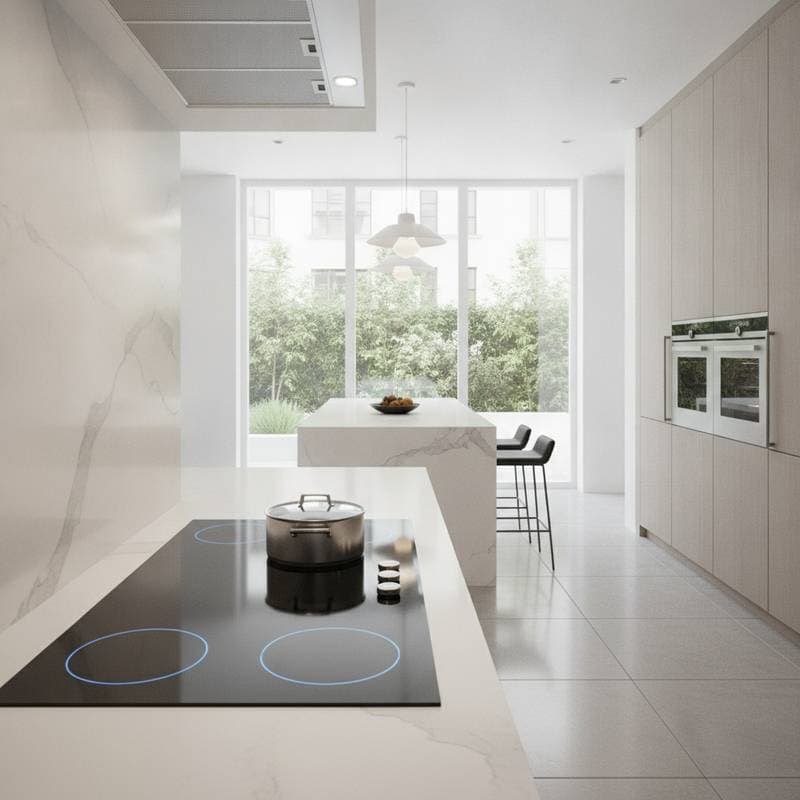
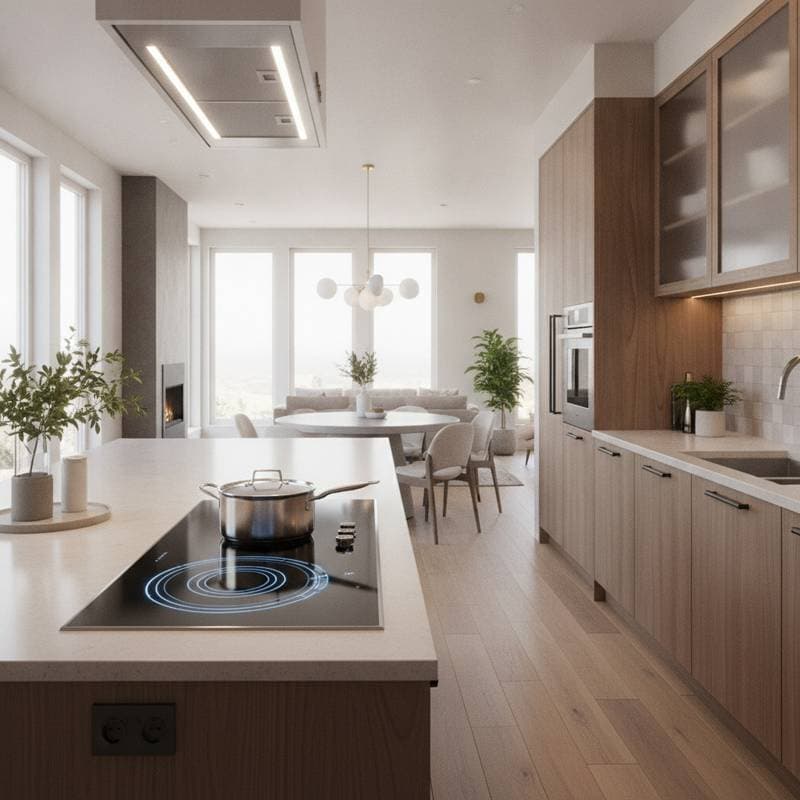
If you are designing a large island, induction lets you install cooking zones where a gas line could never reach. Electric power can be routed through the floor or cabinetry with minimal disruption.
3. Plan for Electrical Access
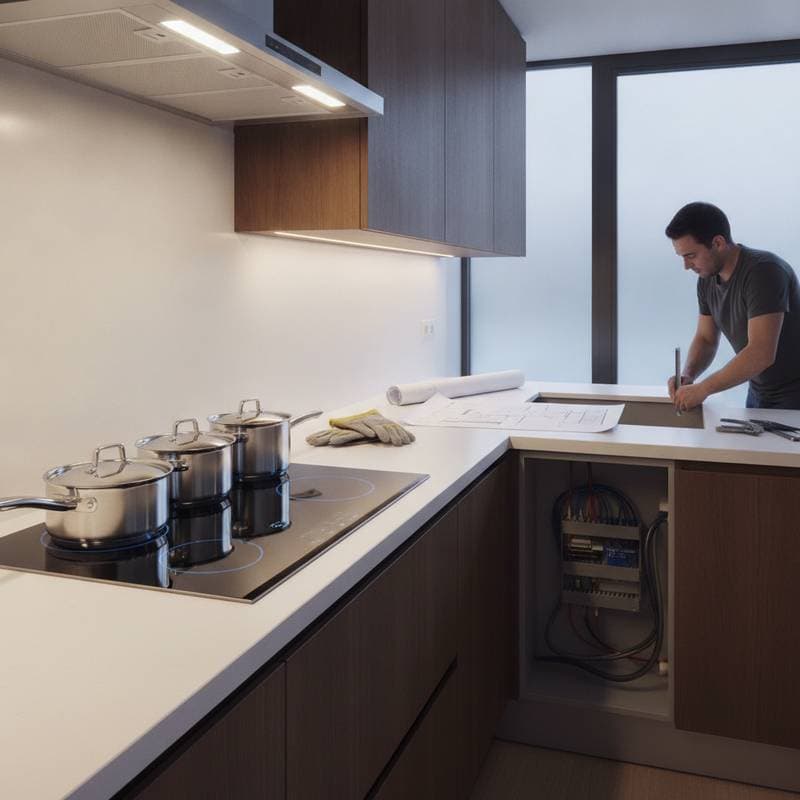
Induction systems need stable electrical supply. During a remodel, run dedicated circuits to every major appliance location. Label each line clearly in the panel. A small investment in proper wiring prevents tripped breakers and voltage drops later.
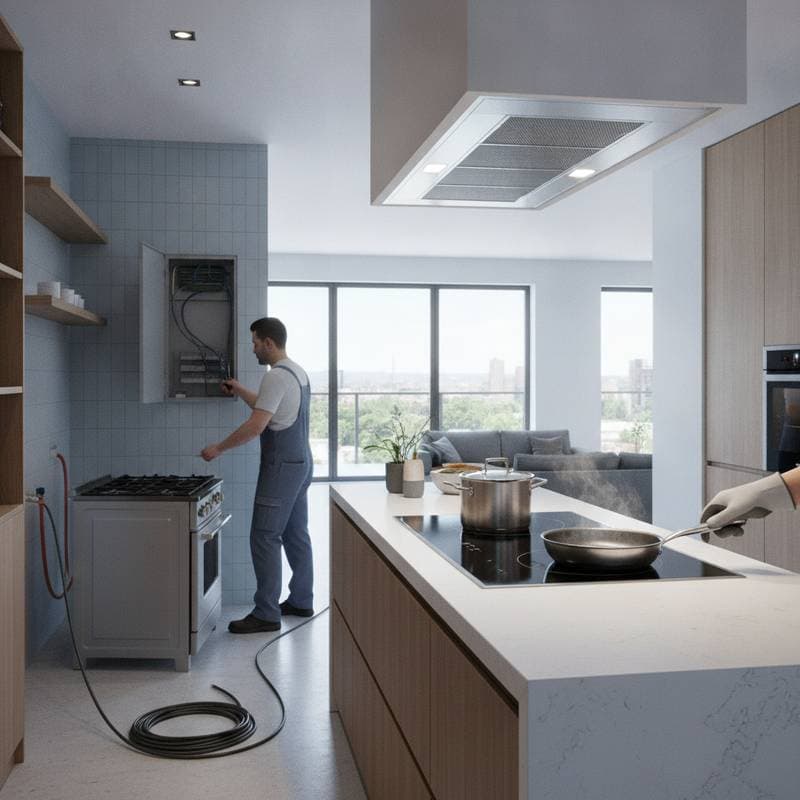
When retrofitting an older kitchen, hire both a licensed electrician and a qualified contractor who understand how to coordinate conduit runs, cabinetry, and appliance placement. I have seen too many installations where the cooktop was installed before the wiring was ready, leading to costly rework.
4. Choose the Right Cooktop Size
Induction units come in multiple configurations: two-burner, four-burner, and even modular systems that link together. If you cook frequently for a large family, go with a full-size range. For smaller households or secondary kitchens, a compact unit integrated into an island can be ideal.
Ask your contractor to confirm the cutout dimensions before ordering countertops. Induction cooktops have specific mounting requirements to ensure airflow beneath the glass surface.
5. Integrate Smart Controls
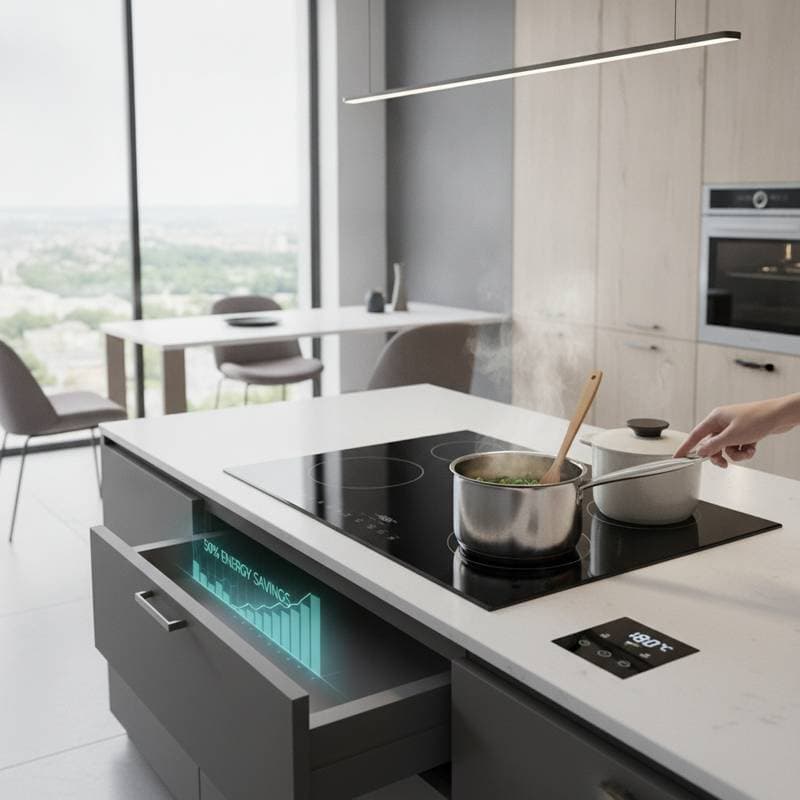
Most new induction appliances include digital controls, timers, and safety locks. Some models link to mobile apps for remote monitoring. While these features seem like extras, they actually enhance safety and efficiency. A simple reminder notification can prevent burned food or wasted power.
The Long-Term Benefits
Once homeowners adapt, the benefits of induction cooking become clear. Kitchens stay cooler, surfaces stay cleaner, and maintenance headaches drop. Without gas lines or open flames, there are fewer safety risks and lower long-term operating costs.
For builders, induction simplifies installations and reduces liability exposure. There are no gas leaks to check, no pressure tests to document, and fewer ventilation issues. Electric systems also integrate better with solar panels and energy-efficient home designs.
The shift to induction aligns with broader goals of reducing household emissions and modernizing infrastructure. But even beyond environmental reasons, it represents a genuine improvement in cooking performance for most households.
Common Mistakes to Avoid
Over the years, I have seen a few recurring problems during induction conversions. Avoid these to save time and frustration.
-
Skipping Power Assessments
Do not assume your existing kitchen wiring can handle a new induction range. Always verify amperage capacity before installation. -
Inadequate Countertop Support
Though induction units are lighter than gas ranges, they still need proper support. Avoid setting them directly on weak or uneven cabinetry. -
Ventilation Oversights
Some homeowners remove hoods entirely, thinking they are unnecessary. While induction eliminates combustion fumes, cooking odors still linger without proper ventilation. -
Improper Cookware Testing
Buying new cookware after installation can delay use. Test your current pans early so you know what needs replacing. -
Ignoring Manufacturer Clearances
Every unit specifies minimum spacing for airflow and safety. Follow those instructions closely to prevent overheating or warranty issues.
Planning Your Transition
The move from gas to induction is not just a regulatory adjustment. It is a practical evolution in kitchen design and home performance. Builders, designers, and homeowners all share responsibility for making the transition smooth.
Start with accurate information. Work with licensed professionals who understand both electrical systems and appliance integration. Plan for ventilation, power supply, and cabinetry together rather than treating each as a separate step.