Antimicrobial Surfaces Transforming Modern Kitchen Design
The kitchen serves as the heart of the home. Function and beauty intersect through daily rituals of preparation and gathering. Antimicrobial surfaces now extend this definition by incorporating hygiene science into residential design. These materials move beyond hospital origins to become active elements in countertops, cabinetry, and hardware.
Designers integrate such surfaces to support healthier living without sacrificing aesthetics. The following examples illustrate how specific materials achieve this balance.
Quartz with Silver Ion Protection
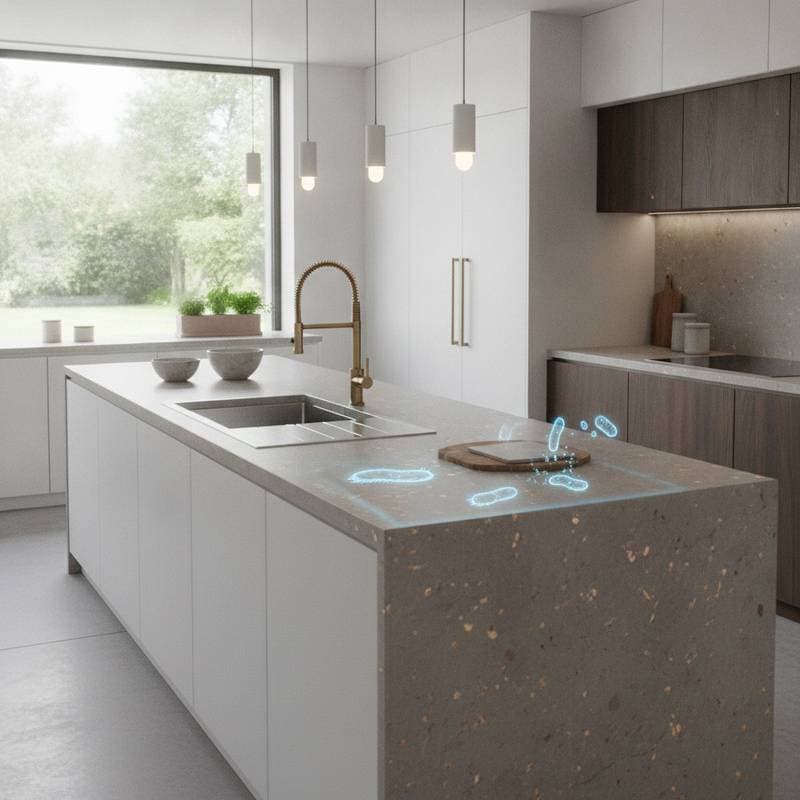
Quartz countertops offer consistent veining and low maintenance. Manufacturers embed silver ions into the resin to disrupt bacterial growth continuously. This addition preserves the original color and texture. Designers select shades such as Eternal Calacatta Gold for bright spaces that pair with matte lacquer cabinetry.
Copper Accents for High-Touch Areas
Copper kills microbes on contact through natural oxidation. It appears in faucets, pulls, and backsplash tiles that develop a warm patina over time. Hand-hammered copper sinks contrast effectively with limestone countertops. The living finish adds visual depth while providing ongoing antibacterial action.
Porcelain Slabs with Photocatalytic Glaze
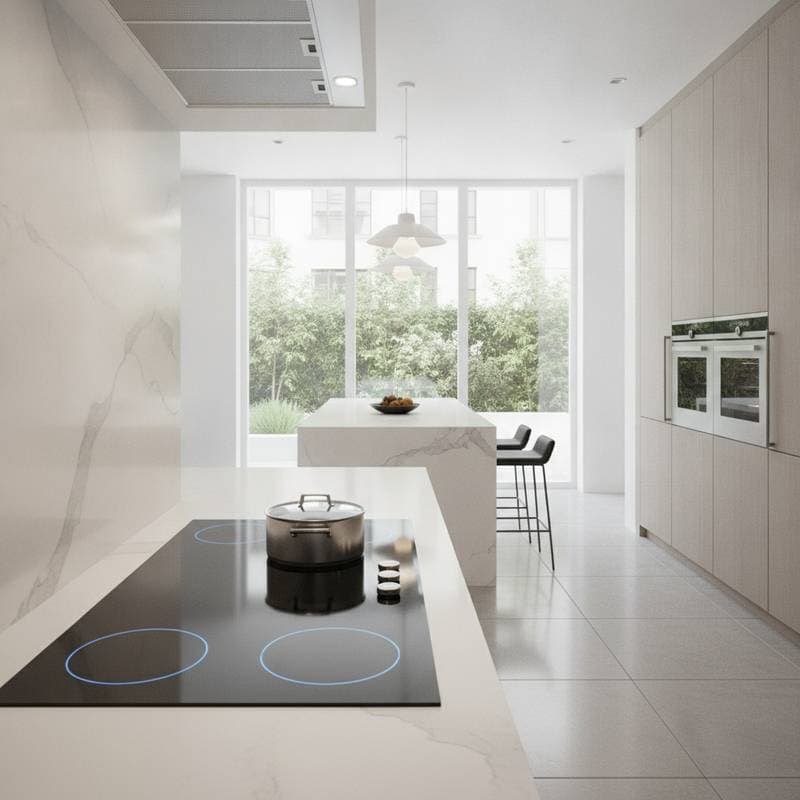
Large porcelain slabs receive antiviral coatings that neutralize bacteria under light exposure. The invisible layer maintains realistic stone patterns such as Statuario Venato. These surfaces suit waterfall islands and backsplashes where seamless appearance and durability matter most.
Matte Stainless Steel Surfaces
Brushed stainless steel reduces fingerprints while retaining its inherent resistance to bacteria. Integrated sinks and concealed seams create monolithic work areas. Pairing the steel with walnut cabinetry introduces warmth and prevents a clinical appearance.
Antimicrobial Laminate Options
Modern laminates incorporate additives that resist odor-causing bacteria during manufacturing. Soft neutrals such as Fossil Gray work well in family kitchens. Wood edge details and LED task lighting elevate the material beyond basic utility.
Self-Cleaning Ceramic Tiles
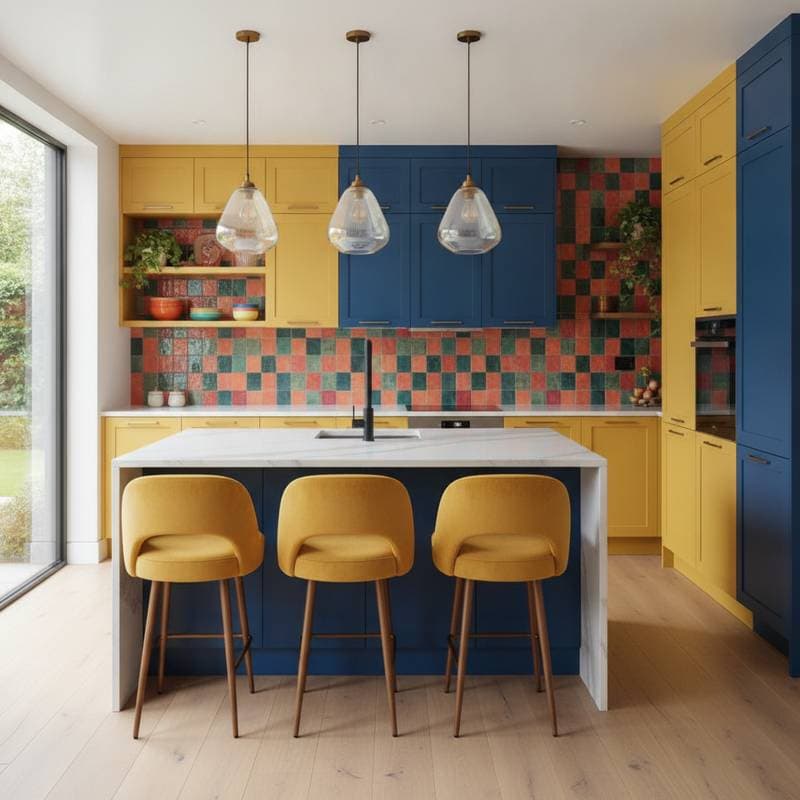
Titanium dioxide in ceramic glazes breaks down organic matter when activated by light. Hand-painted tiles in colors like indigo or ochre stay vibrant with minimal cleaning. This technology suits backsplashes that receive regular moisture and splatter.
Graphene-Infused Engineered Stone
Graphene increases hardness and adds antibacterial properties to engineered stone. Deep charcoal tones complement matte black hardware and smoked glass cabinetry. The micro-textured surface provides subtle light reflection similar to polished slate.
Antimicrobial Wall Paints and Coatings
Silver-based paints inhibit mold on walls near cooking areas. Soft blue-gray shades enlarge spaces visually while protecting surfaces from moisture. Application on soffits creates a cohesive, low-maintenance envelope.
Sensor-Embedded Composite Countertops
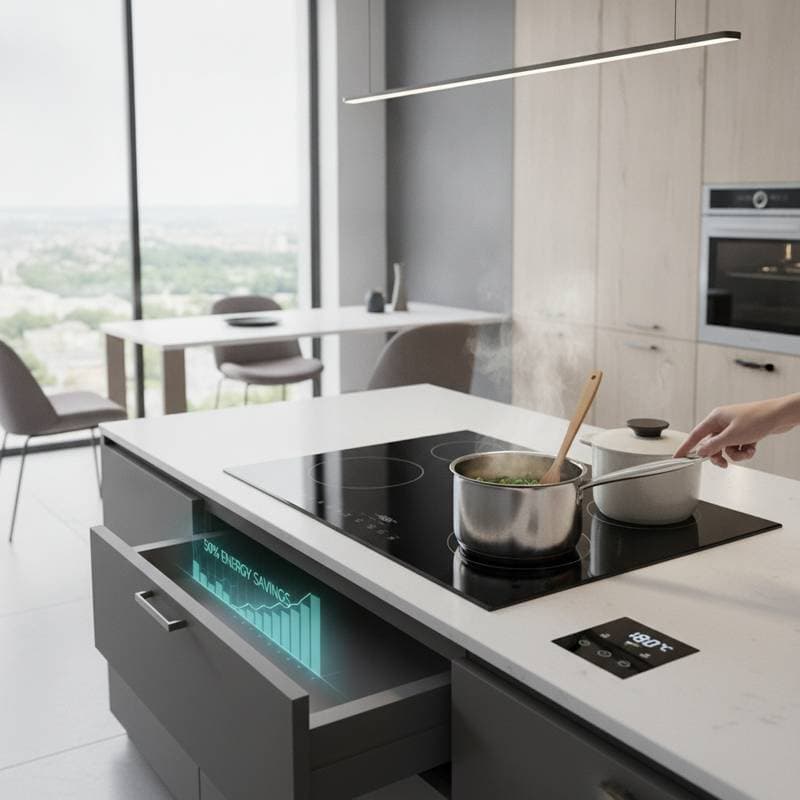
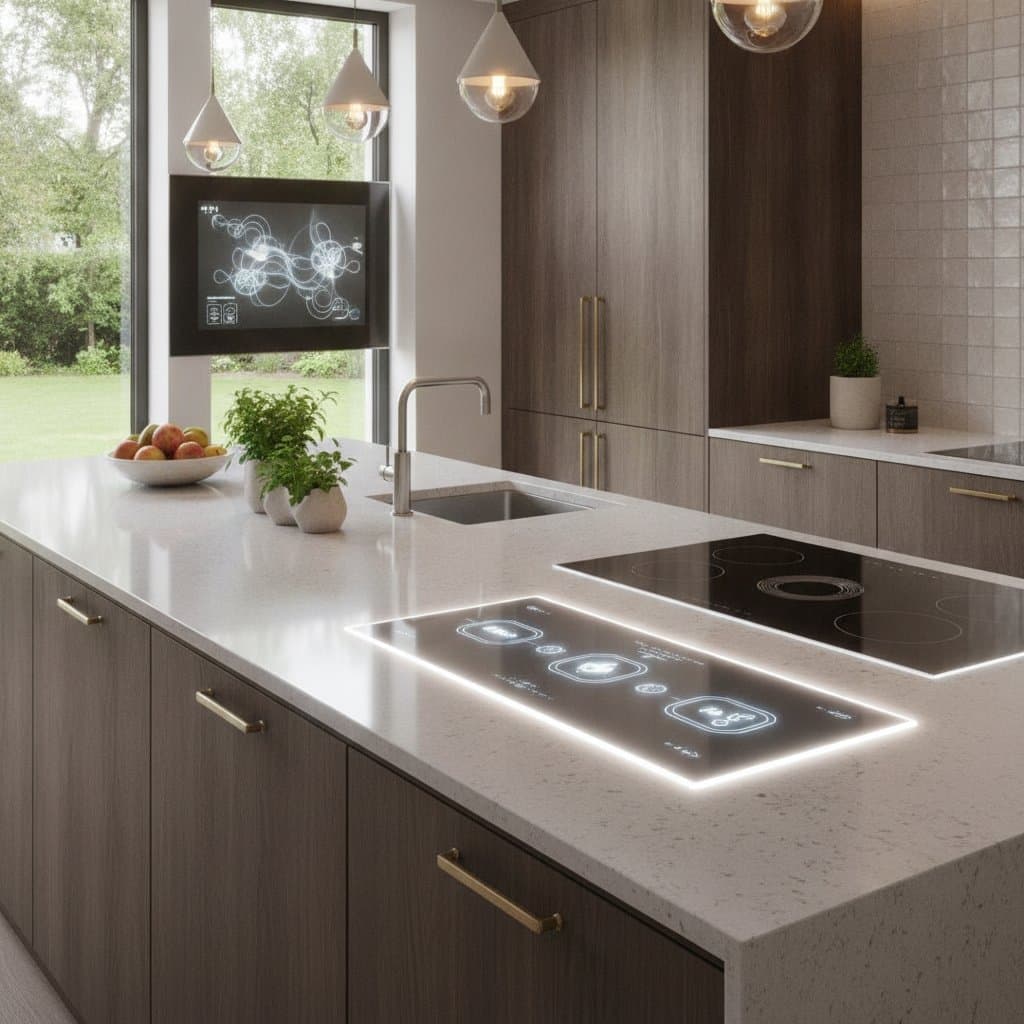
Emerging composites include micro-sensors that track temperature and microbial levels. Alerts reach a connected app when cleaning becomes necessary. These prototypes demonstrate how surfaces can communicate maintenance needs directly.
Recycled Glass Composites
Post-consumer glass fragments combine with antimicrobial resins to form unique countertops. Varied flecks of turquoise and amber create distinctive patterns. The translucent base supports both sustainability goals and bacterial resistance.
Material Science in Daily Use
Silver ions disrupt cell walls. Copper produces a germicidal effect through oxidation. Titanium dioxide decomposes matter under light. Graphene limits adhesion via conductivity. These mechanisms operate at microscopic scale yet reduce routine cleaning demands.
Layering Materials for Effective Results
Successful kitchens combine multiple antimicrobial surfaces. A quartz island can anchor the layout while copper hardware and porcelain backsplashes add contrast. LED lighting supports photocatalytic performance. Neutral mineral tones and varied textures maintain visual warmth.
Practical Integration Steps
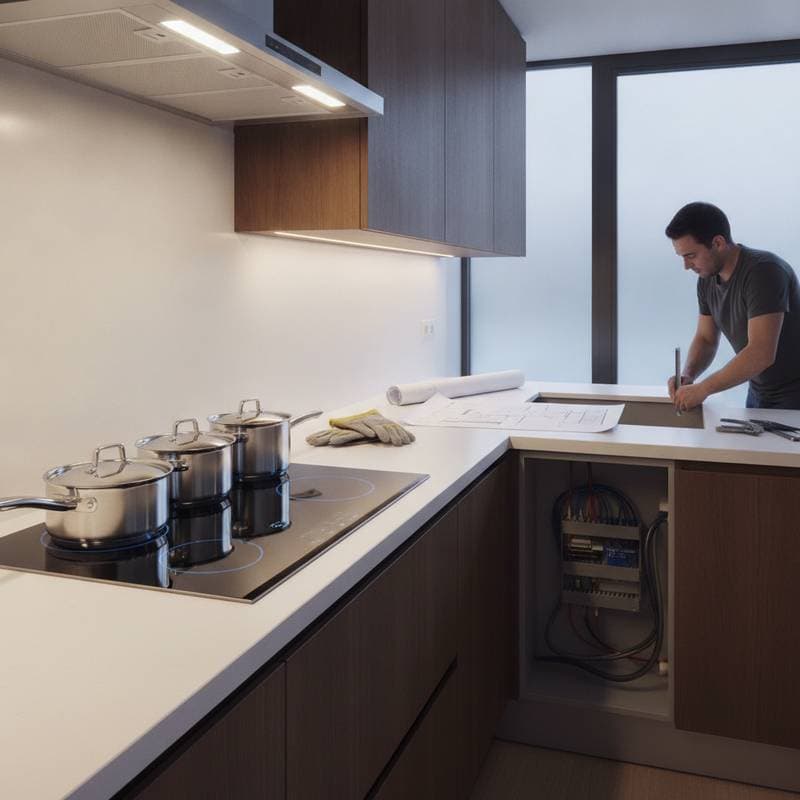
Select materials according to touch frequency and light exposure. Test samples for heat resistance and finish durability before installation. Coordinate sensor systems with existing home networks where applicable. Regular evaluation confirms continued performance over time.
Enduring Value in the Kitchen
Antimicrobial surfaces simplify maintenance and support consistent hygiene. Their finishes age gracefully, preserving both protection and appearance through years of use.