Gas Stoves Face Restrictions as Induction Cooktops Enter Building Codes
New rules in many areas limit or ban gas stoves in homes. Home cooks who rely on gas may feel concerned about these changes. Gas ranges have offered instant heat and precise control for years. Building codes now favor electric options to support cleaner energy goals.
Induction cooktops provide an upgrade in safety, efficiency, and performance. Homeowners need clear information on the conversion process and associated costs. This guide covers the reasons for the shift, the steps involved, and practical budgeting advice.
Reasons for Phasing Out Gas Stoves
Gas stoves emit carbon dioxide and nitrogen dioxide. These emissions raise indoor air pollution levels and can affect breathing. Research shows that gas cooking can produce nitrogen dioxide concentrations several times higher than outdoor levels. Local governments respond by promoting electric cooking in new construction.
The change also supports broader climate targets. Gas appliances connect homes to fossil fuel systems. Electric cooking aligns with renewable sources such as solar and wind power. Homeowners face two practical questions. Will local codes require a change? How much effort and expense will the switch involve?
Benefits of Induction Cooktops
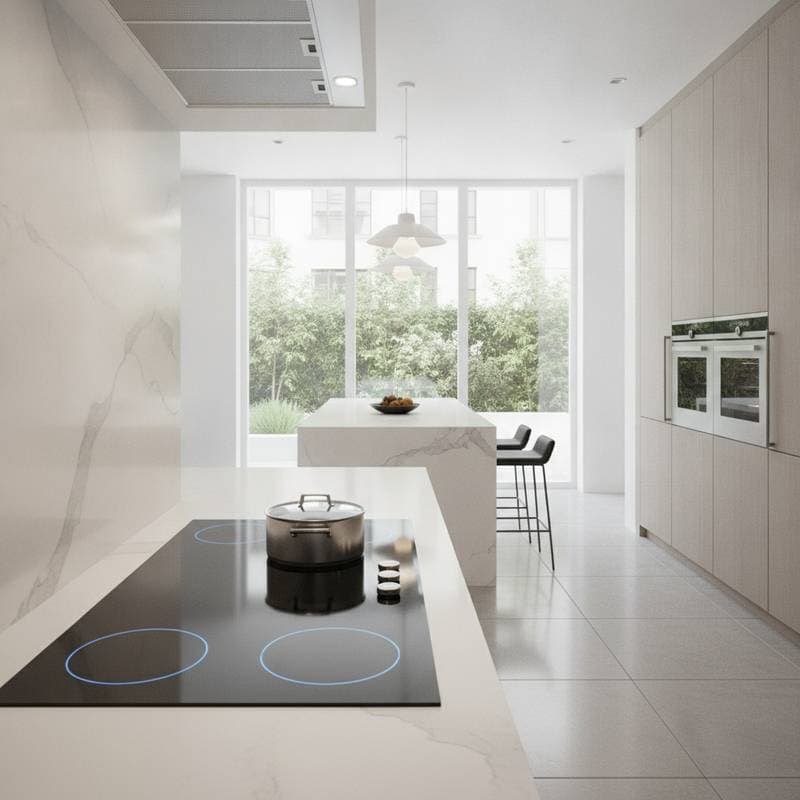
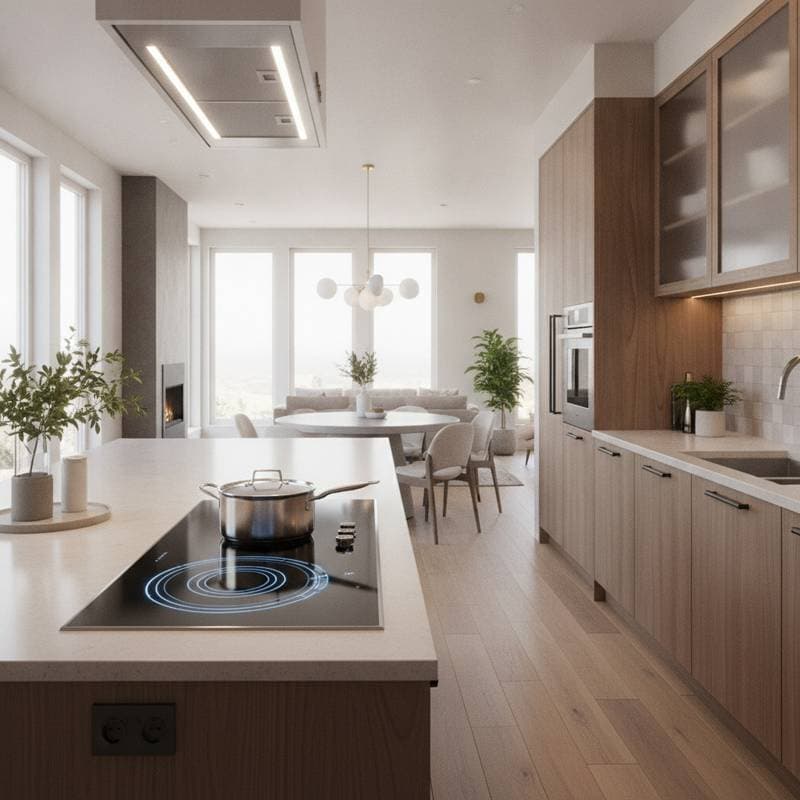
Induction technology uses magnetic fields to heat cookware directly. This method delivers faster heating, precise control, and a cooler kitchen environment.
Key advantages include the following:
- Water reaches a boil in roughly half the time of a gas burner.
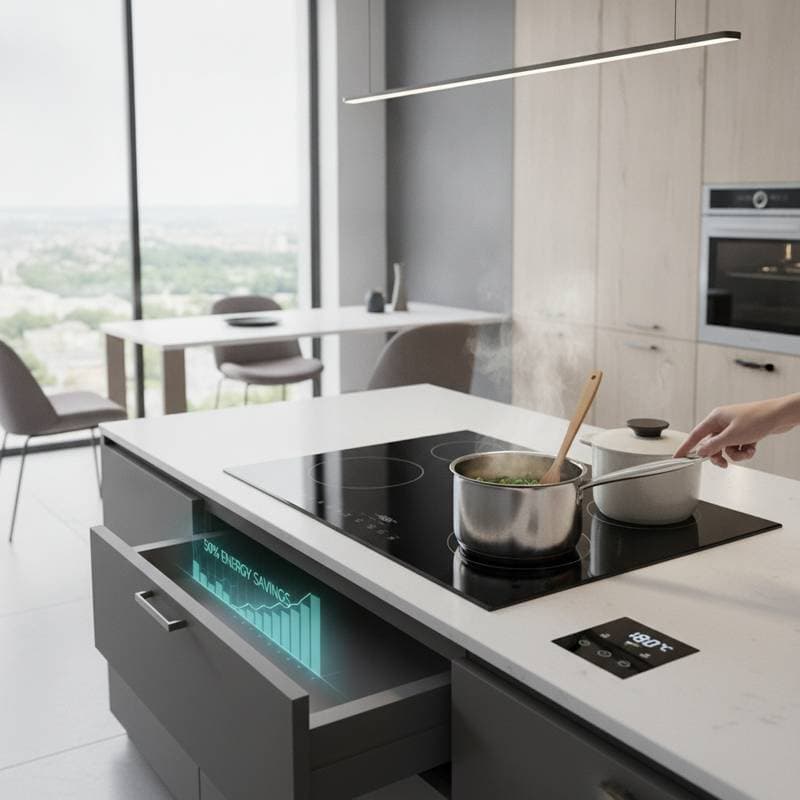
- Efficiency reaches 85 to 90 percent because energy transfers straight to the pan. Gas burners average about 40 percent.
- The surface remains relatively cool and lowers burn risks.
- No open flames or soot appear on the cooktop.
- Temperature adjustments occur instantly.
Most users adapt quickly. The main requirement is magnetic cookware. Stainless steel and cast iron work well. Pans made of aluminum or copper need a magnetic base layer to function.
Steps to Convert a Kitchen
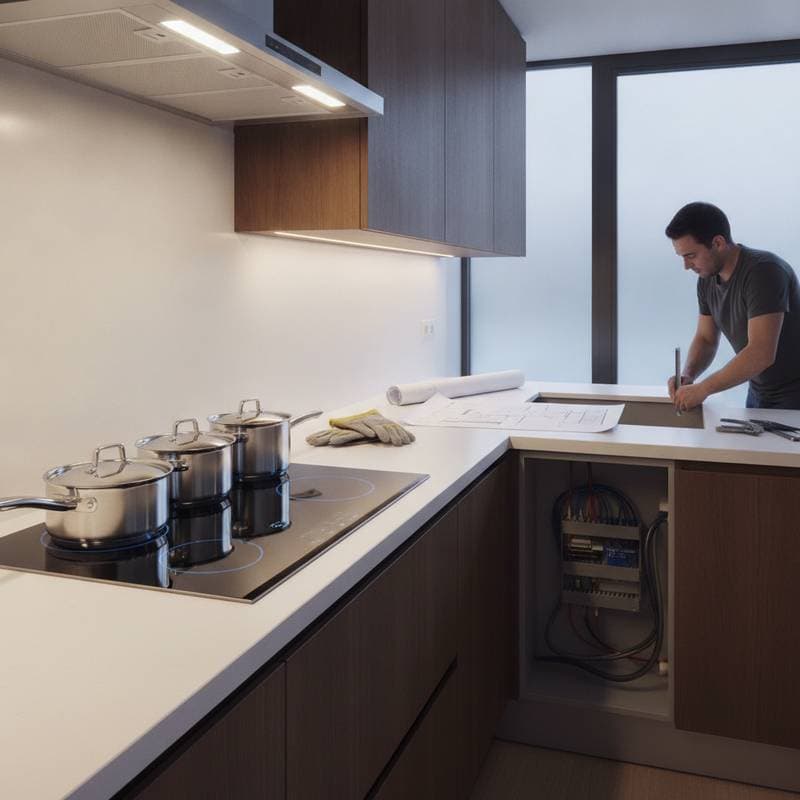
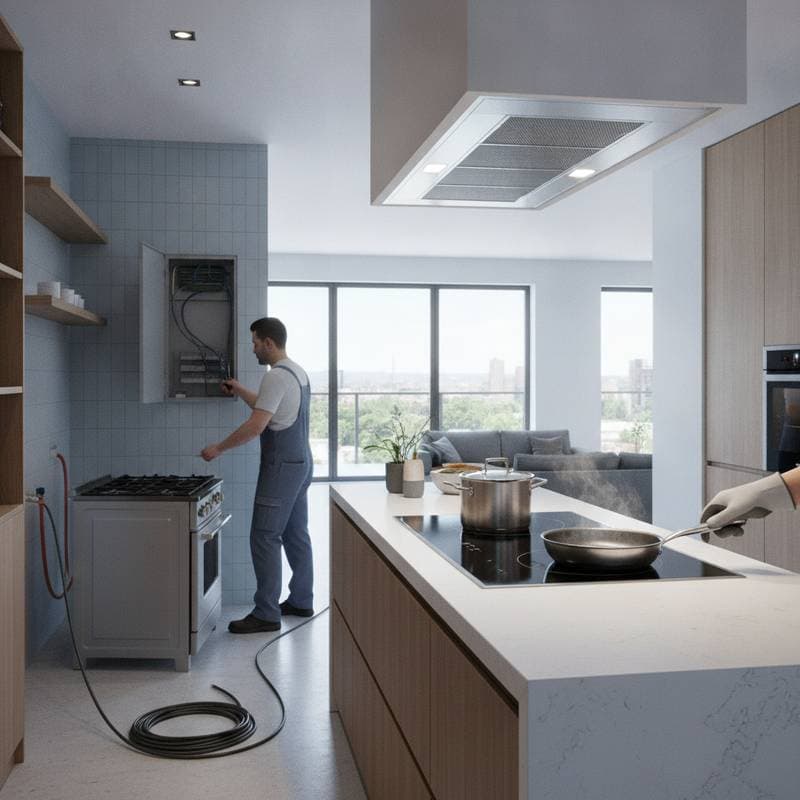
Conversion requires attention to both gas and electrical systems. A simple appliance swap is not sufficient.
Follow these steps:
- Have a licensed plumber cap the gas line. This work typically costs between 100 and 300 dollars.
- Confirm that a dedicated 240-volt circuit exists. Older homes often need new wiring from the panel. Electrical labor ranges from 300 to 1000 dollars.
- Verify panel capacity. An upgrade may cost between 1200 and 3000 dollars if amperage is insufficient.
- Select and install the cooktop. Mid-range models cost 900 to 2500 dollars. Professional installation adds 150 to 400 dollars.
Total project costs usually fall between 1500 and 6000 dollars.
Energy Use and Ongoing Expenses
Induction cooktops lower overall energy consumption once installed. Higher electricity rates are offset by greater efficiency and shorter cooking times. Annual energy use can decrease by 10 to 20 percent. Maintenance becomes simpler because the flat surface wipes clean quickly and fewer parts require service.
Cookware replacement may add an initial expense of 150 to 400 dollars for a basic set. Many households begin with a few compatible pieces and add more over time.
Safety Requirements and Local Rules
Gas line work must be completed by licensed professionals to avoid leaks. Electrical modifications require permits in most areas. Contact the local building department before starting any project. Some utilities provide rebates between 100 and 500 dollars for qualifying electric appliances.
Residents in multifamily buildings should consult property managers or associations first. Shared systems may need additional approvals.
Performance Comparison
Induction delivers faster response than gas flames. Chocolate melts without burning, and pans reach high heat rapidly. The table below summarizes key differences.
| Feature | Gas Stove | Induction Cooktop |
|---|---|---|
| Heat control | Excellent | Excellent |
| Speed | Moderate | Very fast |
| Energy efficiency | Moderate | High |
| Safety | Open flame | Cool surface |
| Cleanup | Grates and burners | Smooth glass |
| Installation complexity | Simple if gas line exists | Requires electrical circuit |
Professional kitchens increasingly choose induction for these reasons.
Practical Transition Options
Homeowners can ease into the change with smaller steps. A portable induction unit costs 60 to 150 dollars and plugs into a standard outlet for testing. Utility rebates and combined electrical projects can reduce total expenses. Begin by assessing kitchen space and panel capacity, then obtain quotes from qualified electricians and plumbers.
Next Actions for Homeowners
Evaluate current electrical service and available cooktop space. Test induction models in stores to experience the controls. Secure professional estimates and check for local incentives before scheduling work. This approach supports cleaner air, code compliance, and improved cooking results.