Why Induction Retrofits Are Replacing Gas Stoves in 2026
The kitchen remains the heart of the home. Recent shifts in energy efficiency and air quality have accelerated interest in induction cooking. Homeowners now choose induction systems over gas stoves for their blend of style, performance, and lower environmental impact.
Visual Clarity in Kitchen Design
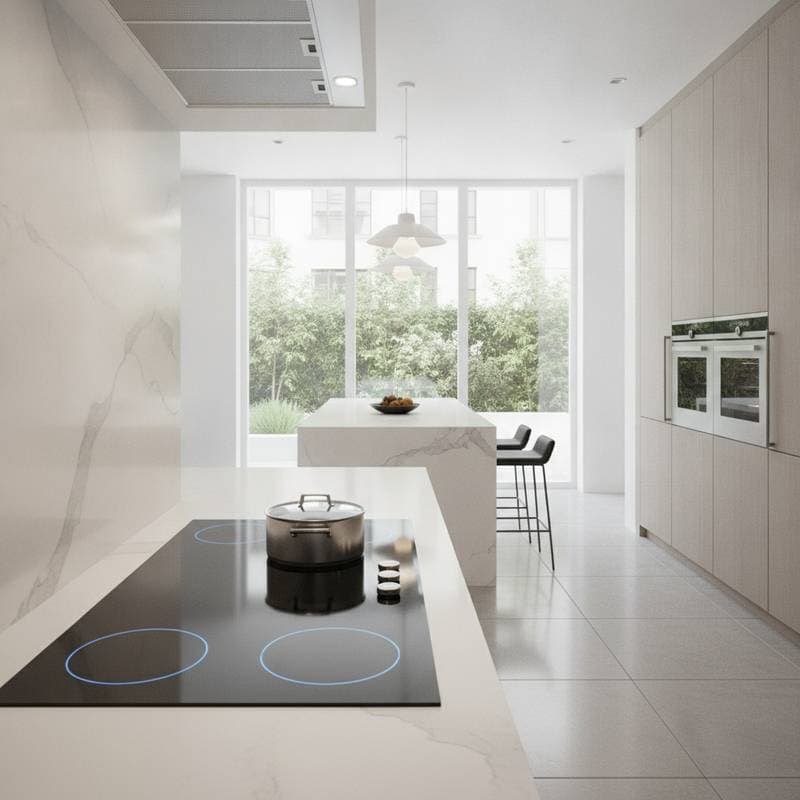
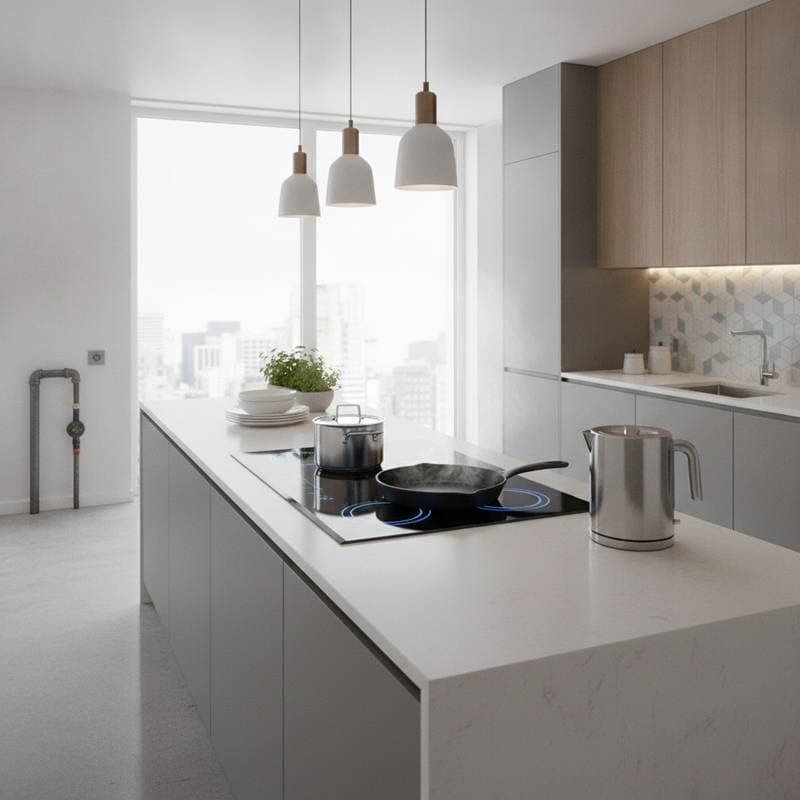
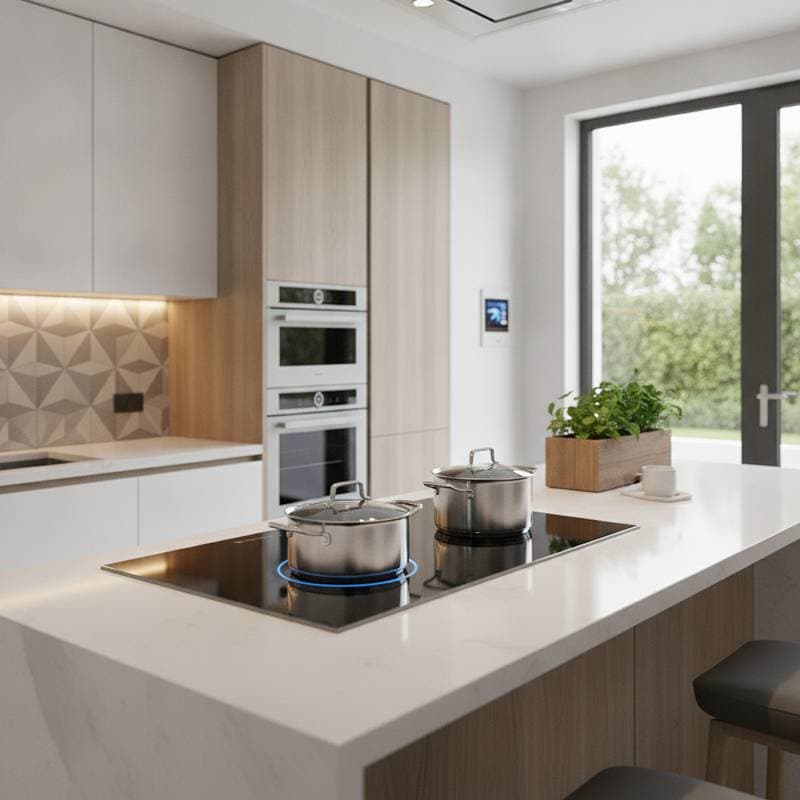
Induction cooktops create a smooth, uninterrupted surface of black glass that aligns flush with countertops. This design eliminates bulky grates and open burners. Designers note that the clean expanse lets light reflect evenly across materials such as honed marble or matte oak. The result supports minimalist layouts where cabinetry and stone take center stage.
Precise and Efficient Cooking
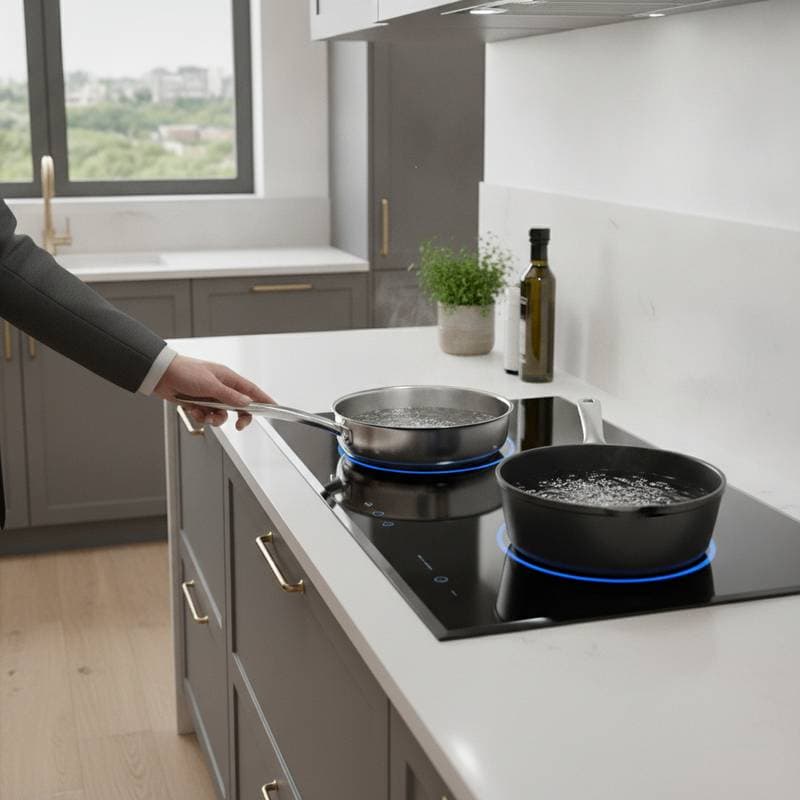
Induction heats the pan directly rather than the surrounding air. Water reaches a boil faster, and temperature changes occur within seconds. This method delivers the responsiveness once associated with gas while adding exact control. Users report fewer overcooked dishes and more consistent results across recipes.
Improved Indoor Air Quality
Gas stoves release nitrogen dioxide and other combustion byproducts that affect breathing. Induction removes open flames and eliminates these emissions. Homeowners pair the cooktops with effective ventilation to maintain steady air quality. Wellness-focused projects now specify induction to support respiratory health in daily use.
Support for Sustainable Homes
Induction systems convert electricity with high efficiency and pair well with renewable energy sources. This combination reduces household energy waste. Architects integrate these units when planning homes that meet long-term environmental goals. The choice aligns daily cooking with broader sustainability targets.
Straightforward Retrofit Process
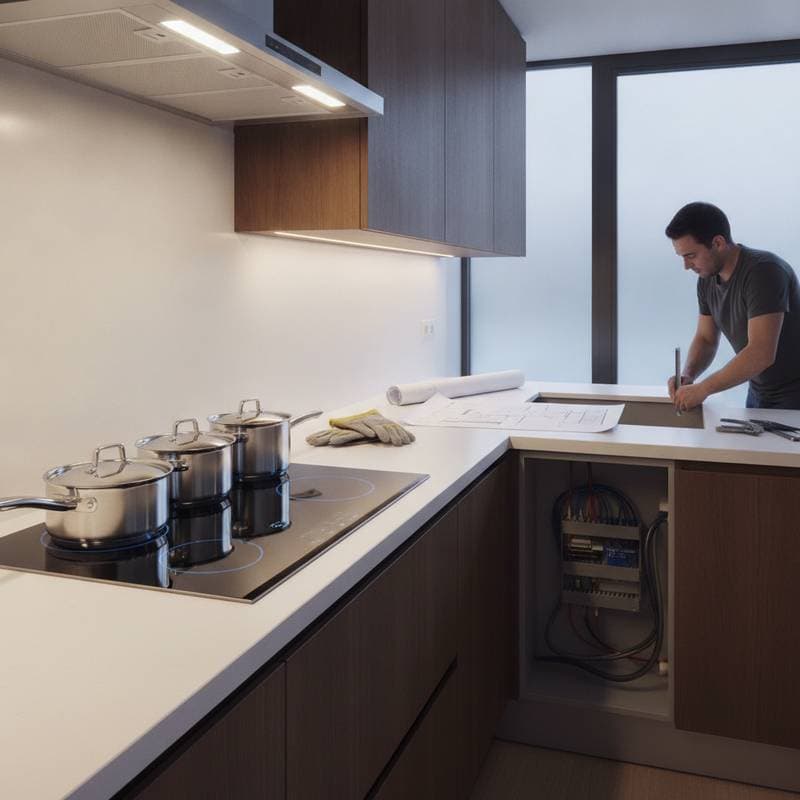
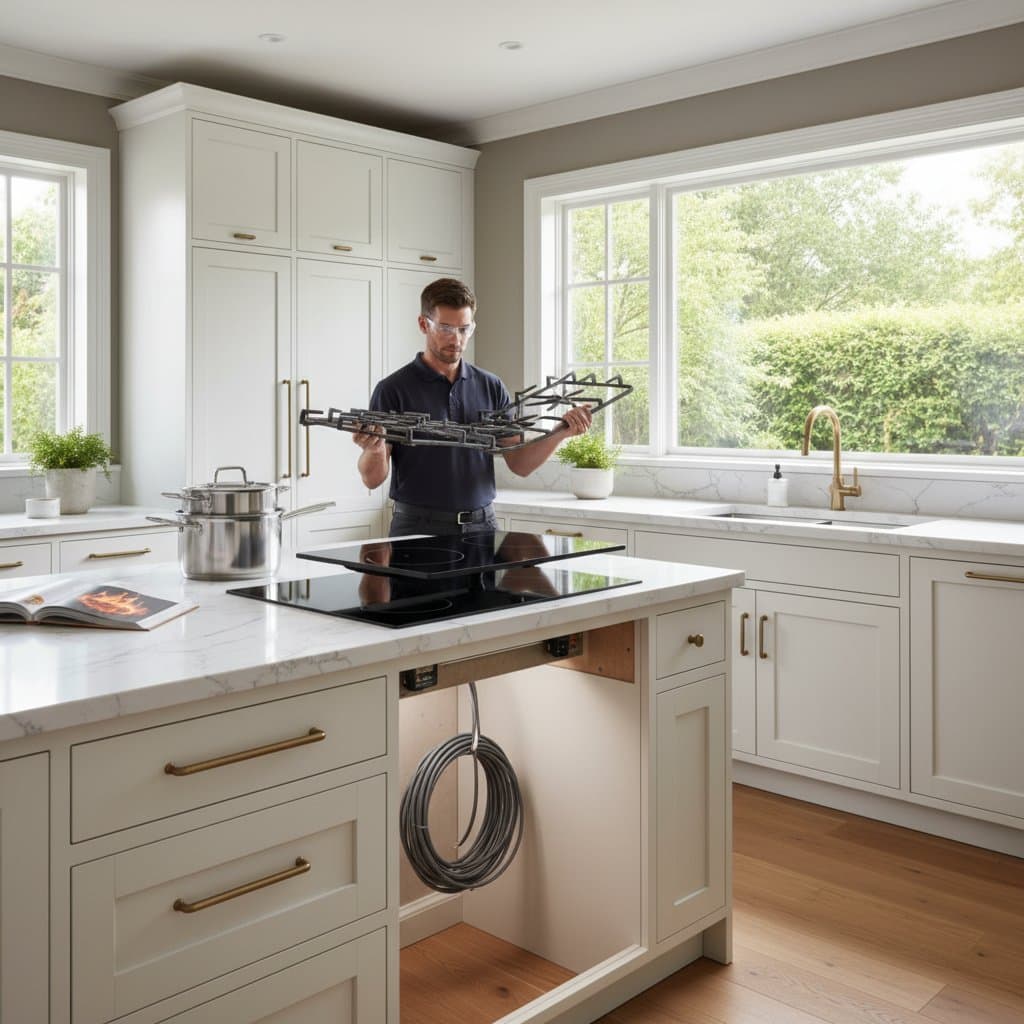
Many induction models fit existing cutouts and require only standard electrical service or a modest upgrade. Electricians often complete the work in a single day. Older homes may need one dedicated circuit, yet the project rarely involves major demolition. Homeowners gain a modern appliance without a full kitchen overhaul.
Safe and Flexible Surfaces
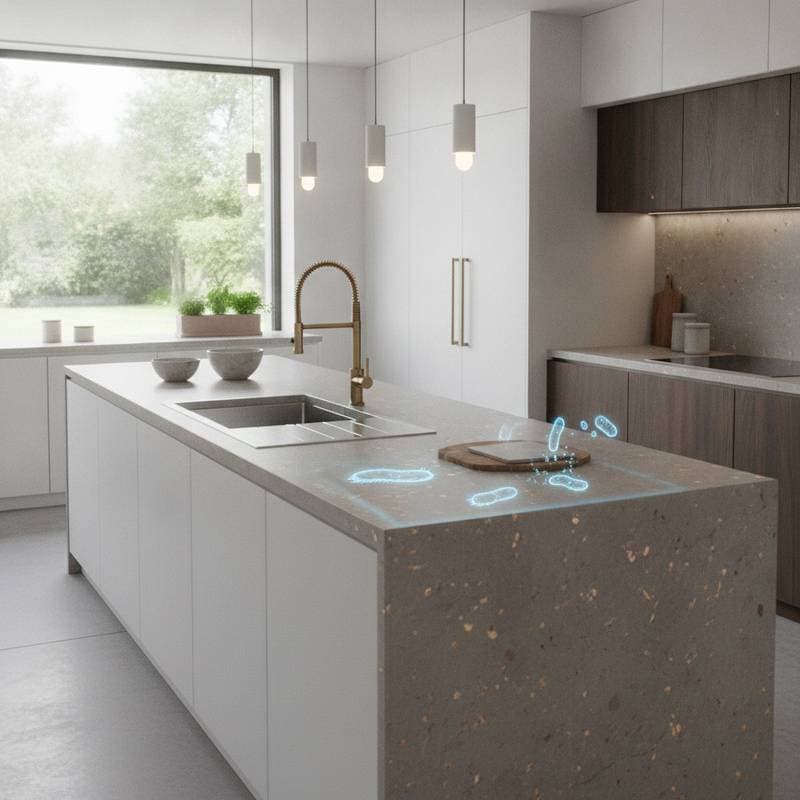
The cooktop stays cool except directly under the pan. This feature allows safe use of quartzite, terrazzo, or recycled glass counters. Touch controls replace knobs, and LED indicators show active zones. Designers place units in islands to create continuous workspaces that transition smoothly into dining areas.
Expanded Layout Options
Removal of gas lines and ventilation ducts opens sightlines and frees floor space. Compact kitchens feel larger, and open-plan homes maintain clear views between cooking and living zones. Flush or concealed installations keep the focus on architecture rather than equipment.
Consistent Daily Results
Induction provides repeatable temperature settings that improve outcomes with cast iron or stainless cookware. Spills wipe away without burned residue. The surface maintains its appearance over time, letting surrounding materials remain the visual priority.
Creative Material Pairings
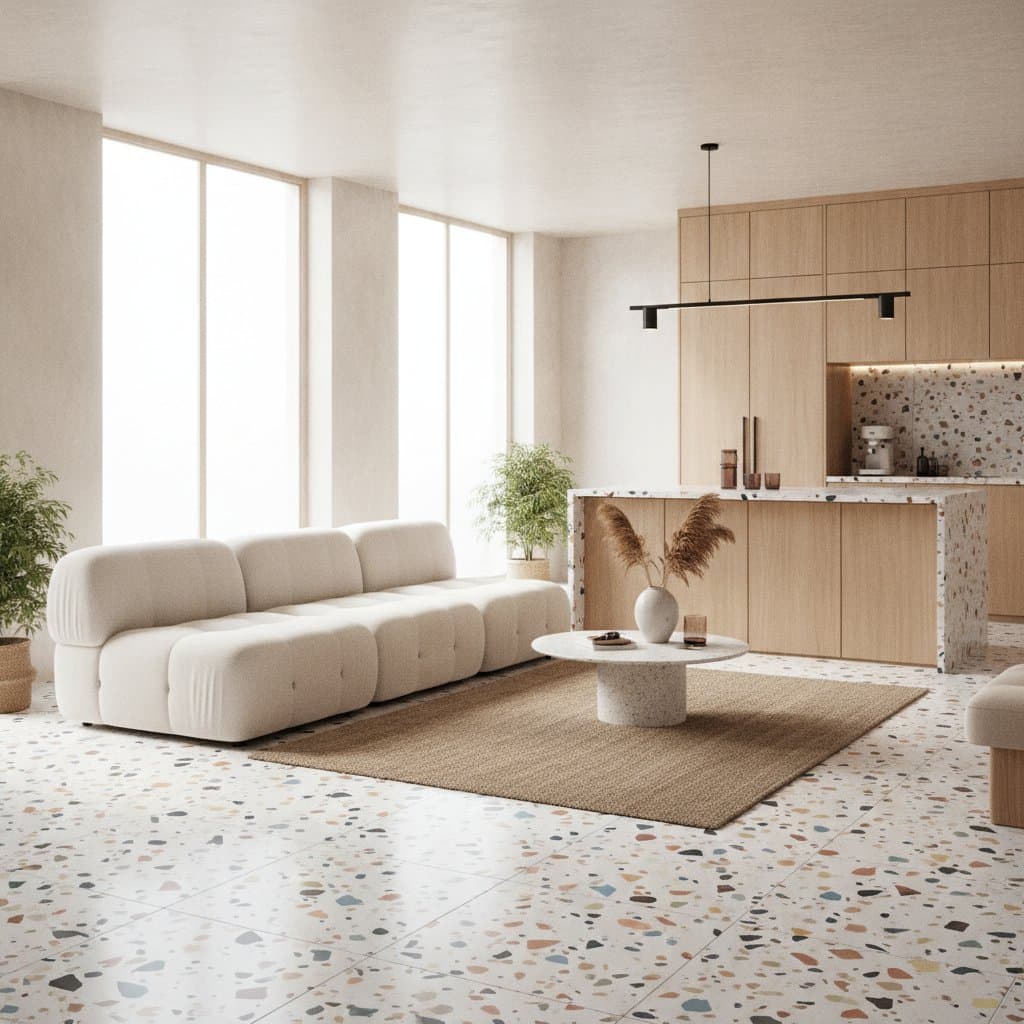
A matte black cooktop contrasts effectively with brass hardware or deep wall colors. Bright tile backsplashes or natural stone add texture without visual competition from burners. The flat surface acts as a neutral base for personal style choices.
Preparing Homes for Future Needs
Induction units integrate with energy monitoring platforms and renewable systems. This compatibility supports electrification trends and smart home functions. Early adoption positions a property for evolving codes and utility incentives.
Refined Comfort in Everyday Use
Quiet operation replaces the sound of gas flames. Even heat distribution reduces kitchen heat buildup. Owners describe the space as calmer and easier to maintain. These qualities match current expectations for thoughtful, responsible home design.