Why Wet Rooms Add Value Despite Higher Costs
Wet rooms continue to gain popularity in luxury bathroom renovations. They deliver a seamless appearance along with practical advantages that standard showers cannot match. Homeowners who plan these spaces carefully often see improved property appeal and daily usability.
Core Elements of Wet Room Construction
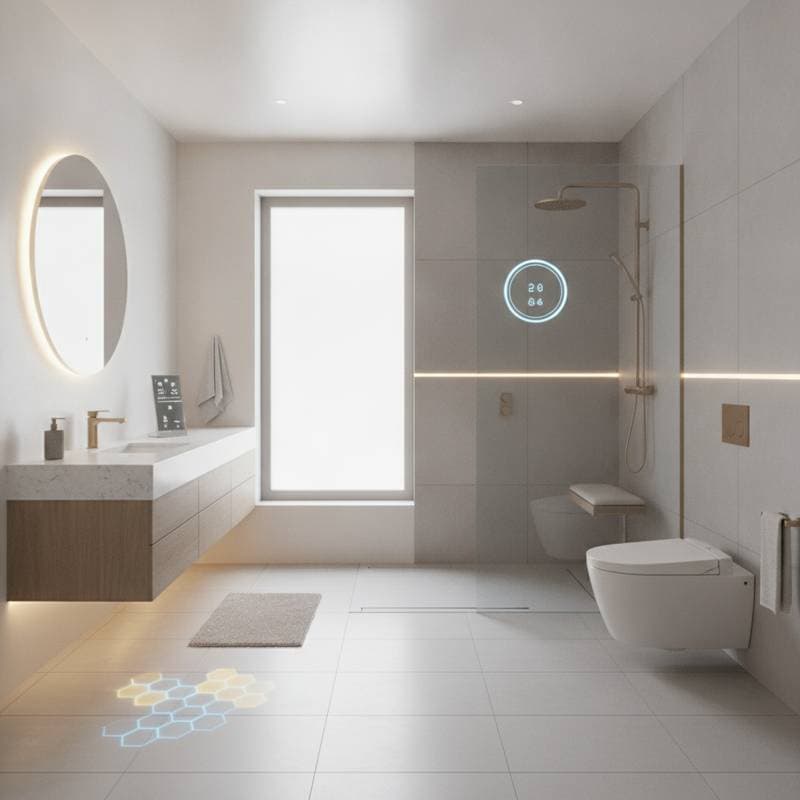
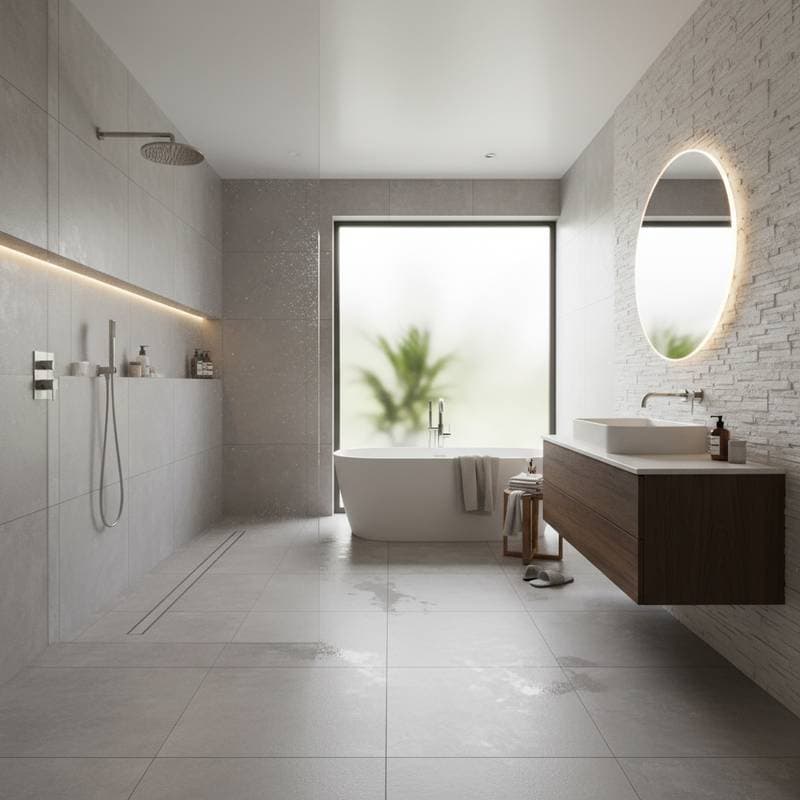
A wet room features a fully waterproofed floor and walls with water directed to a drain through a gentle slope. This open layout removes the need for a raised shower base or door. The result is a spacious feel that suits both modern and traditional home styles.
Proper waterproofing forms the foundation of success. Installers apply a continuous membrane over the substrate before tiling begins. Linear drains placed along a wall or under a bench help maintain consistent water flow without visible hardware.
Frequent Errors During Installation
Many problems arise from inadequate preparation rather than material failure. Floors that lack a uniform quarter-inch-per-foot slope allow water to pool and damage subfloors over time. Using ordinary drywall without a rated membrane invites moisture intrusion behind finished surfaces.
Drain placement also requires precision. A poorly positioned outlet can leave corners wet and promote mold growth. Transitions between wet and dry zones need specialized sealing tape rather than silicone alone to remain watertight.
Practical and Financial Advantages
A correctly built wet room reduces daily cleaning time because fewer surfaces collect soap scum. Homeowners report lower long-term maintenance costs since there are no doors or tracks to replace. The curbless design further supports aging-in-place goals by eliminating trip hazards.
Luxury buyers often view these rooms as desirable upgrades. The open aesthetic pairs well with large-format tiles and hidden drainage, creating a custom appearance that can support higher resale values.
Material and Comfort Upgrades
Large porcelain slabs or natural stone reduce grout lines and simplify cleaning. Epoxy grout resists staining better than cement-based alternatives in constant moisture. Radiant floor heating counters the chill of wet tile while speeding evaporation after showers.
Wall treatments such as porcelain slabs or waterproof panels maintain clean lines. Built-in niches keep toiletries organized without protruding into the space. These choices combine durability with visual calm.
Layout Decisions That Ensure Performance
Early planning covers drain type, ventilation placement, and glass positioning. A high-capacity exhaust fan near the shower area controls humidity and protects finishes. Partial frameless glass panels contain spray while preserving the open feel.
Lighting and storage must also meet moisture standards. Recessed wet-rated fixtures highlight tile patterns safely. These details prevent future issues and keep the room comfortable year-round.
Contractor Guidance on Cost and Care
Wet rooms demand tighter tolerances than conventional bathrooms, which raises initial costs. The investment pays off through extended service life and reduced repair needs when waterproofing meets industry standards. Annual checks of grout and sealant joints help catch minor movement before it becomes a leak.
Clearing the drain regularly and drying surfaces after use prevent mineral deposits. With these habits, the space remains functional and attractive for decades.
Protecting Long-Term Value
Consistent upkeep preserves both performance and appearance. Homeowners who inspect seals and maintain ventilation protect their remodeling investment effectively. This approach turns a wet room into a reliable feature that enhances daily comfort and future marketability.