Understanding the Shift to Induction Cooking by 2026
Homeowners nationwide increasingly scrutinize their gas cooktops amid growing emphasis on cleaner, safer, and more efficient cooking solutions. Induction technology emerges as a leading alternative in this evolution. As a contractor experienced in numerous kitchen remodels, I have observed this transition gain momentum as clients discover the practical capabilities of induction systems. The movement toward electric cooking extends beyond fleeting popularity; it reflects broader transformations in residential construction, energy sources, and upkeep practices.
The primary concern for most homeowners centers on whether converting from gas to induction justifies the effort. The answer affirms its value, provided the project receives thorough planning and precise implementation. A well-executed change enhances safety, operational effectiveness, and enduring worth. Conversely, inadequate handling may result in electrical complications, surface impairments, and unnecessary expenditures.
Key Benefits of Induction Technology
Induction cooking employs electromagnetic fields to generate heat directly within compatible cookware, bypassing the need to warm the cooktop surface itself. This approach delivers tangible advantages noticeable from initial operation:
-
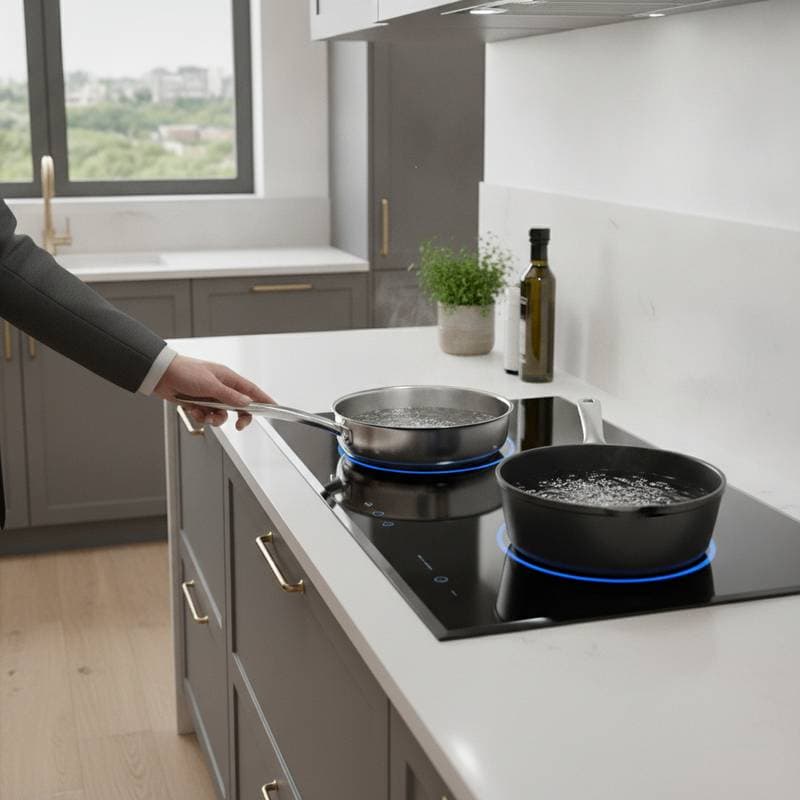
Rapid heating and accurate control. Induction surfaces reach boiling point for water in approximately half the duration required by gas or traditional electric models. Adjustments to temperature occur instantly and maintain stability, ideal for preparing sensitive reductions or achieving perfect caramelization on proteins.
-
Enhanced safety features. The cooktop remains cool to the touch without active cookware, minimizing risks of accidental burns or ignition sources. In installations for households with young children, this attribute addresses paramount concerns for accident prevention.
-
Superior energy utilization. These systems transform nearly 90 percent of electrical input into direct heat, surpassing gas efficiency by significant margins. Consequently, utility bills decrease, and the overall carbon emissions from cooking activities diminish.
-
Simplified maintenance routines. Liquids or residues fail to scorch on inactive surfaces, allowing straightforward removal with a damp cloth. This process conserves time compared to scrubbing hardened spills from gas grates.
-
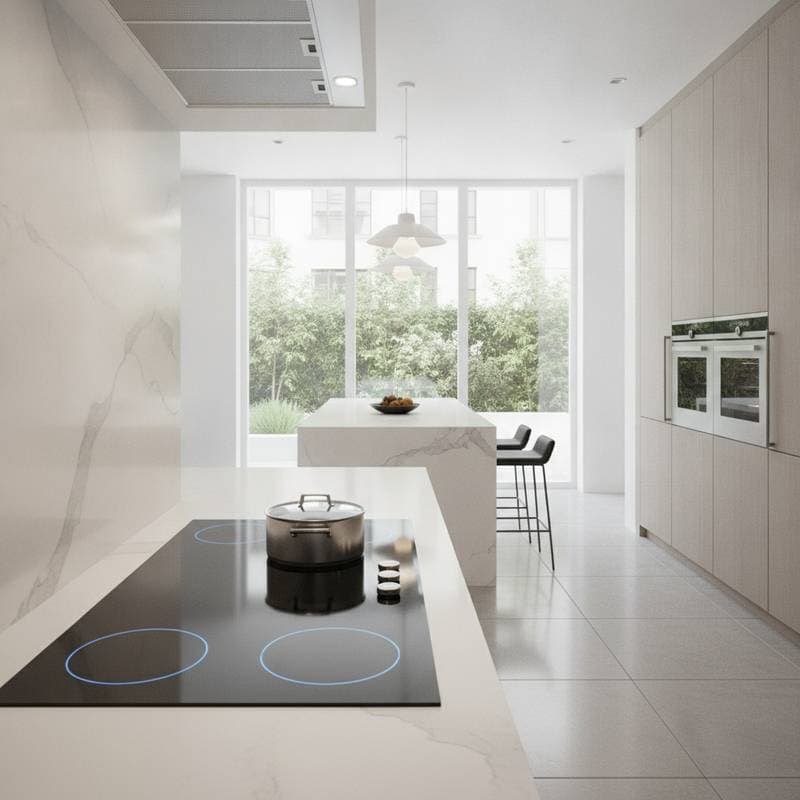
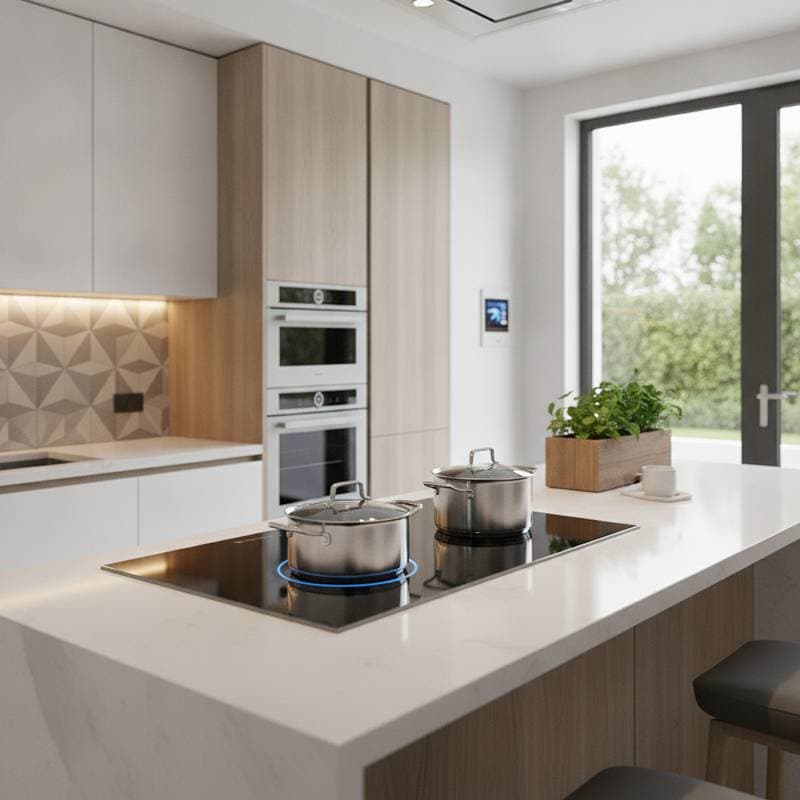
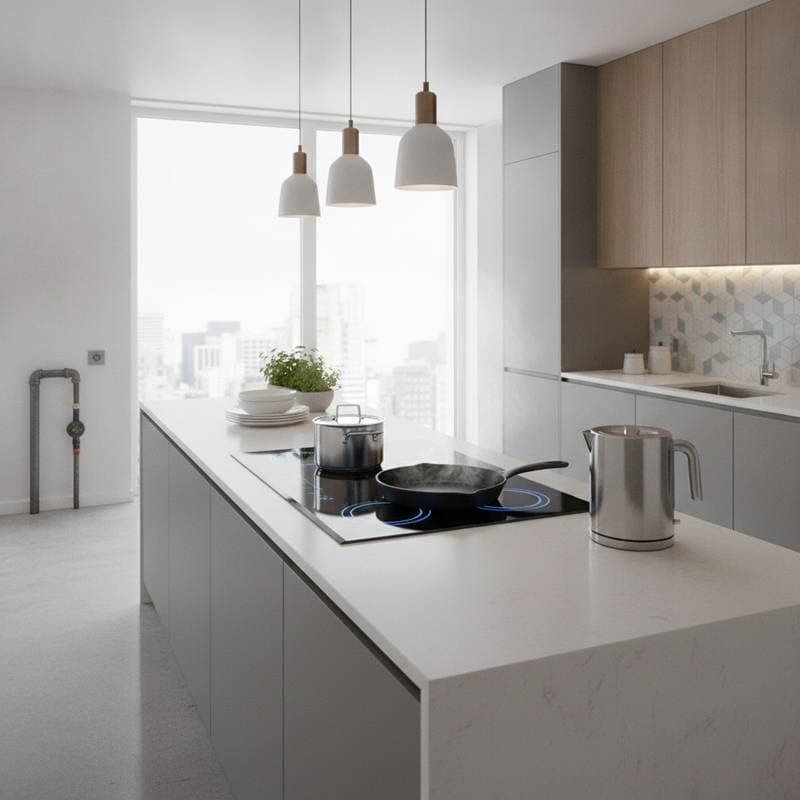
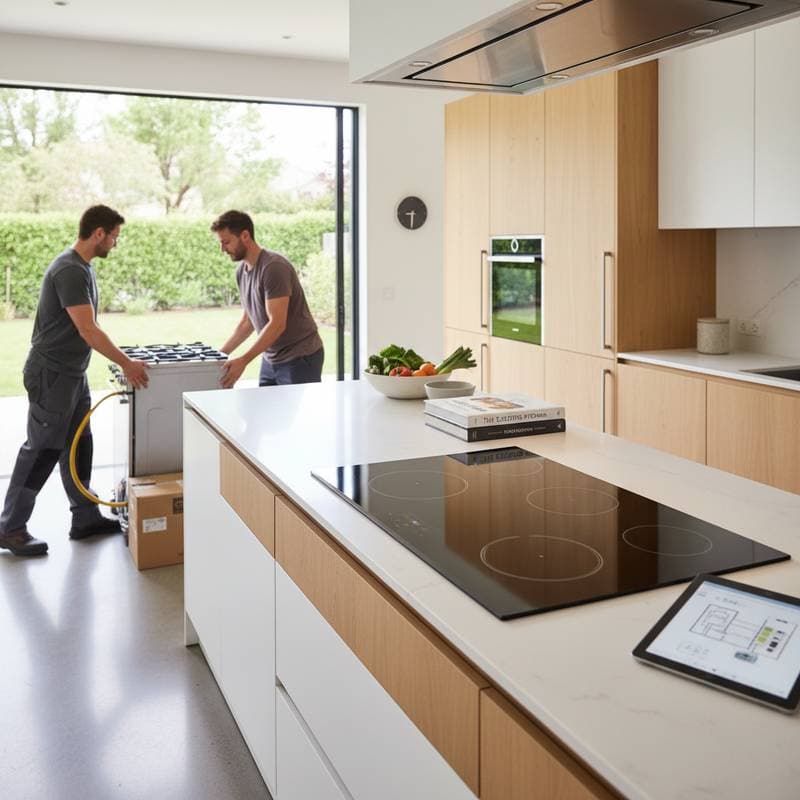
Versatile integration options. Induction elements fit seamlessly into custom counter designs or adaptable island configurations, supporting contemporary aesthetics with flush, uninterrupted lines.
These merits persuade numerous property owners to proceed with upgrades, yet the conversion demands attention beyond mere appliance replacement. Professional assessment of existing infrastructure proves essential to maximize these gains.
Navigating Installation Challenges
The transition to induction involves straightforward principles, though certain oversights frequently surprise unprepared individuals.
-
Overlooking electrical capacity requirements. High-performance induction units demand substantial amperage, often 40 to 50 amps per circuit. If the home's main panel already supports demanding loads from air conditioning, dryers, or illumination, consider adding a dedicated subpanel or upgrading the service entrance to prevent overloads.
-
Neglecting precise measurements for cutouts. Dimensions of induction cooktops vary from gas counterparts, typically requiring wider or deeper apertures. Conduct detailed measurements and verify compatibility with countertop materials like granite or quartz prior to purchase to avoid rework costs exceeding $500.
-
Selecting subpar products. Variations in quality among induction models lead to issues such as audible humming, inconsistent temperature distribution, or premature failures within two years. Opt for established manufacturers like Bosch or GE, which provide 5- to 10-year warranties and accessible repair networks.
-
Failing to retain essential records. Preserve invoices, wiring schematics, and permit documentation from the installation. Such files support warranty activations and streamline home sales by demonstrating compliance with building codes.
Some individuals attempt cost savings through non-specialized labor for the swap. This approach carries substantial risks. Electrical work in kitchens requires adherence to National Electrical Code standards; errors may void insurance coverage or necessitate full system overhauls.
To mitigate these issues, consult a licensed electrician early. They evaluate panel capacity, recommend circuit configurations, and ensure grounding meets safety protocols. Budget an additional 20 to 30 percent for unforeseen electrical modifications, which average $1,500 to $3,000 depending on home age and location.
Realizing Sustained Returns and Upkeep
After installation, induction cooktops deliver prompt improvements in routine tasks and elevate the kitchen's market position. Prospective buyers favor electric setups for their reduced hazard profiles, minimal upkeep demands, and alignment with sustainable living preferences. Monthly energy expenses typically fall by 10 to 20 percent, while eliminating gas lines curtails leak inspections and pipe replacements over decades.
Maintenance remains minimal: Wipe the surface after cooling, and inspect seals annually for cracks. Unlike gas, no flame adjustments or pilot light troubleshooting occur. Over 10 years, these factors contribute to resale premiums of 2 to 5 percent in eco-conscious markets.
Steps for a Successful Induction Upgrade
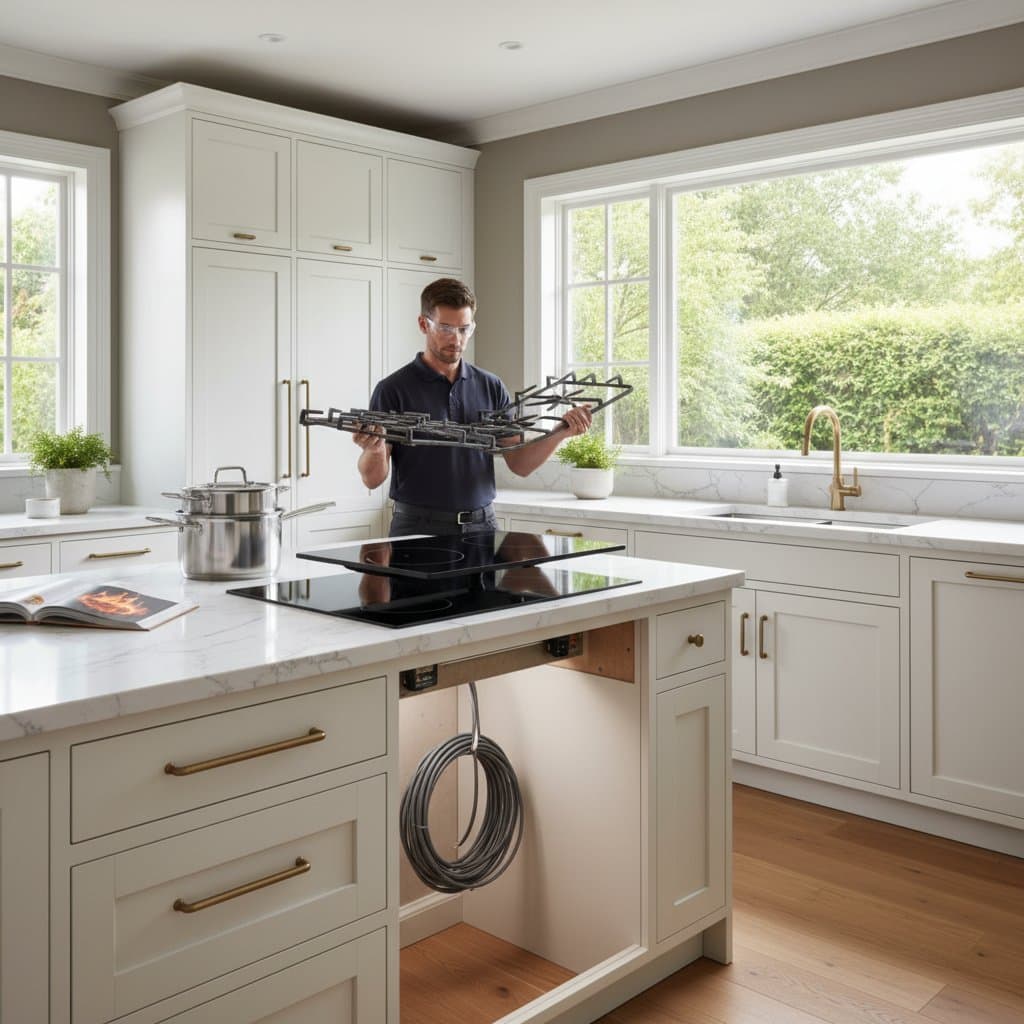
Initiate the process with a home energy audit to identify gas dependencies and electrical readiness. Select cookware from ferromagnetic materials like cast iron or stainless steel; test existing pots with a magnet for compatibility. Engage certified professionals for demolition, wiring, and final testing to guarantee performance.
Budget comprehensively: Expect $2,000 to $5,000 for the cooktop, plus $1,000 to $4,000 for installation variables. Time the project during off-peak seasons to minimize disruption. The result yields a kitchen that operates with precision, safeguards occupants, and appreciates in utility and appeal.