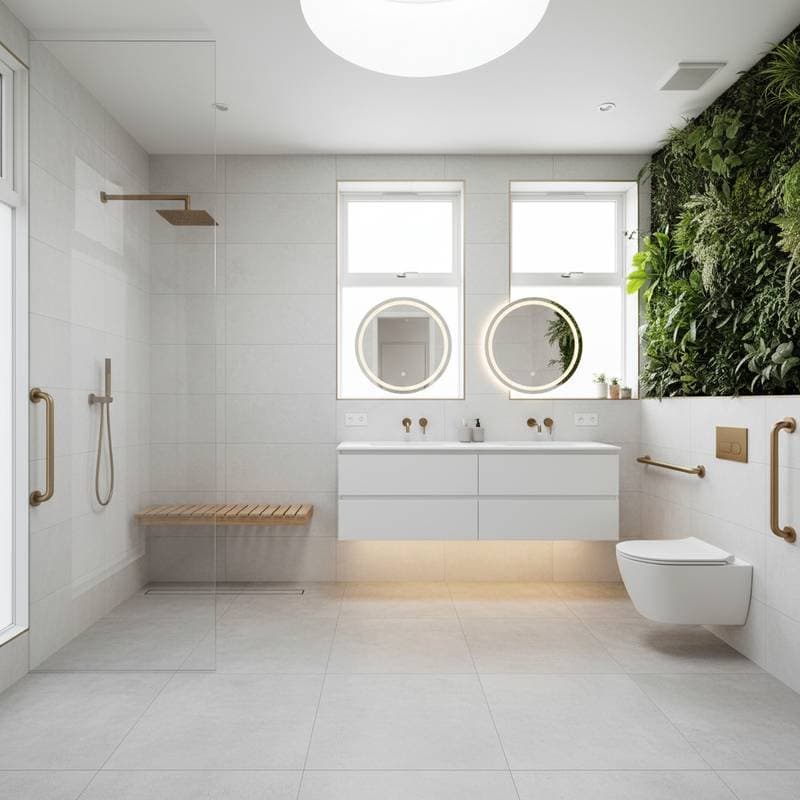
Universal Design: Bathroom Trends for Aging in Place
Homeowners approach bathroom remodeling with a new perspective. The focus extends beyond luxury and aesthetics to spaces that support comfortable and safe living as individuals age. Universal design forms the core of this evolution, emphasizing accessibility, comfort, and independence for people of all abilities. As a contractor experienced in hundreds of bathroom remodels, I observe that the most successful projects integrate thoughtful design with forward-looking practicality.
Why Planning Ahead Matters
Homeowners often delay accessibility modifications until an injury or mobility challenge arises. Such reactive remodels prove more expensive and less effective in delivering comfort. Proactive incorporation of universal design principles saves time, reduces costs, and minimizes stress while providing a stylish and functional bathroom suitable for current and future needs.
Overlooking accessibility during initial remodeling leads to costly revisions. For instance, replacing a traditional tub with a barrier-free shower at a later date can double the expense compared to installing it from the outset. This forward-thinking strategy represents intelligent design and serves as financial safeguard.
Core Principles of Universal Bathroom Design
Universal design avoids a clinical appearance in bathrooms. Instead, it incorporates subtle enhancements that improve daily life for all users. The fundamental principles encompass:
- Ease of Access – Eliminate steps and thresholds whenever feasible. Provide wider doorways and unobstructed floor areas to accommodate mobility aids.
- Safety and Stability – Install securely anchored grab bars, slip-resistant surfaces, and robust fixtures capable of bearing weight.
- Comfortable Reach – Position fixtures and controls for accessibility from standing or seated positions.
- Flexibility – Select adjustable or modifiable elements that adapt to changing requirements over time.
These components create an open, welcoming environment rather than an institutional one.
Key Trends in Aging-in-Place Bathroom Design
Effective universal design bathrooms merge safety features with contemporary aesthetics. The following trends emerge as particularly beneficial in my installations.
1. Zero-Threshold Showers
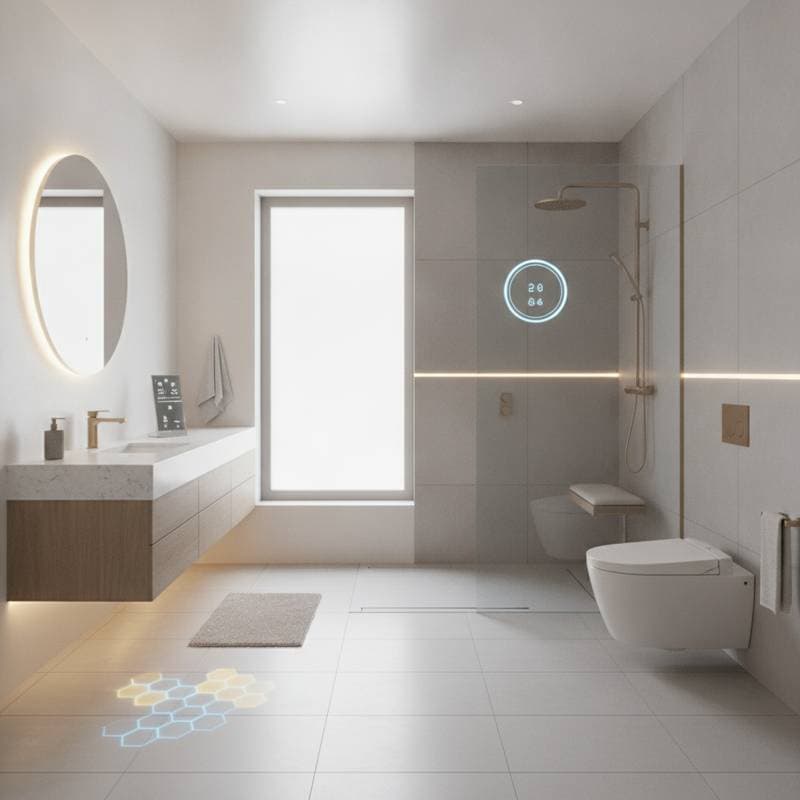
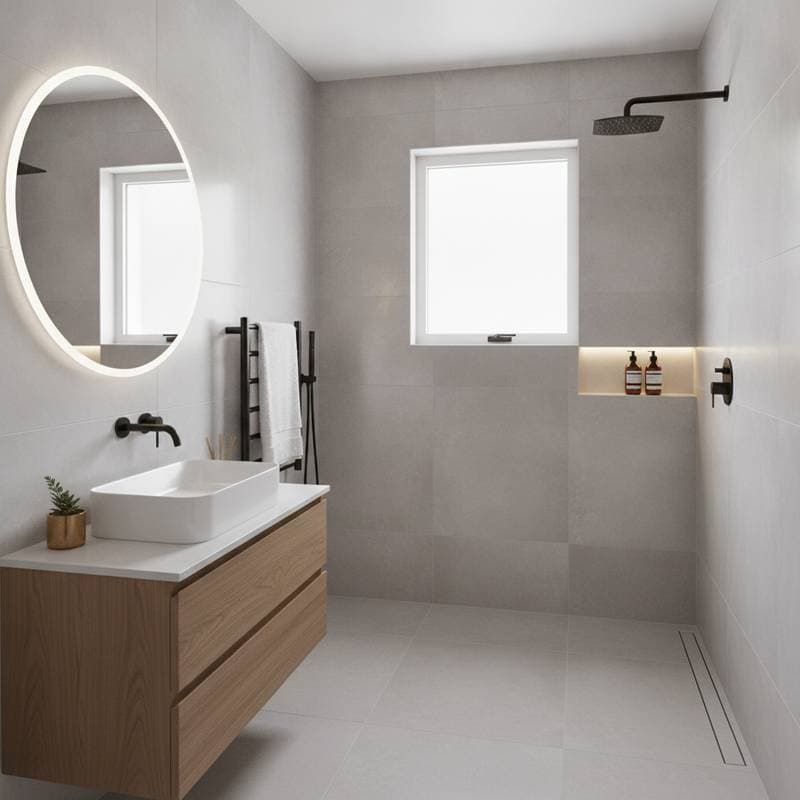
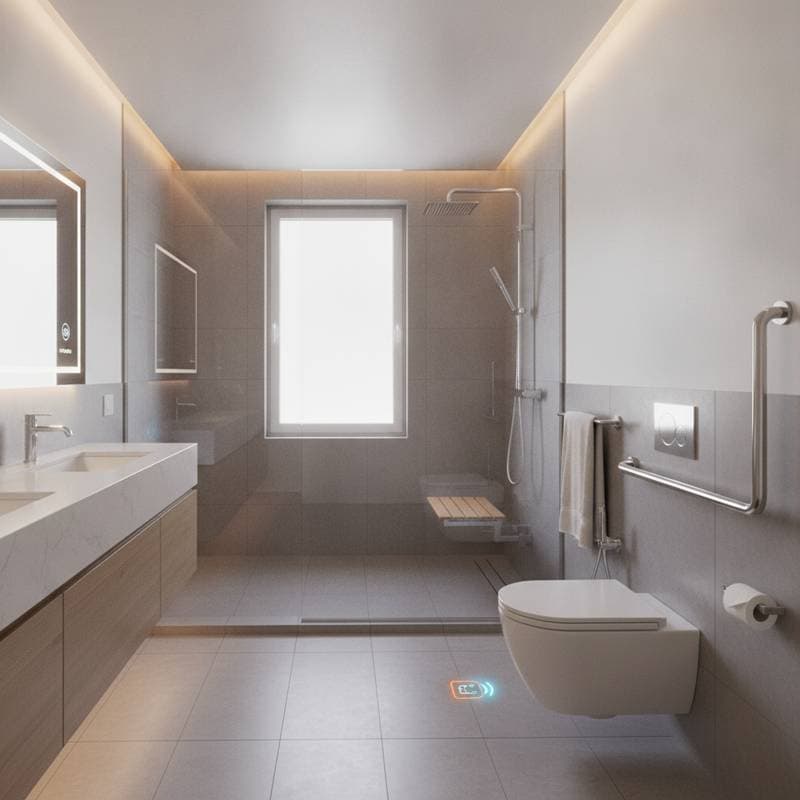
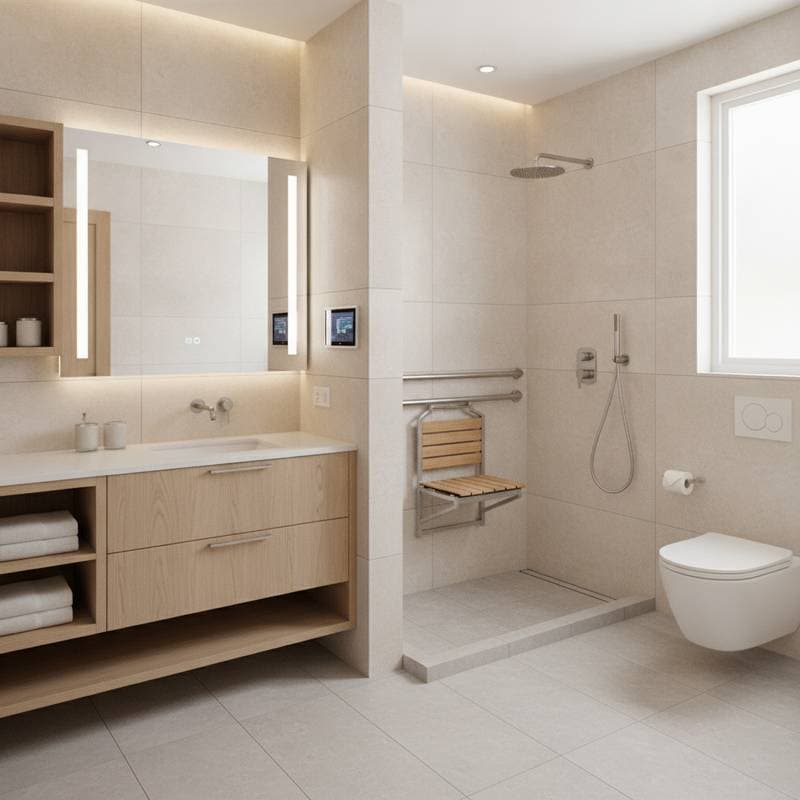
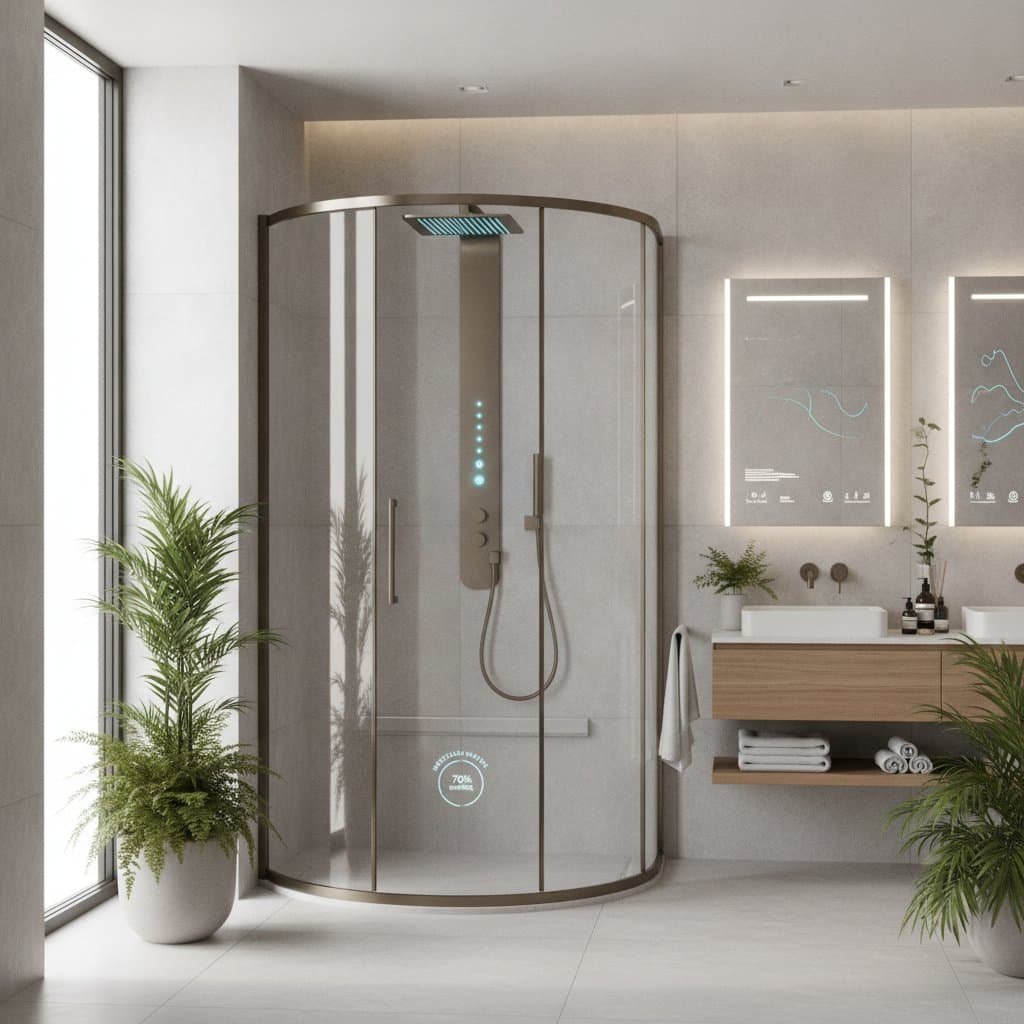
Barrier-free showers establish the benchmark for modern designs. A gentle floor slope directs water to the drain, facilitating wheelchair entry and removing tripping risks. This approach accommodates various styles, such as spa-like retreats or sleek minimalism, and eases maintenance by minimizing edges and grout seams that collect debris.
During installation, ensure the slope achieves proper drainage. Inexperienced contractors sometimes result in pooling water due to inadequate waterproofing. Select professionals who employ systems certified for curbless applications to prevent moisture issues.
2. Non-Slip Flooring
Aesthetic appeal diminishes if flooring becomes hazardous when wet. Opt for porcelain or textured ceramic tiles with elevated slip-resistance coefficients. Matte surfaces outperform glossy alternatives for traction. Steer clear of fine mosaic tiles without reinforced grout joints for grip. Vinyl plank options offer warmth and resilience against impacts from dropped items.
3. Grab Bars That Blend In
Contemporary grab bars integrate seamlessly into decor, functioning as towel holders or shelves. During the framing stage, I embed blocking within walls to support future installations without damaging finishes. This preparation incurs minimal additional cost yet avoids substantial expenses down the line, even if immediate use proves unnecessary.
4. Comfort-Height Toilets
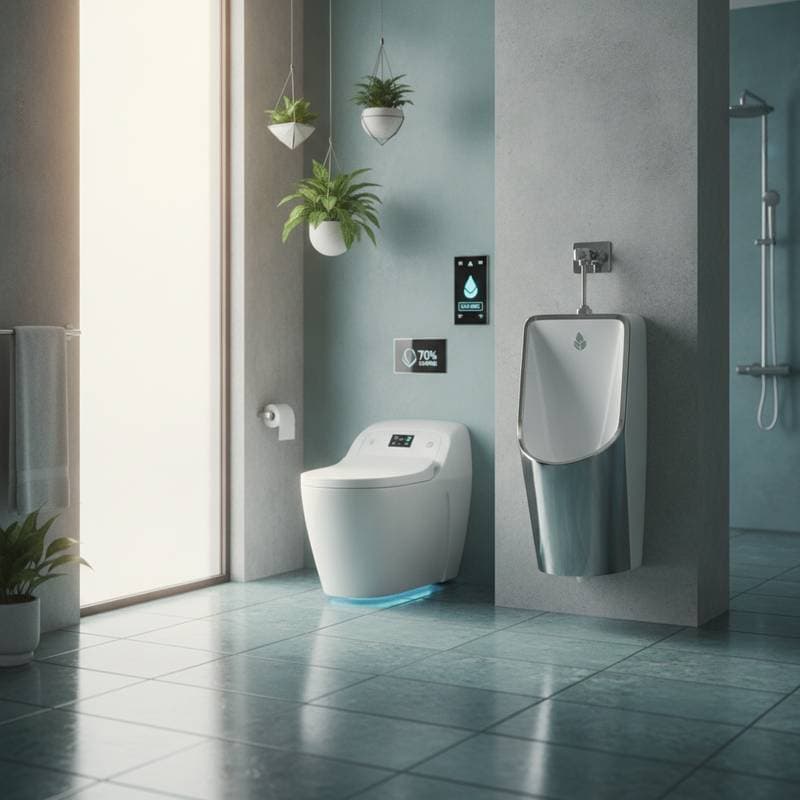
Comfort-height toilets rise approximately two inches above standard models, easing transitions between sitting and standing for most adults. This elevation alleviates pressure on knees and hips. For wall-mounted varieties, verify that the in-wall carrier withstands at least 500 pounds to avert structural failures and repairs.
5. Adjustable Showerheads and Handheld Sprayers
Handheld showers mounted on adjustable rails serve users of varying statures and capabilities. They also streamline bathing and cleaning tasks. Reinforce the rail internally to serve as an additional support point. Choose stainless steel hoses over plastic for enhanced longevity and reliability.
6. Smart Lighting and Motion Sensors
Adequate illumination prevents accidents by countering shadows and glare. Layered systems prove effective: recessed ceiling fixtures for overall illumination, sconces flanking mirrors for precise task lighting, and motion-sensing night lights for low-visibility navigation. Dimmable LED options control brightness to minimize eye strain and conserve energy.
7. Touchless Faucets and Temperature Control
Touchless faucets limit bacterial transmission and simplify operation for individuals with reduced dexterity or joint conditions. Thermostatic mixing valves maintain steady water temperatures, guarding against burns. These understated upgrades enhance enduring usability.
Smart Layout Planning
Superior materials underperform in flawed configurations. Prioritize circulation by designing pathways from entry to toilet and shower that avoid abrupt angles or barriers. Allocate a five-foot turning radius to support wheelchair maneuverability and aid-assisted movement.
Design vanity spaces with open undersides or floating sinks to permit seated access. Install lever handles rather than knobs for effortless operation. For storage, favor wall-mounted units or integrated niches over low-level shelves that pose stumbling risks, ensuring items remain accessible yet unobtrusive.
Communication with Your Contractor
Successful aging-in-place projects demand precise dialogue. Not all contractors possess expertise in accessibility guidelines. Request evidence of prior universal design work and adherence to ADA standards and local codes for dimensions and reinforcements.
In the planning phase, insist on detailed schematics illustrating grab bar placements, support zones, and fixture elevations. Address adaptability options, like provisions for shower seats or fixture swaps. Competent contractors build in versatility to accommodate evolving circumstances.
Budgeting Realistically
Universal design elements may elevate upfront expenses, yet they yield long-term savings. Adding wall blocking for grab bars or selecting durable flooring constitutes a modest fraction of the budget. Post-construction adaptations often escalate into thousands of dollars.
Invest in high-quality components such as valves, drains, and hardware to ensure reliability and safety. Prioritize items backed by extended warranties and accessible replacement parts. Consult insurance providers or local agencies regarding potential coverage for health-related modifications prior to commencement.
Maintaining Your Investment
Treat the completed universal bathroom as a valuable asset. Seal grout regularly, examine shower and tub caulking for wear, and refresh non-slip mats as needed. Periodically check the security of grab bars and fixtures. Diligent upkeep sustains safety features and bolsters property value.
Achieving Enduring Comfort and Security
By integrating foresight into your remodel, collaborating with a skilled contractor, and selecting adaptable materials, you secure a bathroom poised to meet needs for years ahead. Early planning fosters an environment that harmonizes beauty with assurance.