The Rise of Wet Room Conversions in 2026 Bathrooms
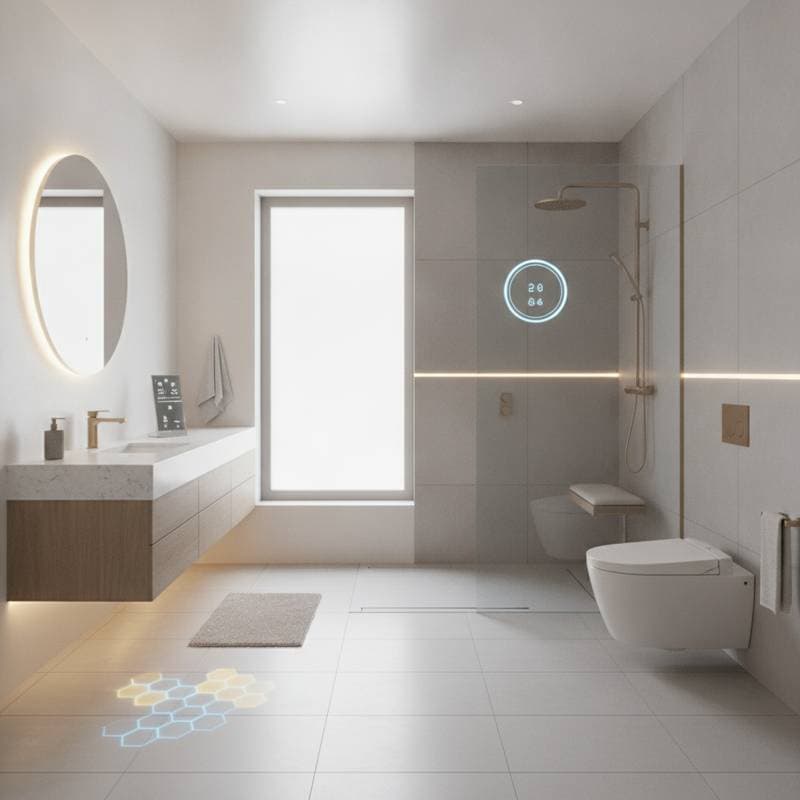
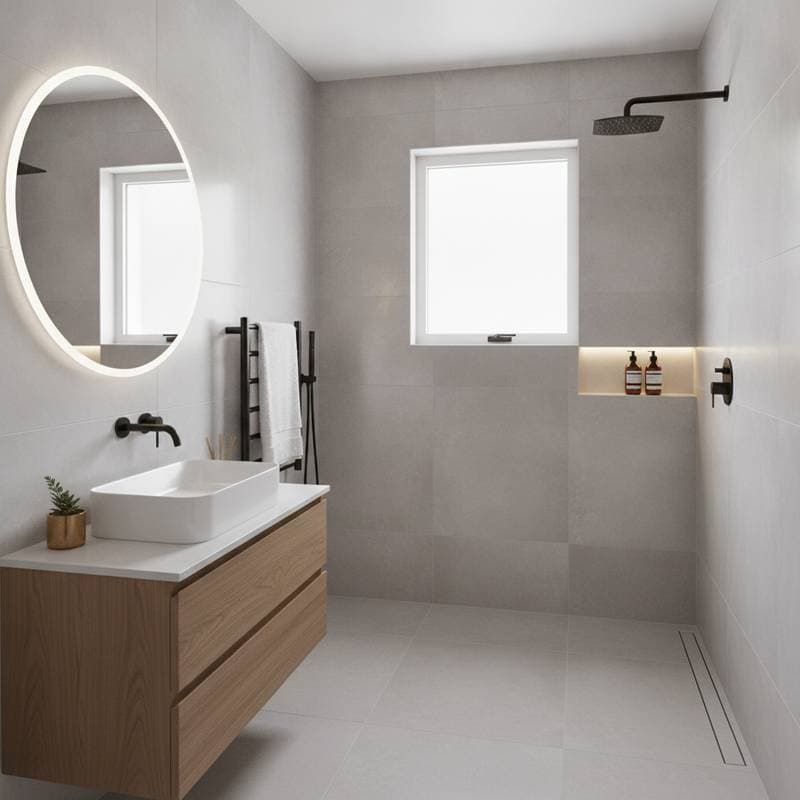
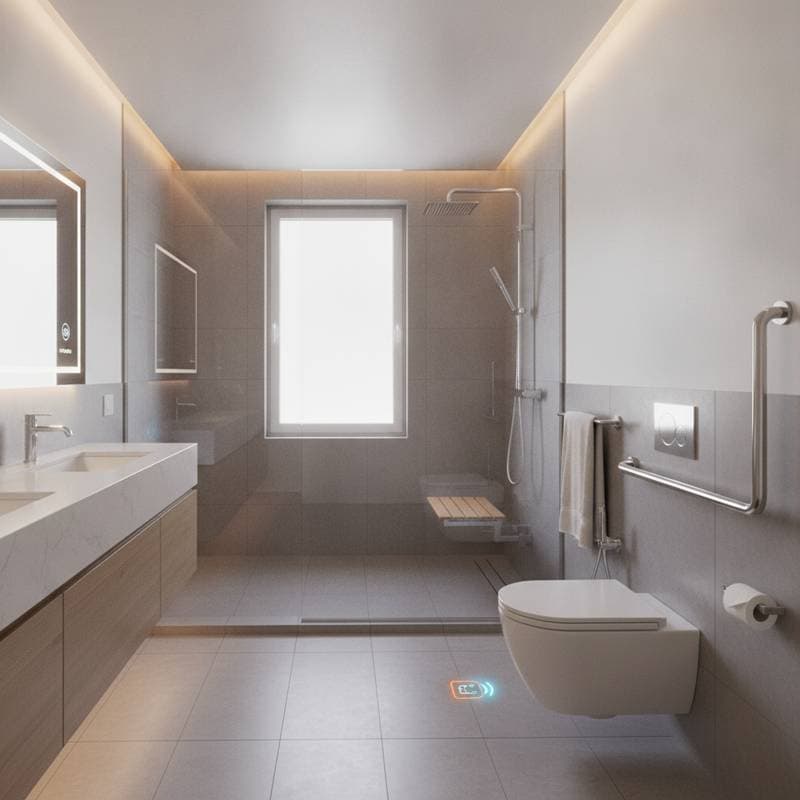
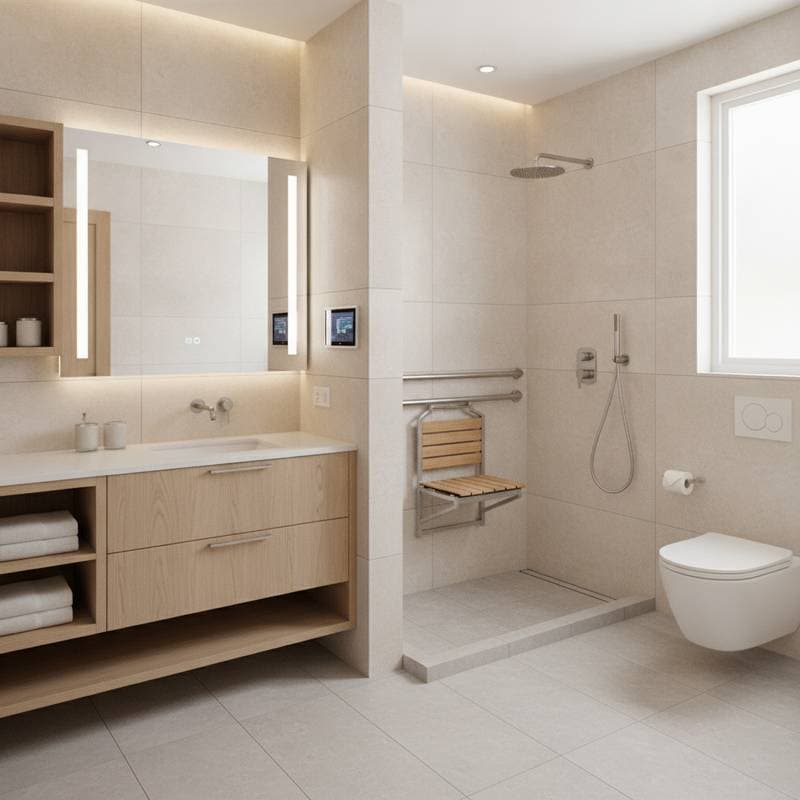
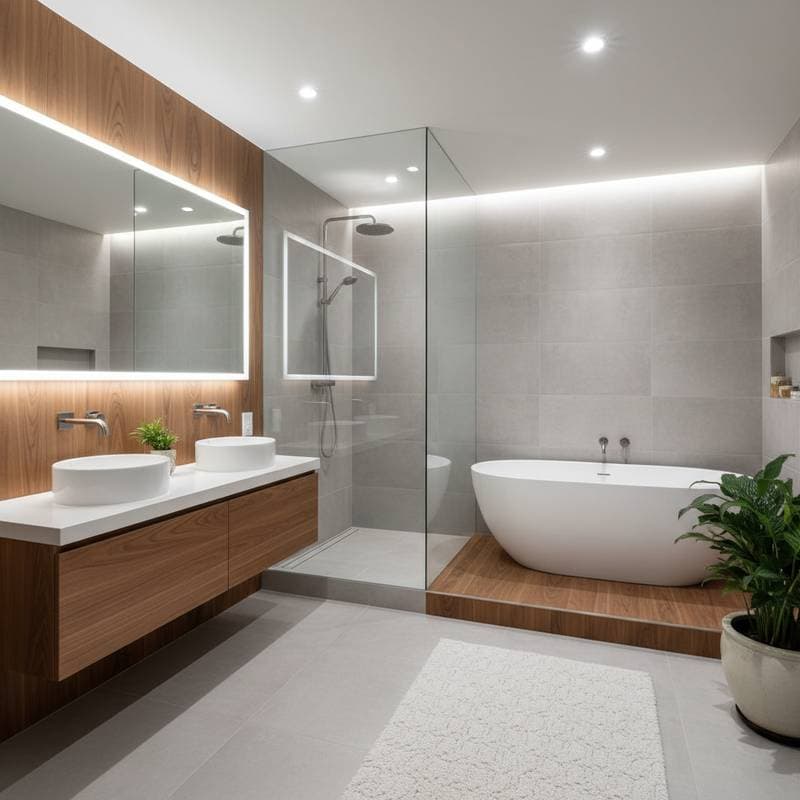
Imagine entering your bathroom to encounter an expansive, uninterrupted area devoid of shower trays or curtains. Water flows smoothly to integrated drains, walls shimmer under tiled surfaces, and the atmosphere evokes a private wellness sanctuary. This vision captures the essence of the contemporary wet room, prompting a growing number of homeowners to transform conventional bathrooms into these elegant, obstacle-free environments.
In 2026, wet rooms emerge as a dominant trend driven by evolving lifestyle demands. Urban living spaces shrink, yet expectations for comfort expand. Homeowners seek solutions that integrate seamlessly with smart home technologies and sustainable practices. Wet rooms address these needs by offering versatile designs adaptable to diverse architectural styles, from minimalist apartments to spacious family residences.
Why Wet Rooms Are Gaining Ground
Homeowners often consider wet rooms for their ability to optimize spatial constraints, improve accessibility, and simplify upkeep. By eliminating partitions between the shower zone and the rest of the room, a wet room establishes a comprehensively waterproof setting. This configuration proves ideal for compact bathrooms, where it preserves precious square footage, and elevates larger areas with a sophisticated, open-plan aesthetic.
Practical advantages extend beyond visual appeal. Maintenance becomes straightforward as water channels directly into the floor's drainage system, minimizing mold risks and reducing cleaning time. Without doors or trays to accumulate grime, the space dries rapidly when paired with effective ventilation solutions, such as exhaust fans or natural airflow designs. For individuals with mobility challenges, the level-entry feature eliminates tripping hazards, promoting independence and safety.
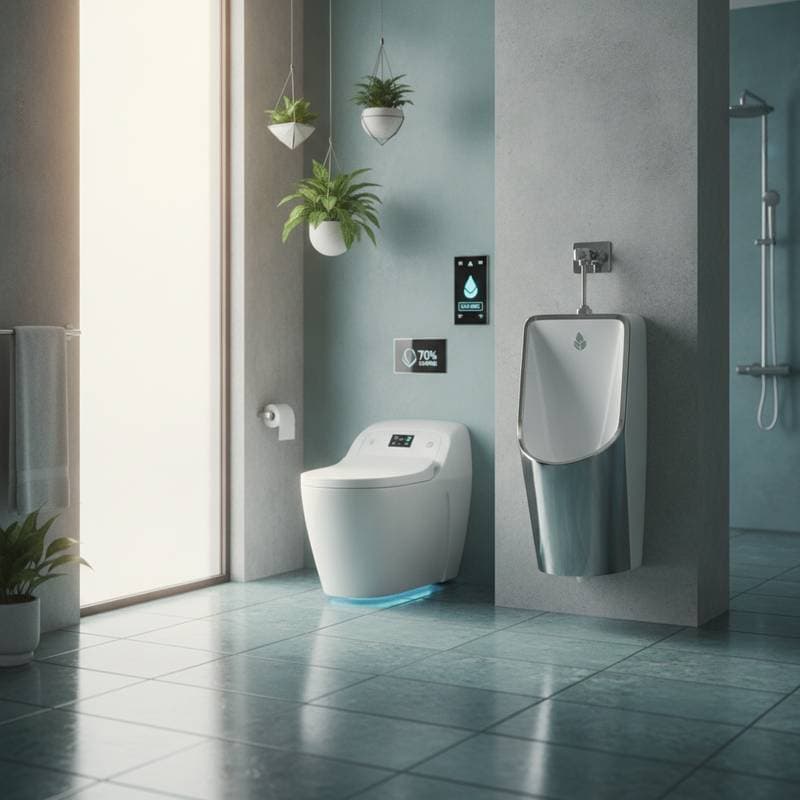
Sustainability plays a pivotal role in this shift. Modern wet rooms incorporate water-efficient fixtures and eco-conscious materials, aligning with 2026's emphasis on green building standards. Low-flow showerheads and recyclable tiles reduce environmental impact while maintaining performance, appealing to environmentally aware consumers.
Planning a Wet Room Conversion
Effective planning forms the foundation of a successful wet room project. Transitioning from a standard bathroom setup demands meticulous attention to structural modifications beyond mere enclosure removal. The floor requires a precise gradient to guide water to the drain, and every surface must receive impermeable sealing to prevent moisture infiltration.
Key steps in the conversion process include:
-
Assess the space. Evaluate the current floor composition for load-bearing capacity. Concrete subfloors accommodate slopes with relative ease, whereas timber frameworks may necessitate additional supports to prevent sagging or instability.
-
Install waterproofing. Apply a tanking membrane across the floor and up the lower walls, creating a watertight barrier. Opt for liquid-applied systems or sheet membranes, ensuring compatibility with subsequent layers for long-term reliability.
-
Fit the drainage. Position a linear drain along the wall or a central point drain at the floor's nadir. Achieve a minimum 1:40 slope ratio to facilitate efficient runoff, avoiding puddles that could compromise hygiene.
-
Tile and finish. Select non-slip tiles with a Pendulum Test Value (PTV) rating of 36 or higher for wet conditions. Use epoxy-based grouts and flexible adhesives designed for submerged environments to withstand expansion and contraction.
-
Add fixtures. Incorporate wall-hung sanitary ware, including toilets and vanities, to maintain an unobstructed floor plane. Integrate concealed cisterns for a streamlined look and effortless cleaning access.
Consult local regulations early to confirm compliance with plumbing and accessibility codes, which may influence drain placements or ventilation requirements.
Budgeting and Cost Considerations
Wet room conversions typically span $8,000 to $15,000, influenced by room dimensions, material quality, and regional labor costs. While ambitious DIY efforts might trim expenses for those skilled in tiling, the complexities of waterproofing and drainage strongly recommend professional involvement. A single leak could escalate repair bills exponentially, underscoring the value of expertise.
A detailed budget allocation might appear as follows:
-
Waterproofing and drainage system: $1,200 to $2,500, covering membranes, sealants, and custom drain assemblies.
-
Tile and materials: $1,500 to $4,000, varying with selections like porcelain versus natural stone.
-
Labor: $3,000 to $7,000, encompassing demolition, structural adjustments, and finishing work.
-
Fixtures and fittings: $1,000 to $2,000, including shower valves, glass screens, and hardware.
To manage costs, prioritize essential elements like robust waterproofing before indulging in premium aesthetics. Sourcing materials from wholesalers or opting for mid-tier brands can yield savings without sacrificing durability. Moreover, a well-executed wet room enhances property value by up to 5 percent, particularly in markets favoring aging-in-place features for multigenerational households.
Design Choices That Work
Prioritize safety and longevity when curating finishes. Textured porcelain tiles or engineered stone options deliver superior grip in damp conditions, with matte finishes reducing glare for better visibility. Frameless glass enclosures contain spray effectively while preserving spatial openness, often paired with adjustable hinges for customizable containment.
Enhance functionality with underfloor heating systems, which accelerate drying and provide toasty comfort during colder months. Select electric mats or hydronic loops compatible with wet environments, ensuring even heat distribution across the sloped floor.
Illumination elevates the experience. Install IP65-rated recessed LED lights for uniform, shadow-free brightness, positioned to highlight architectural details. Built-in wall recesses serve as practical storage for shampoos and soaps, lined with matching tiles to blend seamlessly and prevent water damage.
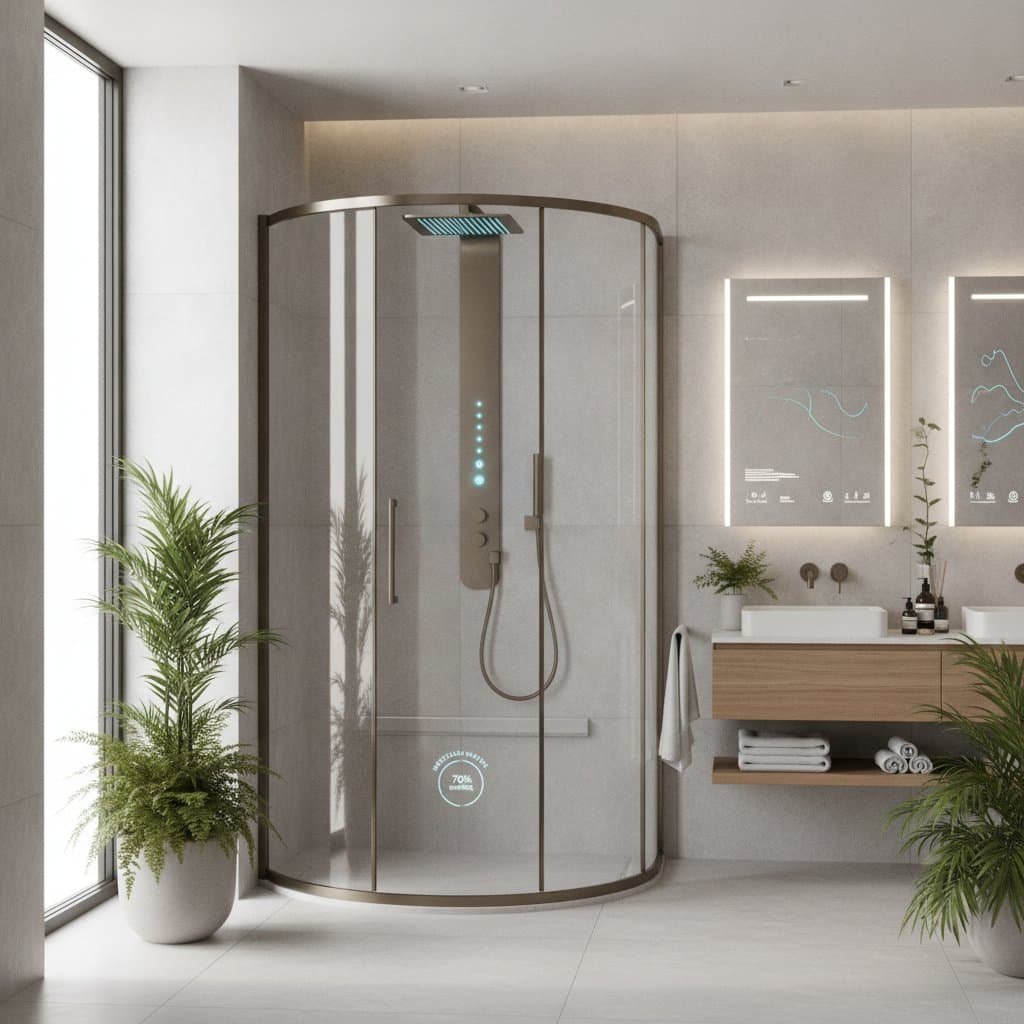
For a 2026-forward touch, integrate smart controls such as thermostatic shower panels with app-based temperature adjustments or motion-sensor lighting. These elements not only boost convenience but also align with the era's focus on intuitive, tech-enhanced living.
Steps to Launch Your Wet Room Project
Embarking on a wet room conversion invests in enduring comfort and efficiency. Engage a certified contractor specializing in waterproof installations and versed in prevailing building standards. Initiate discussions on drainage configurations, material sourcing, and airflow strategies during initial consultations to align visions with realities.
Schedule a site survey to identify potential challenges, such as pipe rerouting or electrical updates for heating. Review portfolios of completed projects to gauge quality and style compatibility. With thorough preparation and skilled execution, your wet room will provide decades of dependable service, transforming routine routines into indulgent escapes.