Universal Design Principles for Luxurious Aging-in-Place Bathrooms
Creating a bathroom that combines luxury with accessibility requires intentional planning. Such spaces support independence and comfort for individuals of all ages and mobility levels. Universal design principles ensure functionality integrates seamlessly with aesthetic appeal, even within budget constraints.
Defining Universal Design Beyond Basics
Universal design extends far beyond standard accessibility features like grab bars or wide doorways. It focuses on environments that accommodate diverse users while maintaining an inviting and elegant atmosphere. This approach suits renovations for aging family members, future-proofing personal homes, or designing inclusive spa-like retreats.
Effective universal design avoids a clinical appearance. Instead, it emphasizes warmth through textures, natural light, and cohesive elements. These choices result in practical spaces that enhance daily life without compromising visual appeal.
Integrating Luxury Elements with Practical Function
Luxury arises from deliberate selections that elevate routine tasks. Budget considerations guide material and feature choices without sacrificing sophistication. The following outlines options across spending levels.
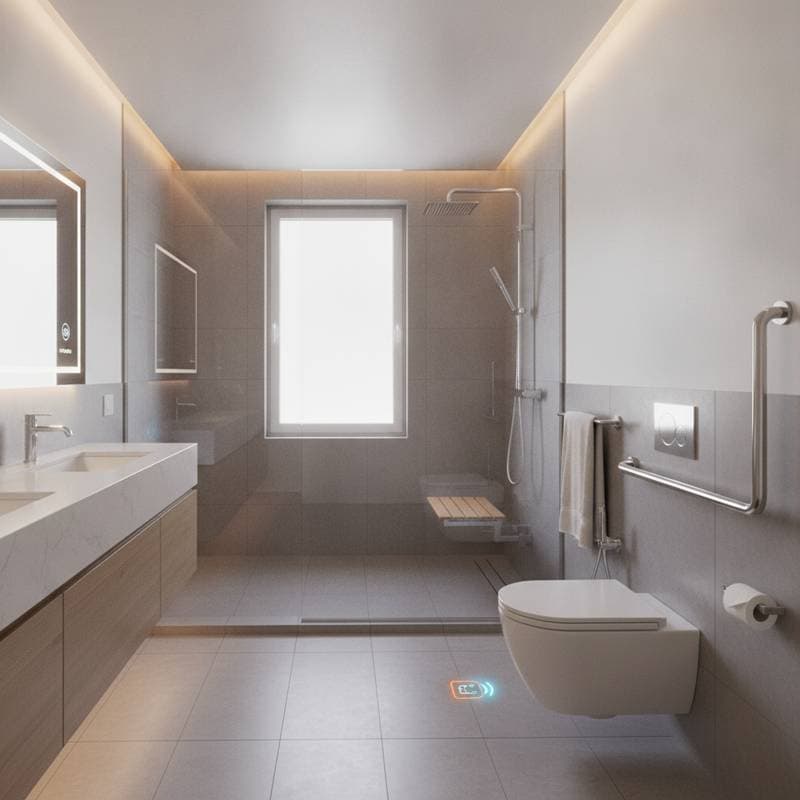
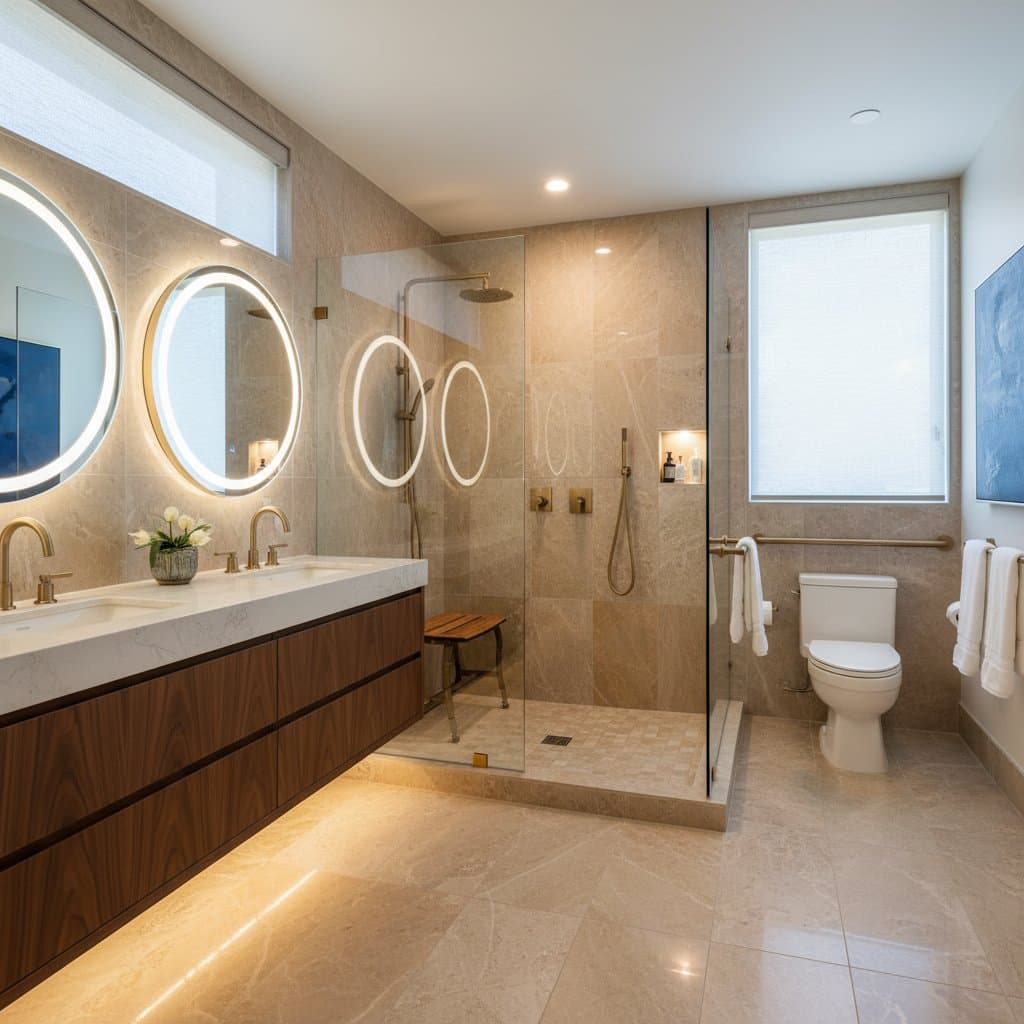
- High Budget Options: Install curbless showers with marble finishes and linear drains for seamless entry. Incorporate heated porcelain flooring and height-adjustable custom vanities. Integrate under-counter LED lighting to create ambient glow and depth.
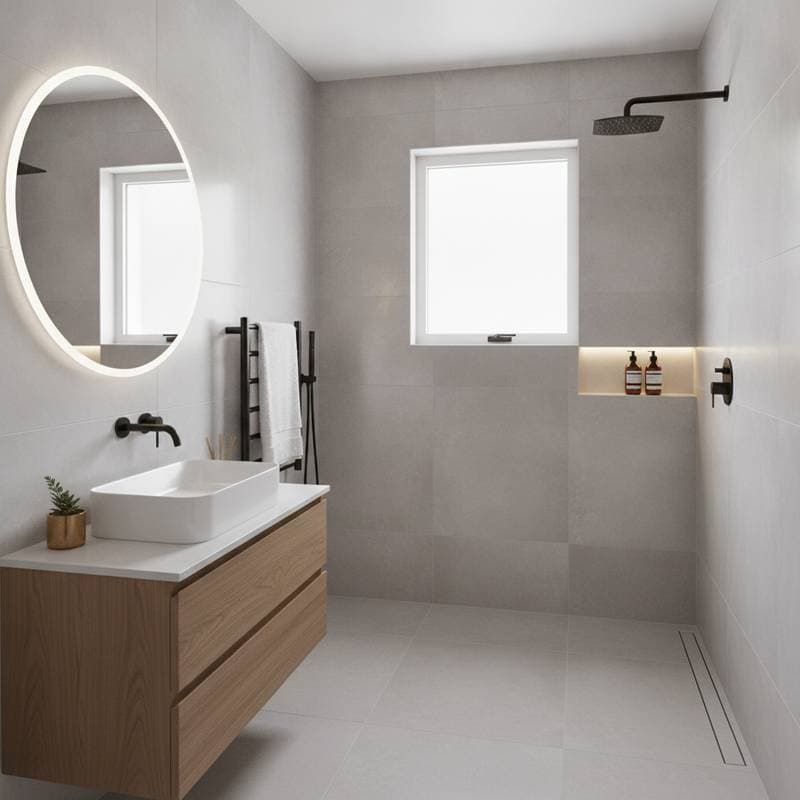
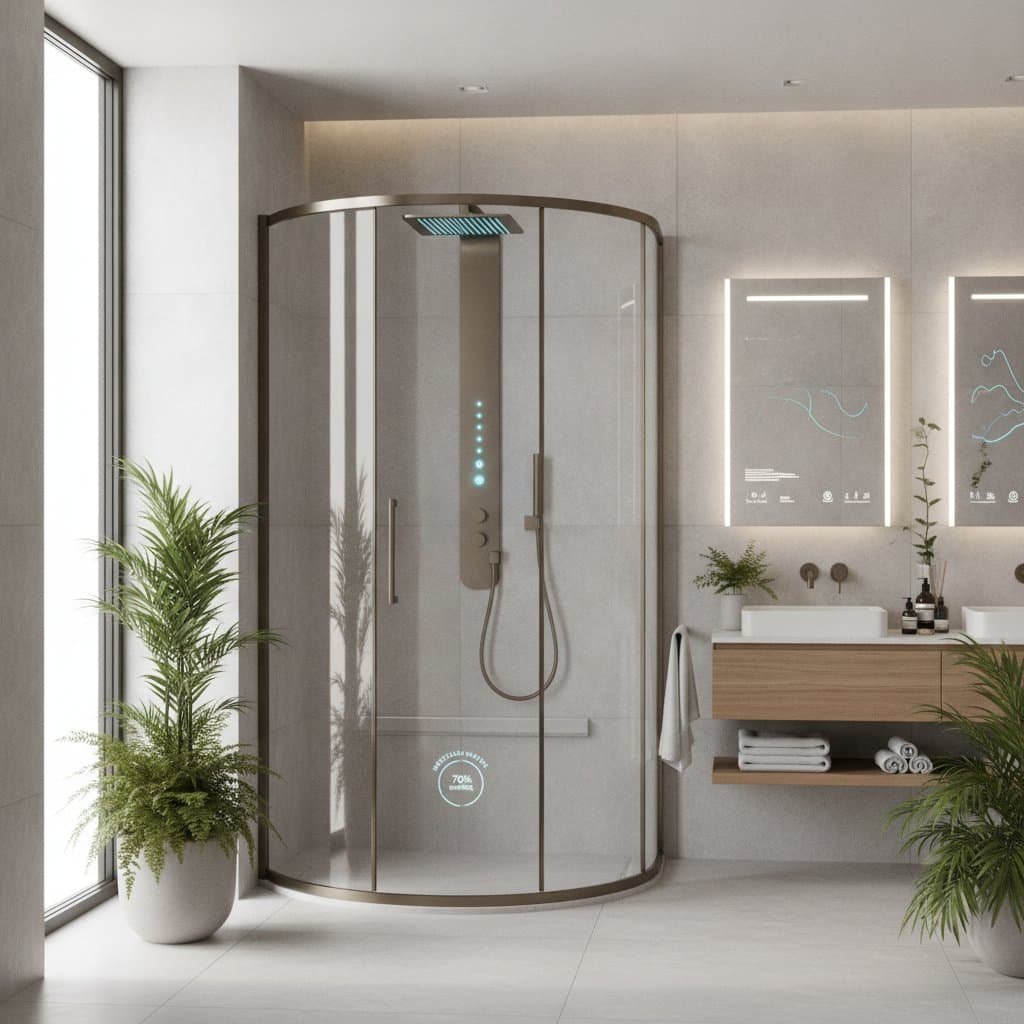
- Moderate Budget Options: Select large-format ceramic tiles resembling natural stone for durability and elegance. Use wall-mounted faucets to simplify cleaning and maintenance. Opt for glass shower panels over curtains, paired with polished chrome fixtures and warm wood accents for balance.
- Low Budget Options: Refresh existing cabinetry with soft neutral paint and replace knobs with ergonomic handles. Apply peel-and-stick vinyl flooring that imitates slate or travertine textures. These modifications deliver substantial improvements in both form and function.
Prioritize tactile materials regardless of budget. Satin-finish tiles provide a smooth yet luxurious feel. Matte black or brushed nickel fixtures add contemporary refinement without high costs.
Incorporating Sophisticated Safety Features
Safety features must integrate as inherent design components rather than visible add-ons. This approach maintains an upscale ambiance while addressing essential needs.
- Designer Grab Bars: Select models from brands like Moen or Delta that function as towel bars or shelves. These blend into modern aesthetics and support multiple uses.
- Slip-Resistant Flooring: Choose textured porcelain tiles or mosaic patterns for enhanced traction. Such surfaces offer visual interest alongside reliable grip.
- Layered Lighting Solutions: Combine ambient, task, and accent lights for versatility. Dimmable LED strips under vanities deliver gentle illumination for low-light conditions.
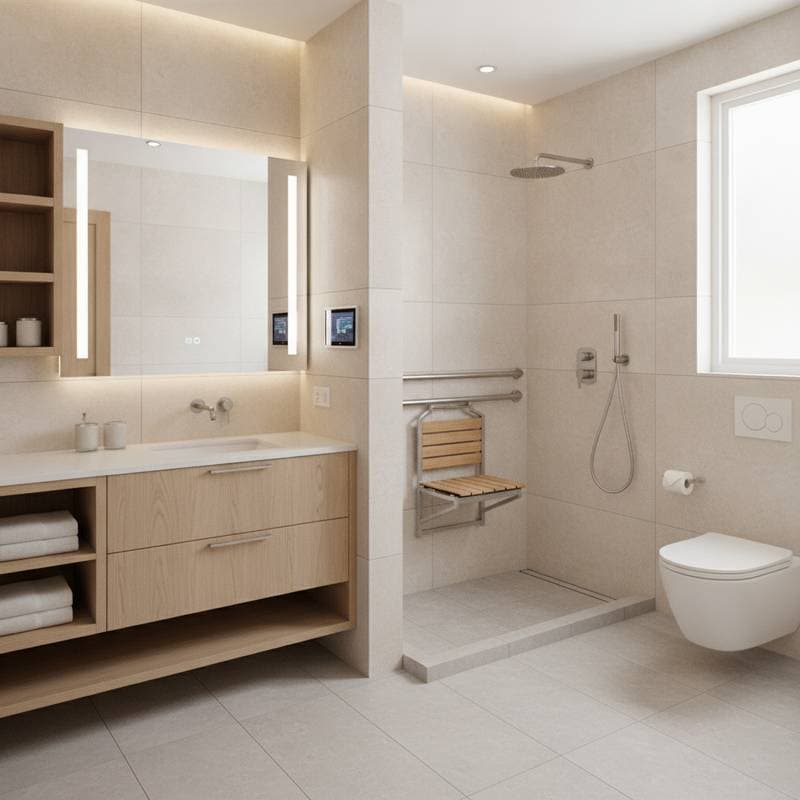
For users with mobility challenges, curbless showers equipped with handheld sprayers and built-in benches promote ease. A teak shower bench adds a spa-inspired touch, providing stability and warmth.
Optimizing Spatial Layout for Inclusive Use
Smart spatial planning forms the foundation of universal design. Consider movement patterns, clear pathways, rounded corners, and accessible storage to facilitate navigation.
- Accessible Vanity Configurations: Floating vanities permit wheelchair access while preserving a streamlined profile. Prefer drawers over deep cabinets to simplify organization and retrieval.
- Versatile Mirror Installations: Use adjustable or pivoting mirrors to suit varying heights and seated positions.
- User-Friendly Faucets: Lever-style or touchless faucets enable precise control with minimal effort. These options complement both traditional and modern bathroom styles.
These adjustments ensure the space performs efficiently for all occupants. They emphasize subtle enhancements that yield significant usability benefits.
Selecting Durable and Elegant Materials
Material selections influence both immediate aesthetics and long-term performance. Non-porous options resist moisture, simplify cleaning, and prevent mold in humid environments.
- Quartz Countertops: These provide exceptional durability and low maintenance in a wide array of colors, making them suitable for high-traffic vanities.
- Porcelain Tiles: Known for strength and water resistance, they replicate luxury stone finishes effectively.
- Acrylic Shower Panels: This cost-effective choice mimics marble walls without demanding intensive upkeep.
On tighter budgets, bullnose-edged laminate countertops paired with waterproof vinyl panels achieve a polished look. Maintain consistency in color tones and textures to convey intentional design and upscale quality.
Enhancing with Smart Technology for Convenience
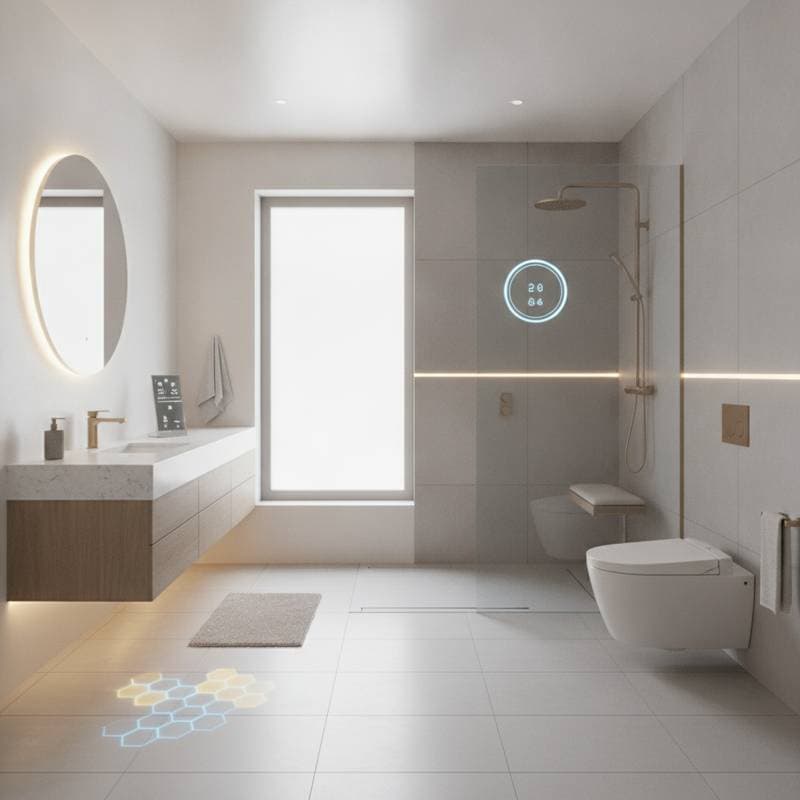
Smart technology introduces convenience and security in subtle, luxurious ways. Features like motion-activated lights, thermostatic shower controls, and voice-operated systems streamline routines.
Basic upgrades, such as Bluetooth-enabled mirrors with integrated lighting and defogging, enrich the user experience. These allow for personalized audio during morning preparations in a clear, well-lit setting.
Adding Personal Touches for Emotional Well-Being
Universal design benefits from elements that reflect individual preferences and foster joy. Select colors, artwork, and textures aligned with personal tastes to create emotional resonance.
Incorporate a plush rug by the vanity for added comfort. Display cherished photographs or introduce subtle scents via essential oil diffusers. These additions convert practical spaces into nurturing environments.
One project featured a coastal-inspired accessible bathroom using sea-glass hues, pebble-tile floors, and brushed nickel details. The design captured serene, ocean-like tranquility while ensuring full functionality.
Adapting Designs for Evolving Needs
Effective aging-in-place bathrooms incorporate flexibility to accommodate future changes. Modular components allow modifications as requirements shift over time.
Choose removable shower seats, adjustable shelving units, and versatile accessories for adaptability. This forward-thinking strategy sustains comfort, safety, and aesthetic integrity throughout life's stages.
Focus on elements that promote dignity and ease in compact or expansive layouts. Luxury in this context emphasizes enriched experiences over extravagance. A thoughtfully designed universal bathroom delivers daily independence, assurance, and delight.