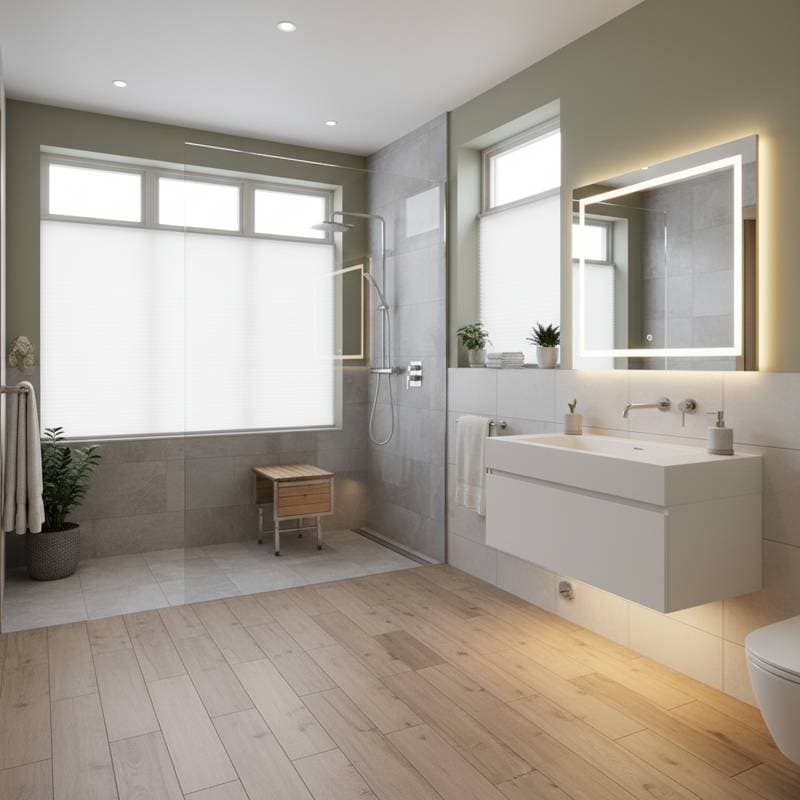
The Evolution of Aging-in-Place Bathroom Technology
Bathrooms serve as intimate home sanctuaries where design intersects with daily care. These spaces now prioritize the fusion of safety, comfort, and aesthetics through innovative technology. The aging-in-place approach, once specialized, gains widespread adoption via bath solutions that embody universal design principles, balancing elegance with intelligence.
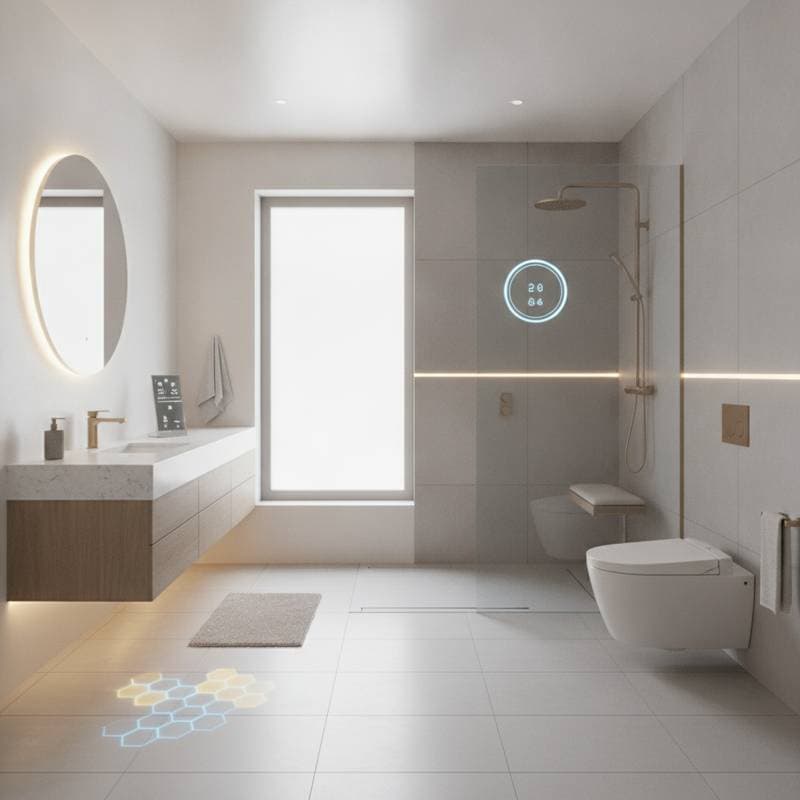
Contemporary bathrooms incorporate touchless elements, intelligent lighting, and responsive surfaces to foster independence while preserving visual appeal. This shift emphasizes personalized environments that evolve with users, steering clear of clinical appearances.
10. Motion-Sensing Faucets with Precise Operation
Advanced motion-sensing faucets progress from basic utility to refined elegance. Leading brands such as Kohler and Delta Faucet Company offer models equipped with accurate sensors that activate upon hand gestures. These designs minimize handle manipulation, benefiting individuals with arthritis or reduced grip strength.
Professionals select finishes like brushed nickel or matte black, which complement modern decor and resist smudges. Architect Laura Penn of Penn Studio Design observes that such faucets promote hygiene alongside autonomy. She states, "They integrate effortlessly into modern and traditional environments," highlighting their aesthetic and practical versatility.
9. Responsive Heated Floors for Personalized Comfort
Radiant floor heating establishes a standard for luxury, yet adaptive versions incorporate occupancy sensors to modulate warmth dynamically. Offerings from Warmup and Nuheat connect to smart interfaces, enabling control via voice commands or panels.
This feature not only delivers coziness but also curbs moisture buildup and slip risks. Experts recommend materials such as European oak or porcelain tiles in muted shades like Benjamin Moore’s Balboa Mist, yielding serene and stable settings. The gentle underfoot warmth elevates functionality to indulgent experience.
8. Versatile Shower Systems for All Ages
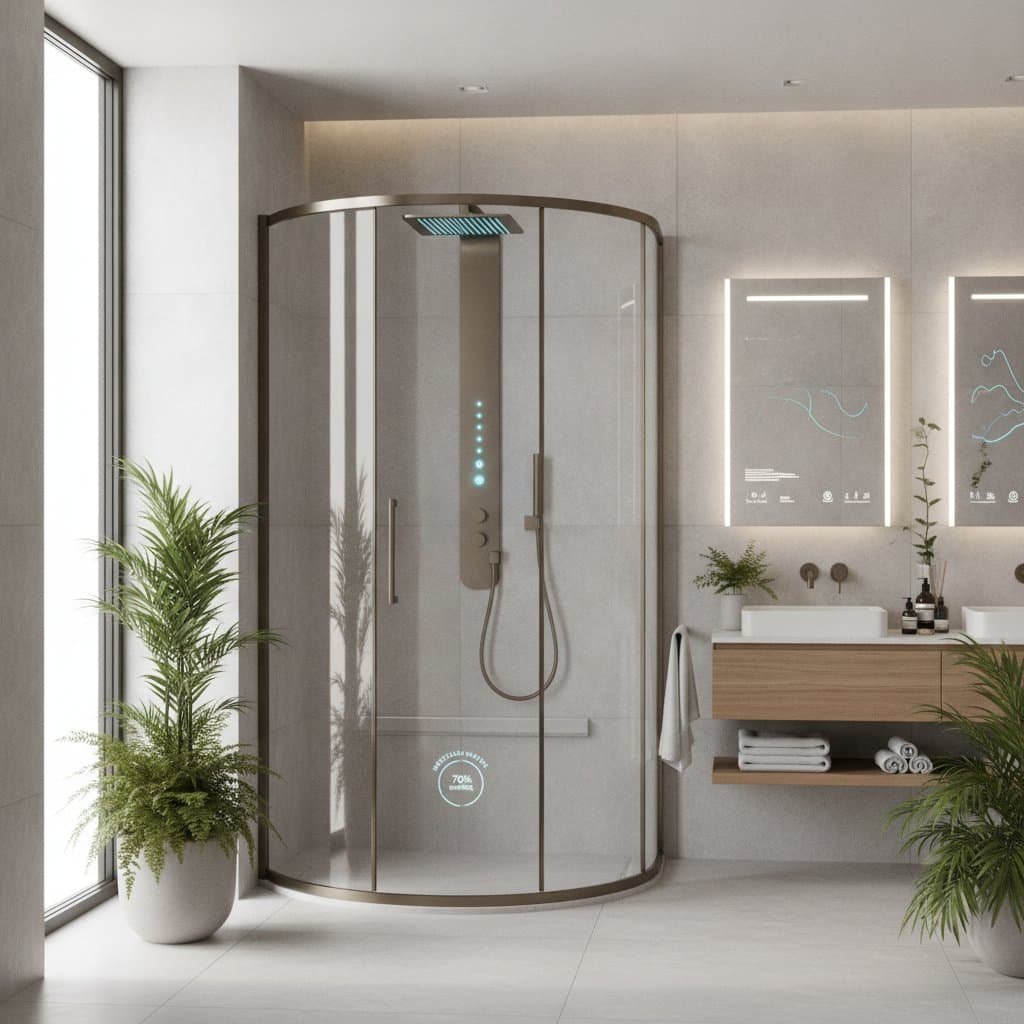
Adaptable shower setups define inclusive bathroom architecture. Elements like adjustable handheld wands on rails, thermostatic valves, and pressure regulators accommodate diverse users. The Grohe SmartControl system stands out for its intuitive dial interface that simplifies adjustments.
Interior designer Marcus Lin of Lin + Co Interiors asserts that these configurations "eliminate age-based design distinctions." Families across generations utilize the same setup without alterations. Pairing porcelain surfaces, brushed stainless accents, and linear drains produces a streamlined, accessible aesthetic.
7. Circadian-Aligned Smart Lighting Solutions
Bathroom illumination advances past basic toggles to systems that sync with natural rhythms. Lutron’s Ketra technology simulates daylight progression, energizing mornings and soothing evenings.
For aging residents, such lighting enhances balance and navigation, especially at night. Designers combine warm white LEDs with frosted glass diffusers for a spa-inspired glow. This integration subtly advances well-being through environmental cues.
6. Voice-Controlled Mirrors Offering Wellness Data
Intelligent mirrors evolve into essential tools for supportive bathrooms. HiMirror and CareOS models respond to voice prompts for light adjustments and display vital metrics without physical interaction. Additional sensors track humidity and air purity to safeguard conditions.
These units feature beveled profiles, fog-resistant surfaces, and frames in satin brass or graphite gray. Architect Nina Patel of Atelier NP describes them as "wellness extensions that preserve dignity and self-reliance." Their refined exteriors mask sophisticated capabilities.
5. Seamless Zero-Threshold Showers
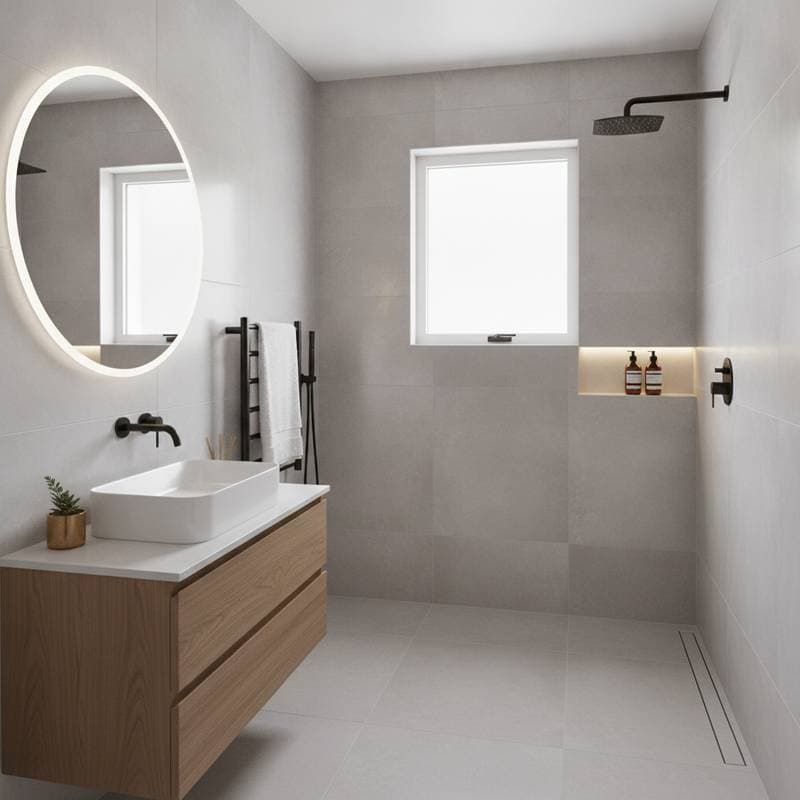
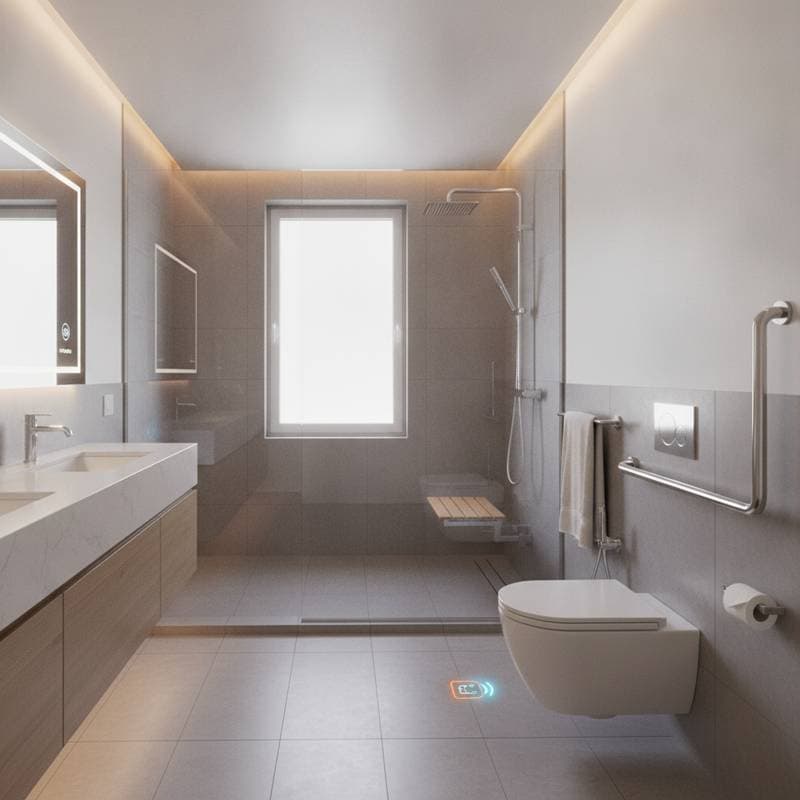
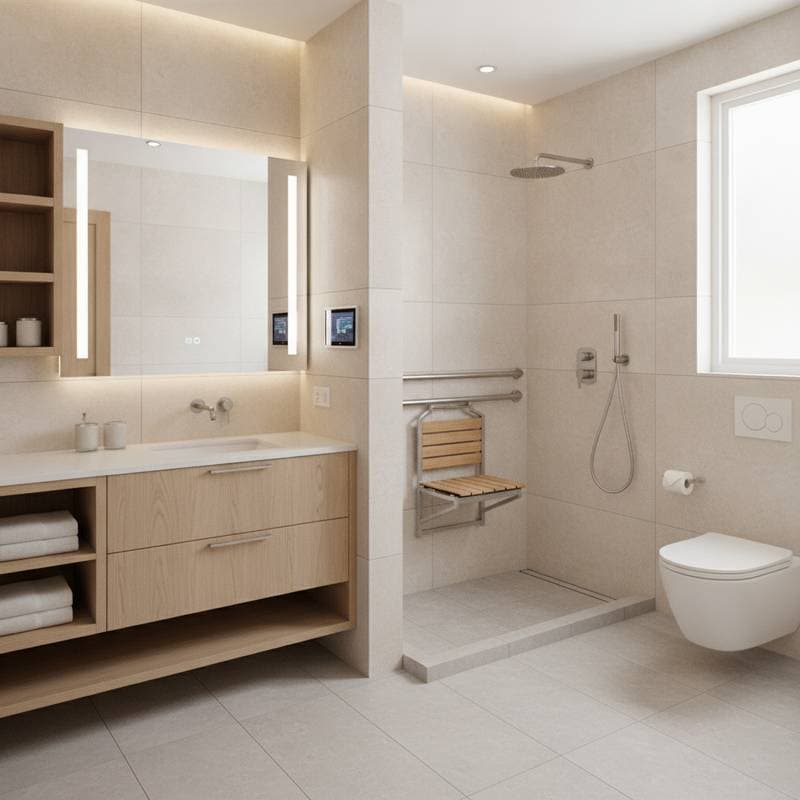
Curbless showers capture universal design ideals by enhancing safety and spatial flow. Eliminating barriers allows smooth transitions between zones, often achieved with large porcelain tiles or tumbled limestone.
Contractor James Harlow of Harlow Buildworks installs hidden linear drains under frameless enclosures to manage water effectively. This method removes stumble points and embraces minimalist elegance. The outcome feels expansive and upscale, facilitating home-based aging.
4. Automated Toilets with Bidet Features
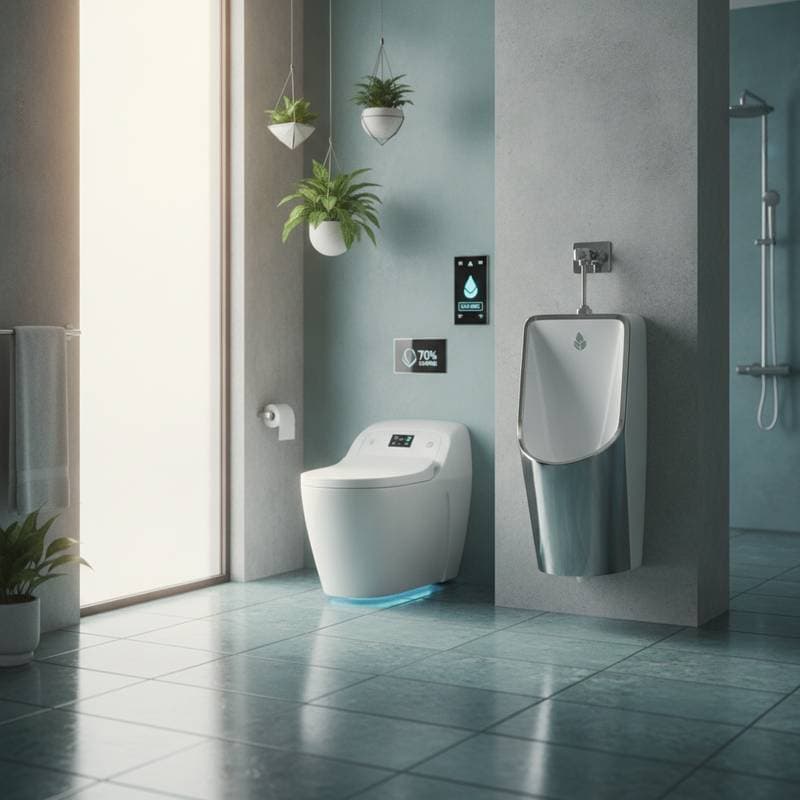
Contact-free toilet systems, once exclusive to upscale venues, now enhance homes. TOTO’s Neorest series includes auto-flush mechanisms, warmed seats, and integrated bidets in streamlined profiles. These elements boost sanitation and ease physical effort.
Interior designer Sophie Grant coordinates them with Calacatta marble surrounds and subtle gray grout, elevating utility to artistry. She explains, "The focus remains on intuitive opulence that accommodates life’s phases, not on medical overtones."
3. Aesthetic Grab Bars with Dual Purpose
Grab bars transcend mere utility to become decorative fixtures. Moen and Invisia craft versions resembling towel holders or shelves in brushed brass, chrome, or matte white finishes.
Studio Lark Interiors incorporated a curved brass element around a tub in a recent project, serving as both support and sculpture. Such integrations embed safety within the overall design story, rendering assistance both ornamental and opulent.
2. Automated Ventilation for Optimal Air Management
Effective air circulation safeguards surfaces and health in aging-friendly designs. Panasonic WhisperSense and Broan-NuTone systems activate via motion and moisture detection for precise regulation.
These pair with durable paints such as Benjamin Moore Aura Bath & Spa in Soft Chamois to ensure endurance. Maintained air quality mitigates mold, supporting sustained residential wellness.
1. Subtle Sensor Networks for Proactive Monitoring
Discreet safety tech marks the pinnacle of bathroom innovation for independent living. CarePredict and Noonlight embed compact sensors in structures to identify irregular activity or prolonged stillness, notifying support networks discreetly.
Concealment within custom maple cabinetry or neutral panels preserves aesthetics. This unobtrusive layer upholds freedom while providing reassurance, harmonizing with architectural integrity.
Designing Bathrooms for Lifelong Adaptation
Aging-in-place bath advancements reflect a broader reimagining of residential spaces. Accessibility emerges as a strength, infused with proactive and compassionate planning. Optimal designs foresee transitions, sustaining user vitality across decades without aesthetic dilution.
When executed with care, these technologies amplify daily rituals and visual harmony. They herald an era where intelligent features quietly uphold respect, seamlessly blending utility with enduring allure in the home bathroom.