Induction's Rise: Building the All-Electric Kitchen
The kitchen continues to evolve as a central hub in modern homes. The shift toward all-electric kitchens represents a significant advancement in design and functionality. Induction cooking leads this transformation by enhancing performance and promoting sustainability. Designers, remodelers, and homeowners alike benefit from exploring these options during current projects.
How Induction Technology Works
Induction cooktops employ electromagnetic fields to heat cookware directly. This method provides immediate temperature adjustments and rapid heating without warming the surrounding air. Boiling water or searing ingredients occurs more quickly than with traditional methods, resulting in a cooler kitchen environment.
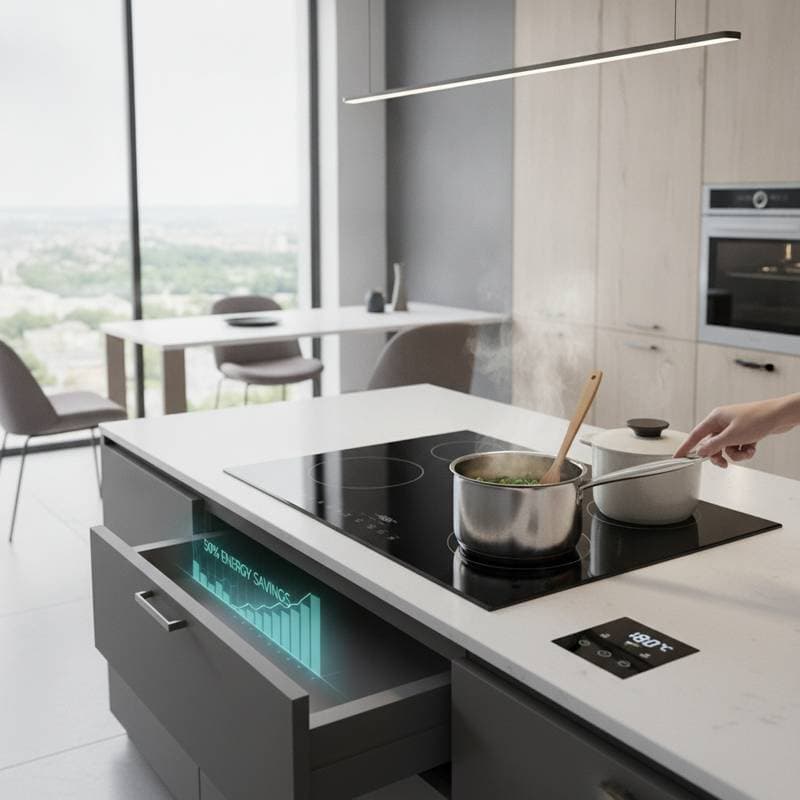
Energy efficiency stands out as a key advantage. Induction transfers 85 to 90 percent of energy to the cookware, far surpassing the 40 percent efficiency of gas stoves. This efficiency lowers utility costs and reduces environmental impact through decreased energy consumption.
Design Flexibility and Modern Aesthetics
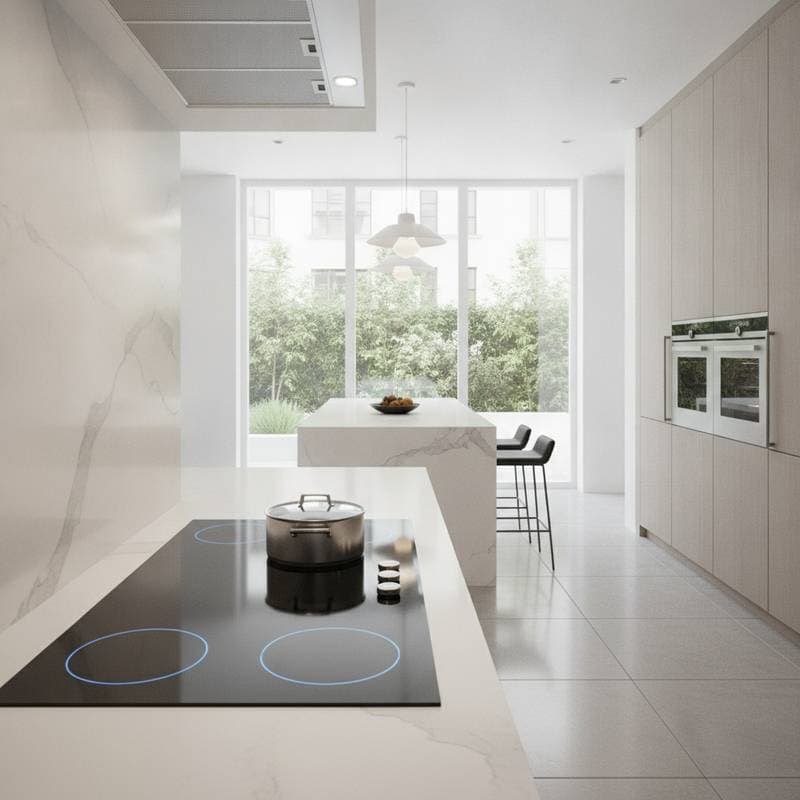
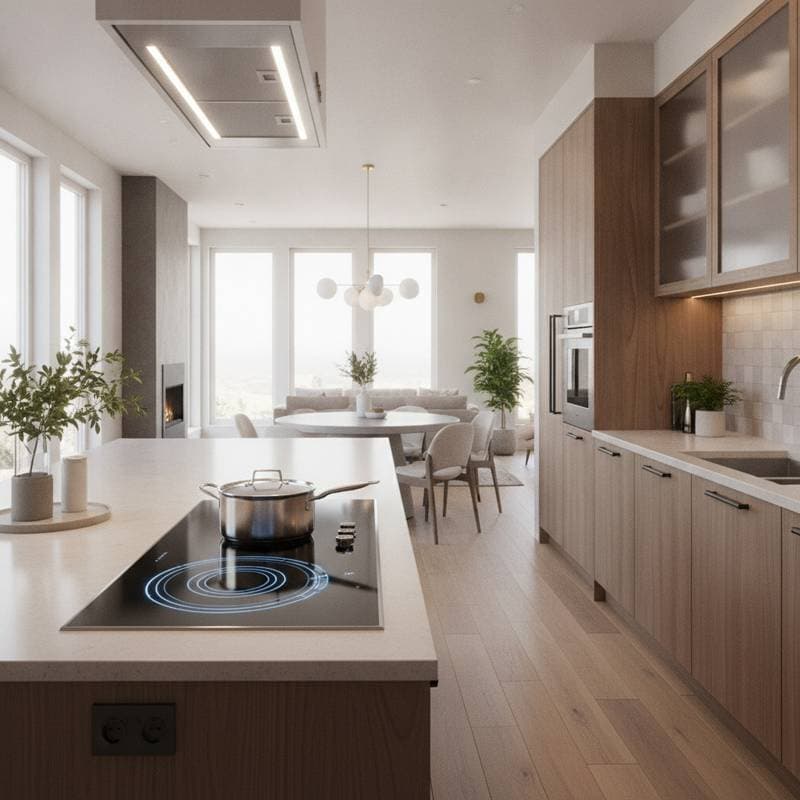
Induction cooktops feature a flat surface that integrates seamlessly with countertops. Materials such as quartz or solid surface create uninterrupted lines for a streamlined appearance. This design suits various styles, from contemporary to traditional, without visual disruption.
Compact options accommodate smaller spaces effectively. Units range from two-burner models to six-burner configurations, with profiles thinner than conventional ranges. Portable induction burners offer additional versatility, storing easily in cabinets and deploying as needed for specific tasks.
Performance Comparable to Gas Cooking
Professional cooks have favored gas for its responsiveness, yet induction matches this capability. Heat levels adjust instantly, allowing precise control for delicate tasks like melting chocolate or simmering sauces. Large pots reach boiling points faster, minimizing wait times during meal preparation.
Safety improves without open flames, reducing risks of burns or fire hazards. Heat dissipates quickly after use, preventing accidental contact injuries. Chefs who transition to induction report consistent results across dishes, combining accuracy with enhanced security.
Practical Options for Upgrading to Electric
Transitioning to induction requires consideration of budget constraints. Start with affordable entry points to evaluate suitability before larger investments.
-
Single-burner portable units. Models begin at $50 and suit tasks like boiling or frying. They connect to standard outlets, enabling testing without permanent changes.
-
Mid-range built-in cooktops. Prices range from $800 to $1,500 for four-burner options. These install into existing counters, providing a balanced upgrade.
-
Premium integrated systems. Costs span $3,000 to $5,000, featuring sensors for automatic adjustments and bridge zones for larger cookware.
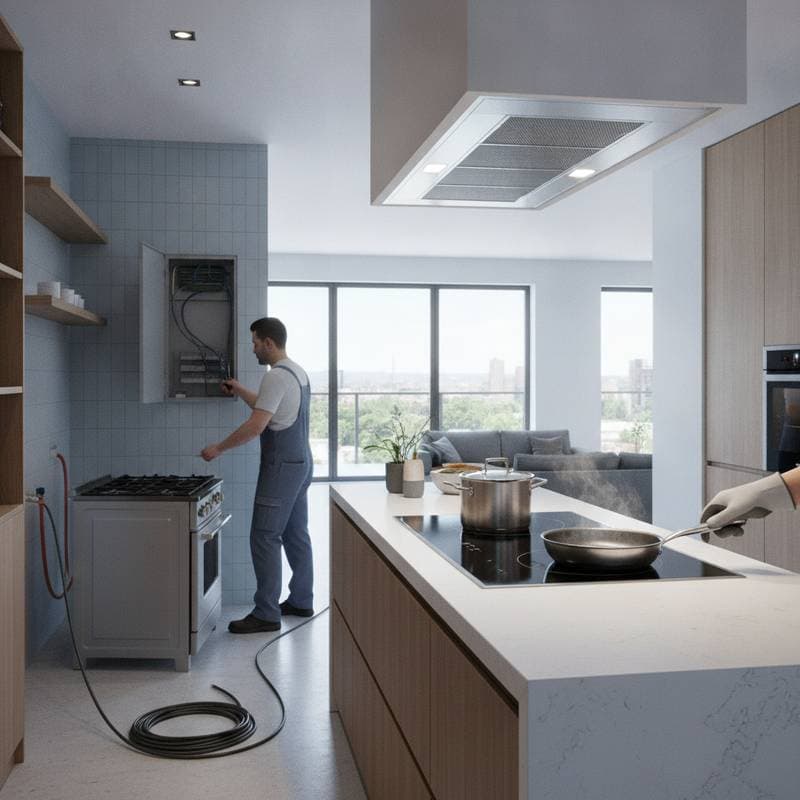
Induction complements electric ovens, wall units, and countertop appliances. This compatibility supports scalable kitchen enhancements tailored to financial plans.
Benefits for Indoor Air Quality and Health
Electric cooking eliminates emissions associated with gas appliances. Traditional stoves release carbon monoxide, nitrogen dioxide, and fine particles that compromise air quality. Induction avoids these pollutants, fostering a healthier cooking space.
Families with young children or respiratory sensitivities gain the most from this switch. Users often report noticeable improvements in air freshness and reduced cooking odors shortly after installation. These changes contribute to overall well-being in the home.
Advances in Induction Design and Accessories
Innovations expand induction's appeal through smart integrations. Cookware with embedded sensors communicates with the cooktop to maintain optimal temperatures automatically. Disappearing zones activate only during use, preserving countertop aesthetics.
Accessories enhance functionality and customization. Magnetic trivets secure pots, modular inserts adapt surfaces, and flexible mats protect finishes. These elements allow personalization while maintaining efficiency, appealing to designers seeking innovative solutions.
Preparing Kitchens for Long-Term Efficiency
Adopting induction aligns with broader electrification trends in urban areas. Communities increasingly prioritize electric infrastructure, positioning induction-equipped kitchens as forward-thinking investments. Integration with solar energy and storage systems promotes self-sufficiency.
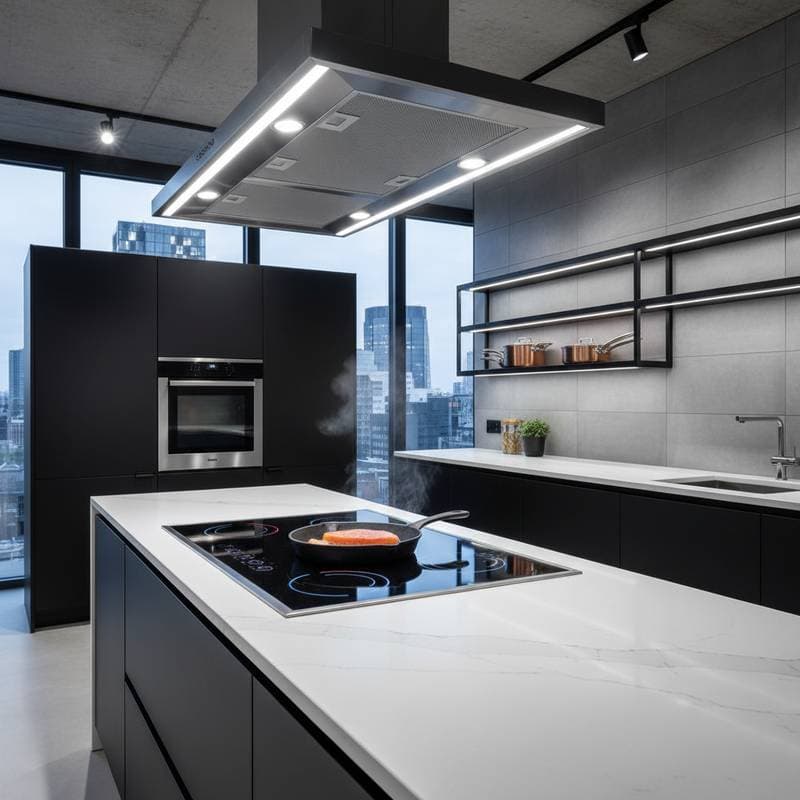
Stylistically, induction adapts to diverse interiors. It complements wood accents in farmhouse settings or sleek metals in urban lofts. The neutral profile ensures it enhances rather than overshadows surrounding elements.
Maximizing Daily Use and Maintenance
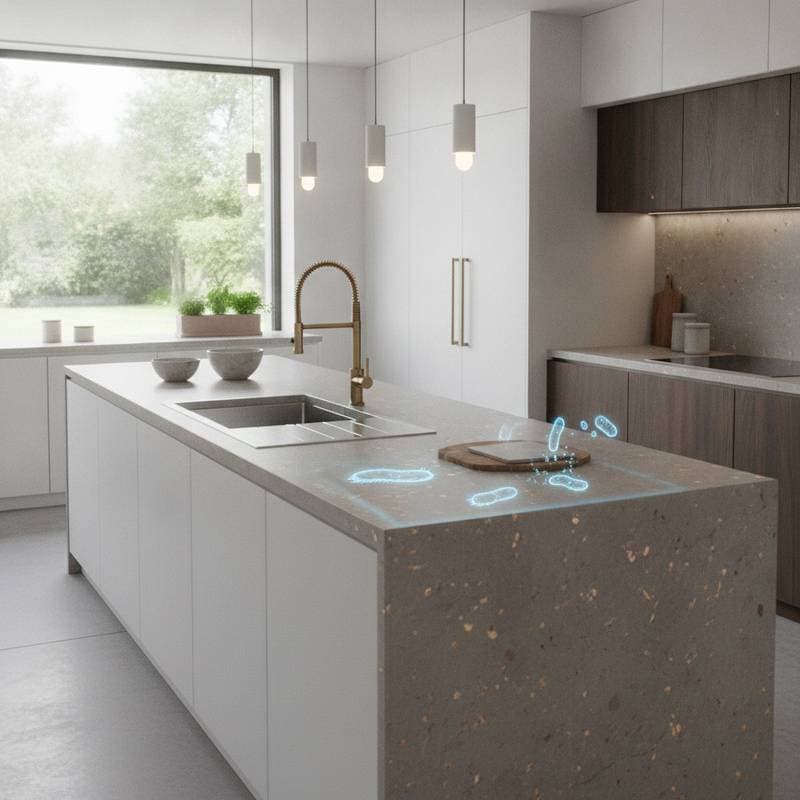
Induction simplifies routine tasks through effortless cleaning. Spills remain on the cool surface, wiping away without residue buildup. Precise controls elevate cooking experiences, encouraging experimentation with recipes.
For upcoming renovations, incorporate induction early in planning. Begin with portable trials to build familiarity, then progress to full installations. This approach yields a more efficient, hygienic, and aesthetically pleasing kitchen environment.