The Emergence of All-Electric Kitchens: Essential Trends for Homeowners
Homeowners increasingly reevaluate cooking methods, remodel strategies, and kitchen power sources. The all-electric kitchen has evolved from a novel idea into a standard preference for those seeking cleaner energy, precise control, and secure operation. As a remodeling contractor with experience installing hundreds of kitchens, the author observes this transition directly. Gas lines, once ubiquitous in new designs, now yield to electric alternatives fueled by superior performance, environmental responsibility, and risk reduction.
This shift extends beyond appliances to influence ventilation, wiring, and cabinetry planning. It impacts electrical service requirements, circuit configurations, and applicable codes. Homeowners equipped with this knowledge make informed choices and sidestep expensive errors.
Key Reasons to Transition from Gas
Safety stands as the primary driver. Gas leaks occur infrequently, yet their consequences prove severe. The author has encountered remodels featuring inadequately sealed or taped gas lines, scenarios that invite hazards. All-electric designs eliminate such vulnerabilities entirely.
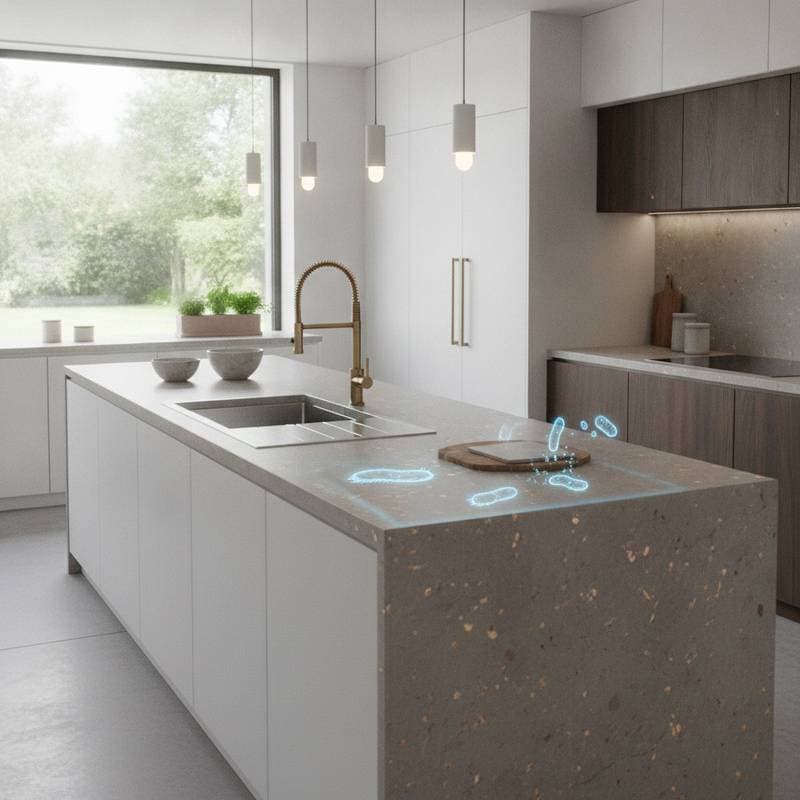
Indoor air quality provides the second compelling factor. Research indicates gas ranges emit nitrogen dioxide and additional pollutants. Numerous homeowners report improved well-being post-switch, attributing it to purer kitchen atmospheres. Electric setups demand effective ventilation, yet they establish a healthier baseline.
Performance emerges as the third rationale. Contemporary induction ranges achieve rapid heating and immediate responsiveness. They exceed gas in accuracy and energy use. Professional chefs favor induction for its reliability and uniformity. Advancements in technology have closed the cost differential, positioning performance as the pivotal consideration.
Defining an All-Electric Kitchen
The term all-electric kitchen encompasses more than gas-free cooking. It signifies that all primary kitchen systems operate electrically. These include:
- Cooking appliances, such as induction ranges, wall ovens, and electric cooktops.
- Water heating, via electric or heat pump water heaters.
- Ventilation systems, equipped with efficient electric fans.
- Refrigeration and dishwashing, supported by circuits rated for current demands.
- Lighting, incorporating LED systems compatible with smart controls.
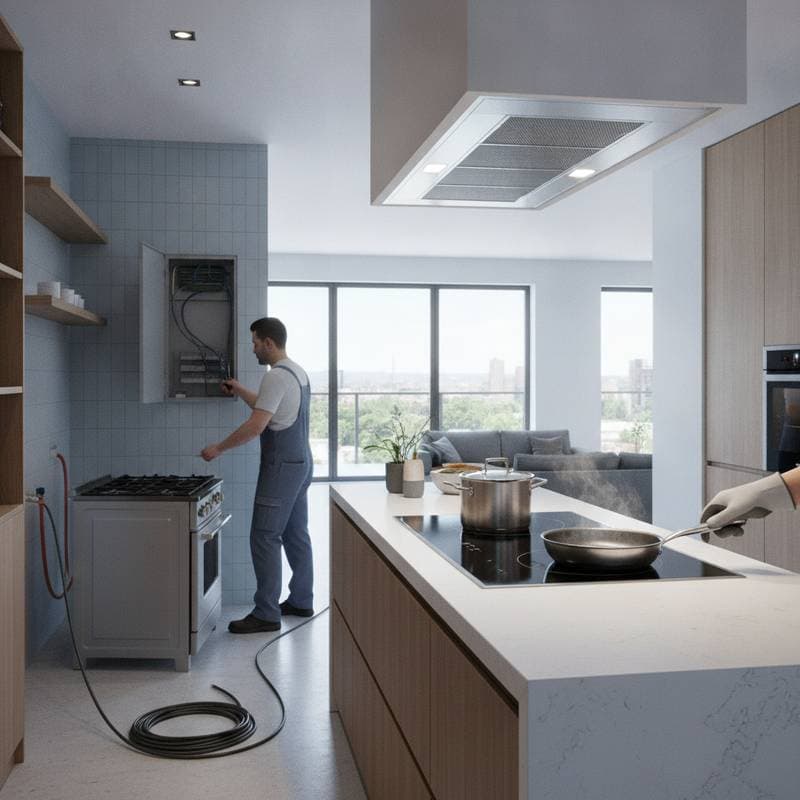
Such kitchens necessitate robust electrical panels to manage heightened loads. Older residences frequently feature insufficient capacity, requiring service panel enhancements or subpanel additions during remodels. This upgrade proves essential; operating powerful induction units on inadequate circuits poses fire risks.
Understanding Installation Costs
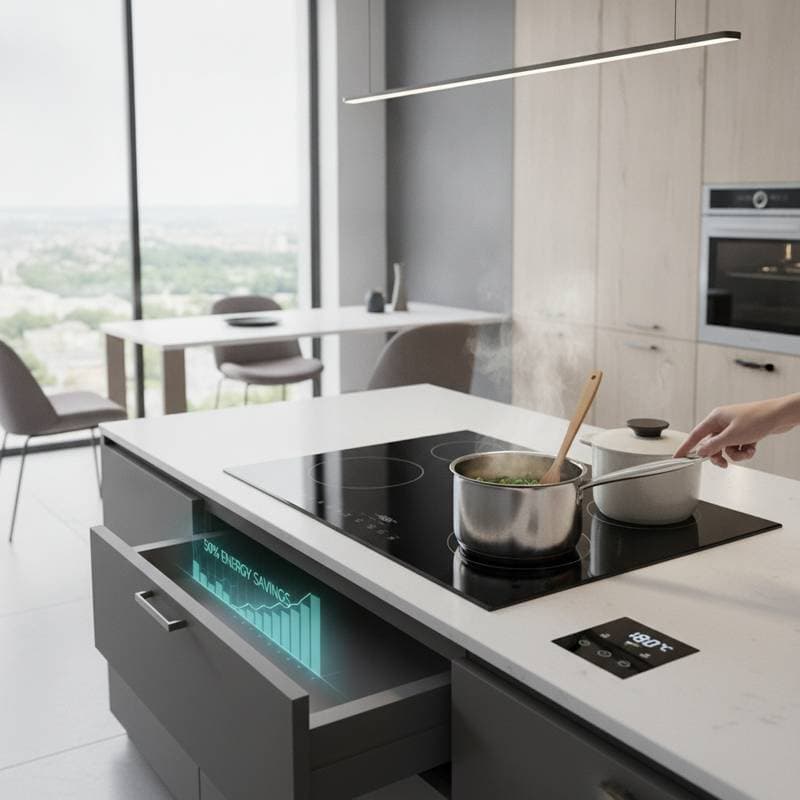
Homeowners often presume electric kitchens incur higher upfront expenses. This holds if significant panel modifications arise, though sustained savings typically offset initial outlays. Electric appliances demonstrate greater efficiency, consuming less energy per use. Induction cooking directs up to 90 percent of energy to the cookware, unlike gas, which dissipates heat ambiently. This results in reduced utility costs and diminished ventilation needs.
One client adopted a complete electric configuration amid a remodel. The project involved panel upgrades, a 50-amp circuit for the induction range, and vent hood replacement. Initial costs rose by approximately ten percent, yet energy consumption fell by nearly one-third. Over time, these savings recoup the investment, alongside gains in safety and functionality.
Navigating Permits, Codes, and Inspections
All remodels adhere to local electrical and building regulations. Gas-to-electric conversions trigger multiple inspections. Contractors secure permits for electrical modifications. Neglecting this invites resale complications and potential insurance denials for unpermitted work-related damages.
Inspectors verify wire gauges, breaker capacities, and GFCI safeguards. Kitchens demand dedicated circuits per appliance, installed by certified electricians. Certain areas now mandate electric-compatible wiring, even with existing gas, to facilitate conversions. Homeowners benefit from incorporating surplus capacity proactively.
Design Strategies for All-Electric Kitchens
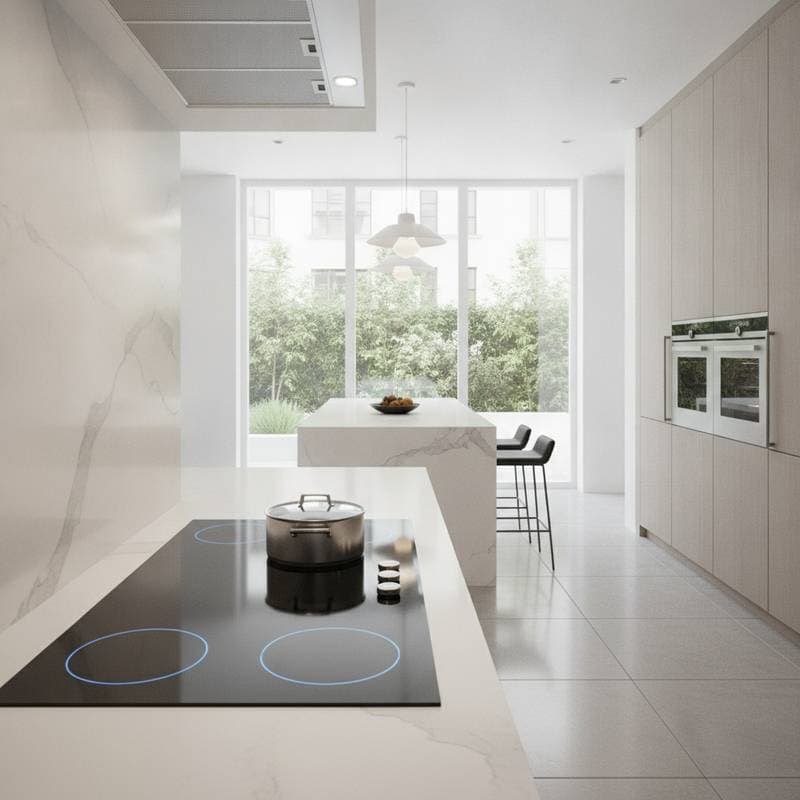
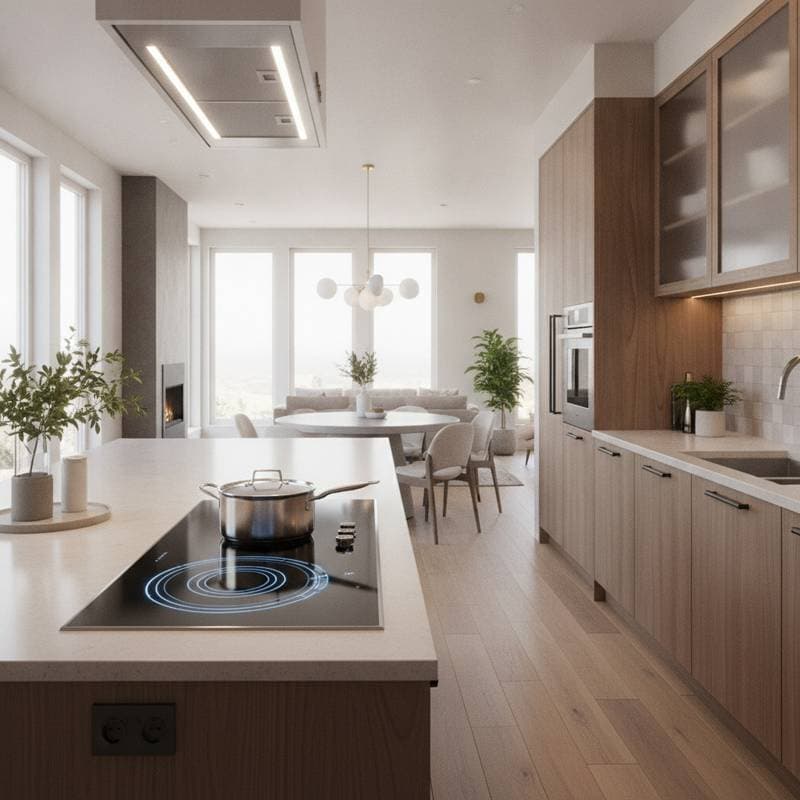
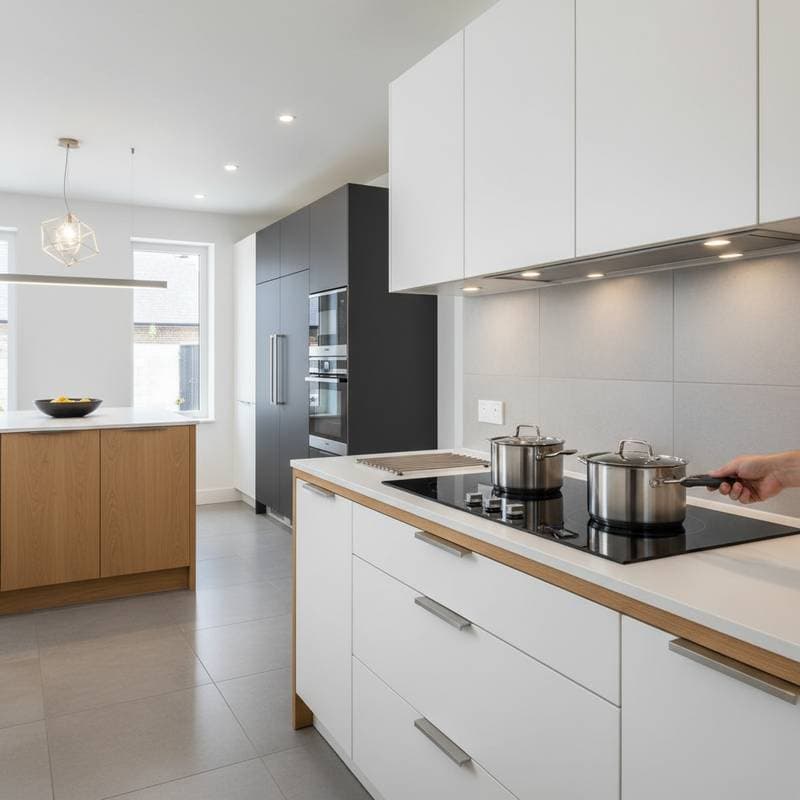
Electric configurations enable streamlined layouts. Absent gas lines and bulky vents, design flexibility expands. Homeowners often select flush-mounted induction cooktops for seamless countertop integration. Induction surfaces remain cool beyond the cookware contact, minimizing burn risks and suiting family environments.
Cabinetry planning adapts accordingly. Electric elements allow repositioning without plumbing constraints, fostering open islands or modular storage.
Lighting integrates smoothly with electric infrastructure. LED fixtures consume minimal power, pairing effortlessly with smart switches and dimmers. This setup enables precise ambiance control and energy management. Circuits can accommodate undercabinet illumination, USB ports, or minor outlets when designed thoughtfully.
Pitfalls to Sidestep in Conversions
Electric kitchen projects reveal consistent oversights, preventable through diligent preparation.
-
Inadequate electrical service: Many legacy homes rely on 100-amp panels. Full-electric demands often necessitate 200 amps. Insufficient upgrades cause frequent breaker trips and potential overheating.
-
Faulty circuit distribution: Major appliances require individual circuits. Combining loads, such as oven and hood, breaches codes and heightens dangers.
-
Overlooking ventilation: Cooking generates steam and aromas regardless of fuel. Select hoods with minimum 300 cubic feet per minute ratings for standard setups.
-
Incompatible cookware: Induction demands ferromagnetic surfaces. Cast iron and specific stainless steels function well; pure aluminum or copper requires adapted bottoms. Test pots with a magnet prior to purchase.
-
Amateur installations: Wiring errors rank high among electrical fire origins. Professionals handle extensive rewiring, even for skilled individuals.
Electrification's Wider Implications
Kitchen trends mirror broader electrification initiatives. Municipalities promote electric heating, water, and appliances through incentives or mandates. New constructions incorporate electric readiness inherently. For renovations, preemptively enhancing wiring streamlines and economizes subsequent adaptations.
Contractors find electrification streamlines certain builds. It reduces wall and ceiling perforations and obviates plumber coordination for gas. Electrical planning demands meticulous attention, however. Early collaboration with electricians proves indispensable.
Induction Technology's Transformative Role
Induction propels the all-electric surge through its blend of efficiency and exactitude. Initial jobsite trials revealed boiling water in under two minutes, with cool surfaces and simple maintenance. Such displays convince homeowners swiftly.
Induction excels in temperature regulation, preventing sauce burns. Avid cooks value this precision, explaining its prevalence in commercial settings.
Early issues like noise and compatibility have dissipated. Current units feature subdued fans and diverse cookware support. Enhanced glass durability addresses shattering worries.
Environmental and Economic Advantages
Paired with renewables, electric kitchens curb carbon outputs substantially. Solar integration renders cooking nearly emission-free. Absent solar, electric efficiency eases grid burdens.
Economically, these kitchens boost property appeal. Prospective buyers seek efficient, contemporary residences. Marketing emphasizes fully electric features for their safety, savings, and ease. Upgraded systems expedite inspections and minimize hurdles.
Steps to Prepare for an Electric Kitchen
Remodel planners should prioritize electrical enhancements, even retaining gas temporarily. Installing conduits or pathways during work costs less than later retrofits. Request higher-capacity circuits or subpanels from contractors for adaptability.
Evaluate the main service entry. Utilities assess load compatibility and upgrade feeds if needed, ideally during construction. This coordination averts disruptions and expenses.
Implementing Your Electric Upgrade
Start by consulting a licensed electrician to audit your panel and circuits. Select induction-compatible appliances from reputable brands, verifying warranties cover installation. Budget for permits and inspections to ensure compliance. With these measures, homeowners achieve a safer, more efficient kitchen aligned with future standards.