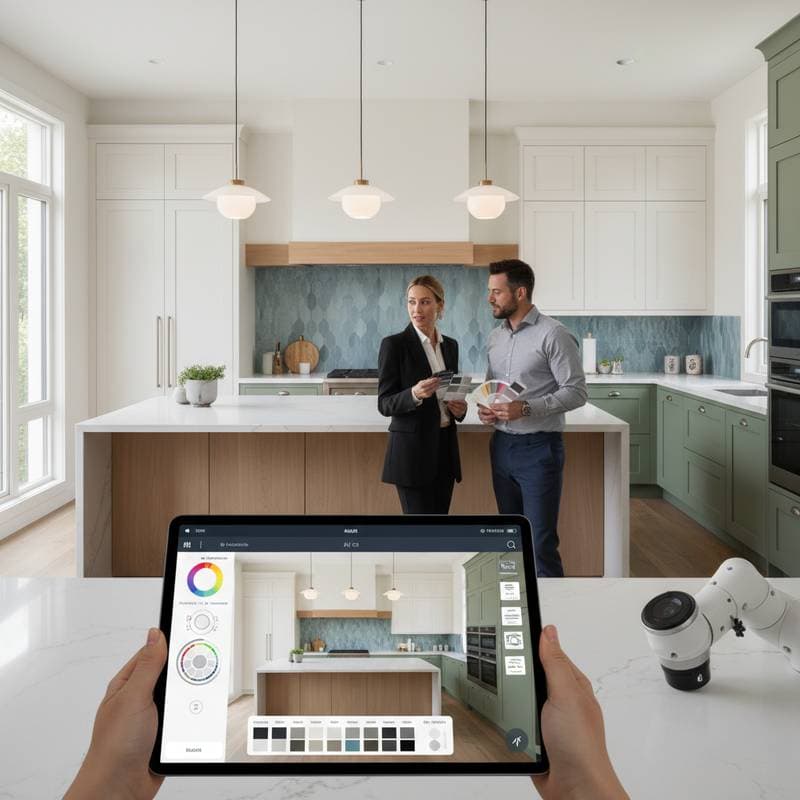
Unlock Kitchen Potential with AI Color Matching
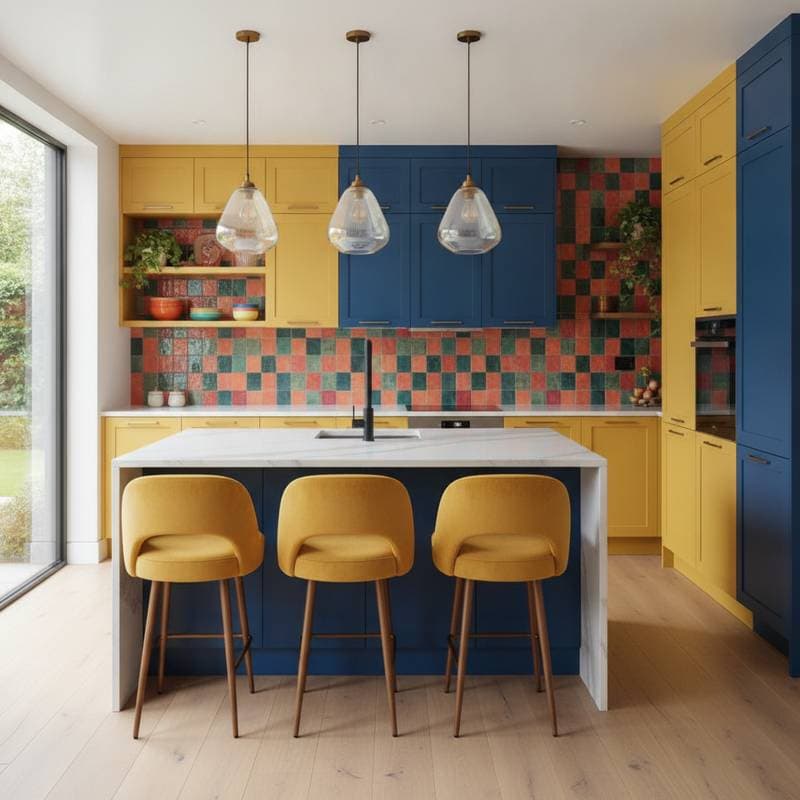
Color shapes the essence of a kitchen. Appropriate tones transform a functional area into a welcoming haven, shifting perceptions from cold efficiency to warm comfort. Traditionally, designers depended on physical samples, daylight evaluations, and personal judgment to achieve color balance. Today, AI color-matching technology redefines this workflow, enabling homeowners and experts to develop unified kitchen aesthetics with ease.
Understanding AI's Role in Color Coordination
Artificial intelligence introduces a subtle yet profound shift in design practices. Rather than supplanting human creativity, it amplifies it. AI tools employ sophisticated image analysis and algorithmic predictions to evaluate photographs of existing spaces. They then propose coordinated paint options, cabinet finishes, and surface materials that align perfectly.
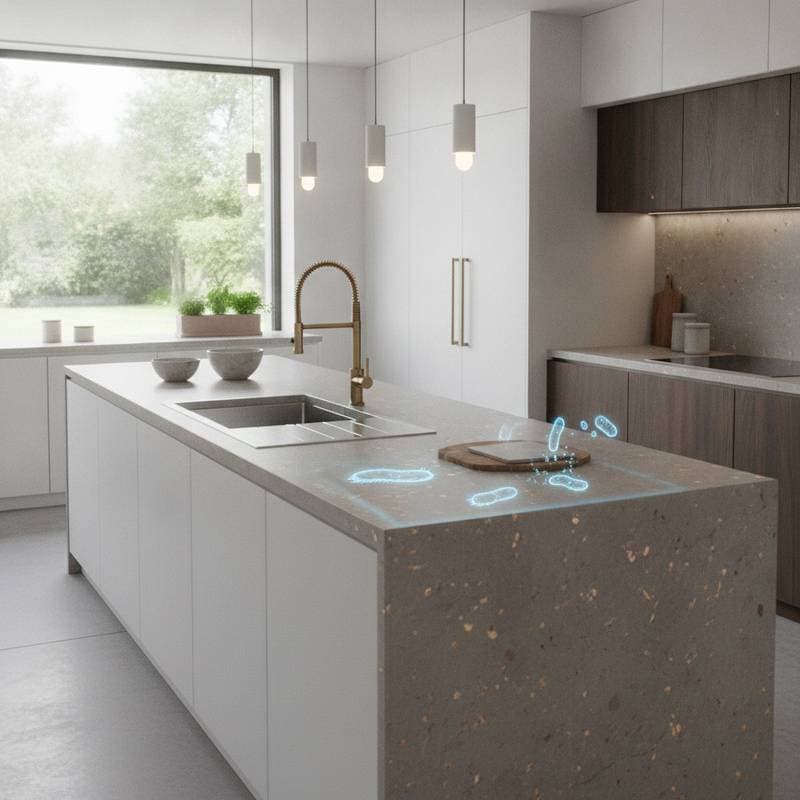
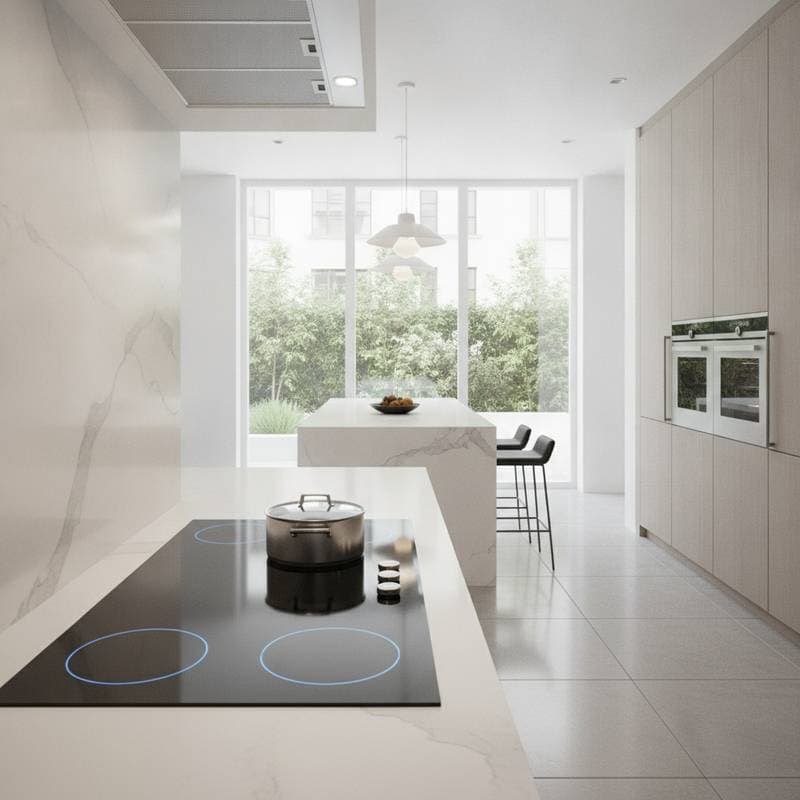
These systems examine nuanced elements such as hidden undertones, light bounce, and material textures to produce thoughtful color schemes. Consider a scenario where a user submits an image of a veined Calacatta marble countertop. The AI might suggest Benjamin Moore Edgecomb Gray for surrounding walls and Farrow & Ball Green Smoke for cabinets. Such recommendations stem from extensive databases of expert combinations and verified visual harmonies, ensuring results that appear professionally selected.
To apply this, start by selecting a reputable AI platform like those integrated with design software. Upload clear, well-lit photos of key elements, such as countertops or flooring. Review the generated palettes, adjusting based on personal preferences, and preview simulations to visualize outcomes in your specific lighting.
Bridging Ideas and Implementation
AI color matching connects creative vision with tangible outcomes. Numerous platforms link seamlessly to suppliers of paints and materials. After finalizing a color scheme, individuals can procure exact sample pots or swatches directly through the tool. This accuracy minimizes errors that previously resulted in expensive rework, such as repainting walls or returning mismatched items.
Interior designer Maya Linton of Studio Meridian calls it a digital assistant attuned to both beauty and utility. Her team leverages AI to unify finishes across entire projects, from kitchen elements to connecting rooms. Linton notes that while the technology handles initial alignments, human insight remains essential for narrative depth, allowing focus on unique client stories over routine trials.
For practical use, integrate AI early in planning. Gather inspiration images from magazines or online sources, then input them into the tool alongside your space photos. This process refines ideas quickly, providing multiple variations to test against budget and availability.
Balancing Light, Texture, and Atmosphere
Kitchen colors change with daily light cycles, affected by window orientations, bulb types, and surface sheen. AI platforms account for these variables through simulations of color behavior in diverse settings. They incorporate data on light reflectance and temperature to craft schemes that preserve vibrancy and coziness across conditions.
In a north-facing kitchen, for example, Sherwin-Williams Alabaster on walls counters chilly tones, complemented by European oak cabinets with a matte finish to soften incoming light. A south-facing room, bathed in sunlight, could use Farrow & Ball Railings on base cabinets to anchor the design and temper reflections from glossy counters.
Textures contribute significantly to the overall effect. AI interprets patterns in materials like polished stone, satin metals, or unglazed tiles. It recommends pairings that build visual and tactile interest, such as combining smooth quartz with textured wood for depth.
Experiment with these factors by using AI's virtual staging features. Input room dimensions and light sources to generate realistic renders. This step reveals how proposed colors interact, guiding adjustments for optimal harmony.
Integrating Human Expertise with AI Insights
Technology streamlines color selection, yet exceptional kitchens reflect personal narratives. Professionals filter AI suggestions through considerations of daily routines, individual tastes, and emotional impacts. The system identifies that a neutral gray pairs well with wood grains, but only a designer discerns if it evokes calm during family meals or stirs specific recollections.
Architect Soren Beck of Atelier Beck states that AI provides the foundational language, while designers craft the expressive narrative. In a recent project, his team blended AI-recommended tones with artisanal plaster applications, demonstrating how digital precision elevates traditional skills.
To incorporate this balance, consult a designer after AI analysis. Share generated palettes and discuss lifestyle needs, such as high-traffic durability or mood-enhancing warmth. This collaboration ensures the final design resonates on multiple levels.
Sustaining Harmony Over Time
After selecting colors, the design process extends to upkeep and modifications. AI tools archive palettes in digital formats for quick access during future updates, like introducing new appliances or refreshing accents. This approach maintains the kitchen's cohesive feel amid changes.
Embracing AI color matching fuses exactness with imagination. It simplifies choices, sparks innovation, and grounds decisions in reliable insights alongside heartfelt vision. The outcome is a kitchen that embodies personal style while delivering seamless unity and lasting satisfaction.