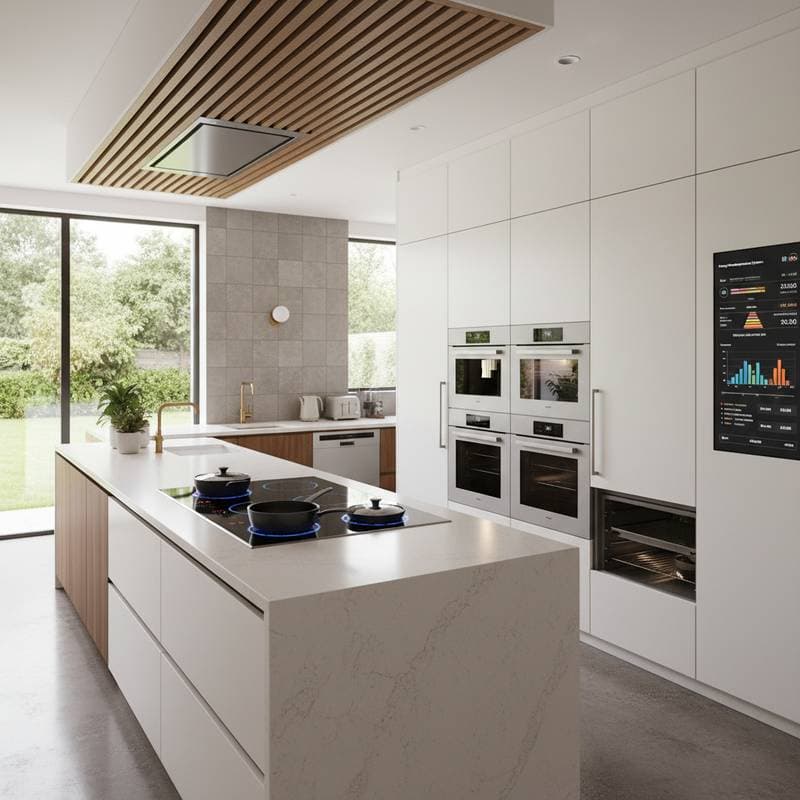
Prepare for 2026: The All-Electric Induction Kitchen Transition
Homeowners considering a kitchen remodel must account for the impending shift to all-electric cooking. Numerous regions plan to eliminate new gas connections in residential buildings, which alters kitchen construction and appliance selections. The era of straightforward gas line installations for ranges draws to a close. Those who prepare in advance realize savings, prevent delays, and maintain compliance as regulations solidify.
In my experience as a remodeling contractor, this evolution impacts nearly every project. The move to all-electric kitchens extends beyond mere adherence to energy codes. It reshapes electrical load planning, ventilation systems, cabinet configurations, and countertop selections. For anyone scheduling a remodel, immediate attention to these elements ensures a streamlined process.
Understanding the All-Electric Kitchen Transformation
An all-electric kitchen relies entirely on electricity for primary appliances, excluding gas or propane sources. This encompasses the range, oven, water heater, and potentially space heating in comprehensive home upgrades. At the core lies the induction cooktop, which employs magnetic fields to heat cookware directly.
Essential Distinctions Between Induction and Gas Cooking
- Precision and Responsiveness. Induction cooktops achieve instant heating and rapid cooling, offering chefs exact control over temperatures.
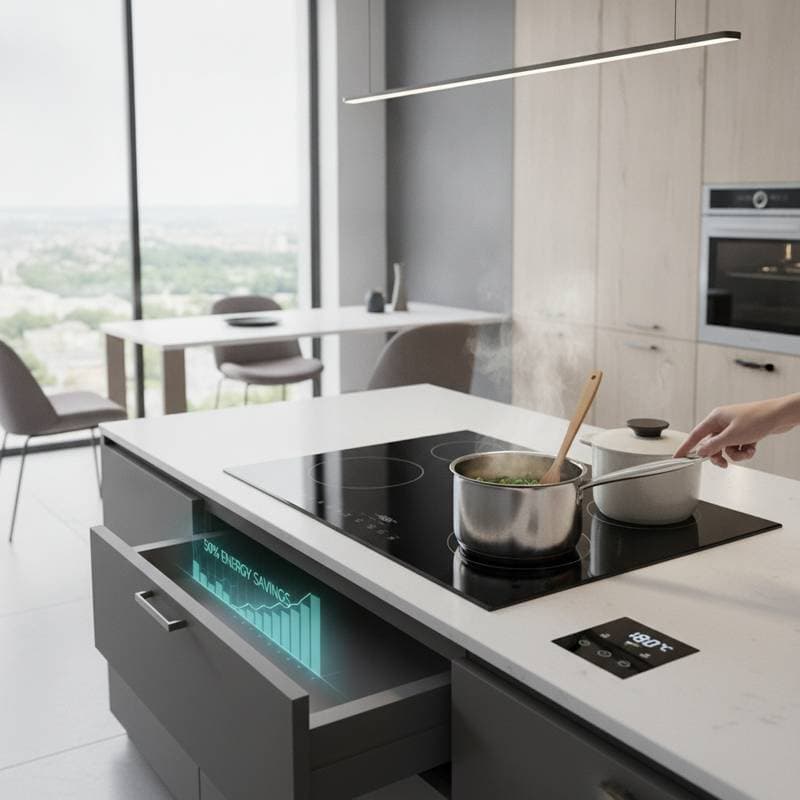
- Energy Transfer. Energy moves straight to the cookware, minimizing waste compared to gas flames that dissipate heat into the air.
- Enhanced Safety. Surfaces remain cooler to the touch, lowering burn hazards and removing risks from open flames.
- Superior Indoor Environment. Without combustion byproducts from natural gas, air quality improves, and ventilation needs decrease.
These advantages prove substantial, yet they demand specific installation protocols that many overlook until challenges arise.
Optimizing Design for Induction Cooking
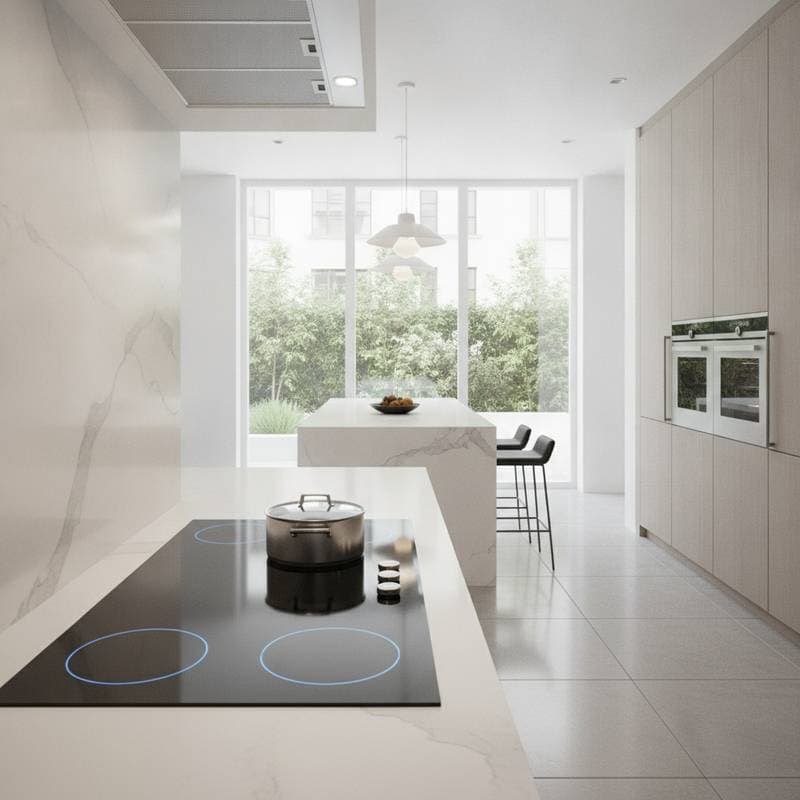
Induction cooktops resemble traditional electric models in appearance, but their operational and setup specifications vary. Cabinet layouts, countertop integrations, and ventilation configurations must align seamlessly.
1. Cabinet Clearance Specifications
Induction units produce underlying heat that requires defined separations from lower cabinets or drawers. Adhere to manufacturer guidelines on minimum distances to prevent overheating and preserve warranty coverage.
2. Countertop Material Suitability
Standard countertop materials withstand induction heat effectively, though thin laminates or composites risk distortion without adequate support. Consult installation manuals prior to countertop fabrication to confirm compatibility.
3. Ventilation System Modifications
Induction cooking generates reduced grease particles and zero combustion emissions, allowing for more compact and less noisy hoods. Nonetheless, effective extraction of steam and odors remains essential for kitchen functionality.
4. Cookware Selection Criteria
Induction technology activates only with ferromagnetic materials. Test compatibility by checking if a magnet adheres to the pan base; cast iron and certain stainless steels succeed, whereas pure aluminum, copper, or glass fail without modified bases. Allocate budget for cookware replacements during remodel planning.
Navigating Permits and Inspections
Local building authorities enforce electric-ready standards with increasing rigor. Permit applications typically inquire about appliance fuel types, and evolving regulations may necessitate evidence of alignment with updated codes.
Submit comprehensive documentation with remodel proposals, including:
- Electrical load assessment reports
- Detailed appliance specifications
- Ventilation system diagrams
- Electrical panel upgrade records, where relevant
Inspectors prioritize secure wiring, sufficient spacings, and clear labeling. Incomplete paperwork often postpones approvals and prolongs timelines.
Pitfalls to Sidestep in All-Electric Remodels
Job site observations reveal that most issues stem from inadequate foresight. Homeowners frequently face these avoidable hurdles:
- Overlooking Wiring Adequacy. Legacy wiring sufficient for prior electric ranges may falter under induction demands, leading to overheating and inspection rejections.
- Neglecting Ventilation Needs. The misconception that induction eliminates hood requirements ignores persistent moisture and odor management.
- Disregarding Cookware Suitability. Investing heavily in renovations only to discover incompatible pans results in unnecessary expenses.
- Mismatching Appliance Dimensions. Induction models deviate slightly in size from gas counterparts, necessitating cabinet and countertop revisions.
- Deferring Panel Enhancements. Attempting to bypass service upgrades typically causes complications when integrating additional electrical loads.
Proactive measures against these errors promote efficiency and regulatory adherence.
Enduring Advantages of All-Electric Kitchens
Beyond initial compliance, all-electric setups deliver sustained value.
- Reduced Energy Expenses. Induction efficiency channels almost complete power input into cooking heat.
- Healthier Indoor Air. Absence of gas emissions curtails pollutants and eases ventilation burdens.
- Effortless Upkeep. Flat surfaces simplify cleaning, free from grates or gas components.
- Resilient to Future Changes. Alignment with expanding electric mandates enhances property appeal and marketability.
Such merits justify the upfront efforts. Clients initially hesitant often embrace the speed and accuracy of induction after firsthand use.
Executing Your All-Electric Kitchen Upgrade
To align a remodel with all-electric standards, develop a structured approach. Engage an electrician and contractor versed in these transitions for an evaluation of existing electrical capacity, circuit mapping, and layout validations.
Assemble permit documents at the outset to facilitate approvals. Select appliances early and cross-check dimensions against cabinetry and surfaces. Time panel upgrades ahead of finish installations.
This methodical strategy averts disruptions and safeguards investments. The all-electric progression represents a foundational change in residential design.