Induction Cooking: Transforming Kitchens to All-Electric
The modern kitchen evolves through innovative technology, and induction cooking leads this change by harnessing magnetic energy instead of gas or open flames. This approach shifts kitchens toward all-electric designs that prioritize precision, sustainability, and responsive performance. Homeowners and designers alike value induction for its ability to create cleaner, more efficient spaces that support both daily cooking and social gatherings.
1. A Shift Toward Electric Elegance
All-electric kitchens signal a broader movement toward mindful energy use and sophisticated engineering. Architects specify induction ranges in new constructions and renovations due to their superior energy efficiency and adaptable designs. Without open flames, these systems improve indoor air quality and limit excess heat, fostering a more pleasant atmosphere for meal preparation and entertaining.
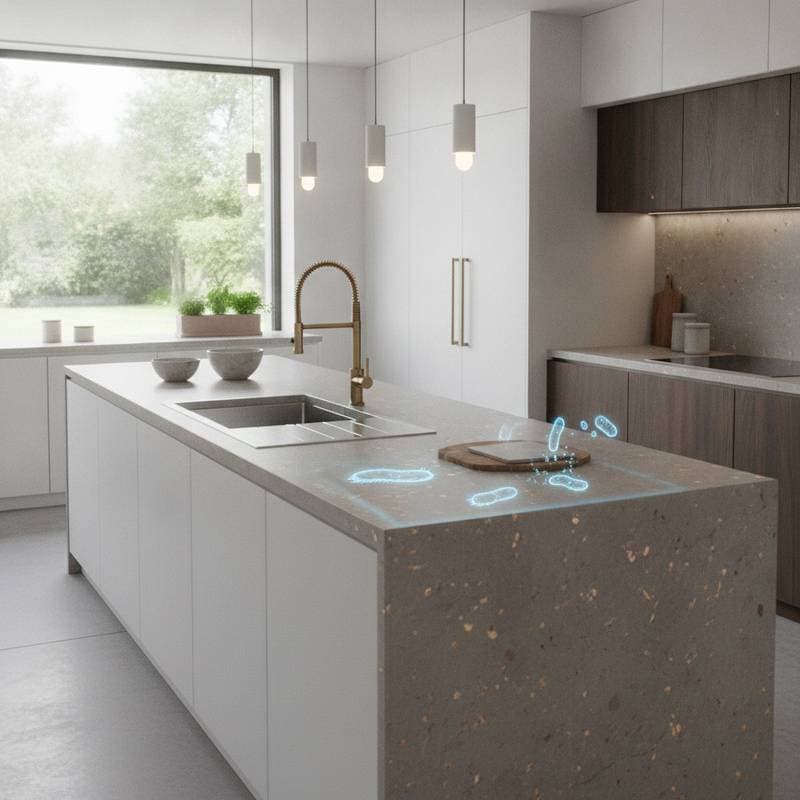
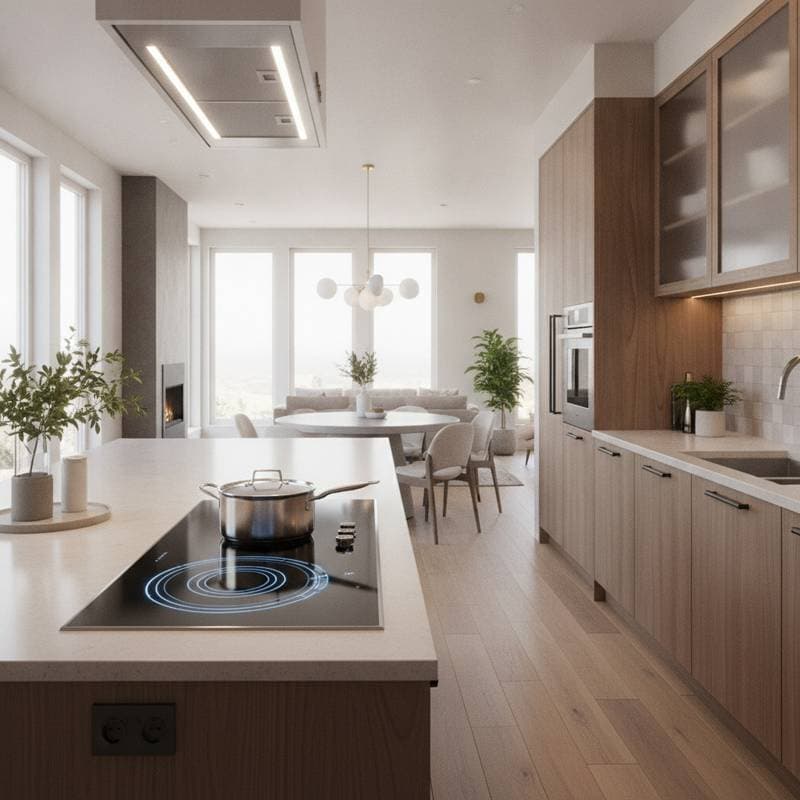
Interior designer Sarah Sherman Samuel calls induction the perfect blend of form and function. She highlights how its smooth surface aligns with minimalist aesthetics, especially when integrated with natural stone or honed quartz countertops to form uninterrupted visual lines in modern or transitional kitchens.
2. The Science Behind the Surface
Induction cooking generates electromagnetic fields that heat cookware directly, leaving the cooktop surface cool to the touch. This method delivers rapid temperature adjustments and exact control comparable to high-end gas stoves. Copper coils under the glass-ceramic top create a magnetic field that activates solely with compatible pots and pans, ensuring safety and targeted energy use.
Leading brands such as Miele, Bosch, and Thermador incorporate advanced digital sensors to sustain even heat distribution. Cooks achieve stable results for simmering sauces or perfectly seared meats with consistent caramelization. Professional chefs appreciate this responsiveness, which provides reliable feedback without the visual flames of traditional gas.
3. Design Freedom and Flexibility
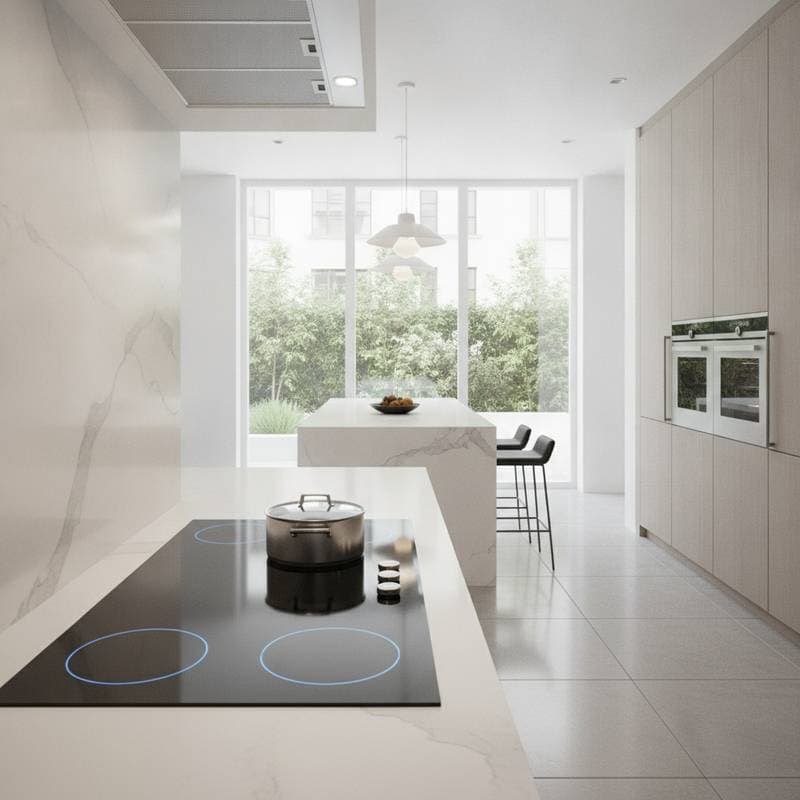
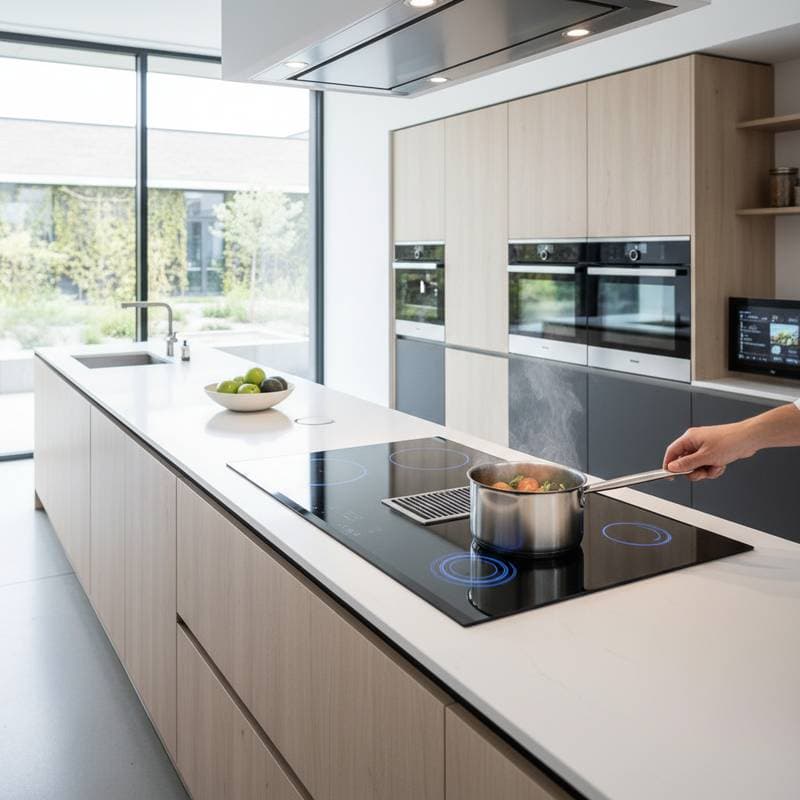
Induction eliminates the need for extensive overhead ventilation, unlocking creative layout options. Install cooking zones in central islands or beneath windows, areas where gas infrastructure proves challenging. Such versatility enables architects to optimize traffic flow and balance, positioning the kitchen as an inviting center for family and guests.
Fabricators like Henrybuilt and Bulthaup leverage induction's adaptability in custom installations. They hide ventilation systems within floating shelves or overhead panels to maintain clean, horizontal sightlines. The cooktop's matte black or graphite glass finish serves as a subtle element that integrates smoothly with surrounding cabinetry and appliances.
4. Materials That Complement Induction
Induction's clean profile encourages thoughtful pairings with diverse materials. Combine it with warm European oak cabinets, brushed brass hardware, or soft gray marble accents to add depth and warmth. Free from grates or protruding controls, these surfaces let natural textures dominate, promoting a serene architectural feel.
Select paint shades such as Farrow & Ball's Plummett or Benjamin Moore's Chelsea Gray to frame the cooktop within cohesive neutral schemes. Introduce texture through fluted wood panels, ribbed glass doors, or hand-applied plaster on backsplashes to counterbalance the sleek modernity.
Strategic lighting enhances functionality and mood. Install recessed LED strips or pendants from Allied Maker and Apparatus Studio to illuminate work areas softly. The cooktop's reflective quality bounces light around the space, increasing perceived depth and highlighting adjacent features.
5. Performance and Efficiency in Real Terms
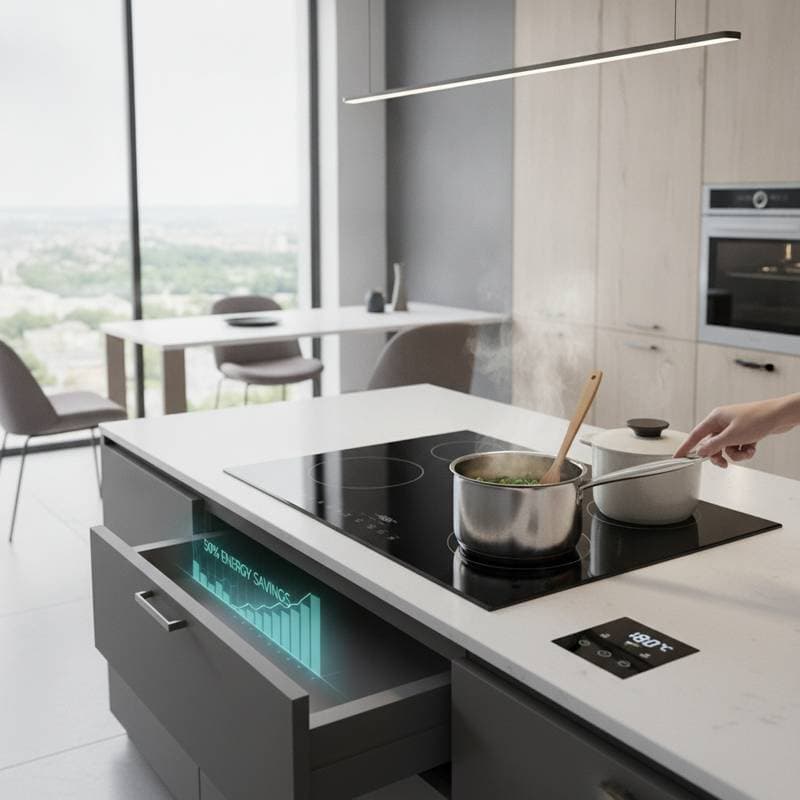
Induction excels in practical efficiency by directing energy straight to the cookware, minimizing heat loss and overall electricity draw. This direct transfer shortens cooking durations and keeps surrounding areas cooler, which helps lower air conditioning demands during warm months.
Users switching to induction note the reduced noise and spotless operation. Eliminate gas fumes, residue buildup, and persistent smells that plague traditional setups. The flat surface cleans easily with basic wipes, sparing the effort required for scrubbing burner components, which appeals to busy households and low-maintenance preferences.
6. The Sustainability Perspective
Electrifying kitchens supports global efforts to cut carbon emissions, particularly as renewable sources expand on power grids. Induction operates with high efficiency on these networks, reducing household energy footprints without sacrificing performance.
Firms like Studio Schicketanz and Lake|Flato Architects incorporate induction into eco-friendly projects alongside solar panels, efficient fixtures, and reclaimed materials. This combination yields homes that harmonize cutting-edge tech with enduring design values.
7. The Aesthetic of Absence
Induction's strength lies in its removal of distracting elements like burners and vents, fostering a minimalist elegance grounded in subtlety. The seamless surface extends countertop continuity, blurring boundaries between cooking and living areas for a more fluid home layout.
Designers such as Kelly Wearstler and Norm Architects embed induction flush into stone islands for a monolithic, calming effect. This approach elevates craftsmanship and spatial proportions, allowing materials and forms to convey quiet luxury over overt technology.
8. Integration with Smart Technology
Contemporary induction models link effortlessly to smart home networks via apps and voice commands. Adjust temperatures precisely, track cooking progress, and activate linked ventilation without manual intervention. Options from Gaggenau and Fisher & Paykel include built-in recipe guides that enhance accuracy in meal preparation.
These features position the all-electric kitchen as a responsive, intuitive space. Technology empowers culinary exploration, streamlining routines while preserving creative control for home cooks.
9. Overcoming Common Misconceptions
Induction faces lingering doubts, such as the need for unique pots, but standard stainless steel and cast iron work effectively with proper bases. Concerns about operational sounds or build quality fade with today's silent, robust engineering.
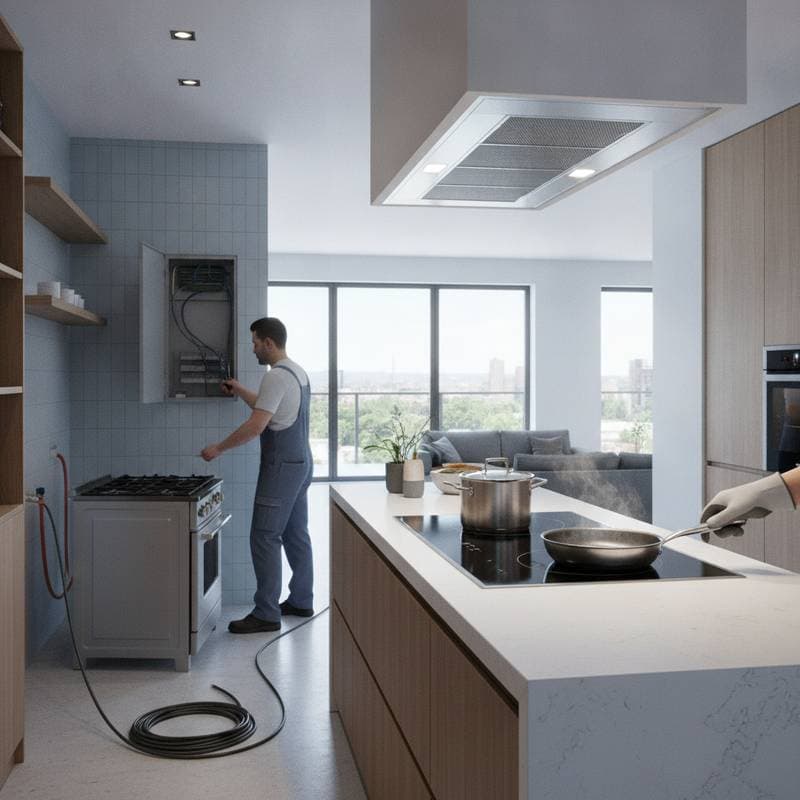
Informed buyers recognize induction as an upgrade, not a limitation. Upfront investments yield returns through utility savings and extended durability. Retrofitting avoids gas line modifications, streamlining remodel projects and reducing disruption.
10. Embracing Induction in Daily Use
Induction aligns with trends in understated luxury and eco-conscious habits, serving as a core component of forward-thinking kitchens. It delivers top-tier performance, enhanced safety, and refined style that fits seamlessly into everyday architecture.
Opting for induction reflects a commitment to streamlined efficiency and durable beauty. This choice opens kitchens to greater adaptability and sustainability. As professionals innovate in integrations and palettes, induction elevates cooking into a refined, light-filled ritual that balances utility and grace.