Bacteria-Resistant Surfaces Transform Kitchens by 2026
Kitchen design extends beyond aesthetics and functionality. It now emphasizes safety, hygiene, and enduring health safeguards. Homeowners demand kitchens that match the cleanliness standards of professional food preparation environments. The emergence of bacteria-resistant surfaces alters perspectives among contractors, designers, and homeowners regarding countertops, cabinetry, and flooring. This evolution addresses heightened awareness of bacterial proliferation on conventional materials and the associated health and maintenance expenses.
As a contractor experienced in remodeling numerous kitchens, the author observes stark contrasts between surfaces that combat bacteria and those that foster it silently. Contemporary antimicrobial surfaces surpass mere cleanliness. They mitigate risks, safeguard families, and prolong kitchen longevity.
Mechanisms Behind Bacteria-Resistant Surfaces
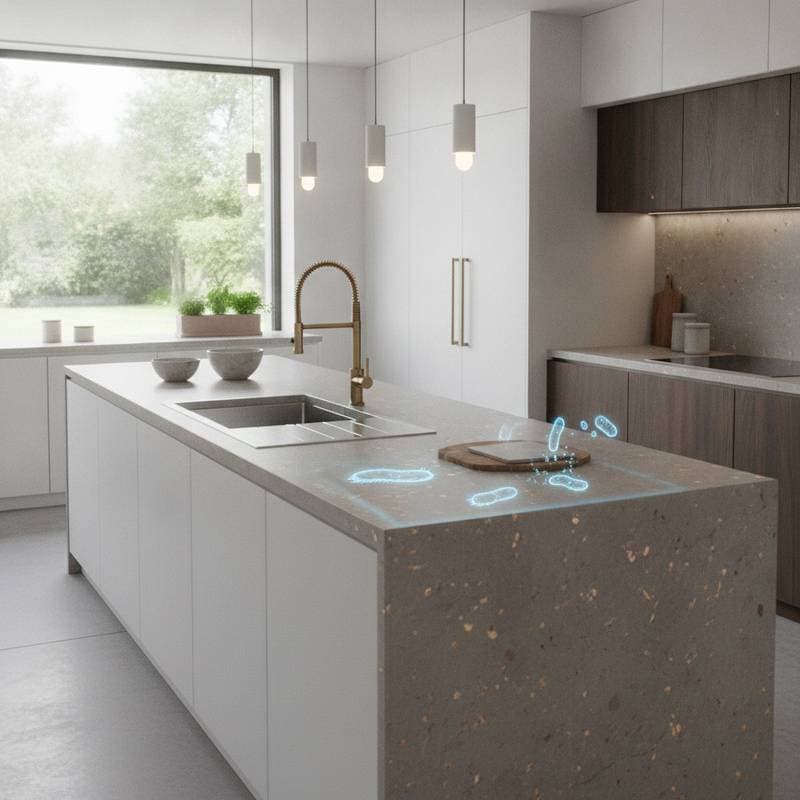
Bacteria-resistant surfaces, also known as antimicrobial ones, inhibit microorganism survival and reproduction. These materials employ several key mechanisms:
-
Embedded Antimicrobial Agents
Producers integrate agents such as silver ions, copper compounds, or zinc directly into the material matrix during fabrication. These elements compromise bacterial cell structures and suppress proliferation throughout the surface lifespan. -
Non-Porous Construction
Certain materials achieve such density that bacteria find no entry points. Examples include solid-surface countertops, select engineered quartz variants, and innovative composite resins. -
Protective Coatings
Specialized coatings form barriers against water and organic residues, preventing bacterial adhesion and growth. These often incorporate nanoparticles to sustain antimicrobial efficacy over extended periods. -
Self-Cleaning Capabilities
Select products advance further by degrading organic matter via photocatalytic processes activated by light exposure. While prevalent in commercial applications, these technologies increasingly appear in high-end residential kitchens.
Correct installation yields over 90 percent reduction in bacterial presence relative to traditional surfaces. This outcome stems from empirical testing post-installation, confirming tangible improvements.
Leading Materials in Bacteria Resistance
The market for these surfaces expands rapidly, with specific materials establishing benchmarks for antimicrobial efficacy.
-
Engineered Quartz
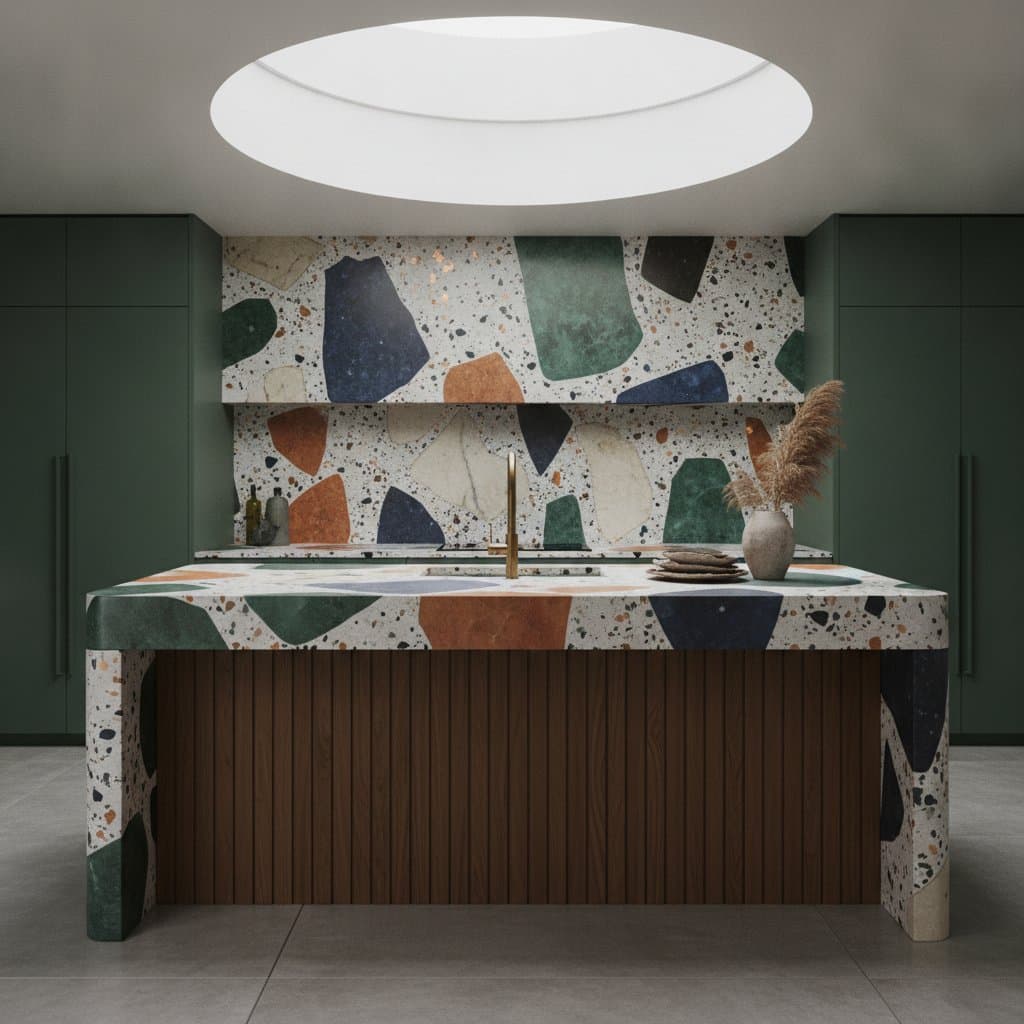
This option blends natural stone aggregates with binding resins to create non-porous, consistent structures. Leading brands incorporate antimicrobial additives at the production stage. The result offers exceptional durability, resistance to stains, and elimination of periodic sealing needs. -
Solid Surface Materials
Composed of acrylic polymers and mineral fillers, these countertops provide seamless uniformity from surface to edge. Scratches repair effortlessly through sanding, and the polished finish denies bacteria viable habitats. -
Copper-Infused Composites
Copper possesses inherent bactericidal properties. Countertop and sink producers now embed copper particles in composite formulations, ensuring persistent antimicrobial action without the upkeep demands of pure copper. -
Ceramic and Porcelain Slabs
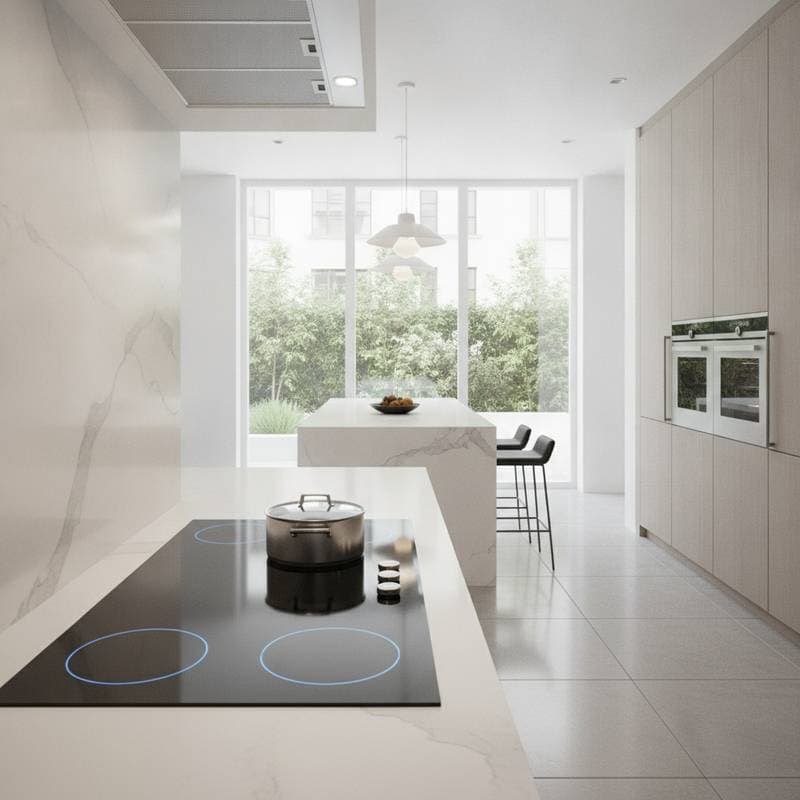
Oversized porcelain slabs deliver dense, glossy finishes frequently enhanced by antimicrobial glazes. They withstand stains, high temperatures, and humidity, suiting applications from countertops to backsplashes. -
Enhanced Laminates and Composites
Modern laminates feature integrated antimicrobial films that preserve protective qualities despite prolonged exposure. These selections accommodate cost-effective renovations while upholding hygiene priorities.
Installation varies by material. Quartz and porcelain demand meticulous seam alignment to preserve integrity, whereas solid surfaces necessitate proprietary adhesives for flawless continuity. Engaging skilled fabricators preserves antimicrobial functionality post-installation.
Insights from a Contractor's Viewpoint
Contractors encounter shifts beyond promotional advantages with bacteria-resistant materials. These influence operational processes, equipment selection, and client interactions.
- Precision in Fabrication: Antimicrobial materials often exhibit greater density, necessitating diamond-blade tools and reduced cutting velocities to avoid damage.
- Specialized Installation Protocols: Manufacturers mandate certified technicians to uphold warranties, compelling contractors to pursue ongoing training in material-specific methods.
- Educating Clients: Homeowners must recognize that antimicrobial features supplement, rather than supplant, routine cleaning. Clear communication establishes feasible expectations and averts future dissatisfaction.
- Record-Keeping for Warranties: Maintain comprehensive logs including product identifiers, environmental installation factors, and supplier certificates. Such documentation shields both parties from potential conflicts.
Selecting antimicrobial surfaces represents a comprehensive enhancement, integrating aesthetic appeal, skilled execution, and scientific principles.
Steps to Achieve a Healthier Kitchen
Adopting bacteria-resistant surfaces ranks among the most prudent homeowner investments, safeguarding assets and well-being. Proceed with these structured actions:
-
Evaluate Existing Setup
Pinpoint vulnerabilities like deteriorated grout lines, fractured counters, or damp accumulation zones. Prioritize these for replacement with antimicrobial alternatives. -
Verify Product Credentials
Seek materials backed by independent antimicrobial validations. Demand substantiation from suppliers through your contractor, eschewing unsubstantiated assertions. -
Select Expert Installers
Partner with professionals versed in these materials. Accurate fabrication and placement guarantee sustained performance. -
Implement Care Protocols
Develop a regimen using mild cleaners, steering clear of abrasives that might erode protective layers.
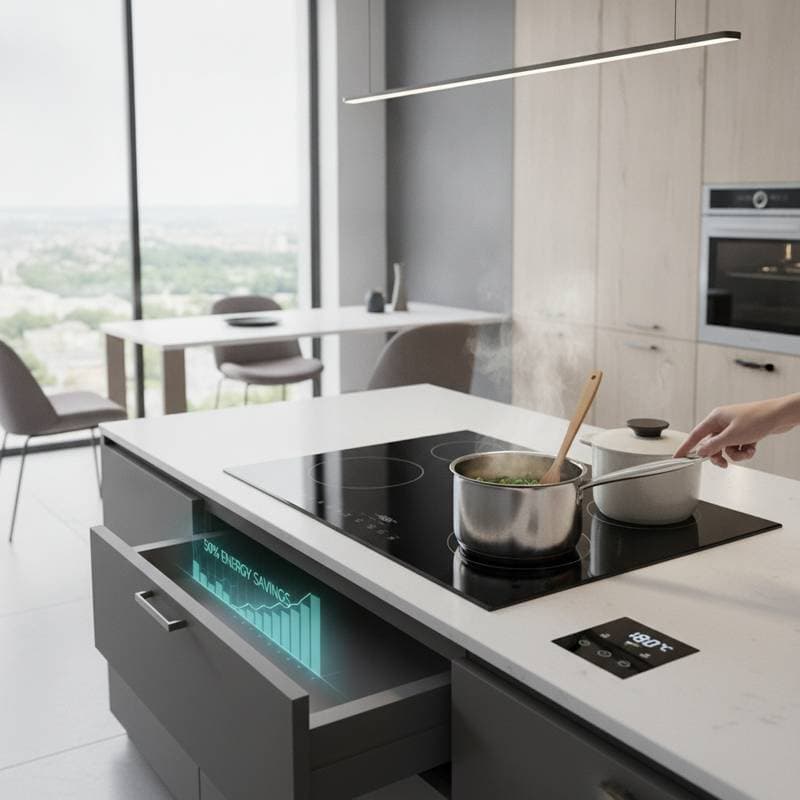
A kitchen fortified against bacteria evolves from optional enhancement to essential modern necessity, aligning with contemporary lifestyles and culinary practices.