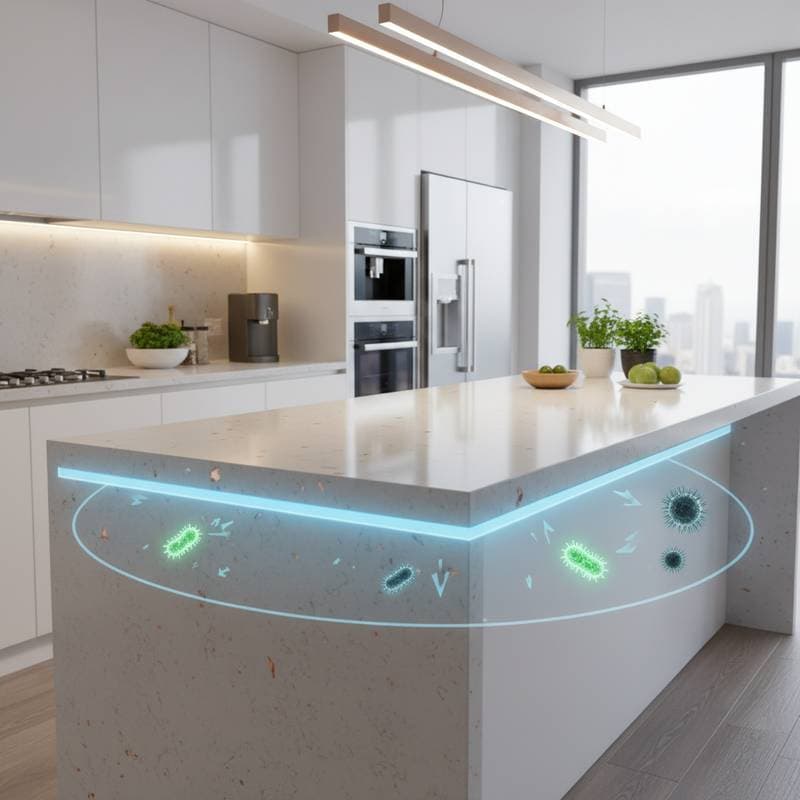
Antimicrobial Surfaces: Kitchen's Germ-Fighting Upgrade
Many homeowners wipe down kitchen counters after each use yet question whether harmful bacteria remain. Kitchens serve as hotspots for microbial growth due to factors such as raw meat residues, spills, and frequent handling. Antimicrobial surfaces provide a reliable solution by inhibiting bacteria directly within the material, offering enhanced hygiene without relying solely on cleaning routines.
Contractors who install a range of countertop materials, from laminate to quartz, observe contamination risks on unprotected surfaces. Homeowners benefit from these upgrades through improved health safeguards and reduced upkeep demands over time.
Common Problems with Traditional Countertops
Traditional countertops demand rigorous cleaning schedules to manage bacterial buildup, yet these efforts often fall short. For instance, slicing raw poultry can create tiny grooves that harbor pathogens, even after disinfection. Sealed granite or marble may develop uneven protection as sealants degrade, allowing germs to persist.
Job site experiences reveal several persistent challenges:
- Porosity – Materials like natural stone or untreated wood absorb moisture and organic matter, fostering mold and bacterial colonies without consistent sealing applications.
- Surface damage – Scratches from knives, heat exposure, or impacts form crevices that resist full sanitization, trapping residues beneath the visible layer.
- Moisture retention – Regions near sinks or faucets accumulate water behind caulk lines or seams, promoting hidden mold growth that affects air quality.
- Chemical sensitivity – Certain finishes degrade under repeated exposure to bleach or ammonia-based cleaners, resulting in faded appearances or compromised integrity.
Antimicrobial countertops counteract these issues by embedding protective agents that repel microbes while maintaining structural strength against daily wear.
How Antimicrobial Technology Works
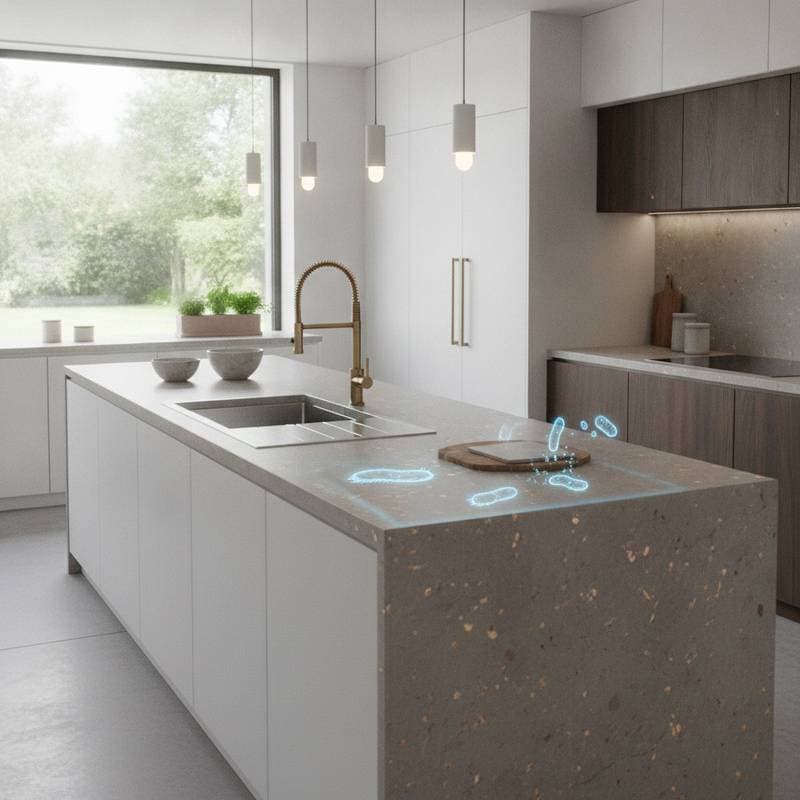
Antimicrobial countertops integrate agents such as silver ions or copper compounds into the core material during manufacturing. These elements disrupt bacterial cell walls, preventing reproduction without leaching harmful substances. Unlike temporary sprays, this built-in defense operates continuously, reducing colony formation by up to 99 percent according to standard lab tests.
Quartz composites, for example, combine crushed stone with resins infused with antimicrobial additives, creating non-porous slabs resistant to etching and staining. Solid surface materials like Corian offer similar benefits, with seamless designs that eliminate grout lines prone to grime. Even stainless steel variants treated with antimicrobial coatings provide hospital-grade protection suitable for high-traffic kitchens.
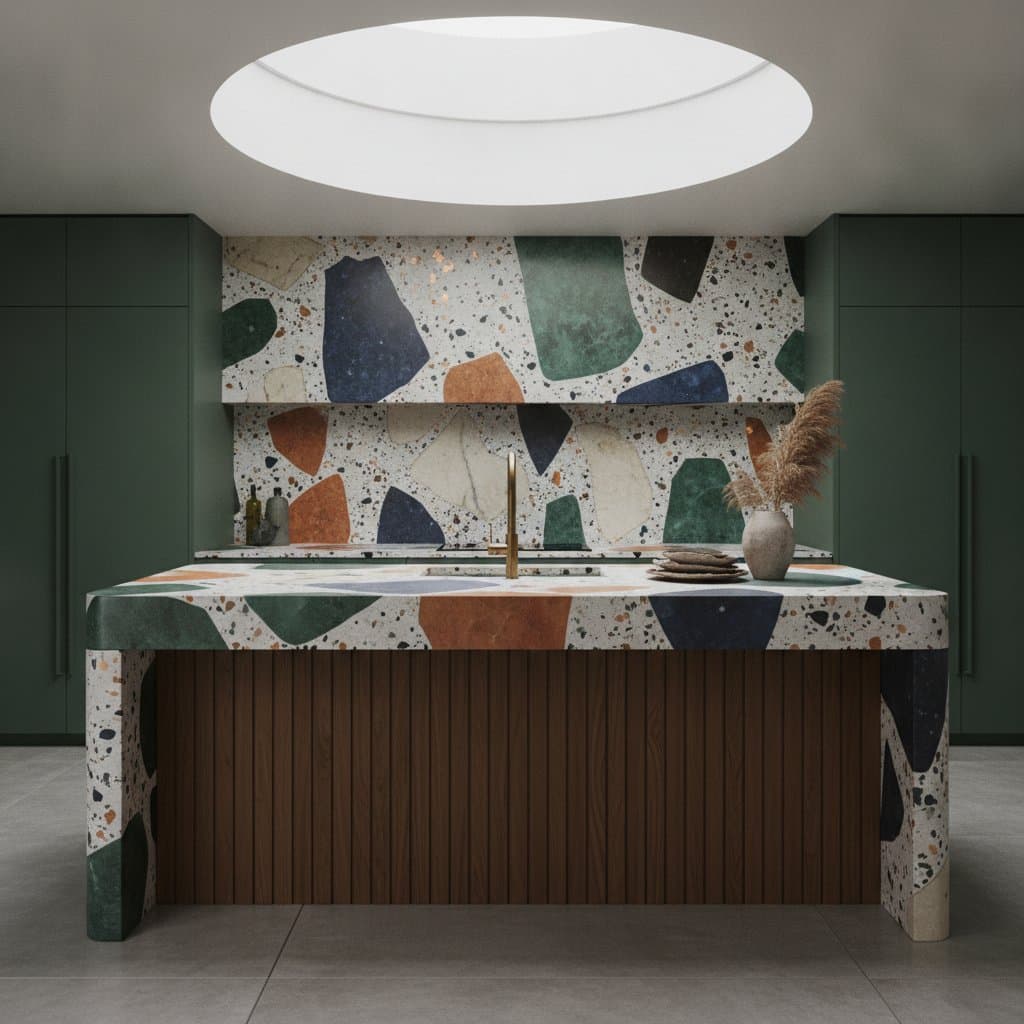
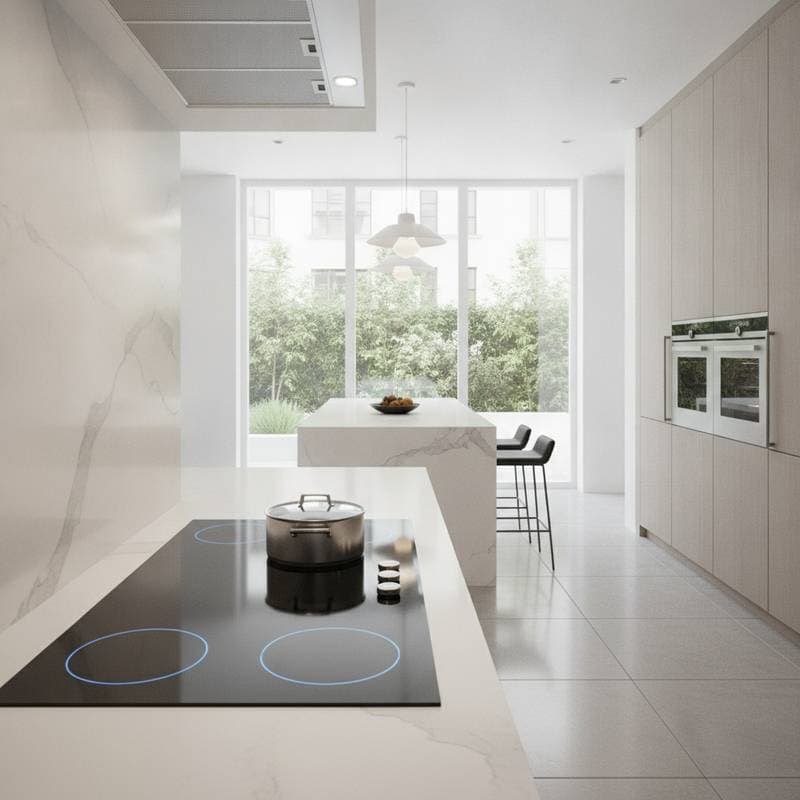
Homeowners select these options for their balance of aesthetics and functionality. Patterns mimicking marble or wood allow seamless integration into various design styles while delivering superior performance.
How to Verify True Antimicrobial Performance
Claims of antimicrobial properties vary widely among products, with some based on superficial treatments rather than robust engineering. To identify effective options, evaluate these key indicators:
- Manufacturer documentation – Seek certificates from accredited labs, such as those following EPA or ISO protocols, detailing log reduction in bacteria like E. coli or Salmonella over 24 hours.
- Permanent integration – Confirm the agent resides within the slab, not as a topical layer that wears off; inquire about the material's composition during consultations.
- Regulatory approval – Look for registrations with bodies like the EPA for public health claims or NSF certification for food-contact safety.
- Warranty terms – Opt for coverage that explicitly includes antimicrobial efficacy, often spanning 10 to 25 years, signaling manufacturer confidence.
These verification steps prevent investment in underperforming products and ensure compliance with health standards.
Cost and Value Considerations
Initial costs for antimicrobial countertops range from 20 to 50 percent higher than standard alternatives, depending on material and size. Quartz installations, for instance, average $60 to $120 per square foot, including fabrication and labor. However, the long-term savings emerge through minimized repairs and cleaning supplies.
In practice, families report fewer instances of foodborne concerns and preserved countertop appearances after years of use. Resale value increases as buyers prioritize hygienic features in modern homes. Compare quotes from multiple suppliers to align choices with budget constraints without sacrificing quality.
Maintaining Your Investment
Antimicrobial countertops simplify daily routines by requiring only mild soap and water for routine care, avoiding abrasive tools that could diminish effectiveness. Perform deep cleans quarterly using non-acidic solutions to refresh surfaces without compromising embedded protections. Monitor edges and seams for wear, resealing as recommended by the manufacturer to sustain performance.
This approach extends the material's lifespan beyond a decade, supporting a hygienic kitchen environment. Consult professionals during installation to maximize benefits tailored to specific layouts and usage patterns.
Choosing the Right Option for Your Kitchen
Selecting antimicrobial countertops involves assessing lifestyle needs alongside aesthetic preferences. High-volume cooking areas benefit from durable quartz, while minimalist designs suit sleek solid surfaces. Review samples in natural light to gauge color accuracy and texture.
Engage contractors experienced in these materials for precise measurements and edge treatments that enhance microbial resistance. This strategic choice not only elevates kitchen functionality but also contributes to overall well-being through sustained cleanliness.