Twelve Additional States Restrict Gas Hookups: Transition to Induction Cooking
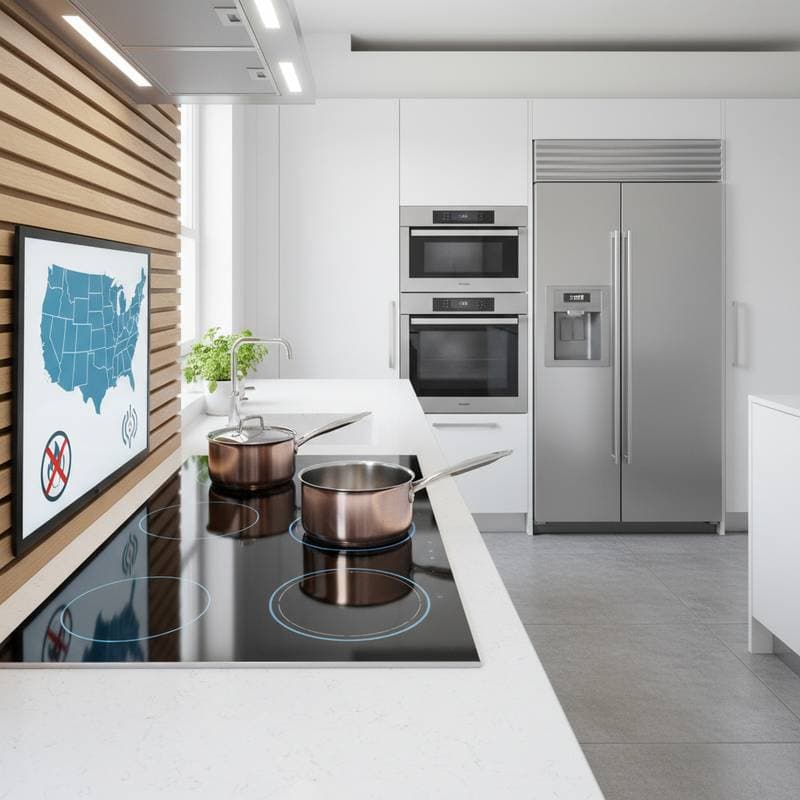
Recent regulations in twelve more states prohibit new gas connections for residential cooking appliances. This development accelerates the adoption of induction cooking, a method that offers enhanced efficiency, safety, and environmental benefits. Homeowners accustomed to gas ranges may view this change as disruptive, yet it presents an opportunity to upgrade to a superior technology that aligns with modern kitchen demands.
This article explores the implications of these restrictions, highlights the advantages of induction cooking, and provides practical guidance for a seamless transition. Readers will gain insights into selecting compatible equipment and optimizing their cooking experience.
Understanding Induction Cooking Technology
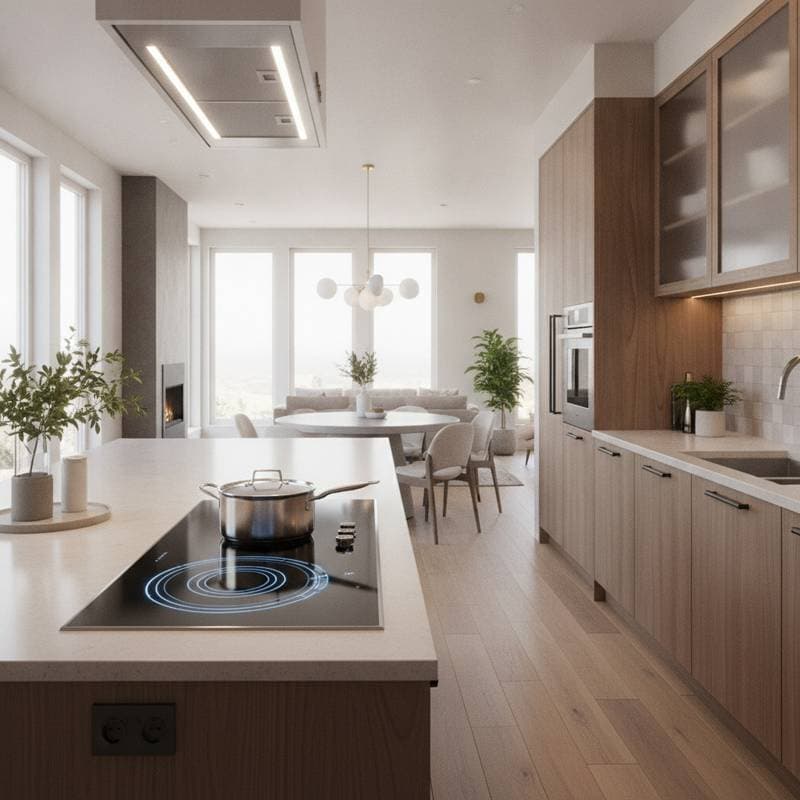
Induction cooking employs electromagnetic fields to generate heat directly within compatible cookware. Unlike gas or traditional electric systems, which heat the surrounding air or surface, induction targets the pot or pan itself. This process delivers precise control, rapid heating, and minimal energy loss.
Key Advantages of Induction Systems
1. Accelerated Cooking Performance: Induction surfaces bring water to a boil up to twice as quickly as gas counterparts. This efficiency suits households with demanding schedules, enabling shorter preparation times for everyday meals.
2. Improved Kitchen Comfort: Heat transfers solely to the cookware, leaving the cooktop surface relatively cool. In compact kitchens or regions with high temperatures, this feature reduces ambient warmth during extended cooking sessions.
3. Simplified Maintenance: The smooth glass-ceramic tops resist residue buildup. Cleaning requires only a soft cloth and mild cleaner, eliminating the need to navigate around grates or coils.
4. Enhanced Safety Measures: Activation occurs only in the presence of ferromagnetic cookware. Without open flames or gas lines, risks of burns, leaks, or unintended ignition diminish significantly. The system deactivates immediately upon removing the vessel.
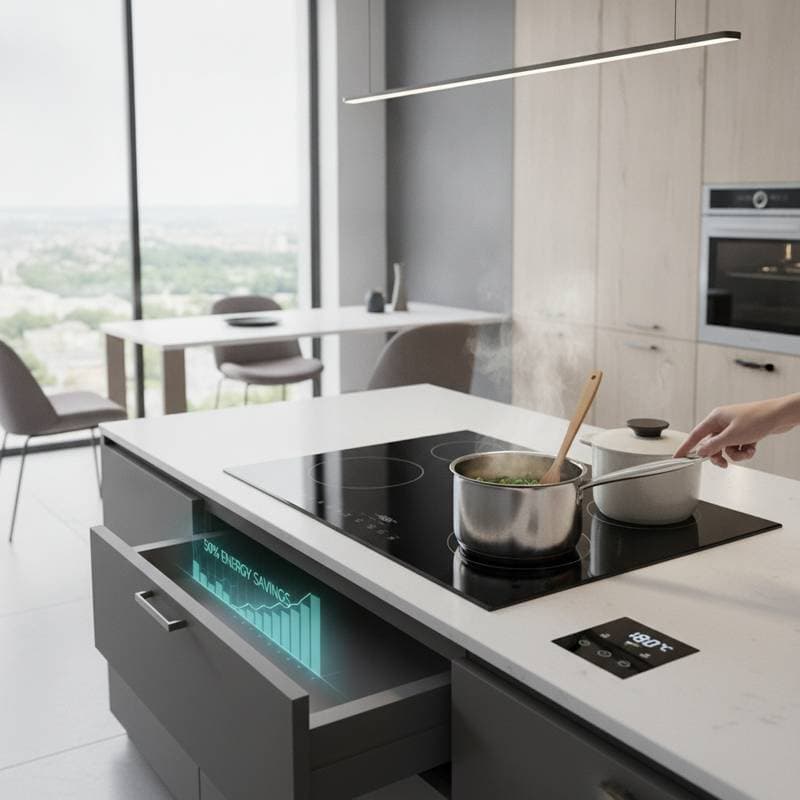
5. Superior Energy Utilization: Induction converts approximately 90 percent of electrical energy into usable heat, outperforming gas and conventional electric methods. This efficiency translates to reduced utility costs and a lower carbon footprint.
Steps for Transitioning from Gas to Induction
Converting an existing gas setup to induction involves straightforward preparations. Professional assistance ensures compliance with local codes and optimal performance. Follow these steps to facilitate the process.
-
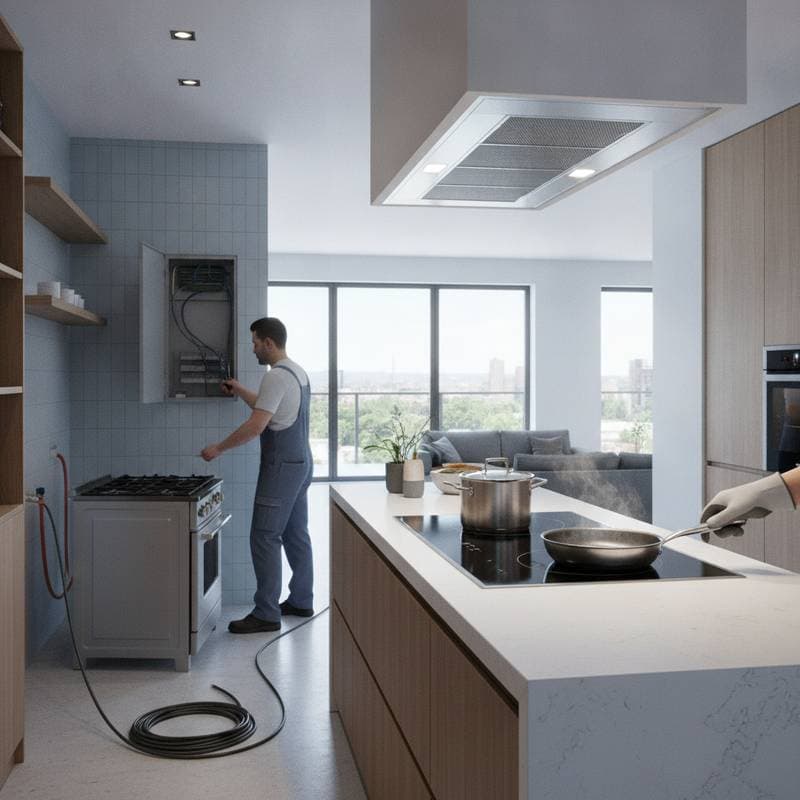
Assess Electrical Capacity: Induction appliances demand a 240-volt circuit with sufficient amperage, typically 40 to 50 amps for full-sized units. Engage a licensed electrician to evaluate your home's electrical panel and recommend any necessary upgrades, such as adding a subpanel if capacity is limited.
-
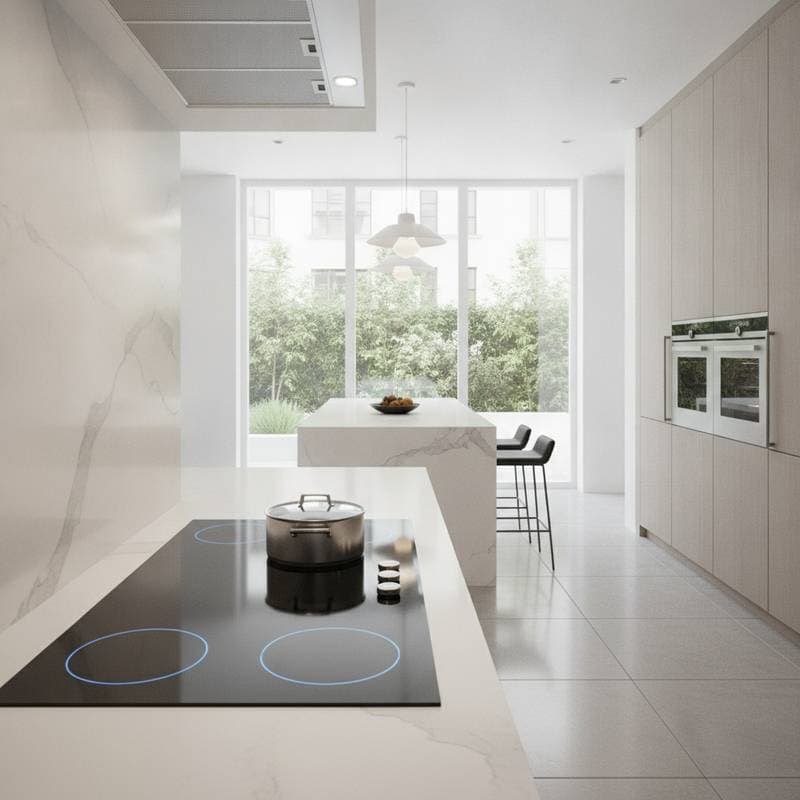
Evaluate Ventilation Needs: While induction produces less steam and odor than gas, effective exhaust remains essential for air quality. Opt for a downdraft ventilator integrated into the cooktop or an overhead range hood that complements your cabinetry design.
-
Measure for Installation Compatibility: Standard induction cooktops and ranges match the dimensions of most gas models, often 30 or 36 inches wide. Verify cutout sizes in your countertop; minor adjustments, like trimming laminate edges, may suffice for drop-in installations.
-
Verify Cookware Suitability: Only vessels with magnetic bases function on induction surfaces. Perform a magnet test: if a refrigerator magnet adheres to the bottom, the item is compatible. Suitable materials include cast iron, enameled cast iron, and carbon-core stainless steel. Non-compatible pieces, such as aluminum or copper, require replacement or adapters.
-
Handle Gas Line Deactivation: A certified plumber must cap and pressure-test the existing gas line to prevent hazards. Coordinate with your utility provider for disconnection services, and arrange recycling through appliance specialists to dispose of the old unit responsibly.
Insights from Professional Kitchen Design
Experience in television production underscores the dual importance of aesthetics and functionality in kitchen layouts. Sets must withstand intense lighting while supporting authentic culinary tasks. Induction technology excels in this balance, offering a pristine, reflective surface that enhances visual appeal without compromising utility.
In one project, a production team renovated an outdated kitchen within 48 hours for a homeowner seeking high-performance cooking minus gas dependencies. The installation of a mid-range induction range, combined with matte black cabinets and quartz countertops, yielded immediate results. The client appreciated the rapid boiling for pasta and the effortless cleanup before entertaining, demonstrating induction's role in creating versatile, photogenic spaces.
Addressing Prevalent Misconceptions
Induction Lacks the Visual Feedback of a Flame: Visibility does not equate to power. Induction provides immediate response to adjustments, channeling energy efficiently into the cookware for results that surpass gas in speed and precision.
Induction Demands Costly Cookware: Affordable options abound from reputable manufacturers. Sets from T-fal, Tramontina, and IKEA deliver durable, induction-ready performance starting under $100, making the switch accessible.
Induction Interfaces Are Overly Complex: Modern units feature user-friendly touch controls and automated features, such as boil-over detection and keep-warm settings. Initial familiarization yields confident operation, with precision rivaling professional tools.
Maximizing Your Induction Cooking Experience
After installation, induction elevates daily routines through responsive heat management. Delicate tasks like tempering chocolate or maintaining low simmers become reliable, while high-heat searing achieves restaurant-quality results.
To optimize performance:
- Maintain the cooktop with a dedicated cleaner and scraper tool to remove stubborn residues promptly.
- Lift rather than slide cookware to preserve the glass surface integrity.
- Incorporate induction-compatible accessories, such as diffusers for non-magnetic items, to broaden recipe versatility.
- Explore built-in timers and connectivity options in advanced models for streamlined meal planning.
This upgrade not only streamlines operations but also fosters a safer, more sustainable home environment. Homeowners report heightened satisfaction from the blend of innovation and simplicity.
Planning Your Kitchen Upgrade
Embark on your induction transition by consulting local incentives for energy-efficient appliances, which may offset initial costs. Select models from trusted brands like Bosch, GE, or Samsung, prioritizing features that match your cooking habits. With professional installation, your kitchen will evolve into an efficient, stylish hub ready for years of service.