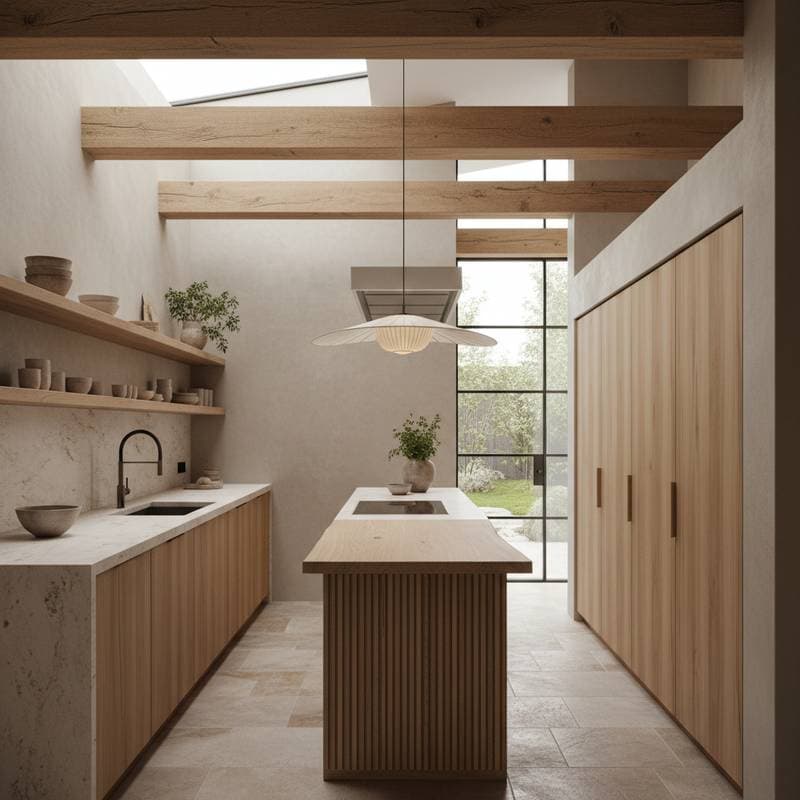
Japandi Wabi-Sabi Fusion: 2026 Kitchen Trends
The kitchen serves as more than a functional area for meal preparation. It embodies lifestyle choices, personal values, and social connections. The latest developments in kitchen design merge two philosophies that honor simplicity and imperfection. Japandi combines Scandinavian practicality with Japanese tranquility, while Wabi-Sabi embraces authenticity and transience. This integration produces kitchens that feel rooted, sensory, and deeply personal. The approach prioritizes enduring principles over fleeting styles, focusing on restraint, tactile elements, and inner peace.
10. The Beauty of Imperfect Balance
Balance forms the core of this design integration. Japandi provides clean lines and utility, complemented by Wabi-Sabi's acceptance of flaws and natural aging. The result offers a sensory-rich environment with gentle contrasts in smoothness versus roughness, illumination versus shade, and structure versus fluidity.
Designer Mika Tanaka of Studio Hikari characterizes it as the liberty for materials to evolve naturally. In her recent project, she pairs polished limestone surfaces with limewashed walls in Farrow & Ball’s Slipper Satin. These choices permit gradual patina development, yielding a subtle, narrative quality.
9. Neutral Palettes with Depth
Colors in the Japandi Wabi-Sabi kitchen avoid uniformity. Layers of warmth and subtle shifts create visual interest. Muted tones such as soft putty and mushroom shades adapt to changing light throughout the day.
Professionals select pigments inspired by soil and stone. Benjamin Moore’s Revere Pewter pairs with Dulux’s Natural White and Porter’s Paints French Wash in Greige. These selections harmonize with fabrics like linen, weaves such as rattan, and woods including hand-finished oak. The overall effect delivers tranquility with inherent vitality.
8. Organic Materials and Honest Craft
A defining trait of the 2026 kitchen involves commitment to genuine materials. Artisanship remains evident rather than concealed. Cabinet faces show maker's marks, ceramic pieces exhibit minor variations, and wood surfaces stay untreated to reveal their origins.
Architect Jonas Lindholm of Atelier Nord notes that flawless finishes can appear sterile. Leaving craftsmanship traces adds warmth to the space. His designs often feature European oak storage with custom zellige tiles and Vola’s blackened steel hardware. Texture interactions provide an authentic, inhabited feel absent in factory outputs.
7. Floating Shelves and Open Storage
Contemporary Japandi Wabi-Sabi kitchens minimize enclosed cabinets in favor of exposed shelving. Shelves made from elm or recycled teak display daily items as intentional elements. Handcrafted pottery or weathered vessels transform into focal points rather than disarray.
Positioned against limewashed or clay-based walls, these shelves generate delicate shadow patterns. Subtle LED integrations offer warm highlighting that accentuates surfaces without overwhelming. This method achieves storage that blends poetry with practicality.
6. Stone, Clay, and Metal Harmony
Material combinations in this style emphasize cohesion over stark differences. Selections highlight understated interactions among elements. Soapstone tops align with brushed brass hardware, and clay-inspired porcelain floors meet oiled timber.
Kubo Interiors unveiled a design using Neolith’s Abu Dhabi White stone alongside a bespoke bronze backsplash with patina. The limited color range elevates surface qualities. All components integrate into a unified, organic whole.
5. The Return of the Handmade Tile
Artisanal tiles anchor this stylistic resurgence. Their uneven borders and color inconsistencies capture Wabi-Sabi essence. Installations treat them as foundational elements rather than ornaments.
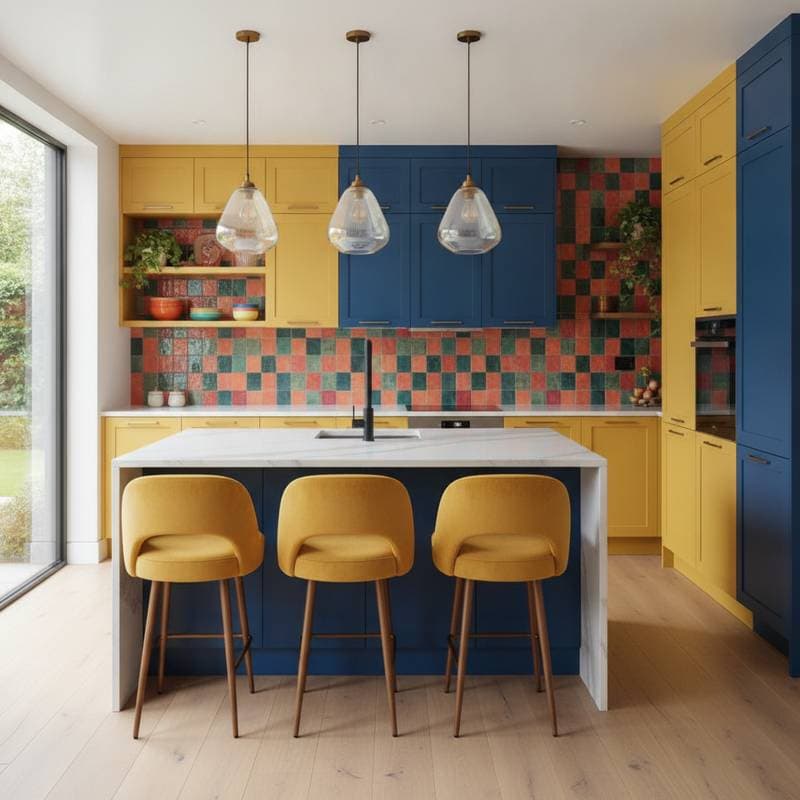
Zia Tile’s Moroccan Zellige and Heath Ceramics’ Classic Field Tile form dynamic backsplashes that reflect light variably. Minimalist hardware enhances their impact. Offset or stacked layouts introduce subtle cadence without excess.
4. Integrated Nature and Indoor Calm
Japandi Wabi-Sabi kitchens dissolve boundaries between indoors and outdoors. Expansive wood-framed openings, built-in herb planters, and continuous stone flooring link to patios. This extension promotes harmony with the environment.
Such ties encourage mindful practices. Foliage including Japanese maple, rosemary, and olive branches flourishes here. Their forms temper the lines of built features. Landscape architect Sofia Ito of Verdura Studio observes that incorporating nature turns cooking into a deliberate act.
3. Textural Lighting and Ambient Warmth
Illumination follows a restrained, immersive approach. Layered sources highlight material nuances instead of harsh top lighting. Pendants from folded paper or rattan weaves project diffused patterns, and hidden LEDs provide even wall coverage.
Menu’s Hashira Pendant and Ay Illuminate’s Z1 Cotton Lamp earn frequent use for their elegant forms. The glow mimics natural diffusion through traditional screens. These pieces function as both tools and artistic contributors to spatial flow.
2. Subtle Technology Integration
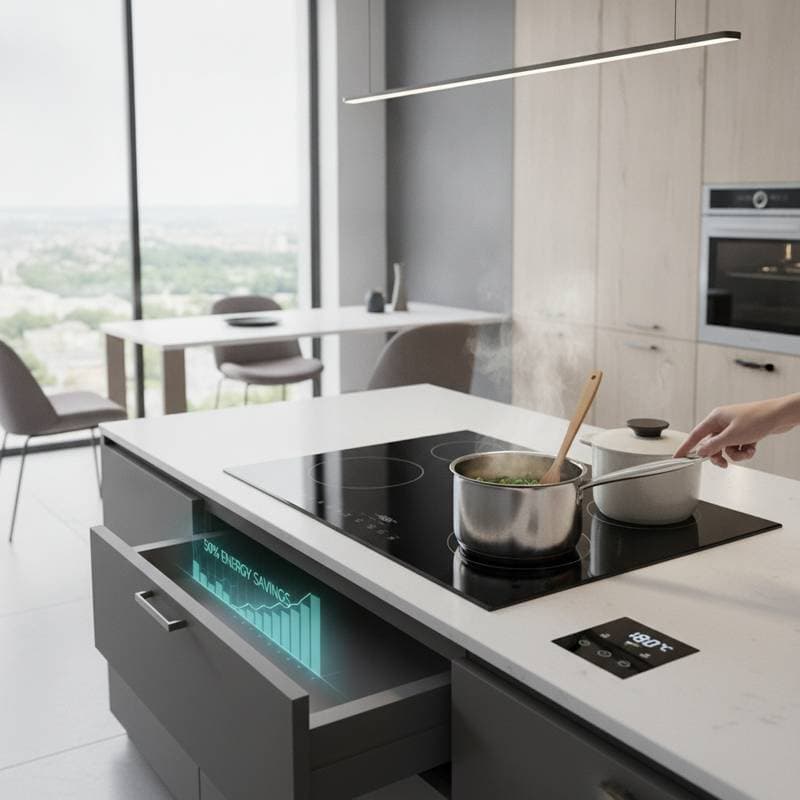
Timeless aesthetics coexist with contemporary efficiency. The key involves concealment. Devices embed within joinery, and controls hide behind organic facades.
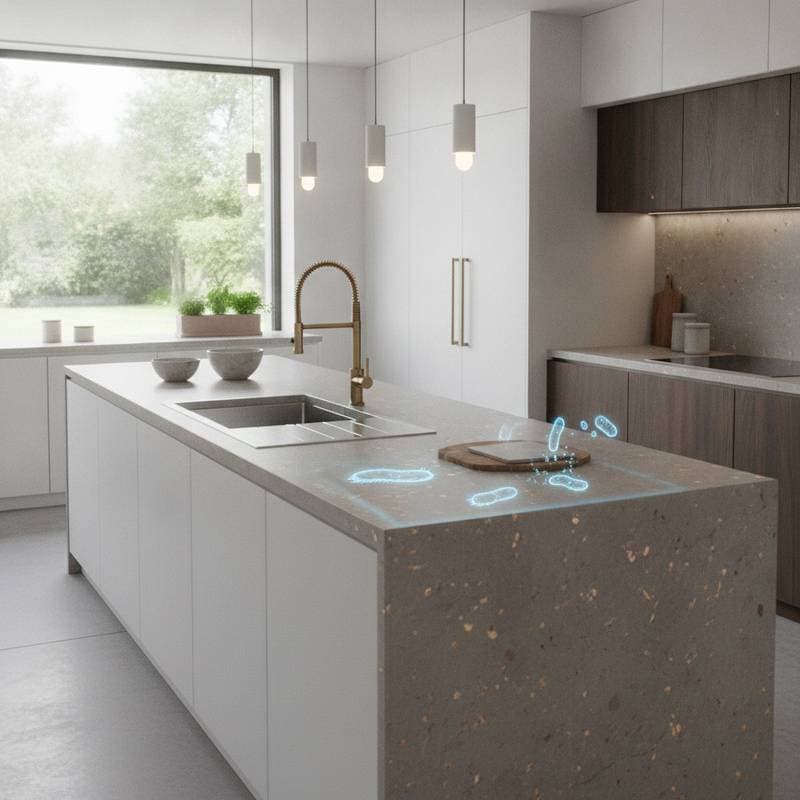
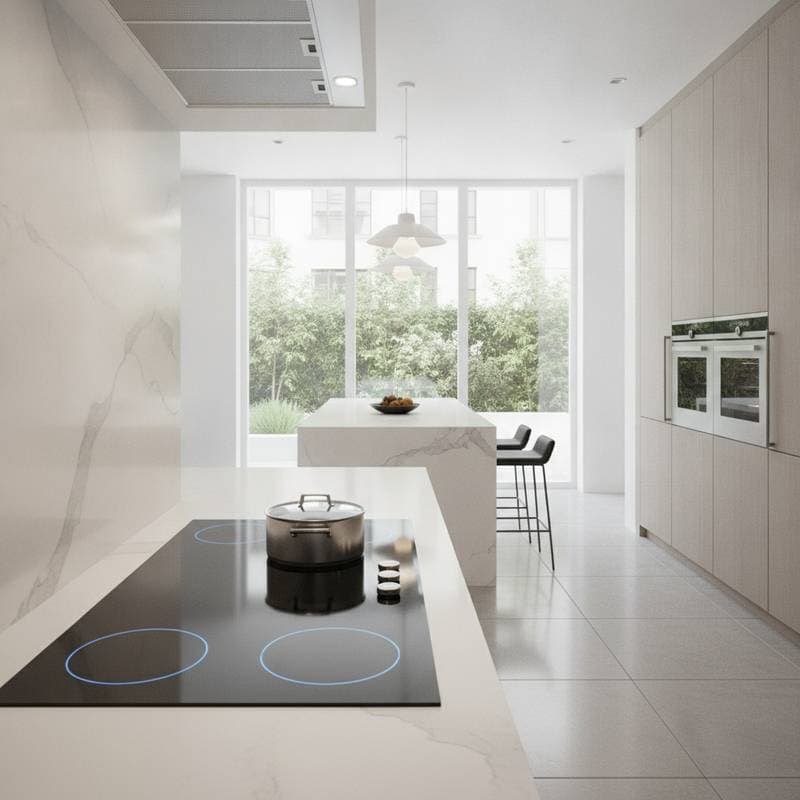
Induction surfaces vanish under Dekton slabs, while Blum’s responsive drawers preserve clean profiles. This setup upholds Wabi-Sabi's principle of quiet service. Precision meets composure in a space that feels eternal.
1. Emotional Connection and Longevity
The deepest aspect transcends appearance to touch sentiment. Prioritization falls on durability rather than trends. Selections anticipate aging gracefully. Metals mellow, stones mark use, and timbers soften with handling.
Interior designer Hannah Okada of Okada & Co. asserts that a kitchen ought to chronicle its inhabitants' experiences. Her works include custom pieces from salvaged wood treated with natural oils. These evolve unique traits over years, fostering narrative depth.
Sustaining Your Kitchen's Evolution
Adopting this philosophy recognizes that kitchens develop continuously through interaction and seasons. Marks from utensils, adjustments in wood, or color softening all enrich the narrative.
To preserve balance:
- Select breathable treatments like tung oil, beeswax, or mineral coatings.
- Embrace signs of use as markers of routine.
- Build layers of texture judiciously, mixing polished clay with coarse fabric or dull stone.
- Allow natural light to flow with sheer coverings or screens.
- Ensure every element serves a clear role.
These practices yield spaces anchored in truth, free from transient pressures.
Infusing Personal Narrative
Authenticity emerges through individual adaptation. Interpretations vary, some favoring Nordic brightness, others Eastern restraint. Success arises from alignment with actual habits over imitation.
Incorporate family pottery, woven cloths, or regional tools. Such additions weave personal history into the design. A generational oak surface can ground the area, bridging eras seamlessly.
Thus, the kitchen manifests principles in action, valuing nuance, endurance, and imperfection's grace.
Cultivating Lasting Serenity
This kitchen style represents a progression in home living, promoting composure, integrity, and awareness at the domestic core. Natural elements, gentle hues, and skilled workmanship rebuild stability amid contemporary demands.
As design advances, the blend underscores that true elegance stems from interplay among environment, substance, and duration. Kitchens emerge as vital, maturing realms that enrich existence.