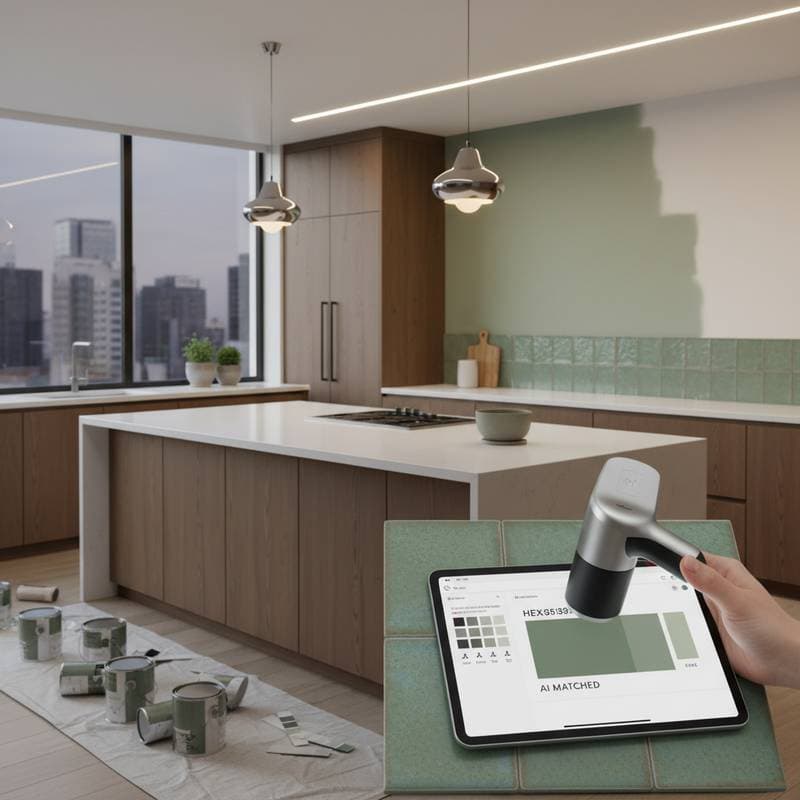
Scan Any Color, Paint Your Kitchen Flawlessly in 2026
Homeowners often underestimate the challenges of color matching when repainting kitchens. A subtle gray from a fabric swatch or a teal from a vintage dish may inspire excitement, yet the result on walls frequently disappoints. As a contractor with years of experience in kitchen painting and remodeling, the author observes clients wasting hundreds on test cans due to frustration. Modern color scanning technology revolutionizes this process by enabling precise matches from any surface, making it an essential tool for effective kitchen updates.
This article details the mechanics of digital color scanners, essential knowledge for homeowners, and strategies for achieving flawless results under kitchen lighting. It also covers frequent errors with scanning tools and methods to sidestep them.
How Digital Color Scanning Works
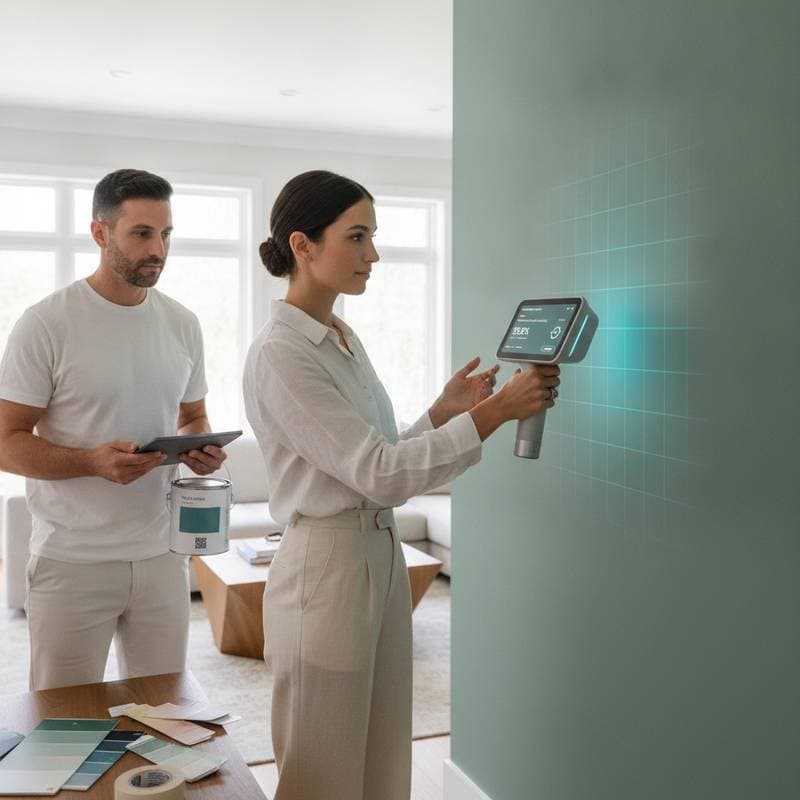
Digital color scanners employ light sensors to analyze reflected wavelengths from surfaces. The device then cross-references this data against a database of established paint formulas, yielding a mixable recipe compatible with major brands.
The practical process unfolds as follows:
-
Surface Preparation
Clean and flatten the scanned area. Dust, grease, or glare distorts readings and compromises accuracy. -
Device Calibration
Calibrate the scanner for precision, typically by scanning an included white reference card. -
Color Capture
The device projects light, measures reflections, and logs exact color coordinates for hue, saturation, and brightness. -
Formula Generation
Software converts coordinates into a paint code, either matching an existing palette or devising a custom blend. -
Paint Mixing
Retail staff utilize the formula to prepare paint with exceptional fidelity.
High-end scanners deliver remarkable accuracy in the author's projects, yet professional guidance remains vital. Textured surfaces, varying sheens, or inconsistent lighting can mislead sensors, so multiple scans from diverse angles followed by averaged results prove indispensable before procurement.
Selecting the Appropriate Color Scanner
Options range from handheld consumer devices to professional units or in-store services. Evaluate required precision to guide selection.
-
Consumer Handheld Scanners
Portable and budget-friendly, these pair with mobile apps for inspiration. They suit casual use but may deviate by several percentage points, potentially evident on expansive areas. -
Professional Scanners
Costlier yet superior in reliability, these capture multifaceted data and adjust for lighting variances. -
In-Store Scanning Services
Retailers frequently provide complimentary scans; bring samples like cabinet fragments or fabrics for formula creation.
In client work, the author verifies samples under warm and cool lights prior to commitment. Colors must endure the kitchen's full spectrum, beyond isolated illumination.
Aligning Paint with Actual Surfaces
Scanning alone does not guarantee seamless application; multiple variables influence final appearance.
Surface Finish Variations
Satin reflects light unlike matte or gloss. A scan from glossy tile applied in matte paint appears subdued; matching sheens mitigates this discrepancy.
Lighting Dynamics
Daylight shifts and fixture types alter perceptions. Apply a wall sample and monitor it across 24 hours under varied conditions before proceeding.
Base Wall Influences
Over dark or vivid undercoats, select primers carefully. Inadequate bases shift emerging tones unexpectedly.
Textural Impacts
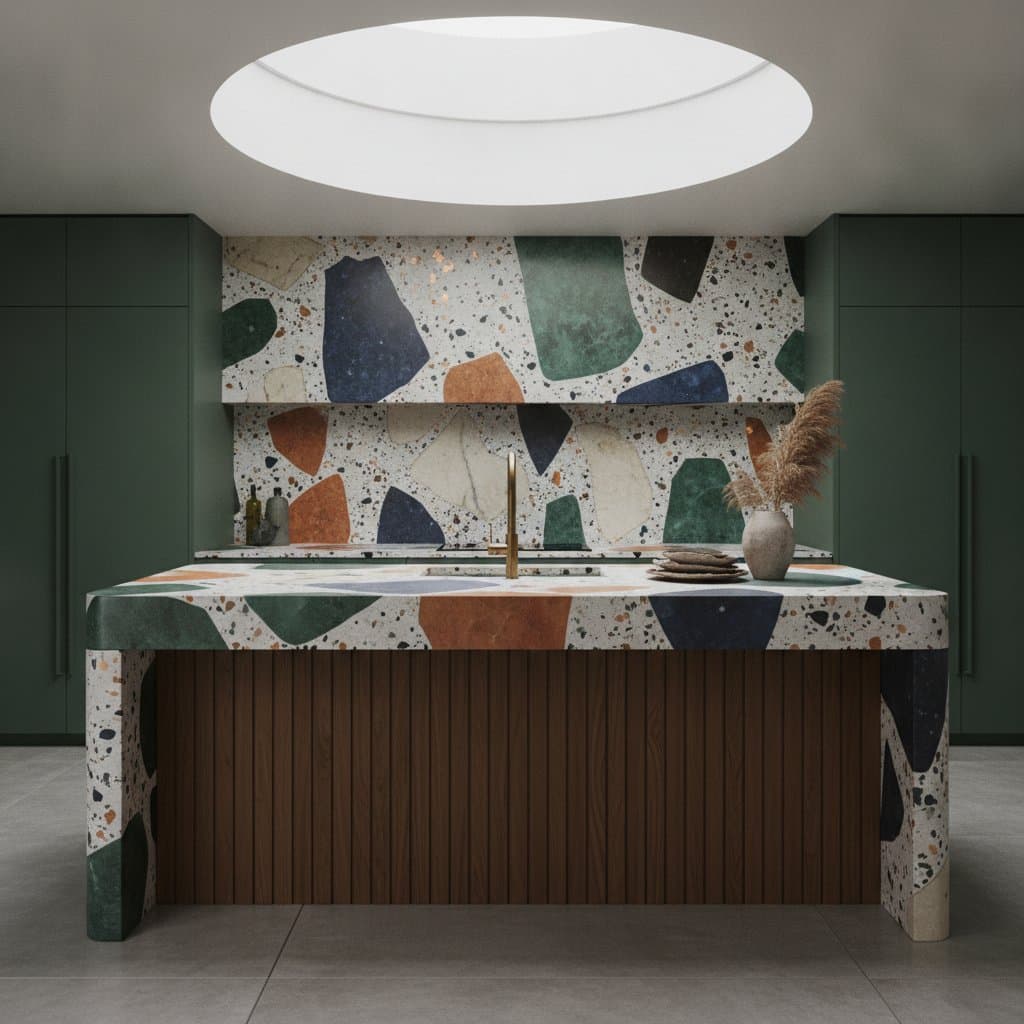
Materials like wood, stone, or fabric introduce depth absent in flat paint. Identical pigments may thus render subtly distinct post-application.
Brand-Specific Formulas
Manufacturers employ unique bases; a color from one may mismatch another. Consistency across the project preserves uniformity.
Professionals mitigate these by on-site testing of modest batches, supplementing digital outputs.
Advancements in AI-Enhanced Color Matching
Contemporary scanners integrate artificial intelligence to refine precision through adaptive learning. Systems log factors such as ambient light and gloss, auto-correcting formulas accordingly. The author employs tools storing vast profiles, facilitating cohesive multi-room palettes.
AI simulations forecast applied appearances, factoring in lighting and texture for preemptive visualization. This empowers homeowners with assurance, curbing errors, while contractors streamline timelines by minimizing iterative samples.
Avoiding Typical Color Matching Pitfalls
Advanced tools demand diligent preparation to yield success. Rushed or unverified steps precipitate most kitchen project setbacks.
-
Scanning Contaminated or Reflective Surfaces
Grease on backsplashes or cabinet shine skews data; cleanse meticulously beforehand. -
Overlooking Illumination Changes
Single-light scans mislead; capture readings in daylight and artificial settings. -
Omitting Sample Labels
Clearly mark tests amid multiple hues to prevent mixing errors. -
Bypassing Wall Trials
Validate scans with dried patches on actual surfaces. -
Neglecting Sheen Specifications
Designate matte, eggshell, satin, or semi-gloss; formulas vary visually by finish. -
Brand Inconsistencies
Adhere to one line; pigment subtleties across makers disrupt harmony.
Adhering to these safeguards averts delays and repainting expenses.
Emerging Color Trends in Kitchen Design
Technology supports execution, but aesthetics drive choices. Natural tones blending warmth and hygiene prevail, including soft greens, subdued blues, and warm grays. These harmonize with wood and stone, fostering serene, enduring spaces.
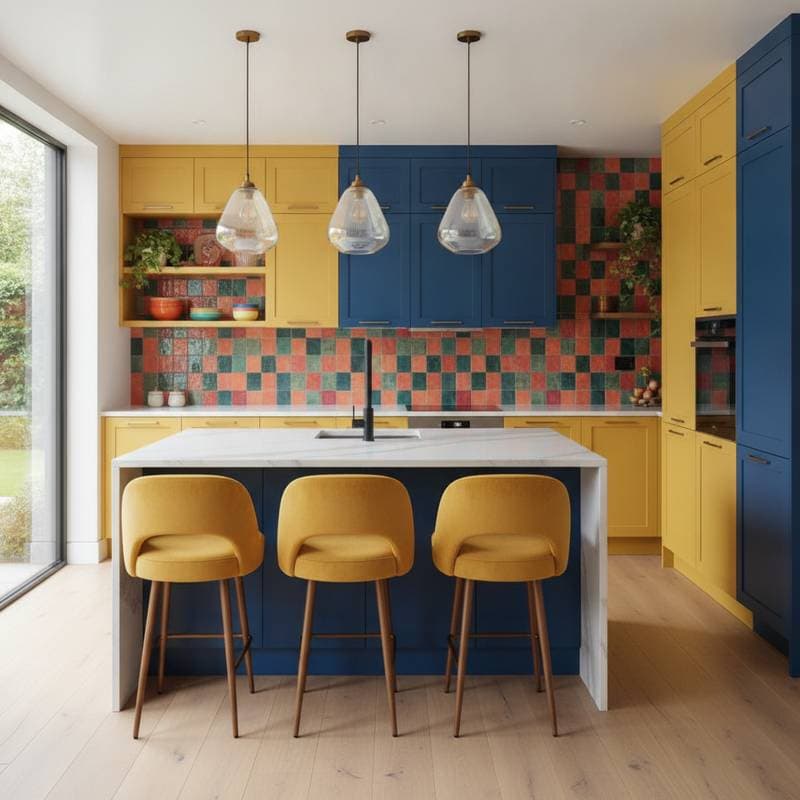
Two-tone cabinetry gains traction, with deeper lowers contrasting lighter uppers. Scanners extract precise complements from countertops or backsplashes.
Subtle accent walls resurface within unified families. Scans from accessories like bowls or tiles spark these refinements.
Such tools translate personal inspirations into expert outcomes.
Expert Strategies for Superior Kitchen Painting
Color alignment precedes execution; meticulous prep and technique secure longevity amid kitchen rigors.
-
Thorough Surface Prep
Degrease with mild solutions; lightly sand to promote primer adhesion. -
Strategic Priming
Opt for stain-blockers near cooking zones to neutralize bases and reveal true hues. -
Stable Conditions
Maintain consistent temperature and humidity to prevent drying anomalies. -
Quality Tools
Employ premium brushes and rollers to avoid streaks impacting light reflection. -
Dual Coats Minimum
First seals, second actualizes color depth. -
Final Illumination Review
Post-drying, assess under all lights; tweak fixtures as needed.
Impeccable matching demands commensurate application finesse.
Sustaining Your Kitchen Color Investment
Preserve vibrancy through routine care. Wipe walls with gentle, non-abrasive cleaners to counter grease and splatters. Avoid harsh chemicals that fade pigments over time.
Annual inspections reveal touch-up needs, especially near high-traffic zones. Refresh with matched samples from original scans to uphold uniformity.
Strategic maintenance extends the life of your 2026 kitchen transformation, ensuring colors remain as vibrant as the day of application.