Reconfigure Kitchen Cabinets for Ultimate Flexibility
Prepare to enhance your kitchen's efficiency and adaptability. Reconfiguring cabinets allows the space to align with your daily routines, whether in a compact apartment or a large family residence. Modular systems provide options across various budgets, enabling a tailored approach to storage and design.
The Advantages of Modular Cabinet Systems
Modular cabinets introduce adaptability by permitting rearrangements as requirements evolve. These systems avoid rigid layouts, allowing users to relocate, exchange, or reconstruct storage configurations at any time.
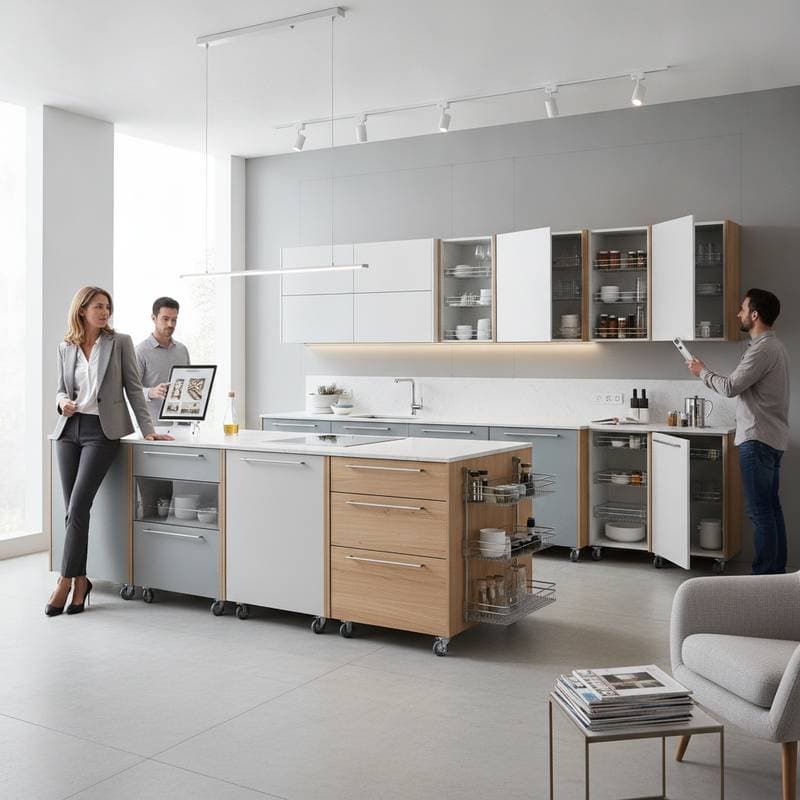
Begin with individual base cabinets and expand gradually, or install a comprehensive reconfigurable storage wall. This approach ensures the kitchen remains relevant over time. Professional designs often demonstrate how such flexibility supports quick adjustments without extensive renovations.
Establish a Sturdy Base
A reliable modular system relies on durable cabinet boxes. For budget-conscious projects, select ready-to-assemble units from retailers, priced between $80 and $200 per piece based on dimensions and material.
For greater investment, choose semi-custom options with replaceable drawer and door fronts, achieving a premium appearance at a moderate cost. Carpenters frequently construct basic plywood boxes enhanced with paint, wallpaper, or peel-and-stick veneer. Maintain uniform dimensions across pieces to facilitate future repositioning.
Practical Configuration Strategies
Customization transforms standard cabinets into personalized storage solutions that reflect cooking and living habits.
Floating Base Units
Secure base cabinets to furniture legs rather than toe kicks for a contemporary, elevated look that simplifies cleaning. This method supports individual cabinet replacements with ease.
Integrated Open Shelving
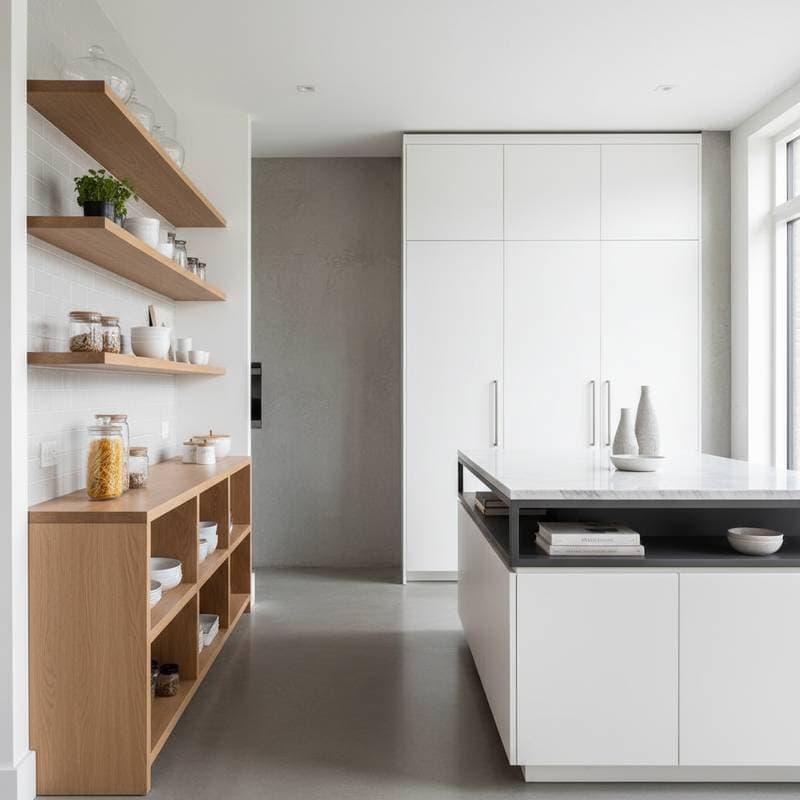
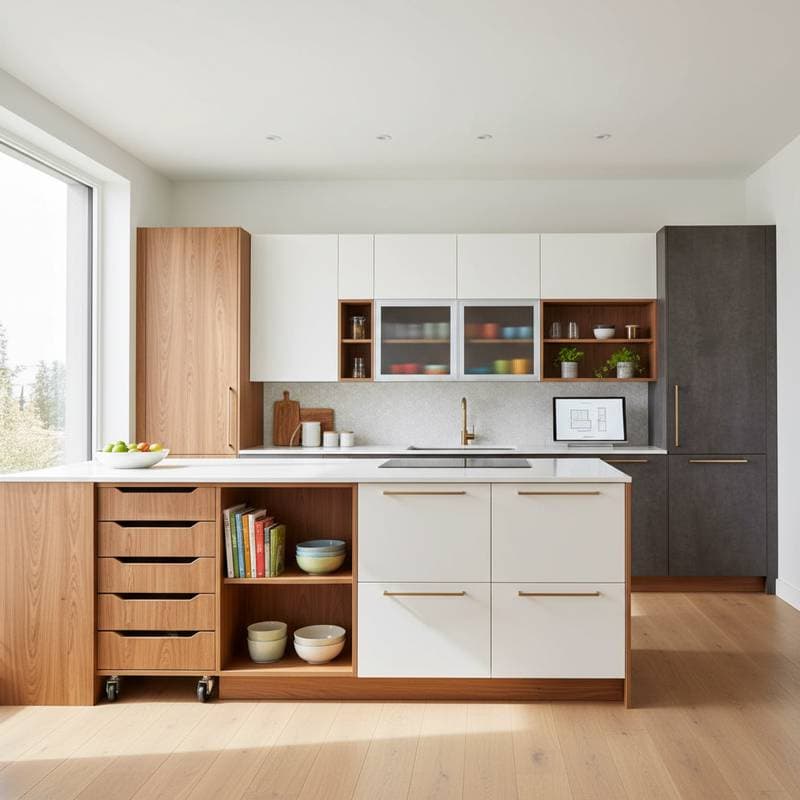
Substitute select upper cabinets with open shelves to expand perceived space and display items such as dishes or cookbooks. Employ adjustable brackets to modify shelf heights as needed.
Efficient Pull-Out Features
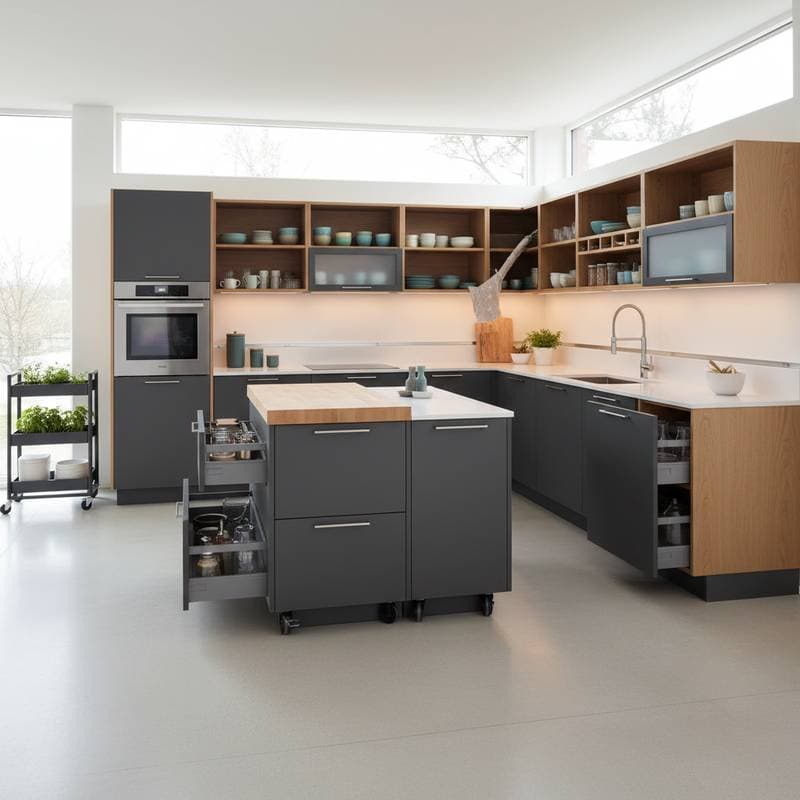
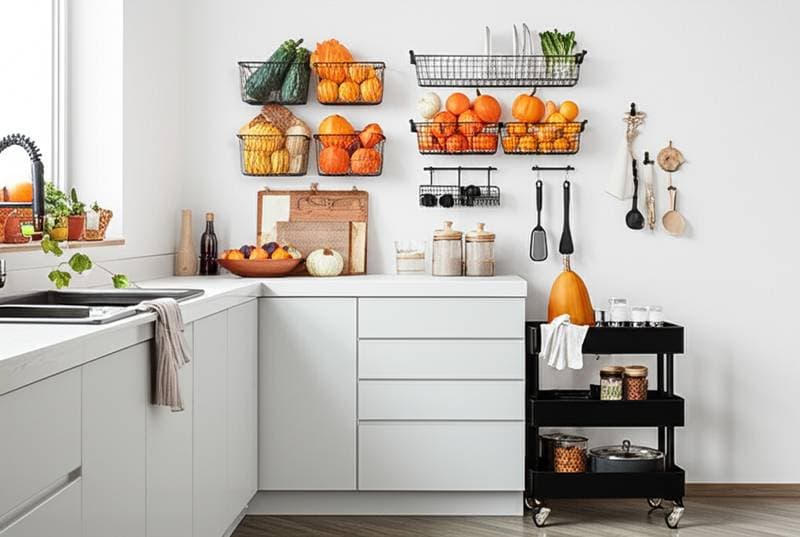
Incorporate pull-out baskets or sliding trays in lower cabinets to optimize access. These additions, costing $30 to $100 apiece, significantly increase storage capacity. Renters may prefer detachable wire baskets as an economical substitute.
Varied Finish Combinations
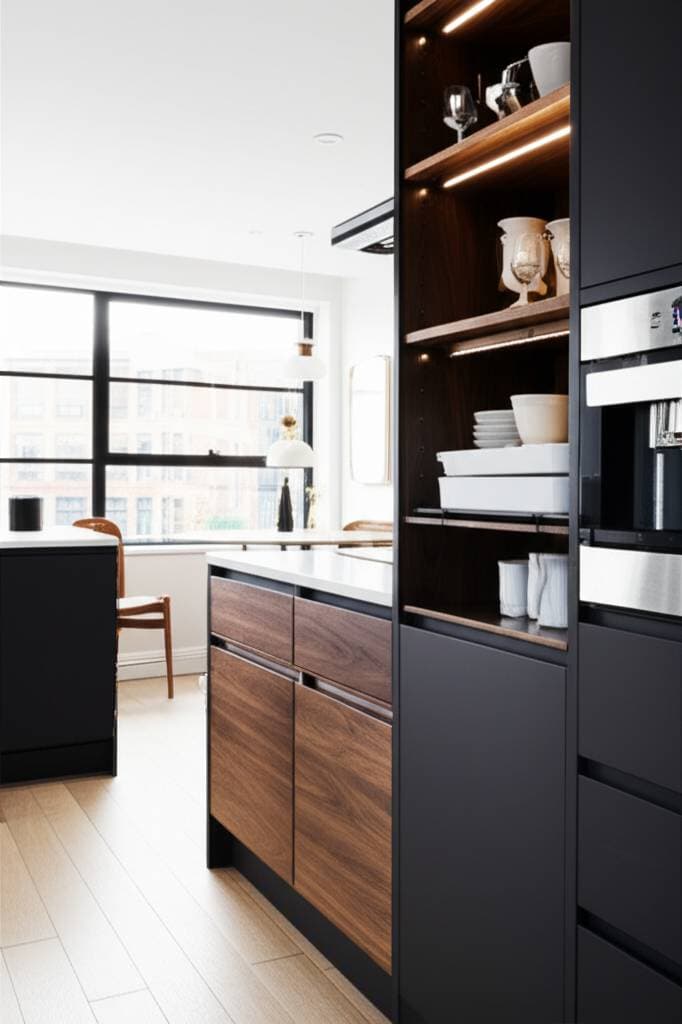
Pair painted surfaces with natural wood tones or complementary colors for visual interest. Modular designs simplify experimentation; replace doors alone to update aesthetics. One effective update involves shifting from deep navy to subtle sage green doors for a refreshed appearance.
Accessible DIY Modifications
Achieve sophisticated results through straightforward, cost-effective adjustments. These techniques suit various skill levels and emphasize reversibility.
- Attach caster wheels to an island cabinet for mobility during meal preparation or gatherings.
- Fit pegboard panels inside doors to organize utensils and lids, reducing countertop clutter.
- Mount magnetic strips inside cabinet doors to store knives securely and save space.
- Upgrade fixed shelves to adjustable versions using shelf pin kits available at hardware stores for minimal expense.
Such enhancements prove ideal for renters and remain within tight budgets.
Innovative Hidden Storage Solutions
Effective flexibility incorporates concealed features that address everyday needs. Designate specific areas for frequently used items to maintain order.
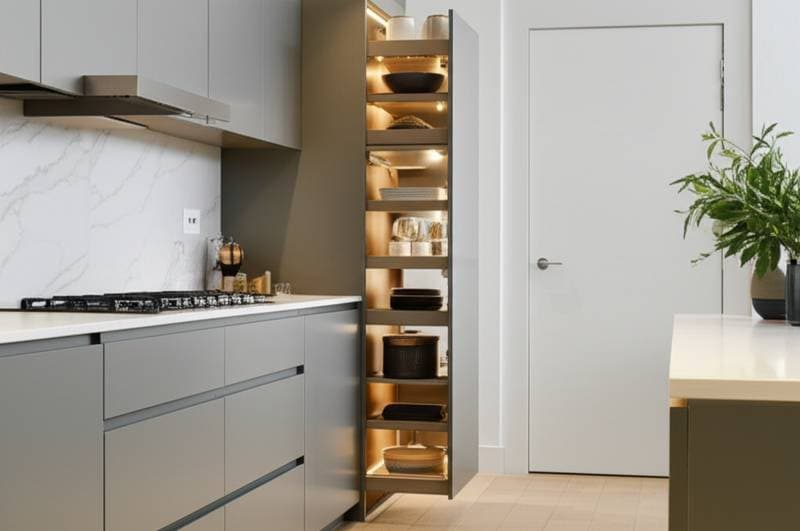
Incorporate shallow pull-out drawers behind decorative panels for items like cutting boards or small appliances. Install tilt-out trays near the sink for cleaning supplies. Utilize cabinet sides for hanging rails or slim spice racks to maximize vertical space.
Integrate Future-Ready Functionality
Anticipate shifts in technology and habits by selecting systems that accommodate updates. Prioritize designs with accessible wiring and plumbing for seamless additions.
Position a freestanding coffee station near existing outlets for convenience. Opt for expandable pantry towers that grow with additional shelving. In compact kitchens, reserve space in base cabinets for future appliances, such as a wine fridge, allowing integration without structural changes.
Budget Considerations for Modular Upgrades
Tailor the project to financial constraints while prioritizing adaptability.
- Entry-Level ($100 to $400): Repaint current cabinets, update hardware, and install adjustable shelves. Apply peel-and-stick films for surface renewal.
- Intermediate ($500 to $1,200): Introduce modular base units or floating shelves, plus one or two pull-out inserts.
- Premium ($1,500 and above): Implement a complete modular system with swappable elements, custom inserts, and diverse finishes.
Each tier contributes to long-term flexibility, with opportunities for incremental improvements.
Adapt and Evolve with Your Kitchen
Modular cabinets enable the kitchen to respond to life changes, such as family growth or new hobbies. Rearrange zones or refresh elements to sustain functionality and style.
Store spare panels and hardware for quick updates, like repainting or handle replacements. This ongoing adaptability ensures the space remains practical and inspiring.
Execute Your Modular Kitchen Transformation
Reconfiguring cabinets fosters a dynamic environment that supports daily creativity and efficiency. Select components that align with your vision, from basic assemblies to bespoke solutions, to create a kitchen that truly serves your needs.