Open vs Closed: Mastering Kitchen Storage Choices
Homeowners often face challenges when selecting between open shelving and closed cabinetry during kitchen remodeling. This choice impacts layout, daily maintenance, and potential resale value. Both alternatives enhance appearance, yet they accommodate distinct lifestyles. A thorough evaluation of trade-offs prior to finalizing plans prevents future dissatisfaction, disorganization, and unnecessary expenditures.
The Hidden Costs of the Wrong Choice
Many individuals prioritize aesthetics over practicality, leading to regrettable outcomes. Open shelving captures attention in photographs, but it quickly descends into disorder without consistent habits aligned to it. Closed cabinets conceal mess and shield items from kitchen hazards like grease, although improper implementation can render the area oppressive or dated.
Incorrect selections result in perpetual cleaning demands, inefficient space utilization, and deterioration of surfaces. Consider a scenario where open shelving in a high-traffic family kitchen accumulated grease residue on all exposed dishware, prompting a full replacement. The owner appreciated the initial style but disliked the rigorous maintenance. Conversely, a client who opted for entirely closed cabinets experienced diminished natural light and openness, necessitating additional expenses to incorporate open elements for balance.
What Open Shelving Delivers
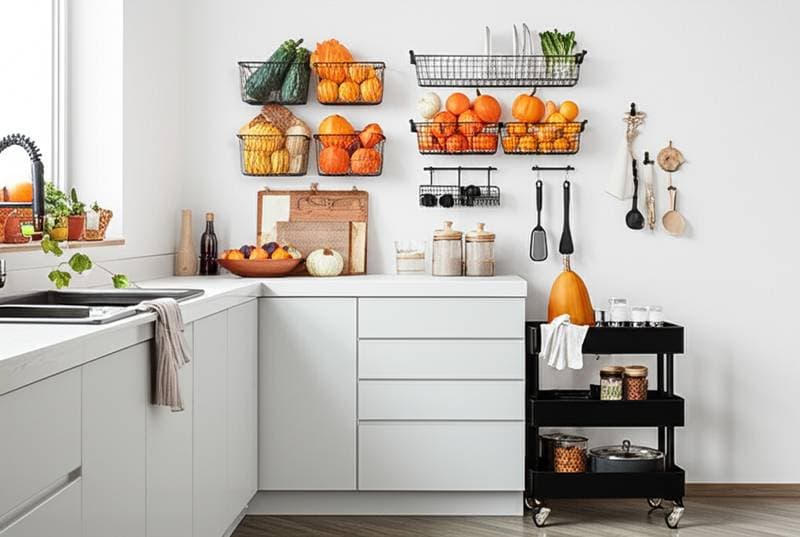
Strategic application of open shelving proves most effective. It fosters a relaxed, welcoming ambiance and expands the perceived size of compact kitchens. Success hinges on restraint and regular care.
Benefits of open shelving:
- Visual expansion: Absence of enclosing cabinetry makes walls seem recessed, promoting spaciousness.
- Convenient access: Frequently used items such as plates and mugs remain at arm's reach without doors to open.
- Personal expression: Shelves accommodate decorative items like artisanal pottery, greenery, or culinary books to reflect individual taste.
- Budget efficiency: Materials for shelving and installation typically cost less than bespoke cabinet systems.
Drawbacks to plan for:
- Accumulation of dust and grease: Exposed surfaces demand wiping down several times weekly, especially in cooking-heavy zones.
- Storage limitations: Bulky or unsightly objects require alternative concealed spots to maintain aesthetics.
- Ongoing organization: Items must align purposefully; otherwise, the setup appears haphazard.
Select robust woods or metals with secure mounting hardware for open shelving. Position them away from heat sources like ranges or steam-generating appliances to minimize wear. In practice, integrate open shelves over beverage stations or cutting areas, where contents turnover frequently and retain a polished appearance.
The Strengths of Closed Cabinetry
Closed cabinets endure in popularity due to their reliability. They safeguard contents against airborne particles and moisture while preserving a tidy exterior in active households. Thoughtful configuration maximizes storage without compromising room proportions.
Advantages of closed cabinets:
- Safeguarding contents: Enclosed spaces preserve cleanliness of cookware, provisions, and gadgets over extended periods.
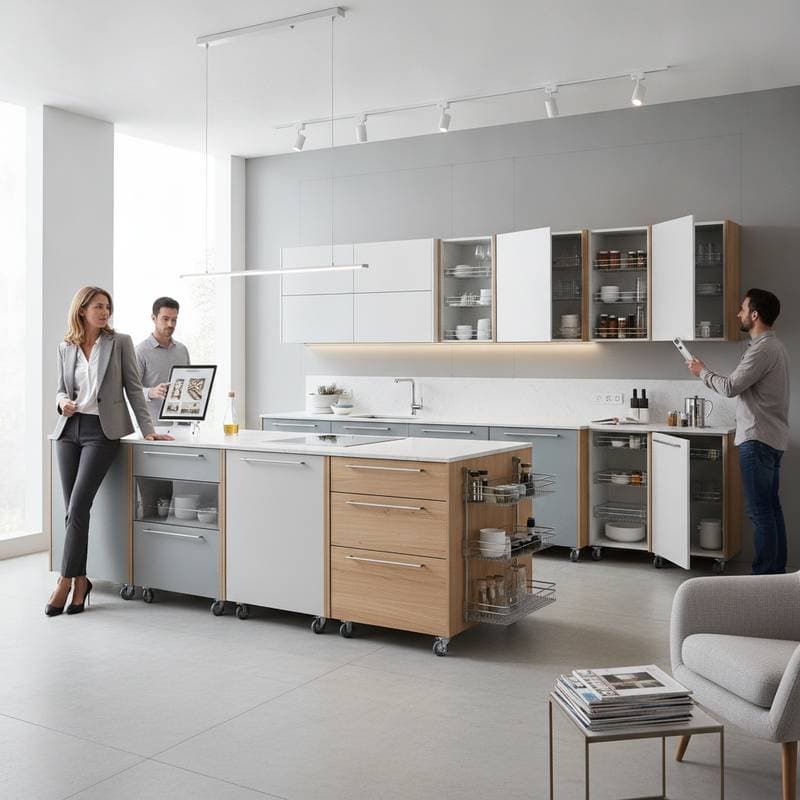
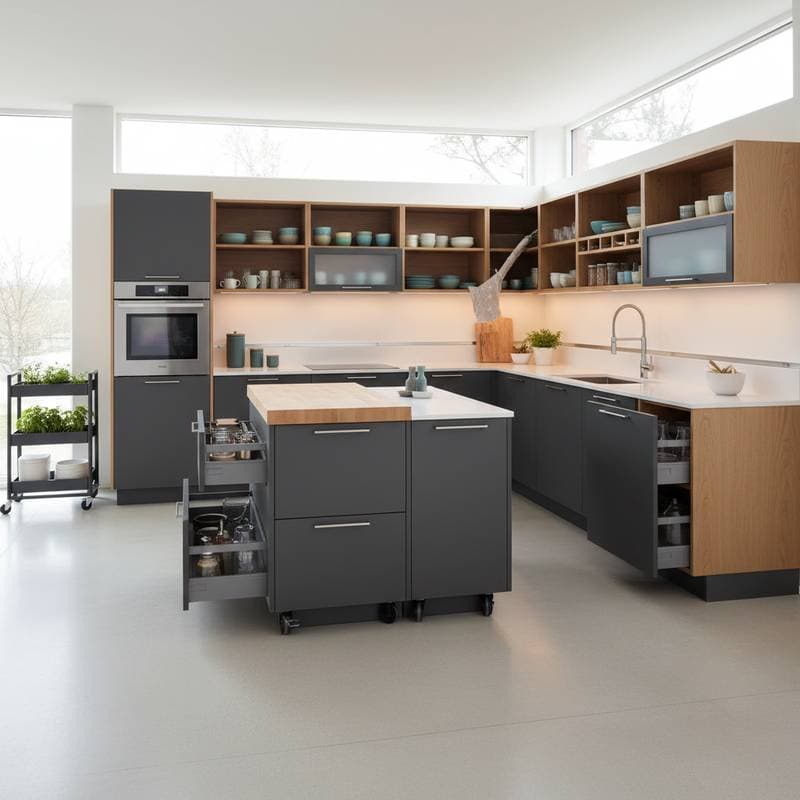
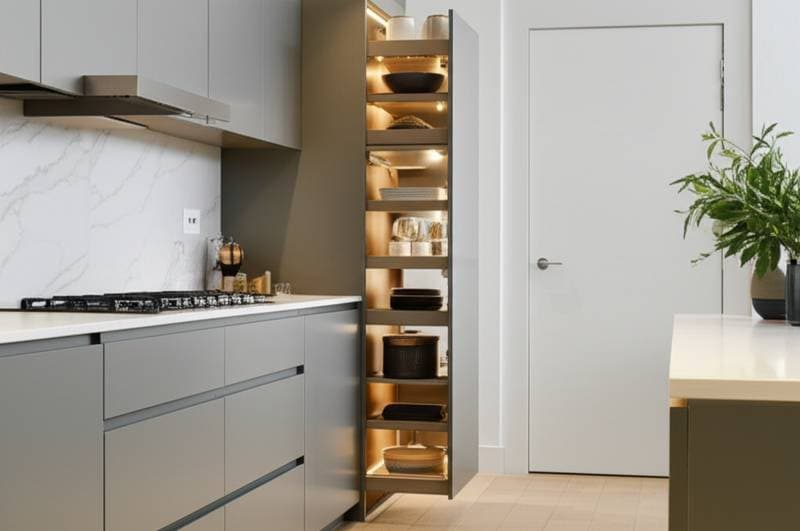
- Enhanced organization: Internal features such as sliding shelves, segmented drawers, and adjustable partitions optimize inventory management.
- Sustained market value: Prospective buyers favor comprehensive cabinetry, bolstering property appeal upon sale.
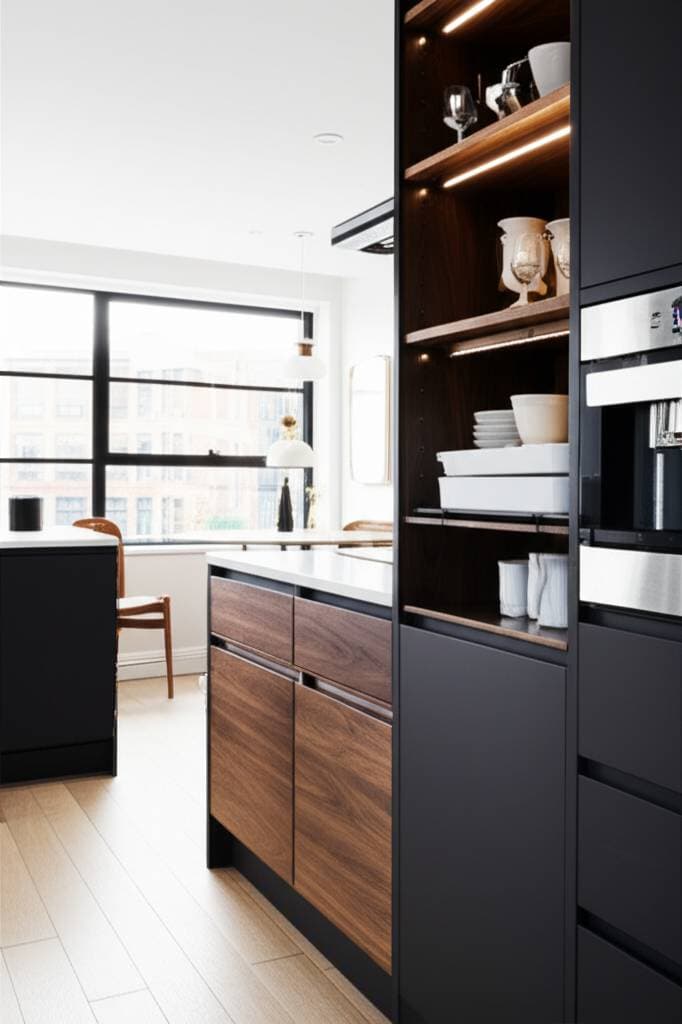
- Tailored enhancements: Options include coordinated veneers, integrated illumination, and mechanisms for silent closure to elevate refinement.
Challenges to consider:
- Higher expense: Premium cabinetry often represents a substantial budget allocation in kitchen projects.
- Spatial dominance: Expansive or somber-toned units may constrict the feel of modest areas.
- Retrieval effort: Contents in recessed areas require bending or tools like extenders for full access.
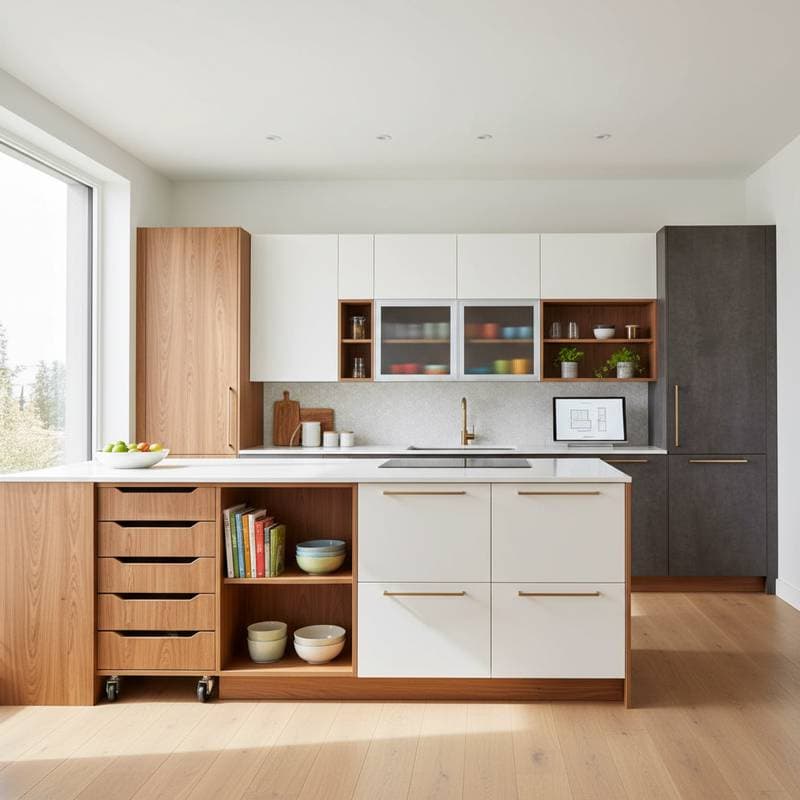
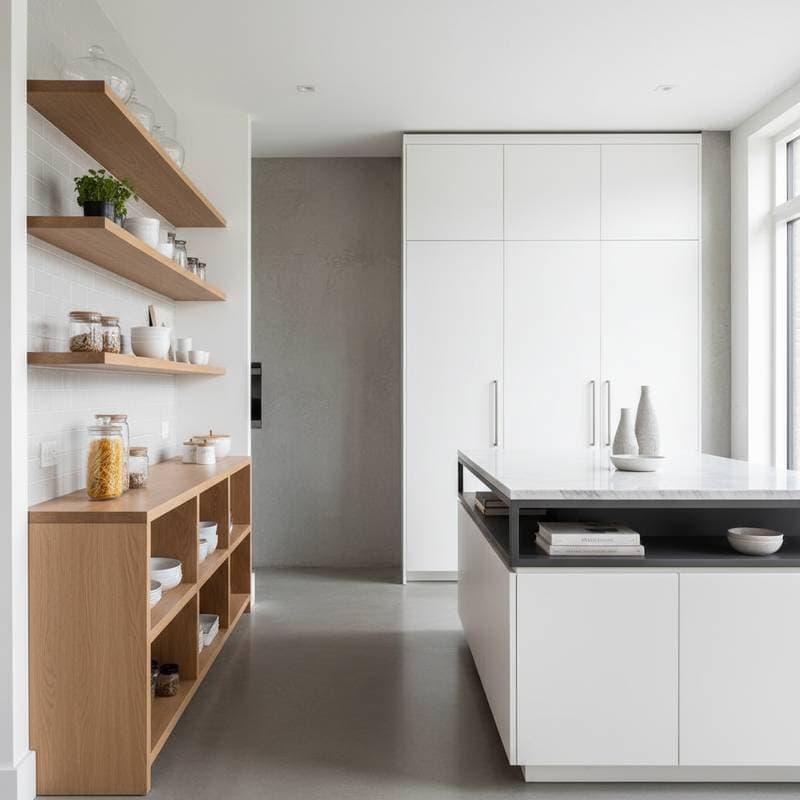
During cabinet planning, incorporate a blend of enclosed uppers with select open integrations. Such hybrids sustain utility while introducing layers and visual interest.
Finding the Right Balance
Contemporary kitchens thrive with hybrid configurations. Intelligent layouts merge open and closed components for adaptability. For instance, position open shelves adjacent to the sink for routine dish access, reserving closed units for bulk storage of staples and equipment. This method infuses character without sacrificing tidiness.
Prior to commitment, evaluate these key considerations:
- What level of daily tidiness can you realistically maintain?
- Which items require shielded storage, including perishables, devices, and supplies?
- Does the design prioritize current use or future marketability?
Responses to these queries direct investments toward appropriate cabinetry or shelving placements.
Tailoring Storage to Daily Routines
Optimal kitchen storage aligns with personal habits. Frequent cooks who value streamlined surfaces benefit from predominant closed cabinets accented by minimal open displays. Hosts who curate collections for gatherings excel with organized open shelving that highlights selections.
Align choices across aesthetics, utility, and care requirements. Harmony in these elements yields a space that delights the eye and streamlines tasks. Thoughtful planning in open, closed, or combined formats ensures enduring satisfaction and efficiency.