Induction Zones: Reshaping Kitchen Layouts by 2026
Kitchens have undergone more dramatic changes in recent years than in any previous decade. The most significant evolution centers on cooking methods rather than cabinetry or surface finishes. Induction zones now guide how homeowners design and utilize their spaces, replacing fixed cooktops with adaptable, multi-zone induction surfaces that detect cookware placement automatically. This transformation affects design, wiring, ventilation, safety, and power distribution.
Professionals who remodel kitchens incorporating these systems recognize the technology's potential. However, the true impact emerges in layout planning. Homeowners preparing for renovations benefit from early knowledge of induction zones to prevent costly adjustments and integration issues.
How Induction Zones Function in Actual Installations
Traditional ranges feature burners in set positions. Induction zones employ sensors beneath a smooth glass surface to identify cookware location and activate heating precisely there. Advanced models enable zone merging for larger cookware like griddles or roasting pans. Modular options support cooking on various island sections, from preparation to plating.
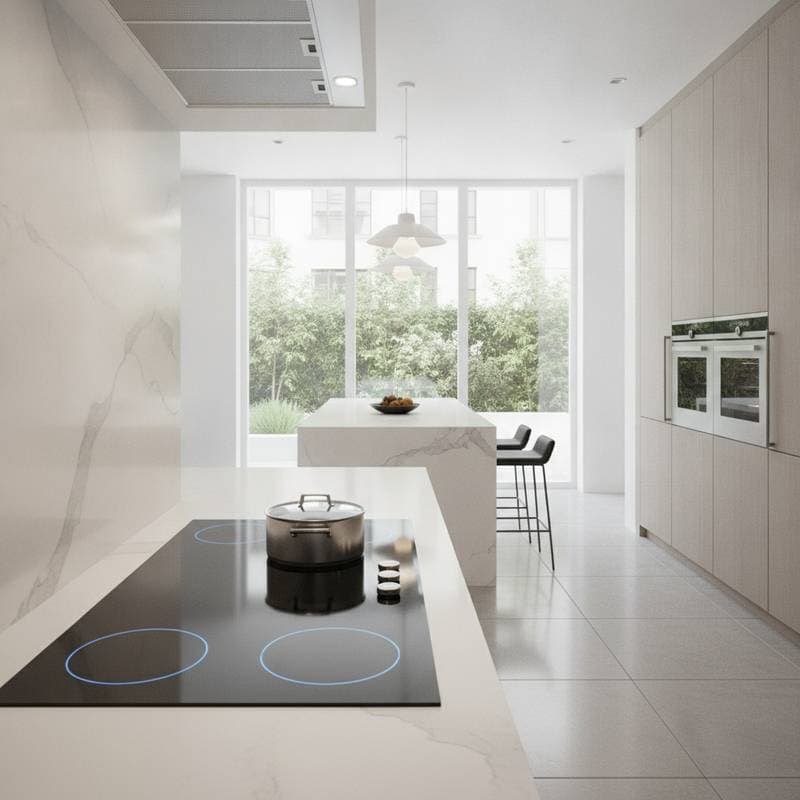
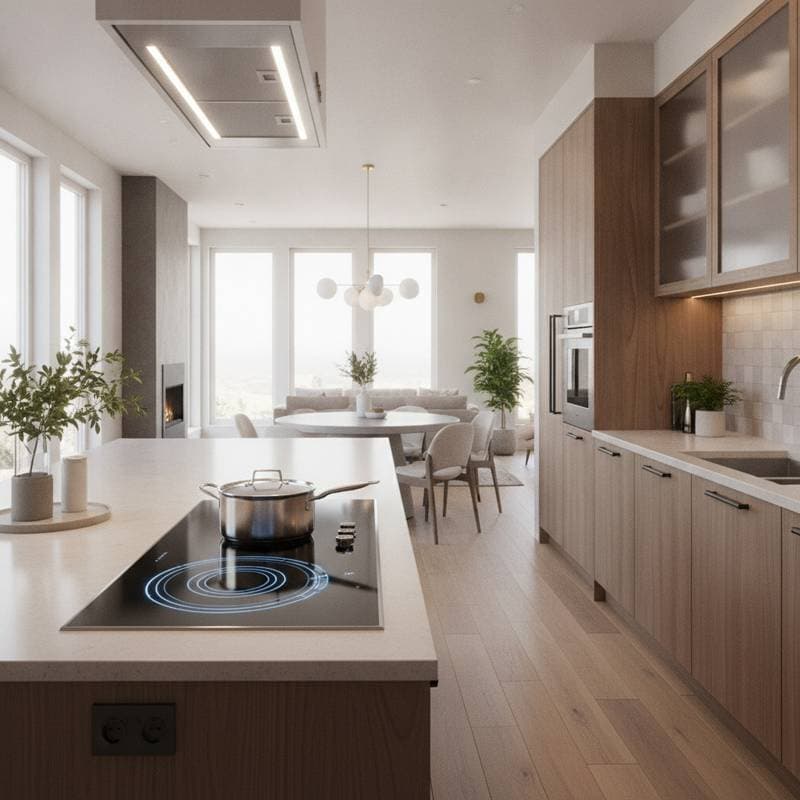
In one project, a client requested an open island without a prominent cooktop. Installers fitted a flush induction surface with undetectable boundaries. Placement of a skillet anywhere on the glass triggered immediate heating, achieving a cohesive aesthetic and enhancing entertaining space. Gas or traditional electric setups could not deliver this result.
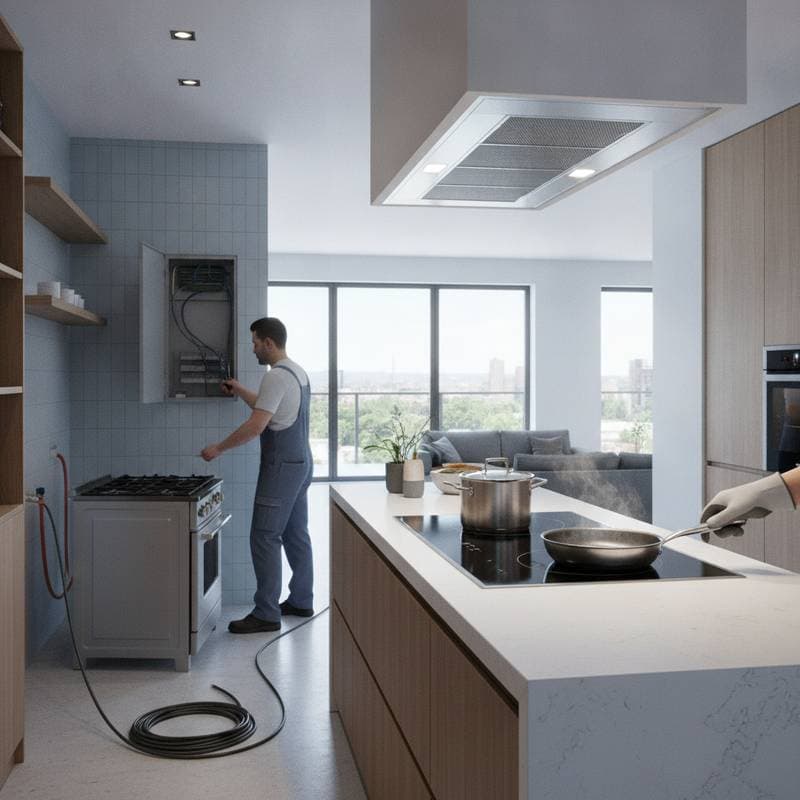
Such systems offer designers substantial versatility, yet require meticulous collaboration among electricians, cabinetmakers, and countertop specialists. Wiring demands accessibility while remaining concealed. Countertop openings must align perfectly with ventilation needs. Oversight in these areas risks damaging equipment valued at thousands of dollars.
Essential Layout Checklist for Remodels
Homeowners undertaking kitchen renovations should consult this checklist prior to plan approval. It safeguards investments and maintains project timelines.
- Verify electrical capacity at the outset. Electricians must inspect the panel before equipment selection. Many systems require a 40-amp circuit, though some demand higher amperage.
- Design ventilation beneath the surface. Induction generates less overall heat, but electronics produce warmth. Adhere strictly to manufacturer clearances.
- Align countertop production details. Accurate cutouts and structural support prove vital. Unsupported stone or composite surfaces may fracture.
- Test cookware for compatibility. Apply a magnet to pan bases; firm adhesion confirms suitability.
- Incorporate zones into daily workflows. Consider transitions between preparation, cooking, and cleanup. Flexible zones permit varied positioning, but efficient paths remain essential.
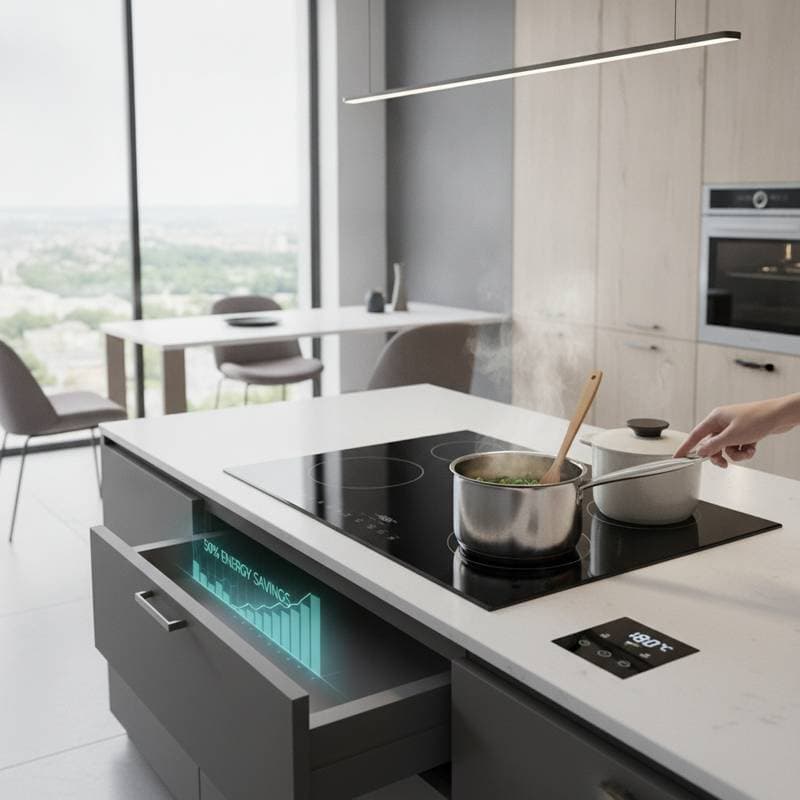
- Allocate circuits for supplementary features. Integrated downdraft vents or warming drawers necessitate independent wiring.
- Compile comprehensive documentation. Store manuals, diagrams, and warranty details for ongoing reference.
These items appear detailed, yet neglecting them leads to disruptions or substantial corrections after cabinet and surface installation.
Design Considerations for Contemporary Kitchens
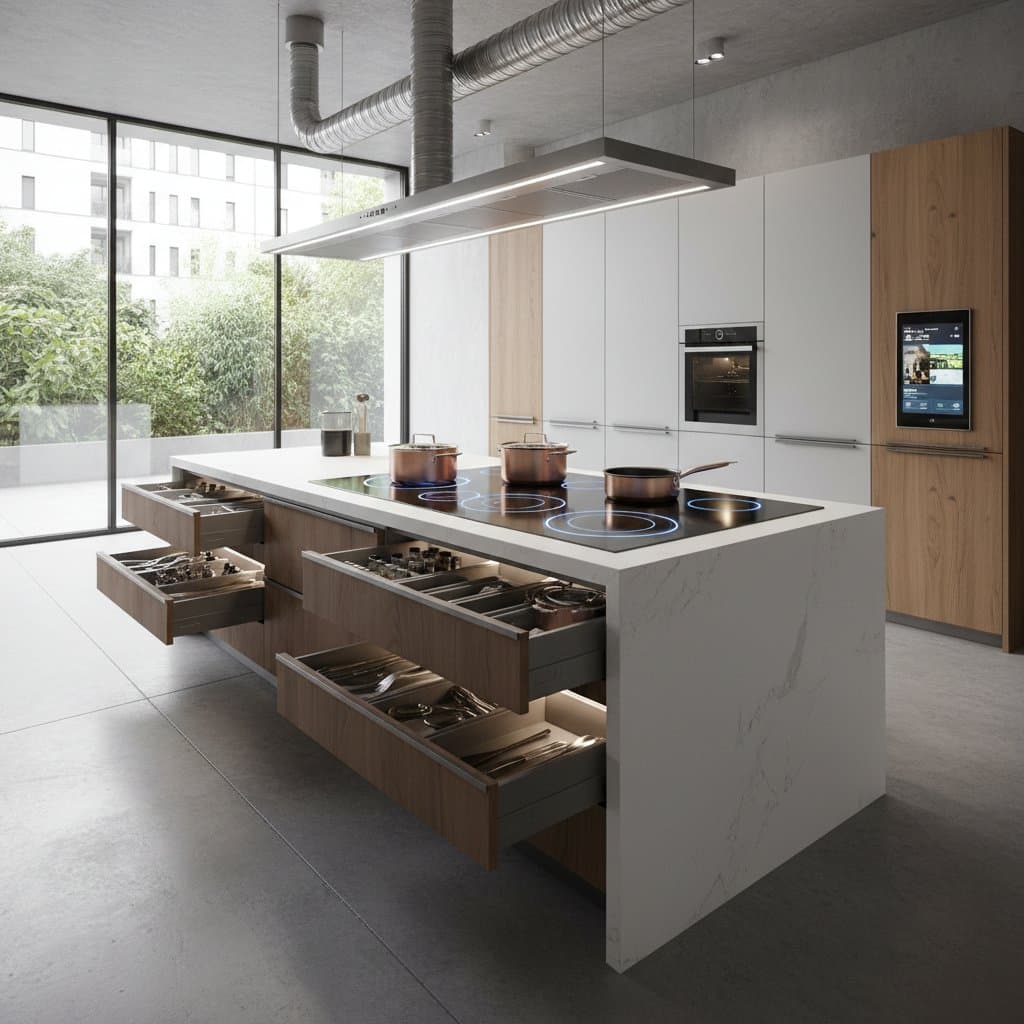
Induction zones influence overall kitchen configuration. Islands evolve into versatile hubs rather than dedicated cooking points. Designers position sinks nearer to heating areas, capitalizing on minimal splatter and residue. Storage adapts with shallower drawers below surfaces, unencumbered by gas lines or combustion elements.
Illumination strategies shift accordingly. Without visible flames, general lighting delineates active zones. Subtle LED integrations above or encircling cooking spaces provide clear visual cues.
Contractors emphasize interdisciplinary alignment. Electricians, fabricators, and installers operate from unified dimensions. Any deviation requires collective recalibration, distinguishing efficient projects from challenging ones.
Ensuring Longevity and Simple Upkeep
Properly installed induction systems demonstrate strong reliability, though sensitivity to moisture and movement persists. Installers position units on stable, padded foundations to minimize glass stress. Sealing countertop perimeters with silicone prevents liquid infiltration, preserving electronics and warranty coverage.
Maintenance simplifies compared to gas or coil alternatives. A gentle cloth and neutral cleaner suffice for routine care. Homeowners prevent damage by lifting rather than sliding heavy items and avoiding utensil impacts that might nick the surface. Proactive measures justify expenses avoided through repairs.
Strategies for Advancing Kitchen Innovation
Induction zones mark a pivotal advancement in kitchen development. As electric adoption grows, demand rises for adaptable, cohesive arrangements. Professionals mastering wiring, airflow, and integration techniques position themselves for ongoing success, delivering spaces that enhance safety, efficiency, and sustainability.