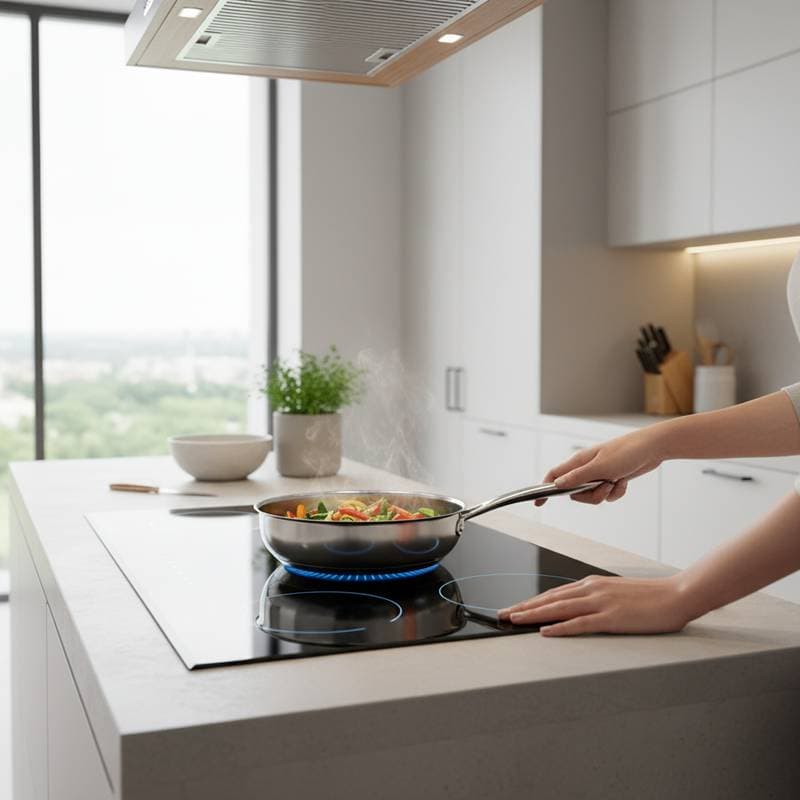
Understanding Induction Cooking
Induction cooking represents a modern advancement in kitchen technology. This method uses electromagnetic fields to heat cookware directly, bypassing the need for an open flame or surface heating element. As a result, the cooktop surface remains relatively cool, reducing burn risks and simplifying cleanup.
The process begins when compatible cookware is placed on the induction surface. An alternating current generates a magnetic field that induces heat within the pan itself. This targeted heating delivers precise temperature control and boils water up to twice as fast as traditional gas stoves.
Home cooks appreciate the responsiveness of induction systems. Adjustments to heat levels occur almost immediately, allowing for seamless transitions between simmering and searing. Such efficiency transforms routine tasks into efficient experiences.
Key Benefits of Induction Over Gas
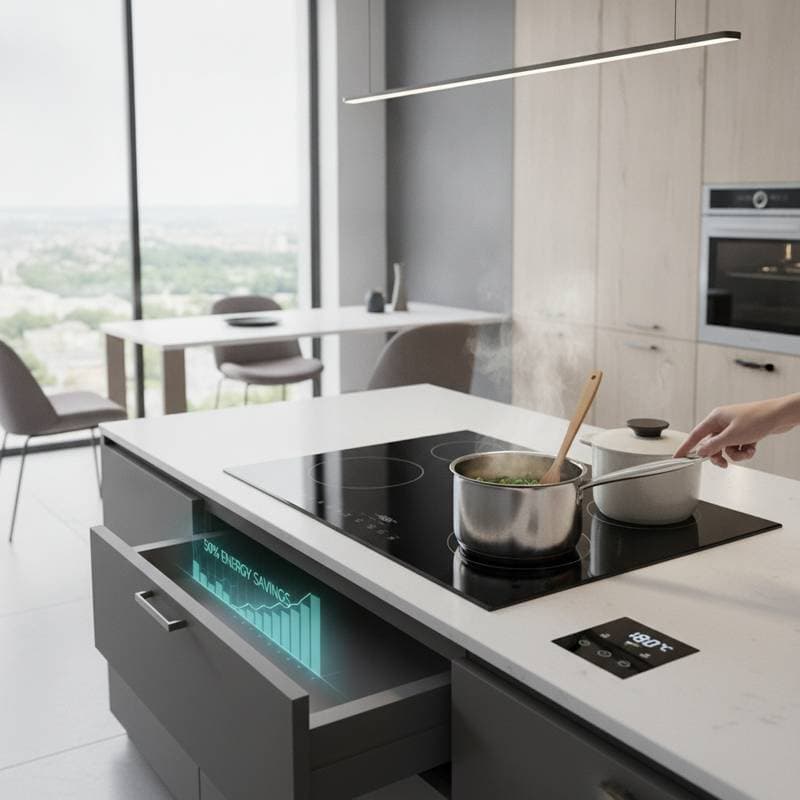
One primary advantage lies in energy efficiency. Induction cooktops transfer nearly 90% of energy to the cookware, compared to about 40% for gas. This reduction in wasted heat lowers utility bills and minimizes environmental impact.
Safety stands out as another critical benefit. Without exposed flames, the risk of accidental fires or gas leaks diminishes significantly. The cool surface prevents burns from hot spots, making it ideal for households with children or elderly members.
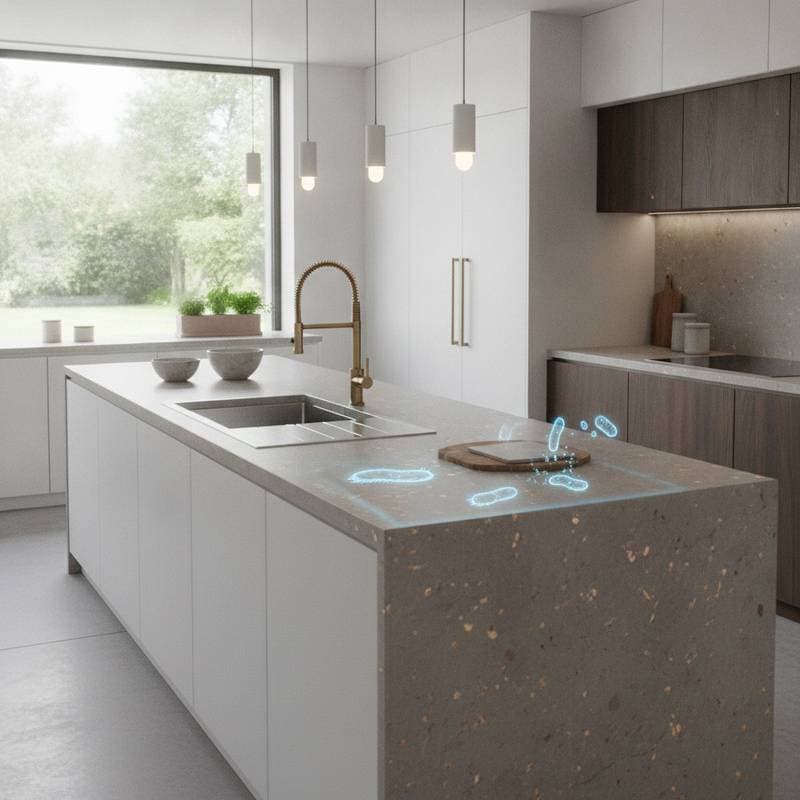
Health improvements emerge from cleaner air quality. Gas stoves release combustion byproducts like nitrogen dioxide, which can irritate respiratory systems. Induction eliminates these emissions, fostering a healthier cooking environment. Additionally, the lack of residual heat simplifies ventilation needs.
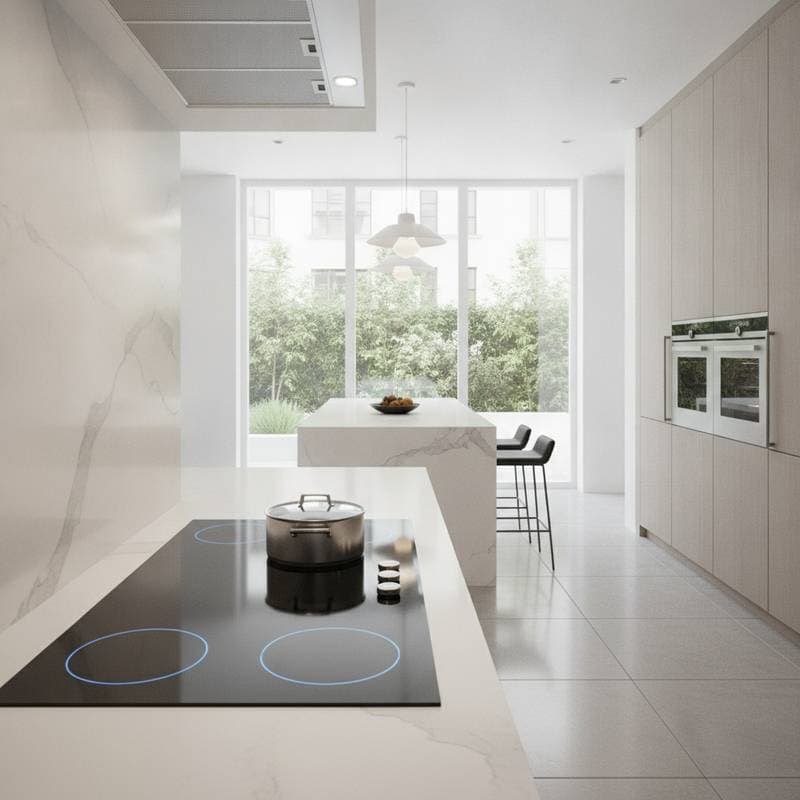
From an aesthetic perspective, induction units offer sleek, flush designs that integrate seamlessly into contemporary kitchens. Maintenance proves straightforward, as spills do not bake onto hot surfaces. These features combine to create a more enjoyable and practical cooking space.
Selecting the Ideal Induction Appliance
Choices in induction appliances vary to suit different needs and budgets. Portable induction burners provide an entry-level option, often priced under $100. These compact units connect to standard outlets and work well for small apartments or supplemental cooking.
Built-in cooktops offer a permanent upgrade for existing countertops. They require professional installation to ensure compatibility with electrical systems. Full ranges combine oven and cooktop functions, delivering comprehensive solutions for larger kitchens.
Consider power requirements when choosing. Most models operate on 120-volt circuits, but high-end units may need 240-volt setups. Verify your home's electrical capacity to avoid costly modifications. Brands differ in features like touch controls, timers, and bridge zones for larger pans.
Budget plays a key role in selection. Entry-level models start at $200, while premium options exceed $2,000. Look for energy-efficient certifications to maximize long-term savings. Current promotions, such as up to 60% off, make high-quality units more accessible.
Step-by-Step Guide to Switching from Gas to Induction
Transitioning from a gas stove requires careful planning to ensure a smooth process. Begin by evaluating your kitchen layout and electrical infrastructure. Consult a licensed electrician if upgrades seem necessary.
Step 1: Evaluate Your Current Kitchen Setup
Inspect your existing stove area for gas line removal and electrical outlet availability. Measure the space to match new appliance dimensions. Determine if countertop modifications or cabinet adjustments are needed for installation.
Schedule a professional assessment for safety. Gas disconnection involves capping lines to prevent leaks. Electrical panels may require circuit additions to support induction power demands.
Step 2: Choose and Acquire Your Induction Unit
Research models based on cooking habits and kitchen size. Portable options suit renters or those testing the technology. Permanent installations demand precise measurements and compatibility checks.
Purchase from reputable sources offering warranties. Factor in delivery and installation services. Take advantage of discounts to stay within budget, ensuring the unit aligns with your daily needs.
Step 3: Professional Installation for Safety and Efficiency
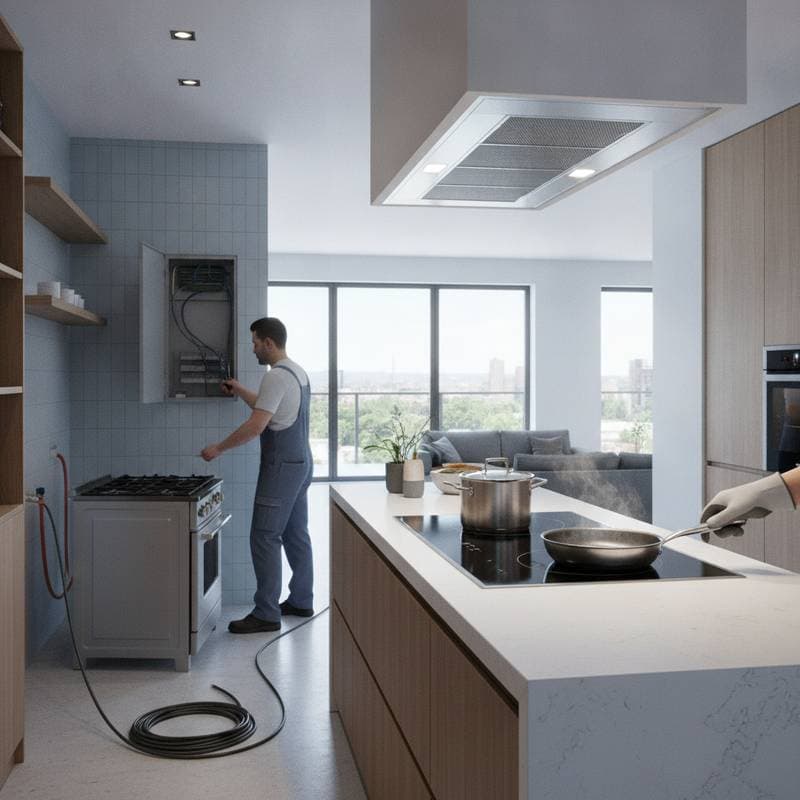
Hire certified professionals for gas disconnection and electrical wiring. This step prevents hazards and maintains home insurance validity. Installation typically takes a few hours, depending on complexity.
Test the setup post-installation. Verify even heating across burners and proper function of safety features. Address any issues immediately to enjoy uninterrupted use.
Step 4: Update Cookware if Necessary
Induction requires ferromagnetic materials for effective heating. Test existing pans with a magnet; if it adheres, the cookware is compatible. Otherwise, invest in induction-ready sets made from cast iron or stainless steel.
For non-compatible favorites, use induction adapter disks. These thin plates sit between the cooktop and pan, enabling use of glass or aluminum items. Such solutions preserve collections while adapting to the new system.
Step 5: Enjoy Your New Kitchen
With setup complete, explore the enhanced cooking capabilities. Meals prepare faster due to precise heat distribution. Cleanup becomes effortless without baked-on residues from surface heat.
Safety improves noticeably, with no flame-related worries. Energy savings accumulate over time, supporting sustainable practices. This upgrade elevates everyday routines into more efficient and pleasurable activities.
Realize Lasting Improvements in Daily Cooking
Switching to induction extends beyond equipment changes. The technology supports healthier lifestyles through reduced emissions and precise control that encourages nutritious meal preparation. Efficiency gains free up time for creativity in the kitchen.
Investments range from modest to substantial, yet returns in convenience and savings justify the cost. Seize opportunities like 60% discounts to modernize affordably. Embrace this shift to rediscover the satisfaction of home cooking.