Induction Zones: The End of Traditional Stovetops by 2026
The kitchen has always reflected the spirit of its time. From the cast-iron ranges of earlier centuries to the gas hobs and glass-ceramic cooktops that defined modern life, each generation has found its own expression of culinary technology. Now, a quiet but decisive shift is underway. Induction zones are redefining how people cook, offering precision, safety, and efficiency that traditional stovetops can no longer match. As the industry moves toward an induction-dominant future, kitchens are being reimagined around this new form of controlled energy.
10. The Allure of Instant Heat
The defining quality of induction cooking is its immediacy. Gas and electric surfaces radiate heat into the air before reaching the pan, but induction zones generate heat directly through electromagnetic currents. The result is an instantaneous response. A pot of water moves from stillness to a rolling boil in moments. Delicate sauces hold steady at the perfect simmer without fluctuation. This effect is both technical and sensory, creating a feeling of command that appeals to professional chefs and home cooks alike.
9. A Surface of Possibility
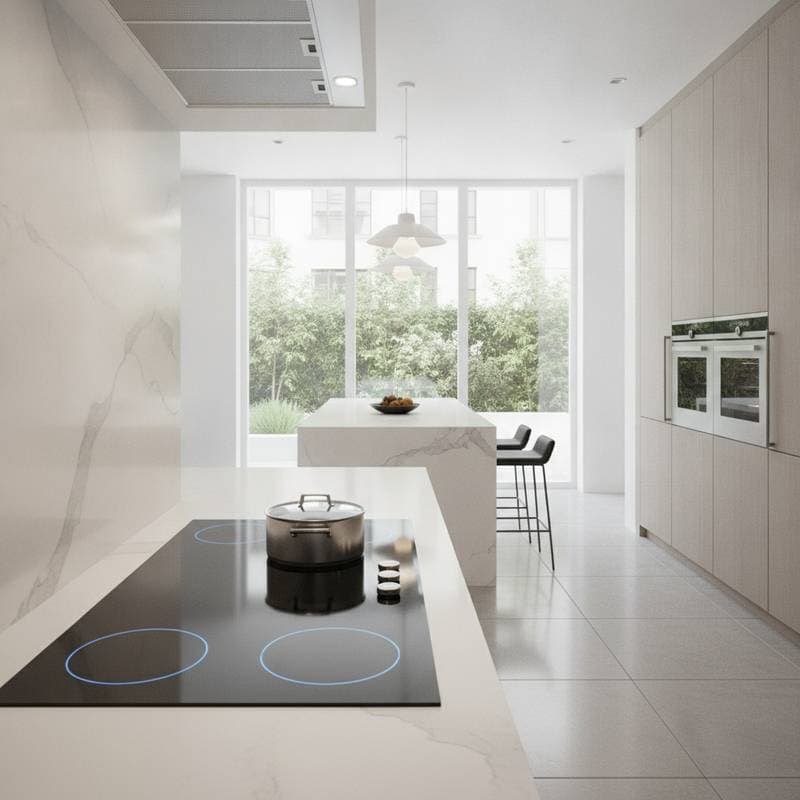
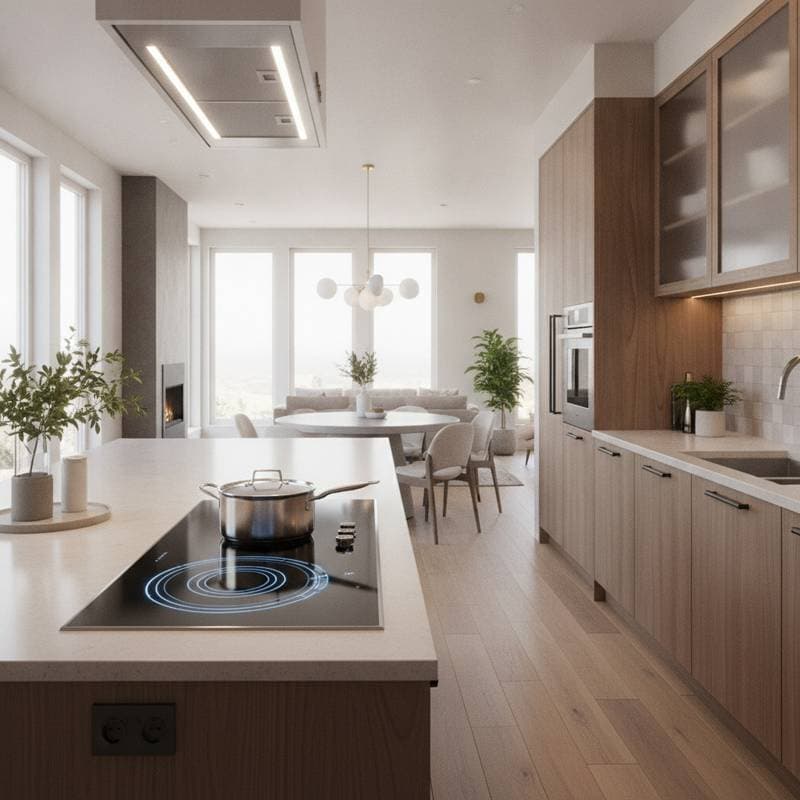
Designers have embraced the visual purity that induction surfaces allow. Sleek black glass, often finished in matte or satin textures, replaces the visual clutter of burners and metal grates. Manufacturers such as BORA and Gaggenau integrate extraction systems directly into the cooking surface, eliminating the need for bulky overhead hoods. The result is a plane of uninterrupted materiality that blends seamlessly into marble, quartzite, or sintered stone countertops. Kitchens feel more architectural, with surfaces that appear calm and continuous.
8. Precision by Design
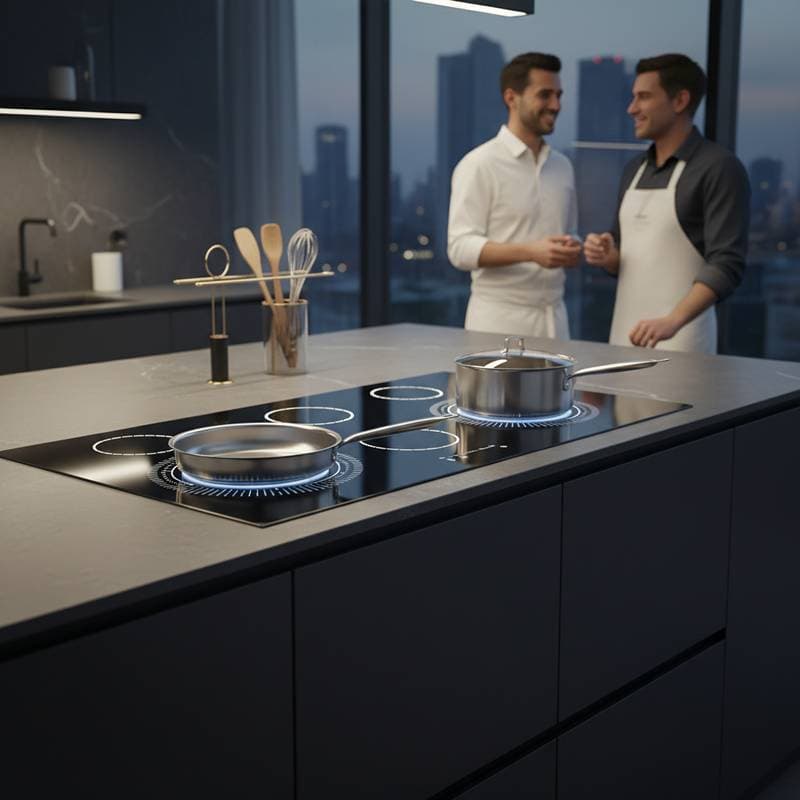
Induction zones offer more than speed. They provide control at a microscopic level. Temperature adjustments register almost instantly, allowing cooks to hold chocolate at a glossy melt or sear scallops at the exact point of caramelization. Many models feature digital interfaces that read pan size and position, activating only where needed. This adaptability reduces energy waste and allows for flexible configurations, from modular cooktops with movable heating areas to full-surface induction slabs like those by TPB Tech.
7. Safety Reimagined
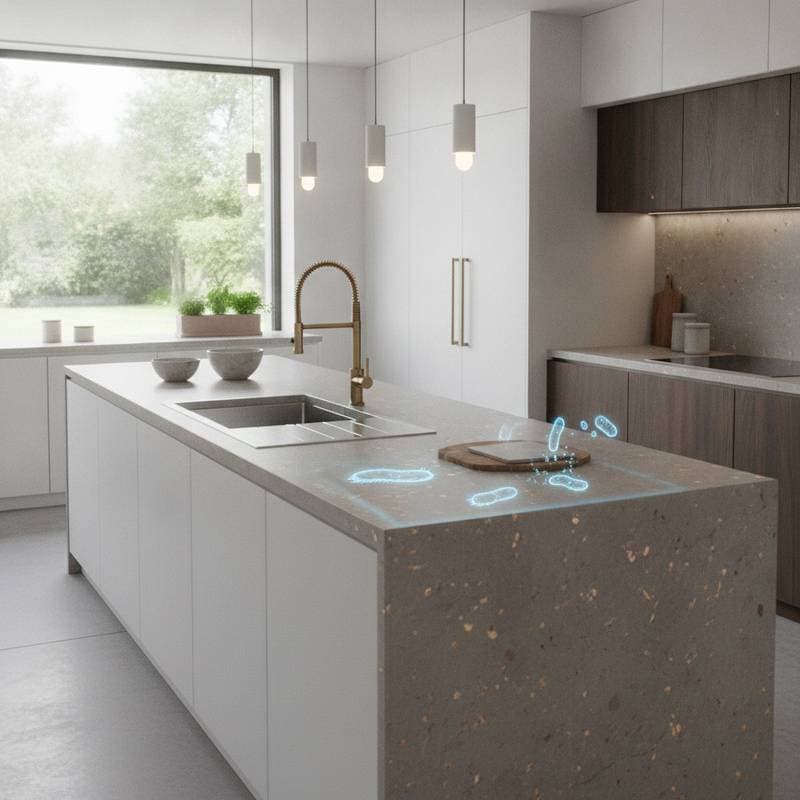
The appeal of induction extends beyond performance. The surface remains cool to the touch, reducing the risk of burns. Families appreciate the child-safe qualities, while designers value the lack of open flame or exposed coil. Even accidental spills are easier to clean, since liquids do not bake onto the surface. The technology ensures that only cookware designed for induction, such as magnetic stainless steel, cast iron, or certain composite materials, activates the heat, adding another layer of safety.
6. A Greener Approach
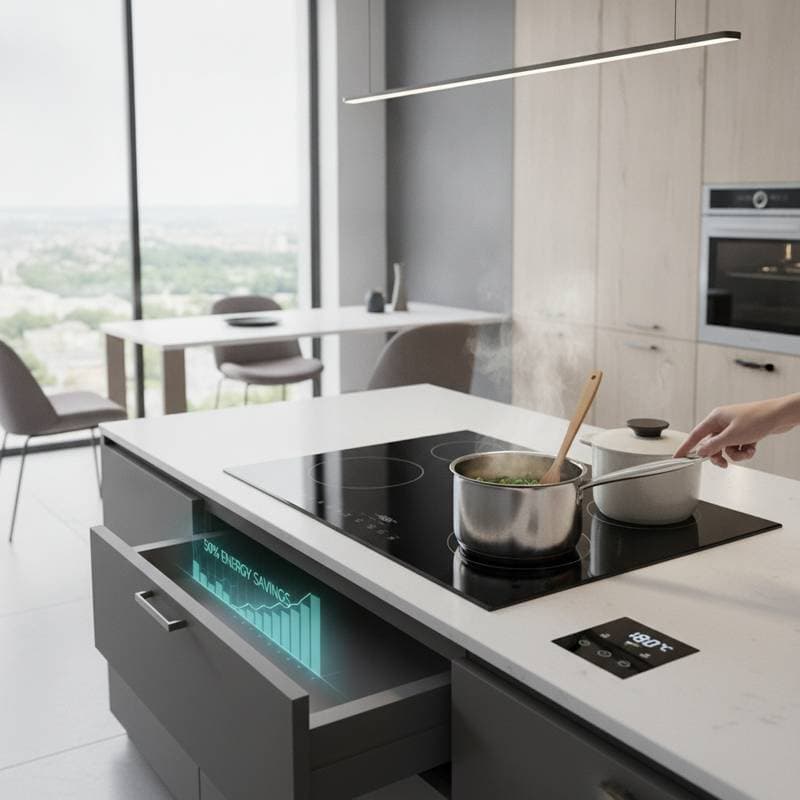
Energy efficiency is one of induction's quiet triumphs. Traditional stovetops lose significant energy through ambient heat, while induction directs nearly all power into the cookware itself. The result is faster cooking with less electricity consumption. In professional settings, reduced ambient heat also lowers cooling requirements, improving overall energy balance. As sustainability becomes a core value in kitchen design, induction technology fits naturally into the broader conversation about responsible living.
5. Spatial Freedom
The compact design of induction zones allows greater flexibility in kitchen layouts. Designers can embed cooking surfaces within islands, perimeter counters, or even retractable panels that disappear when not in use. In smaller apartments or open-plan homes, this versatility supports minimalist aesthetics without sacrificing function. Some custom fabricators use thin-edge detailing to make the cooktop appear almost flush with the countertop, creating an illusion of seamless continuity.
4. Material Harmony
Induction technology invites a new relationship between appliance and material. A slab of dark soapstone paired with a matte black cooktop creates quiet sophistication, while white Dekton or pale terrazzo brings a luminous counterpoint to the sleek surface. The absence of protruding grates and knobs allows the material palette to take center stage. Designers like Patricia Urquiola and Vincent Van Duysen often integrate induction zones into monolithic kitchen blocks, treating the cooking surface as part of the sculptural composition.
3. The Professional Influence
Restaurants have been early adopters of induction for its consistency and cleanliness. Many chefs appreciate how it keeps kitchen temperatures lower, improving comfort without compromising output. As this technology moves into residential use, it brings a professional sensibility that appeals to those who value both performance and aesthetics. The influence of commercial design can be seen in new residential collections from Miele, Wolf, and Siemens, where minimalist control panels and modular configurations echo professional-grade equipment.
2. Transitioning from Tradition
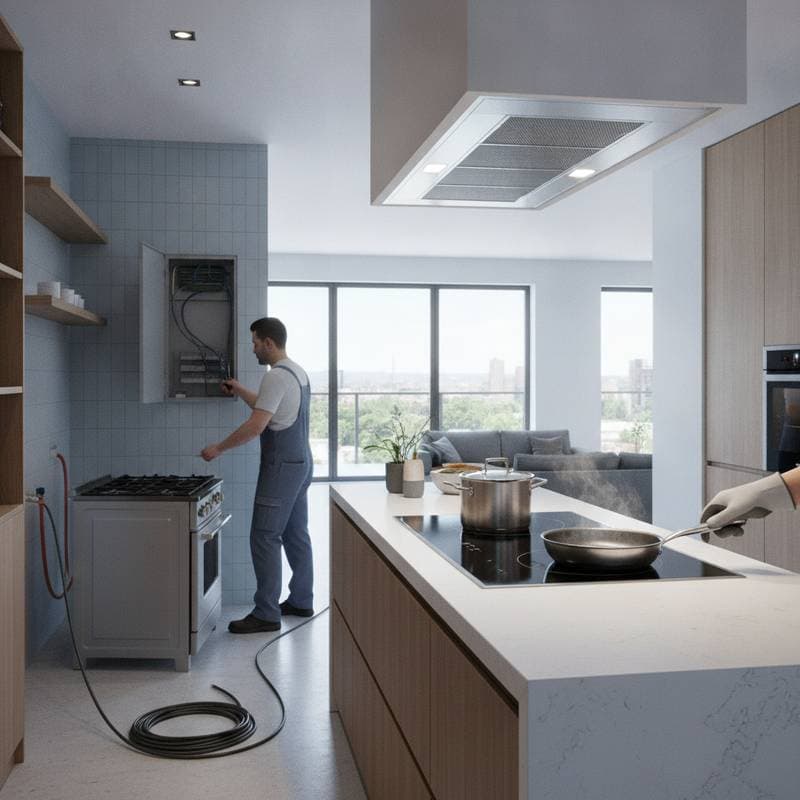
Shifting to induction requires planning, but the process is straightforward for most households. Start by checking cookware compatibility; non-magnetic pots may need replacement with affordable induction-ready options. Installation often involves standard electrical updates, similar to upgrading a traditional cooktop, and professional electricians can handle it in a few hours. Market trends accelerate this change: building codes in regions like California and Europe are phasing out gas appliances, while manufacturers discontinue legacy stovetop lines. By 2026, incentives for energy-efficient upgrades and supply chain shifts will make induction the default choice, easing the transition for builders and homeowners alike.
1. Embracing Induction in Daily Life
Adopting induction is not just about replacing a cooktop. It is about embracing a new rhythm of cooking. The quiet hum of electromagnetic energy, the ease of cleaning, and the harmony with modern materials all contribute to a more intentional kitchen experience. Homeowners gain confidence through precise control that simplifies recipes and reduces errors. In the long term, this technology supports healthier cooking with less oil splatter and cleaner air. Designers, builders, and homeowners recognize that this shift represents more than a trend; it paves the way for kitchens that are efficient, beautiful, and aligned with future needs.