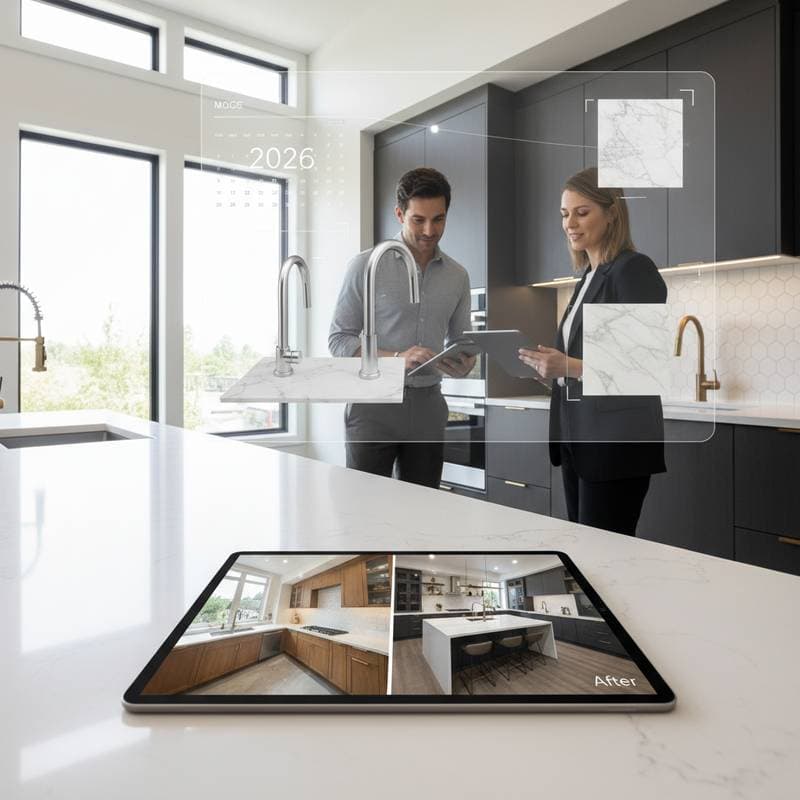
AI Kitchen Redesigns: Upload a Photo for Instant Layout Transformations in 2026
The kitchen serves as the heart of the home, blending daily functionality with personal style. Recent advancements in digital tools have moved kitchen planning beyond simple sketches into interactive experiences. Homeowners and professionals now use AI platforms to upload photos of existing spaces and receive detailed redesign proposals within minutes. These systems analyze dimensions, lighting, and layouts to suggest improvements that enhance both efficiency and aesthetics.
1. Transitioning from Traditional Plans to Dynamic Simulations
Earlier kitchen redesigns relied on static floor plans and manual drawings, which limited quick iterations. AI tools change this by processing uploaded images to create precise 3D models. The software measures wall lengths, identifies appliance positions, and evaluates natural light flow. Users then explore options like open shelving or island expansions, adjusting elements in real time to match their needs.
For example, platforms such as Kitchen Vision Studio allow selection of countertop heights and drawer configurations. This approach reveals potential issues, such as cramped walkways, early in the process. Professionals report that such simulations save hours of on-site measurements and revisions.
2. Capturing Realistic Visual Details
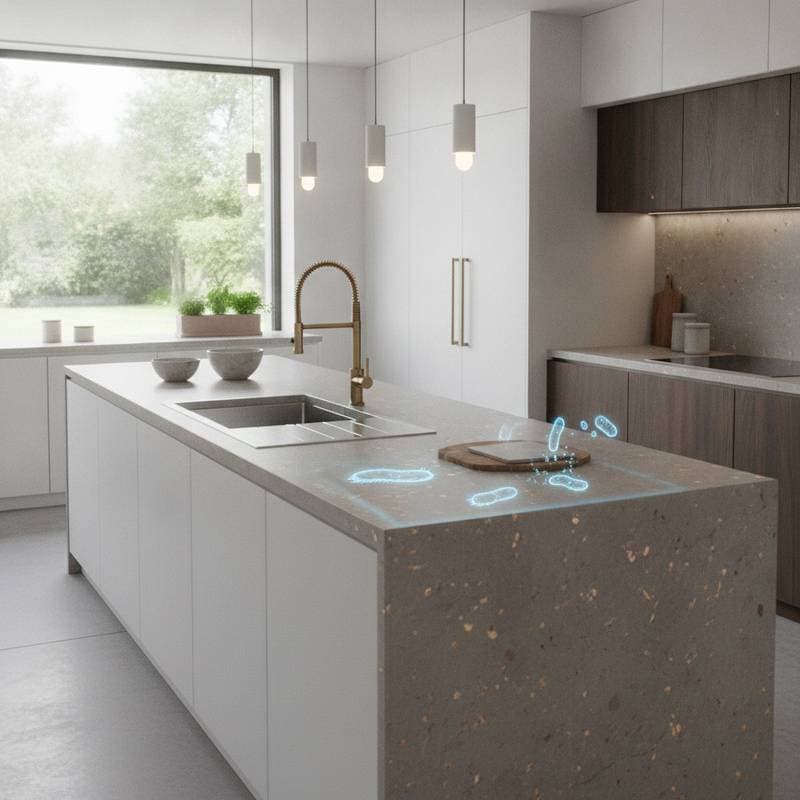
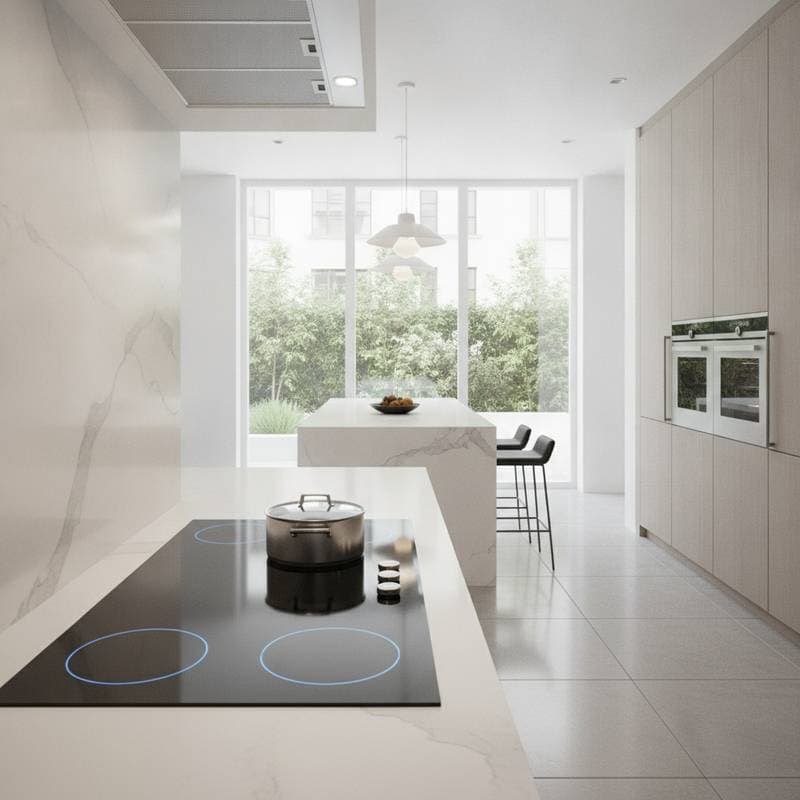
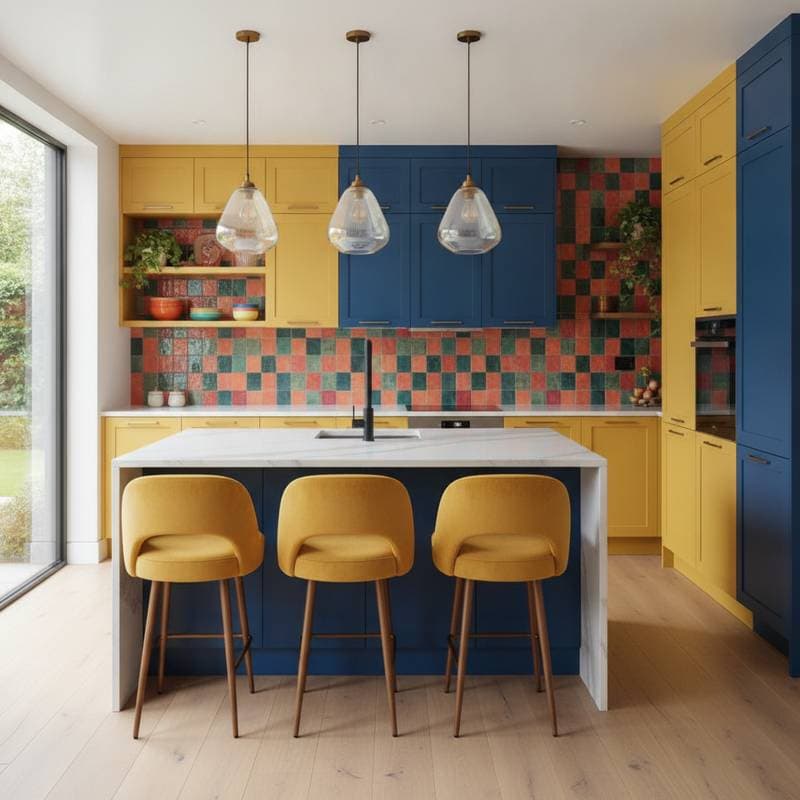
Beyond basic layouts, AI excels at rendering lifelike previews that inspire confidence. These tools replicate surface qualities, from the subtle sheen of stainless steel to the warmth of walnut cabinetry. Colors like Sherwin-Williams Alabaster or Benjamin Moore Edgecomb Gray integrate seamlessly, showing how they interact with room lighting.
Designers, including Isabel Tran of Atelier Forma, leverage these features to showcase variations. Clients view how a shift from glossy tiles to matte finishes alters the overall ambiance. This visual accuracy helps teams align on preferences without physical mockups, streamlining approvals.
3. Balancing Speed with Thorough Analysis
AI platforms deliver rapid results without skimping on essential details. They evaluate traffic patterns, ergonomic reach distances, and ventilation requirements for appliances. Built-in checks flag inefficiencies, such as insufficient counter space near sinks, prompting immediate adjustments.
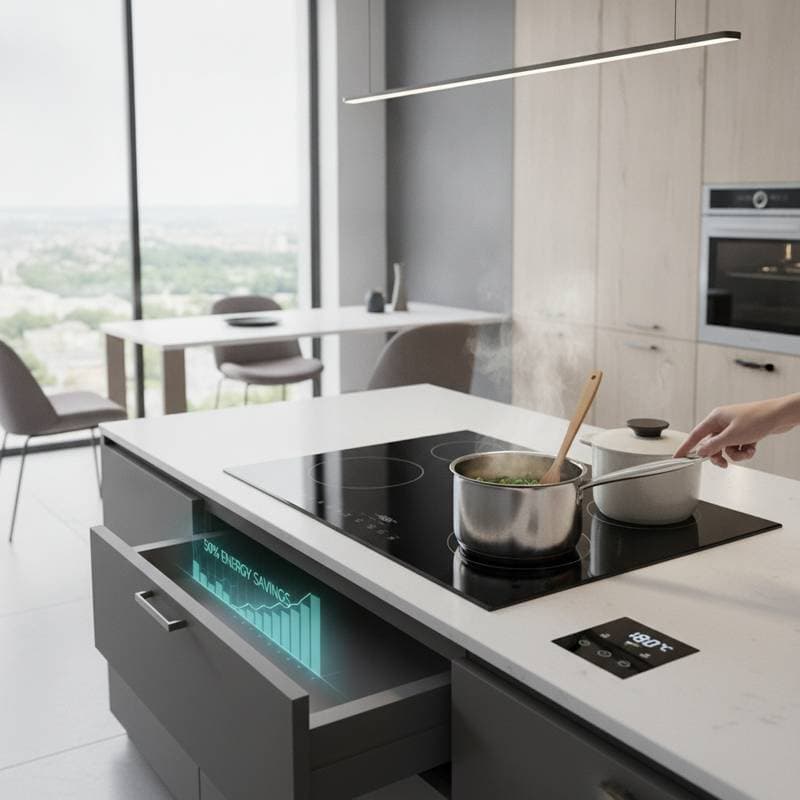
Architect Luca Mendri of Studio Mendri notes the impact on workflows. Digital tools cut initial planning time by almost 50 percent, he states, while upholding quality standards. Teams focus more on innovative elements, like integrated smart appliances, knowing the fundamentals are solid.
4. Exploring Materials in a Virtual Environment
Material choices once demanded sample boards and showroom visits, often leading to delays. AI changes this by overlaying options directly onto photo-based models. Experiment with pairings such as Silestone quartz alongside reclaimed wood accents, observing how they age and reflect light.
Many systems connect visualizations to supplier databases for seamless transitions. Surface & Form Studio, for instance, enables users to select a digital finish and access pricing or availability instantly. This method reduces waste from mismatched orders and empowers informed decisions.
5. Fostering Team Collaboration Through Shared Platforms
Collaboration improves dramatically with cloud-based AI interfaces. All parties access the same evolving model, adding annotations or proposing changes in real time. Contractors review structural feasibility, while clients prioritize aesthetic touches, minimizing miscommunications.
This setup builds consensus efficiently. Updates sync automatically, eliminating version control issues from scattered files. The result is a unified vision that respects each contributor's input, leading to kitchens that truly suit daily life.
Implementing Your Redesigned Kitchen
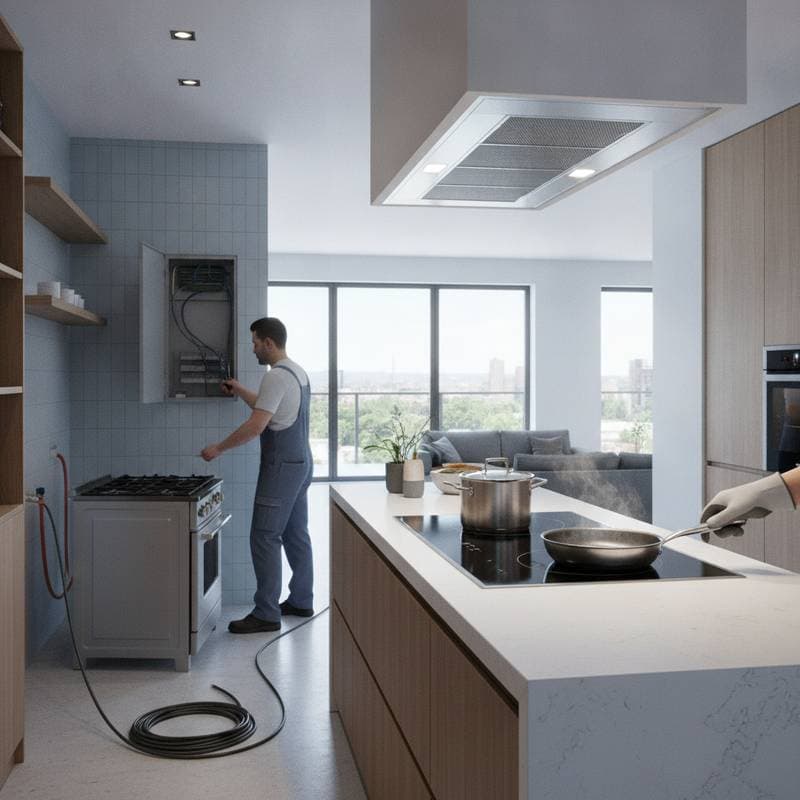
With plans finalized, construction follows theblueprint closely. Installers reference exact specifications for fixtures and wiring, ensuring alignment with the simulation. Homeowners experience a smooth handover, with spaces that optimize movement and storage.
Post-completion, the kitchen adapts to routines while retaining its designed elegance. Regular use highlights the foresight in layout choices, from ample prep areas to intuitive lighting controls. These AI-assisted designs elevate everyday moments, proving technology enhances rather than overshadows human creativity.